https://arab.news/j752h
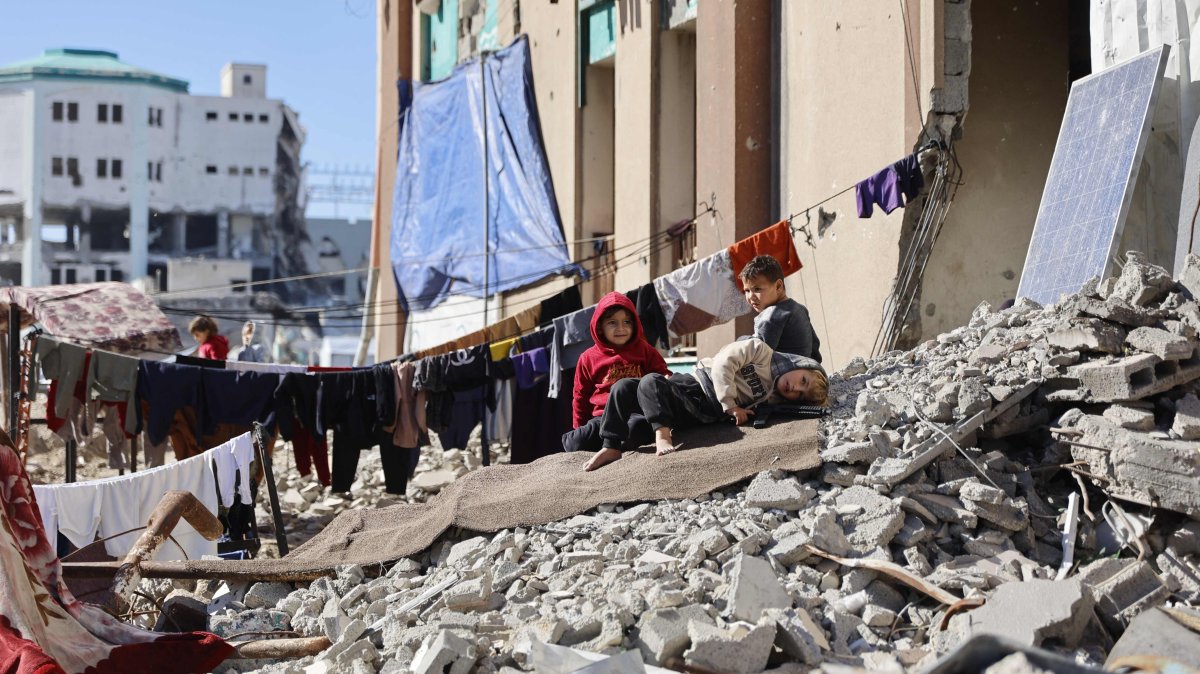
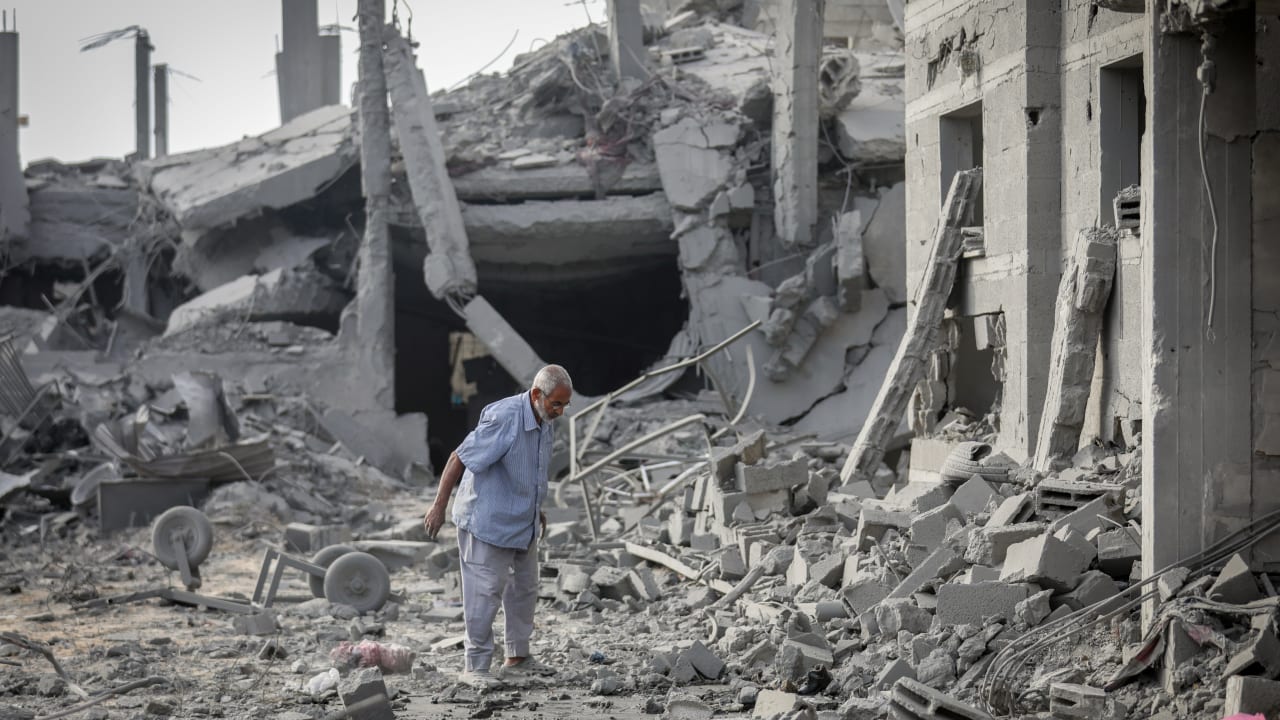
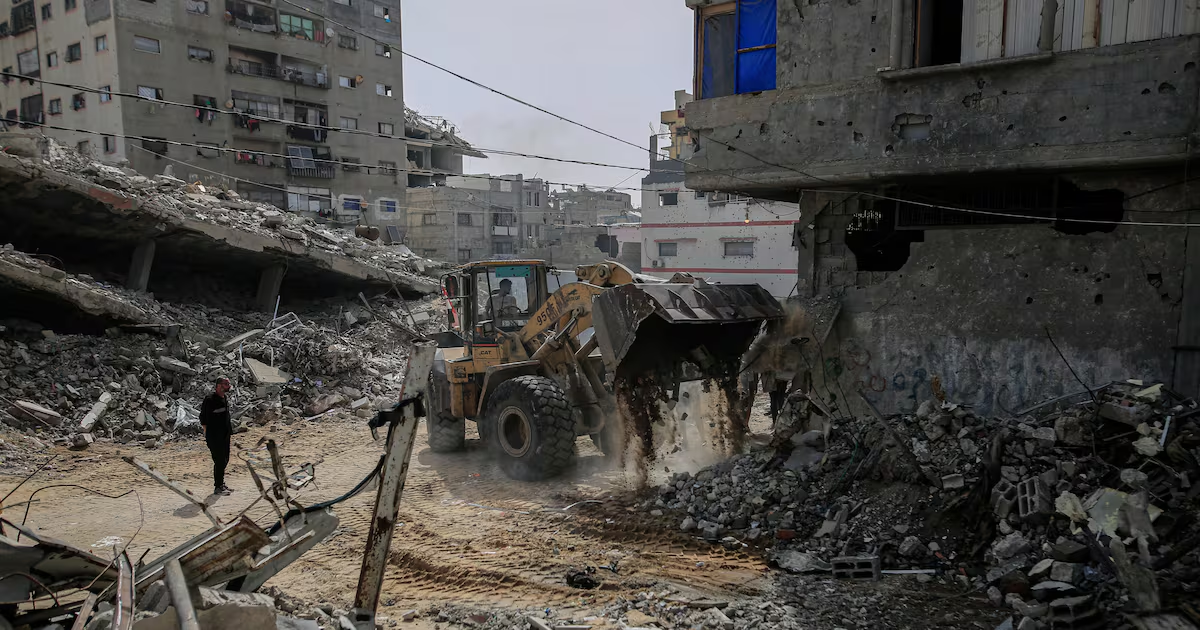
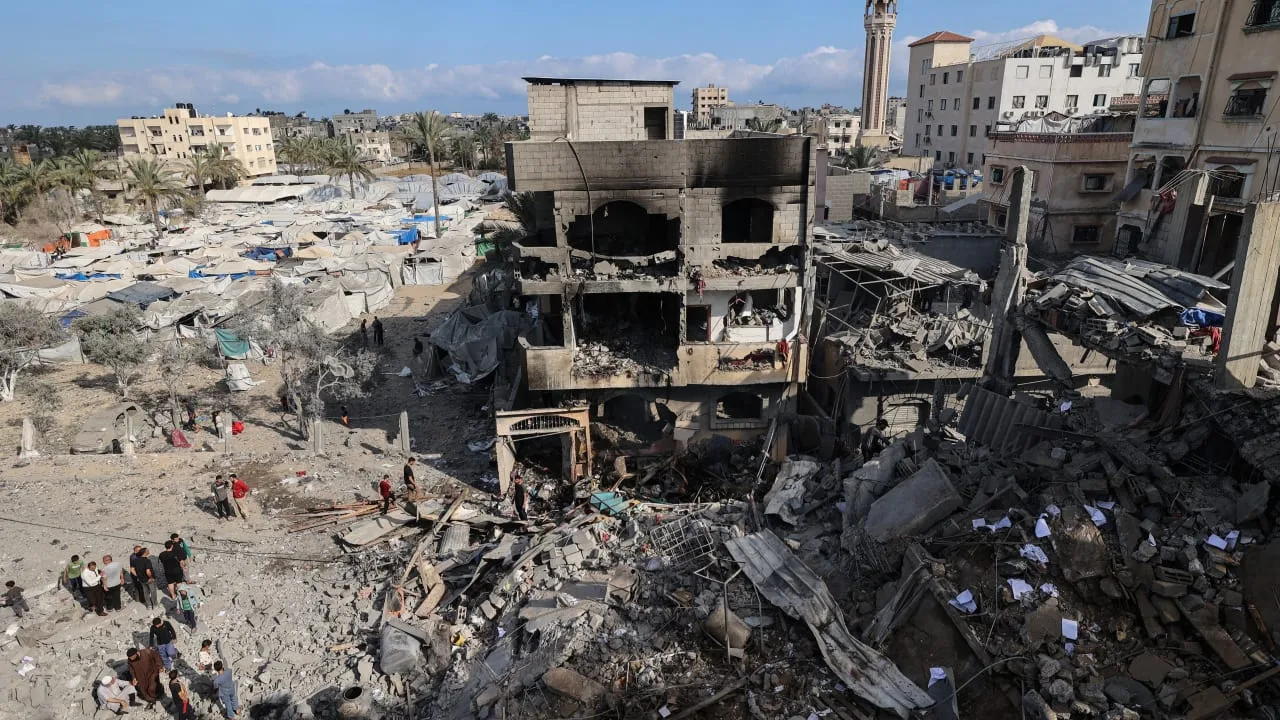
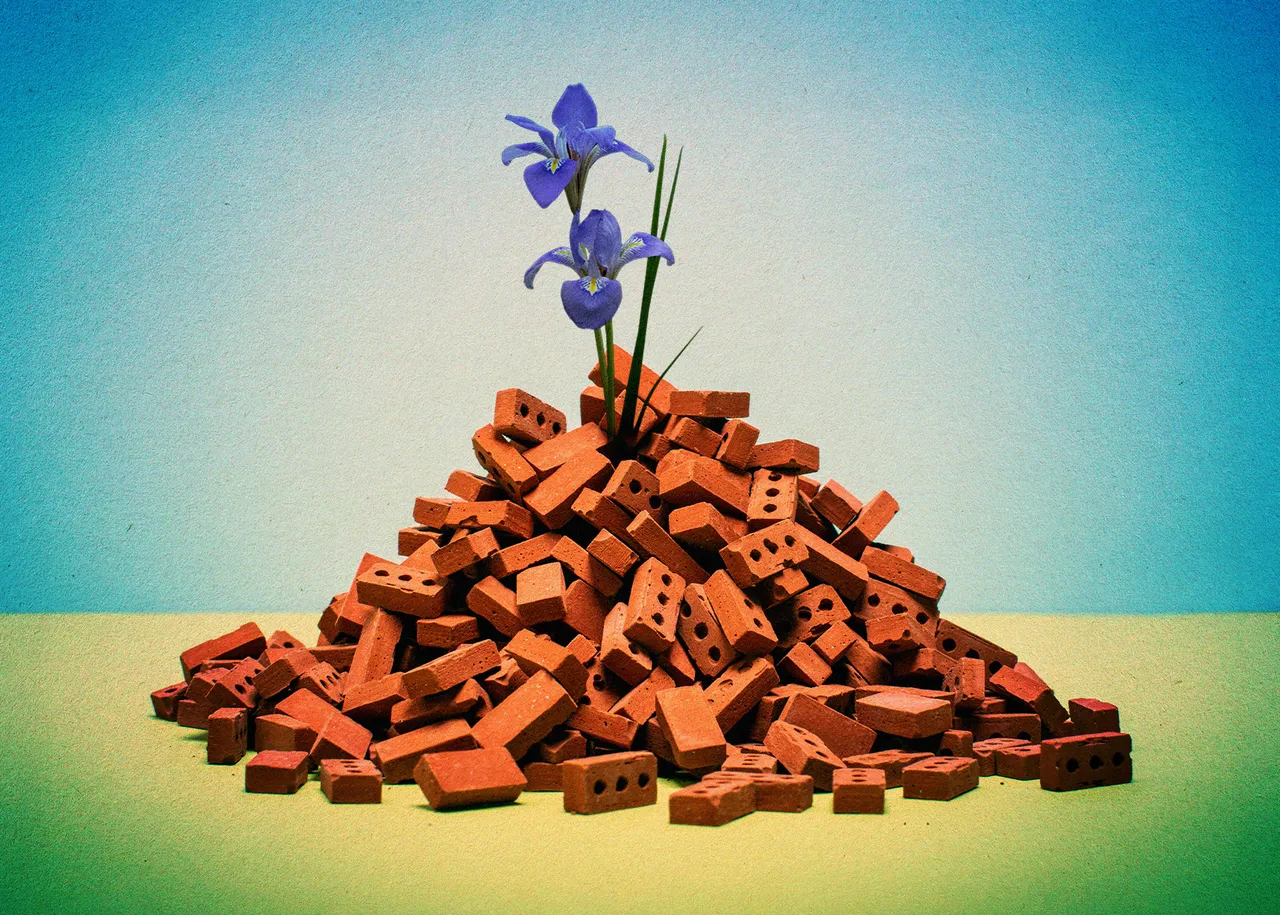
As international debates once again turn to Gaza’s reconstruction, a growing number of planners, scholars and practitioners are warning that merely rebuilding homes and infrastructure will not heal communities shattered by decades of conflict. “Gaza: A Vision of Hope,” a new report by the Anthedon initiative, argues that Gaza’s recovery must begin not with cement and master plans, but with people, memory and social cohesion.
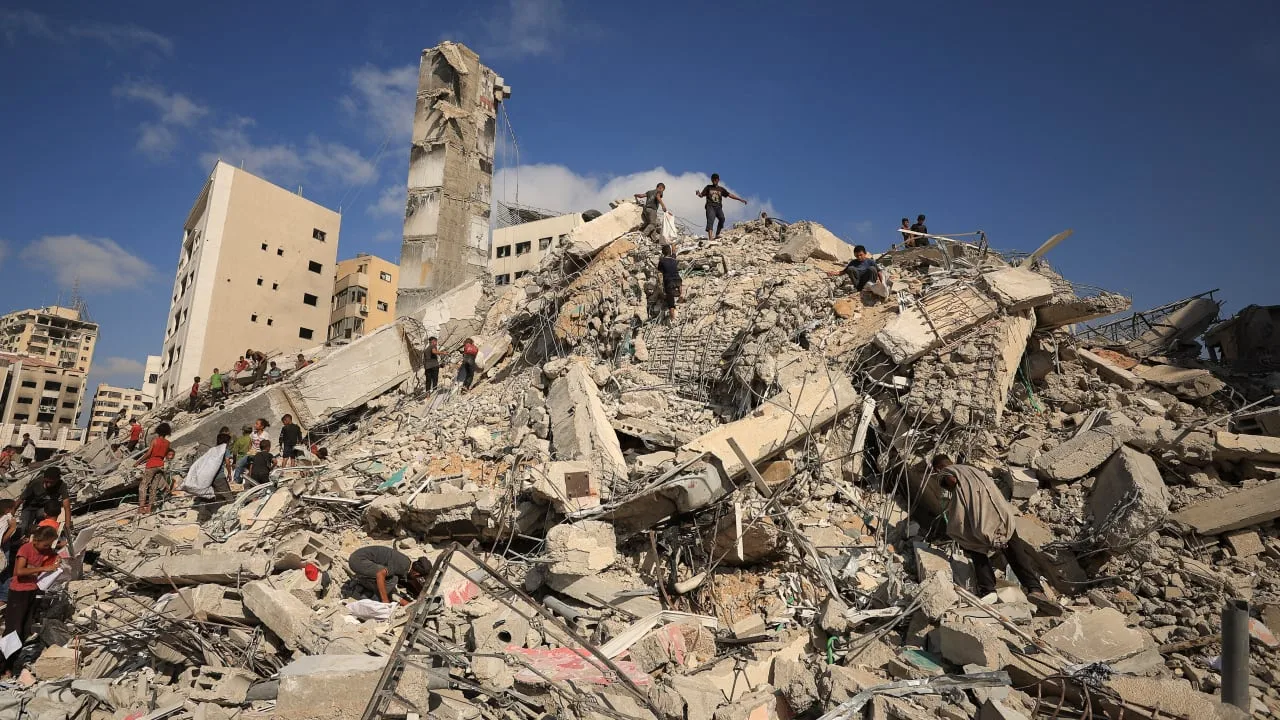
The report, released in late December, was developed in partnership with Heritopolis and the Metropolis network under UN-Habitat’s University Network Initiative. It offers a fundamentally different framework for postwar recovery. It frames Gaza’s devastation not only as a humanitarian emergency but as the cumulative outcome of political fragmentation, prolonged siege and repeated cycles of destruction that have eroded both the physical city and its social fabric.
Rather than proposing a conventional reconstruction blueprint, the report challenges donor-driven models that prioritize speed, scale and visibility over long-term resilience. “Technical rebuilding detached from human context risks reproducing fragmentation and vulnerability,” the authors argue. Roads, housing blocks and utilities may be restored, but without addressing trauma, displacement and the loss of collective identity, Gaza remains deeply fragile.