To join the CNBC Technology Executive Council, go to cnbccouncils.com/tec
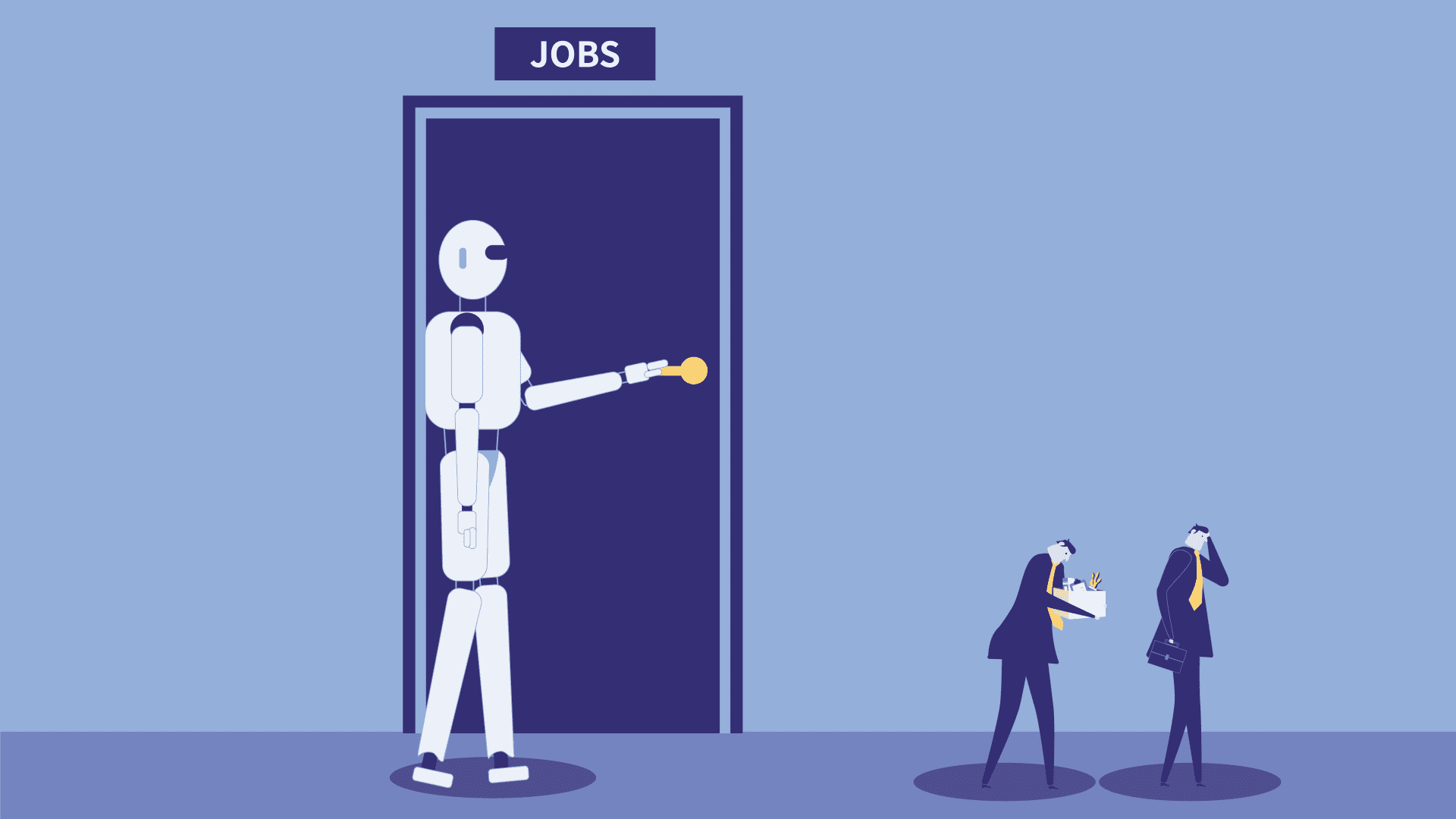
If there is still no clear answer to the question of how artificial intelligence is influencing gains and losses in the job market, there is at least one AI question that job candidates, and current workers hoping to keep their roles, should be prepared to answer clearly in 2026.
“In many roles, the baseline will no longer be ‘Can a person do the job?’ but rather ‘Can they do it in a way that adds unique value beyond what AI can do alone, and what people can do alone?’” said Daniela Rus, director of the MIT Computer Science & Artificial Intelligence Laboratory.
The evolving relationship between AI and human work is a critical issue in the labor market with the technology’s payoff beginning to show up in productivity data, at least anecdotally. Minneapolis Federal Reserve President Neel Kashkari said that artificial intelligence is causing big companies to slow hiring, and that many businesses are seeing “real productivity gains.”
Kashkari told CNBC’s “Squawk Box” that the impact remains mostly at large firms, and overall he expects continued low hiring and low firing in the labor market. But he added, “There are too many anecdotes of businesses using this and actually seeing real productivity gains. Businesses that I talked to that two years ago were skeptical are saying, ‘No, we’re actually using it now.’”