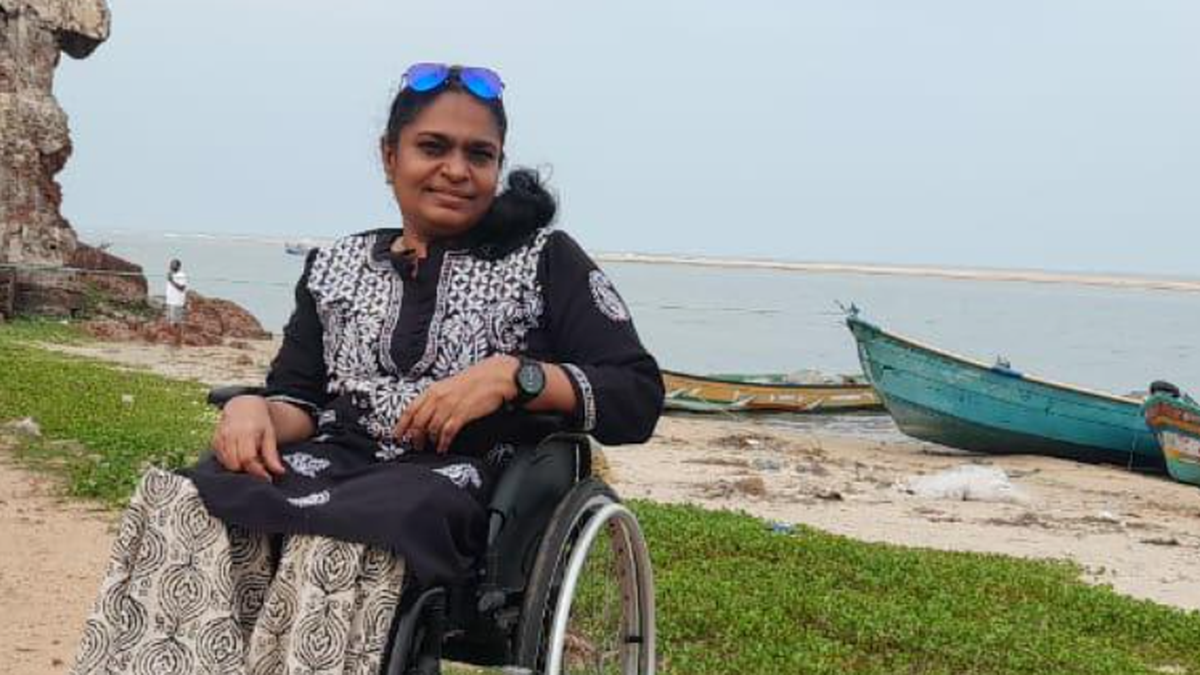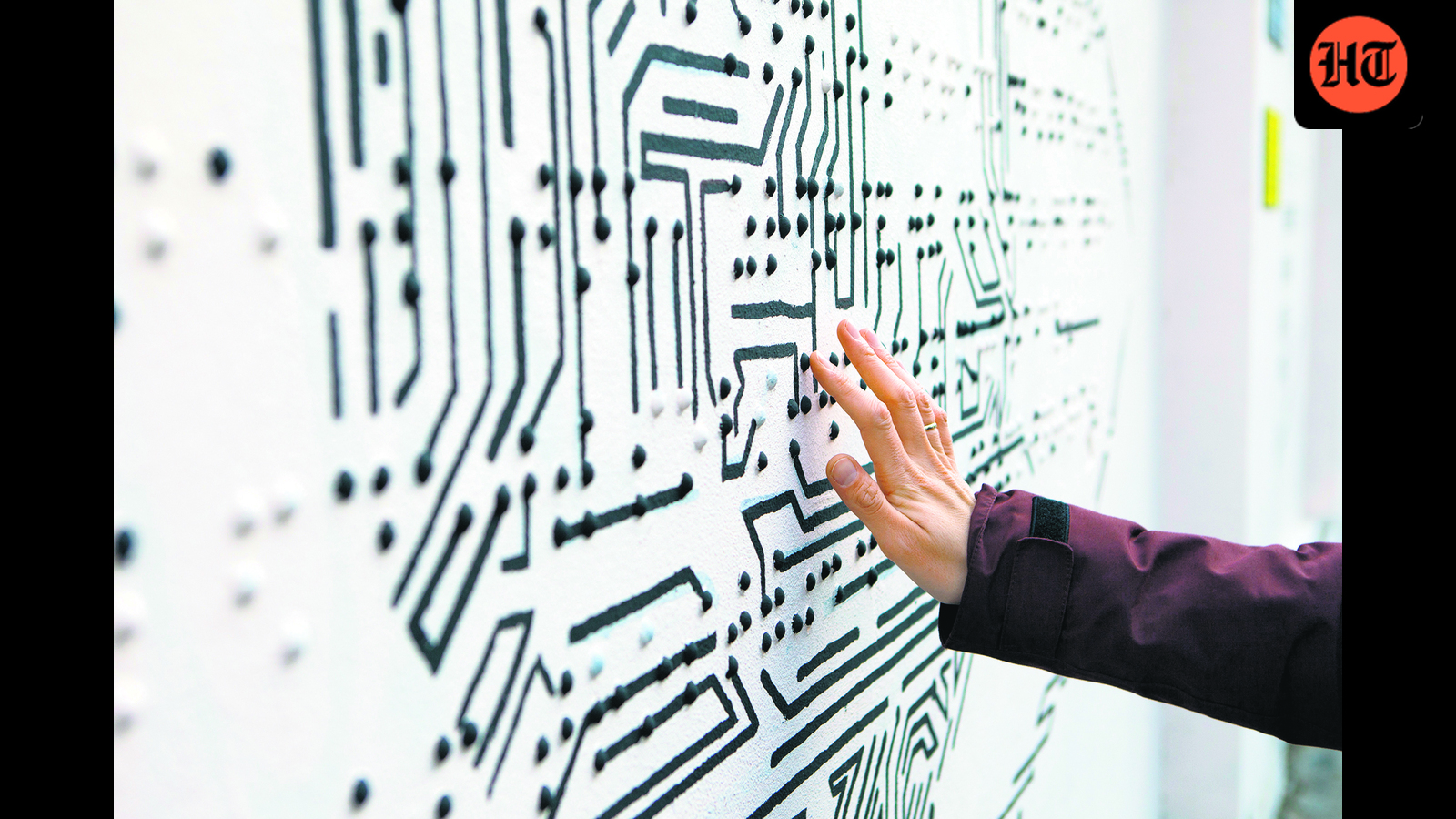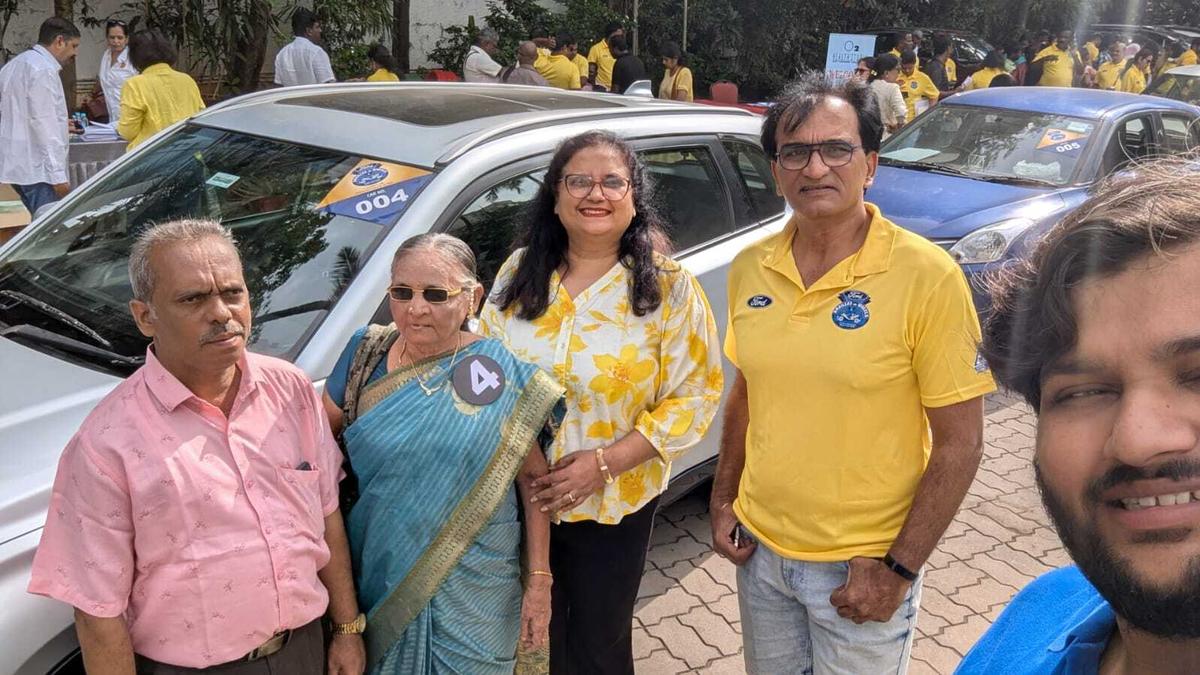
Associated with the Brailles on Wheels rally in Chennai for decades, S. Vanaja navigates not only roads with a Braille map, but also metaphorical roads in almost every aspect of her life. At a time when educators serving visually impaired youngsters are racking their brains over how to combat the “Braille literacy crisis” as they call it, this Aminjikarai resident would be a great ally to them, as she is a textbook example of why Braille works still and has retained its relevance. And that Braille literacy makes a compelling call amidst the clamour of assistive technologies. Here is her Braille worldview in sprinkles of insight.
“Braille is indispensable in mastering language-heavy disciplines.”
“Technology can fail when there is no power or no battery. But Braille will always be with you.”
Learning braille
Vanaja’s introduction to Braille began as early as her first standard at the Palayamkottai Blind School, where Braille was not an aid but the primary language of learning. Tamil Braille was taught first, followed by English Braille in second standard. The Braille textbooks used during her school years were printed and supplied by the Government Regional Braille Press in Poonamallee, which catered to government-aided blind schools across Tamil Nadu. Both Tamil and English books reached her school regularly, ensuring continuity in learning. Up to Eighth Standard, every subject she studied was available in Braille, making tactile reading central to her academic life. “Till eighth standard, everything was in Braille — textbooks, notes and lessons,” says Vanaja. In the blind school, Braille was deeply embedded into everyday classroom practice. Teachers themselves were fluent in Braille, and learning happened at a pace that allowed students to internalise spelling, sentence structure, and comprehension through touch. This environment, Vanaja believes, played a crucial role in building her confidence and literacy, especially in languages such as Tamil and English.