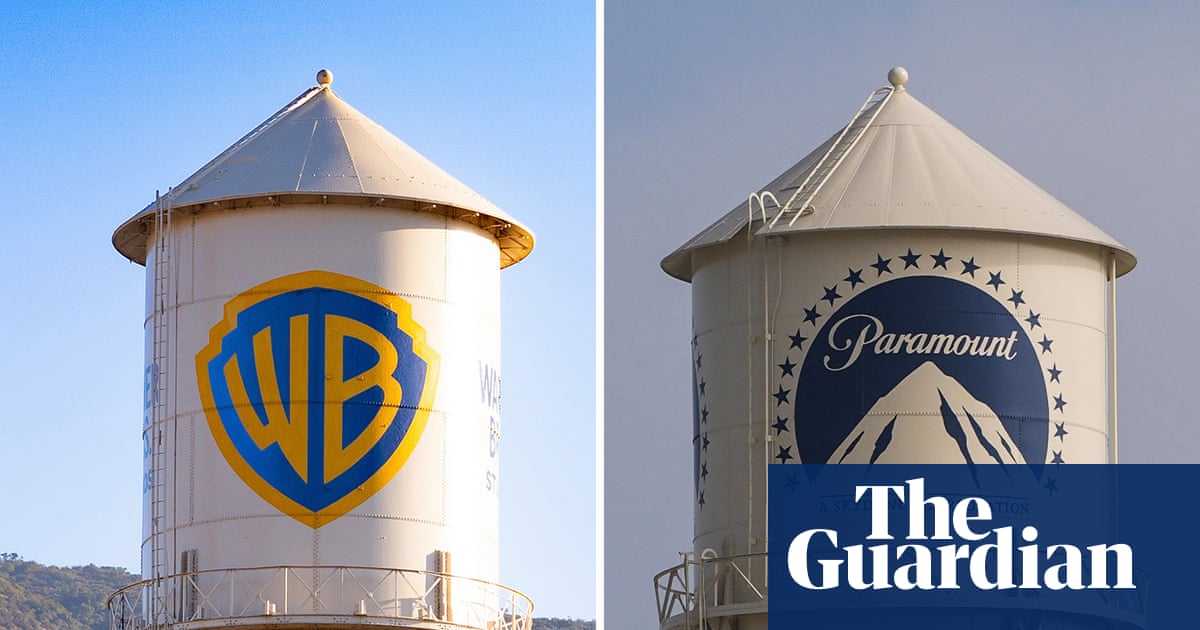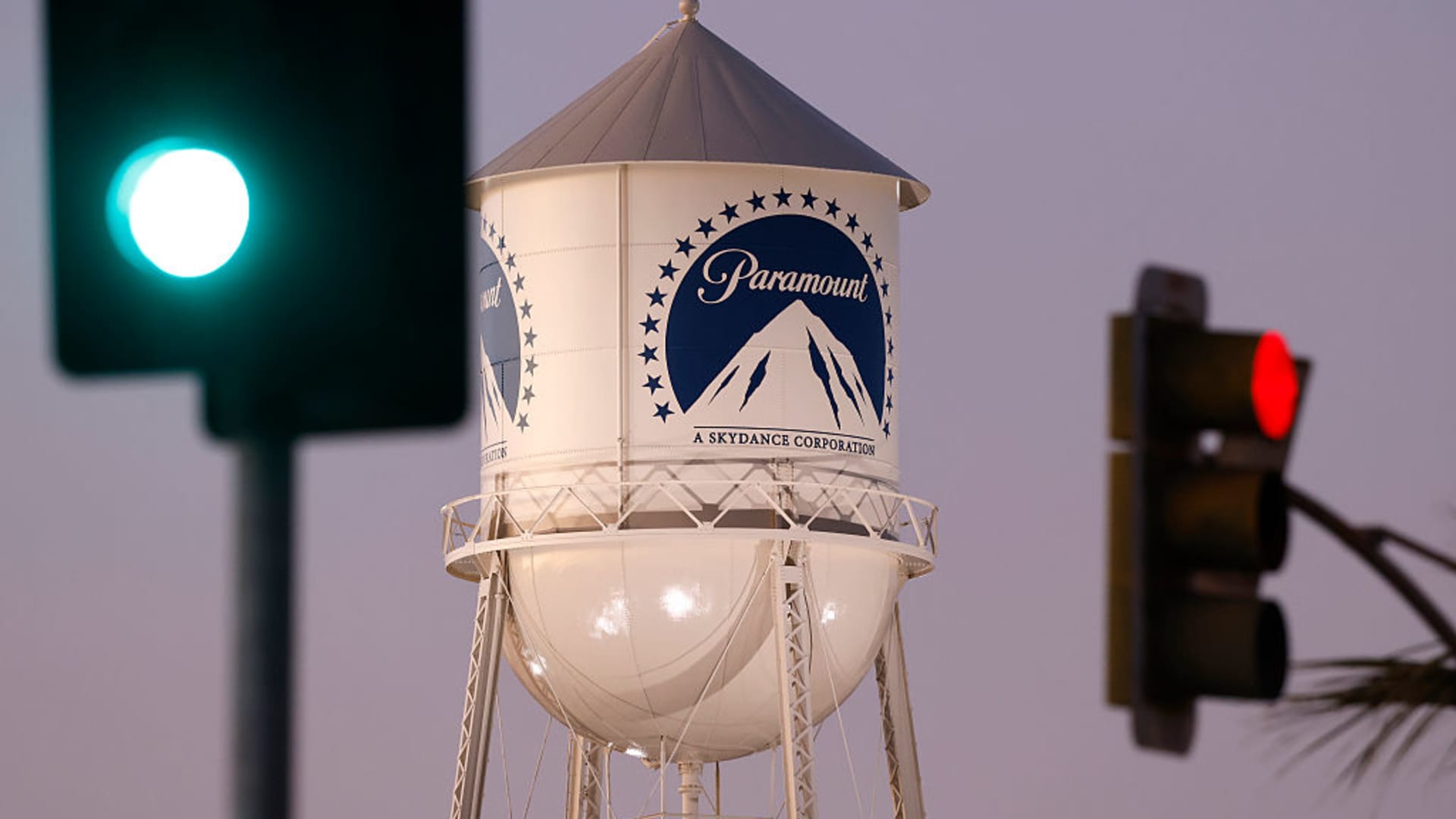
Headlines have framed the Paramount–Netflix contest for Warner Bros. Discovery (WBD) as a clash between Hollywood heavyweights — with only one bidder able to emerge victorious. That framing may miss the bigger point. The real issue is whether WBD’s Board has run a fair process and in the end will have fulfilled its most basic obligation to shareholders.
As someone who studies corporate strategy and governance for a living, I find this episode troubling not because boards occasionally choose controversial deals, but because the behavior on display reflects a deeper pattern of process failure. When boards pre-commit to a preferred outcome and then retrofit justifications for rejecting alternatives, the problem is not strategic disagreement. It is governance breakdown.
What Boards Owe Shareholders When a Company Is in Play
When fielding multiple bids, the board’s job is not to protect a vision, a management team, or a carefully engineered transaction structure. It is to maximize value for shareholders through a process that is open, rigorous, and even-handed. That does not mean the highest nominal bid must always win. But it does mean that competing offers must be evaluated seriously, negotiated in good faith, and rejected only on grounds that are material, transparent, and consistently applied.