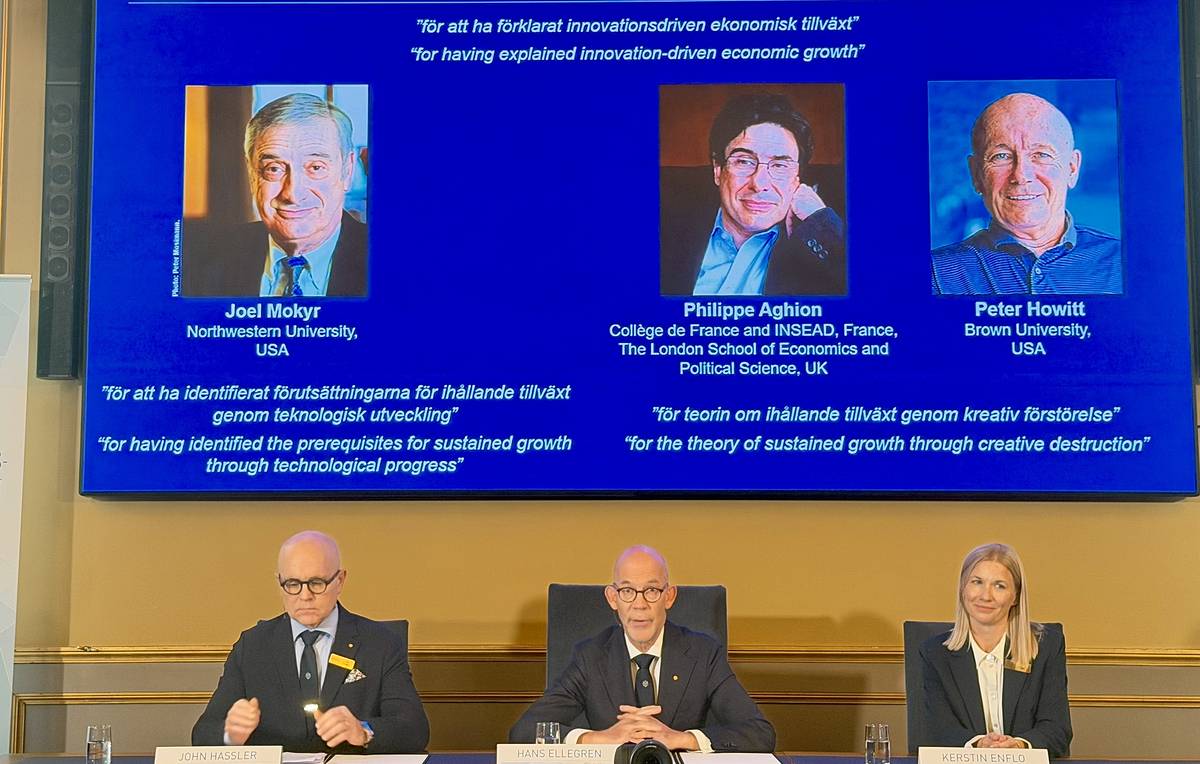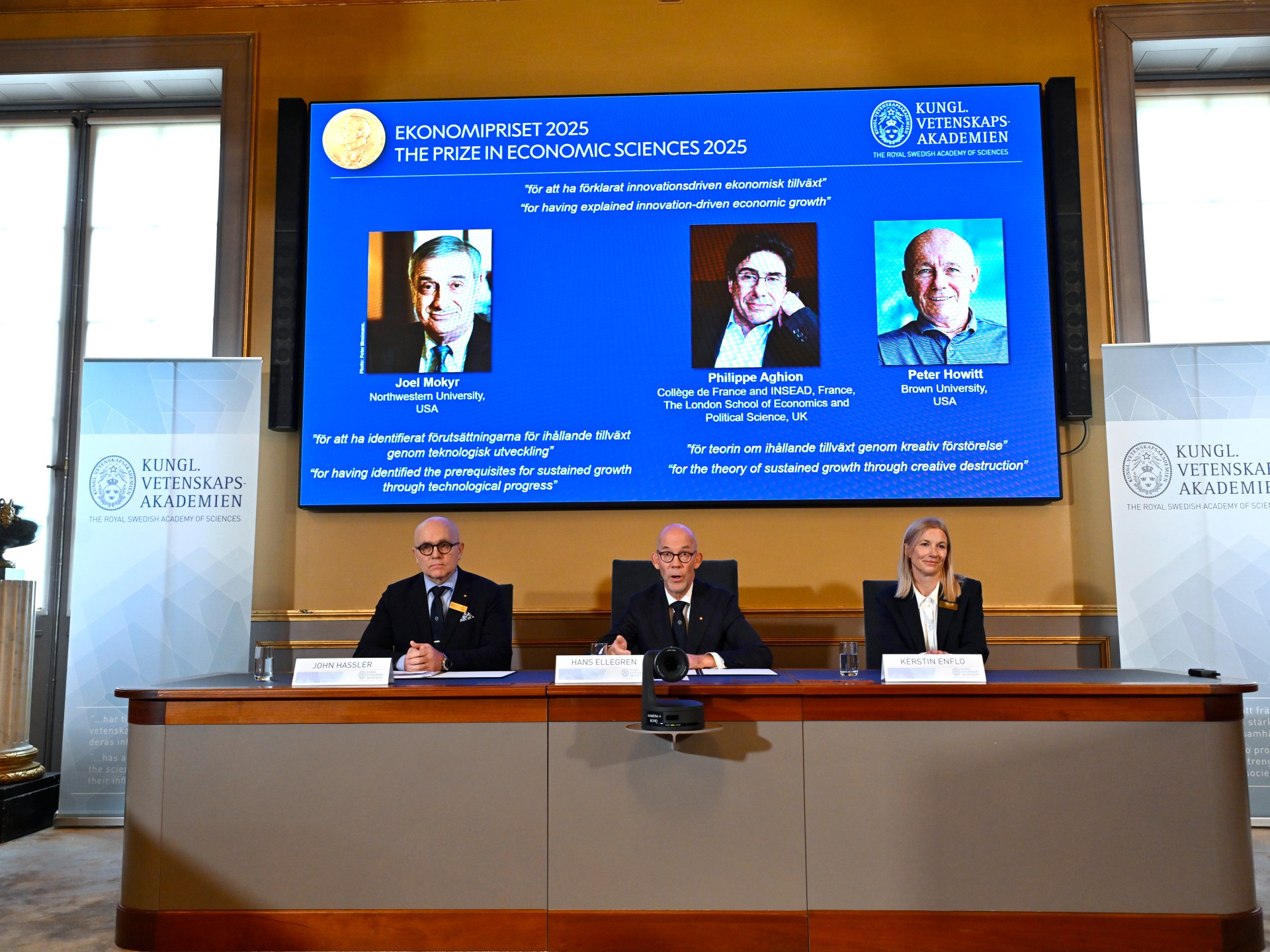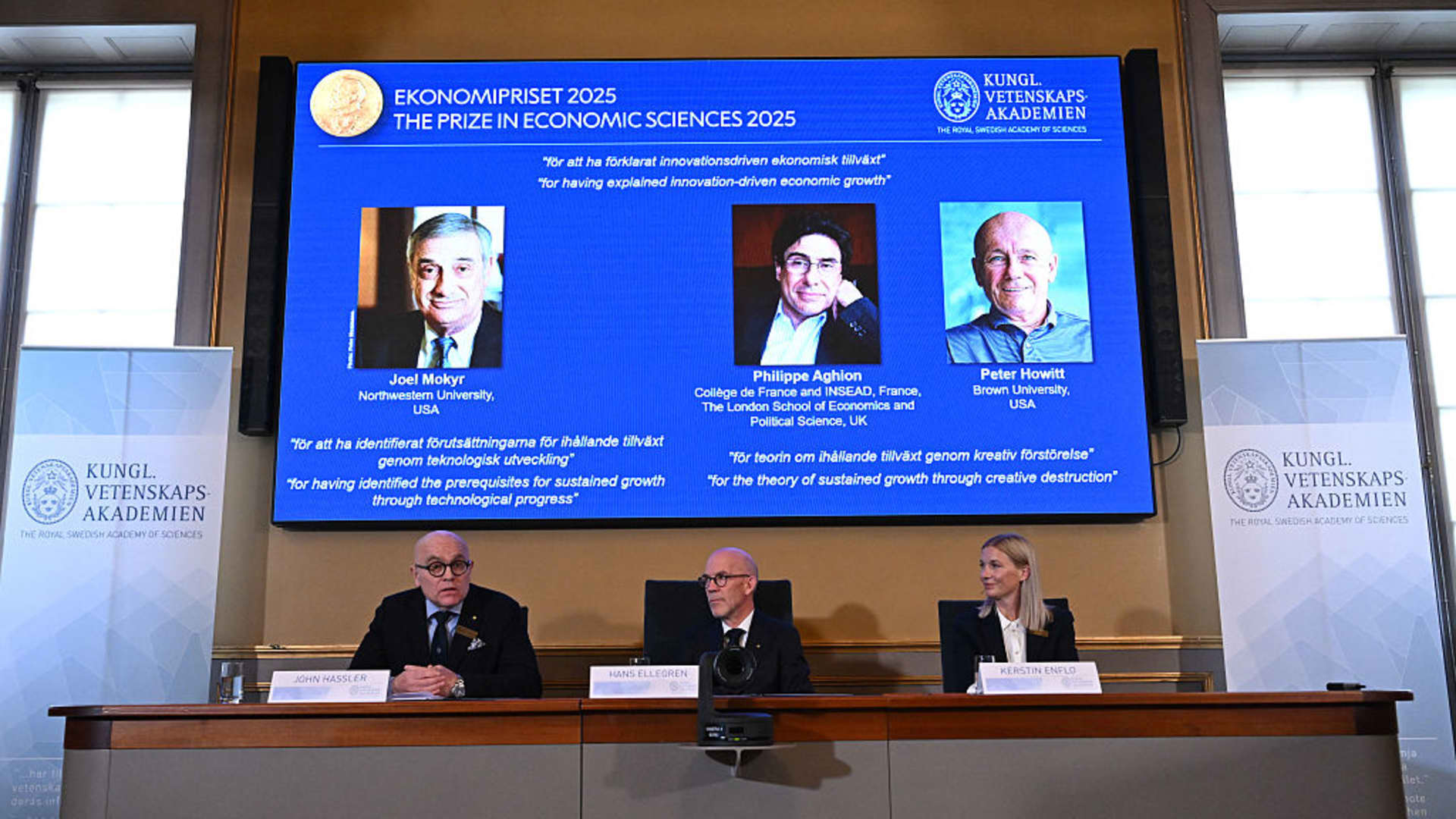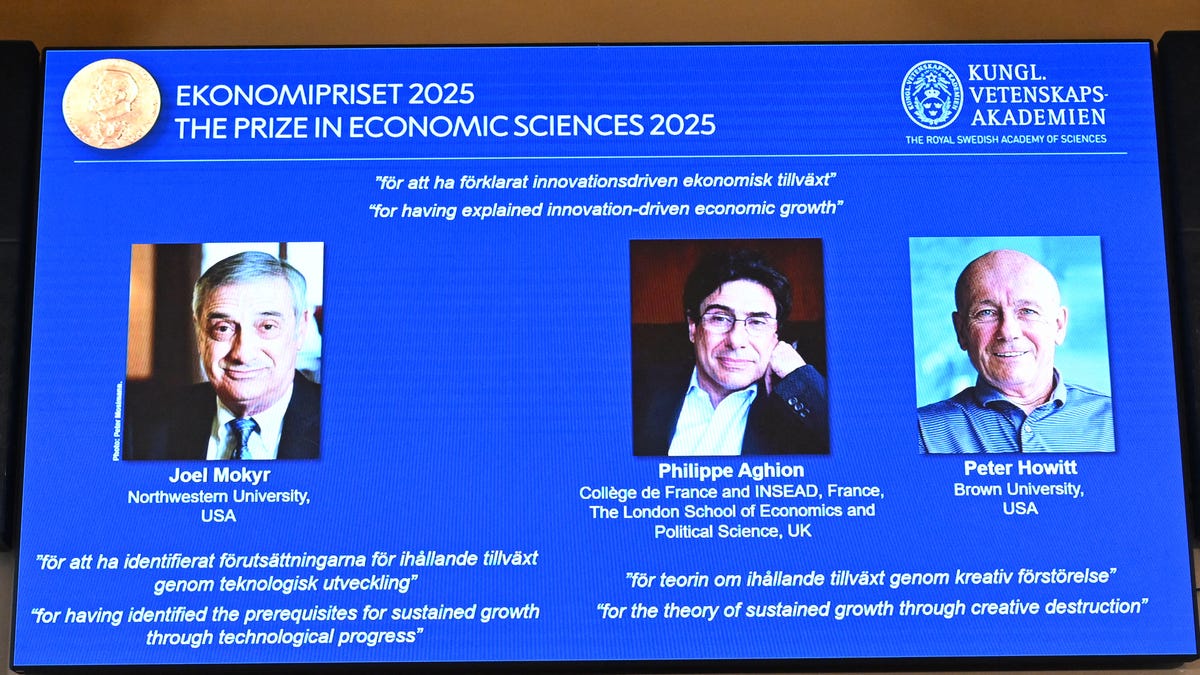
Three economists jointly won a Nobel Prize in late 2025 for their groundbreaking quantitative work analyzing how, and why, economies grow. Their math is complicated — but their conclusion is simple: to foster economic expansion, policymakers need to promote technological innovation and stoke competition between rival firms.
The surest way to foster that innovation and competition is to strengthen intellectual property rights. As two of the winners showed in a pivotal study, “product market competition and patent protection can complement each other in inducing innovation.”
These Nobel Prize winners demonstrated that strong patent systems directly fuel economic growth. In other words, patents don’t impede rival companies from developing competing products, as some activists claim. Just the opposite. IP protections incentivize firms to invest in research and development, which accelerates the discovery and commercialization of scientific and technological breakthroughs that drive economic growth.
Two of the prizewinners in particular — Philippe Aghion, a professor at College de France and INSEAD, arguably Europe’s leading business school, and Peter Howitt, a professor at Brown University — significantly focused their research on quantifying the growth that results from “creative destruction,” the long-documented phenomenon in which firms fiercely compete to build better products and win market share.