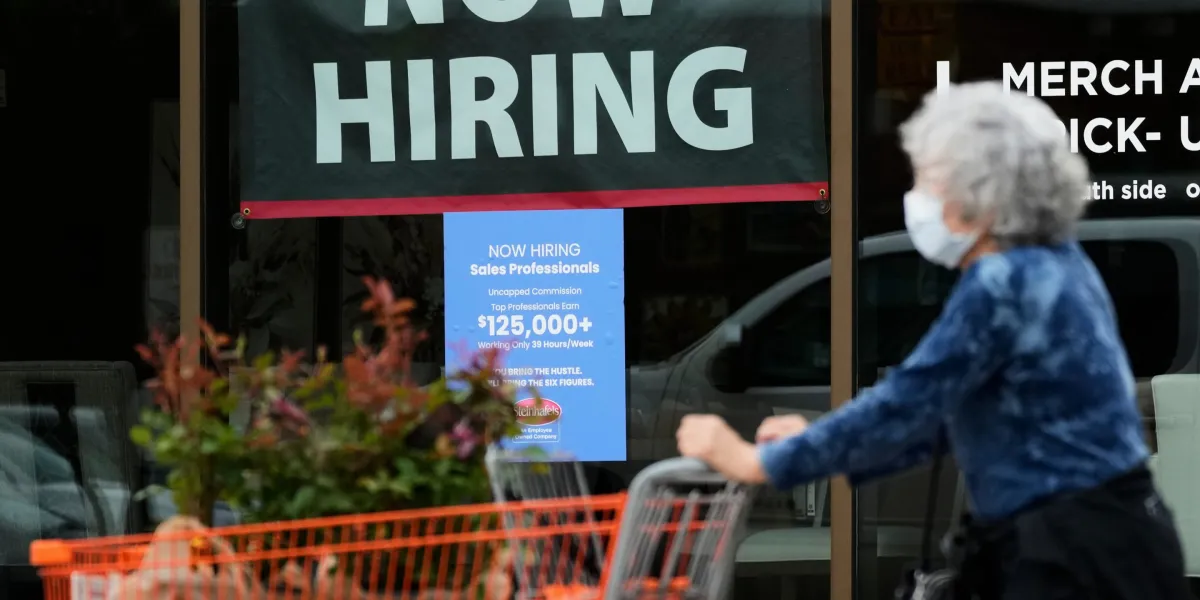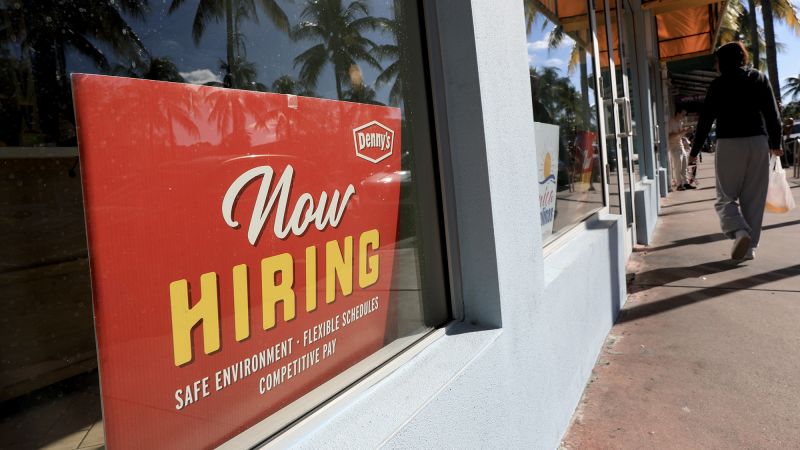
Without hiring from the health care and social assistance industries, the U.S. economy lost jobs in 2025—an uncomfortable reality hidden beneath modest payroll gains and an improved unemployment rate.
Nonfarm payrolls rose by 50,000 in December, while the unemployment rate edged down to 4.4%, the U.S. Bureau of Labor Statistics reported Friday. But the December gain did little to change the broader picture: employers added just 584,000 jobs in all of 2025, a sharp decline from 2 million jobs in 2024. It was the weakest year for job growth outside of a recession since the early 2000s, Heather Long, chief economist at the Navy Federal Credit Union, told Fortune.
“This really caps off a year of anemic job gains,” Long said shortly after the report came out. “It’s fair to call this a hiring recession or a jobless boom.”
Markets initially reacted positively to the report but later gave up gains. The S&P 500 was flat and Nasdaq inched up slightly lower. Bond yields were little changed, suggesting investors saw the report as weak but not weak enough to force the Federal Reserve into near-term rate cuts.
Yet under the hood of a relatively stable unemployment rate, the composition of the job growth remains starkly narrow. Nearly all of last year’s net job creation came from health care and social assistance, sectors that rely heavily on government funding. According to Long, roughly 85% of all jobs added in 2025 were created by April, with little momentum afterward.