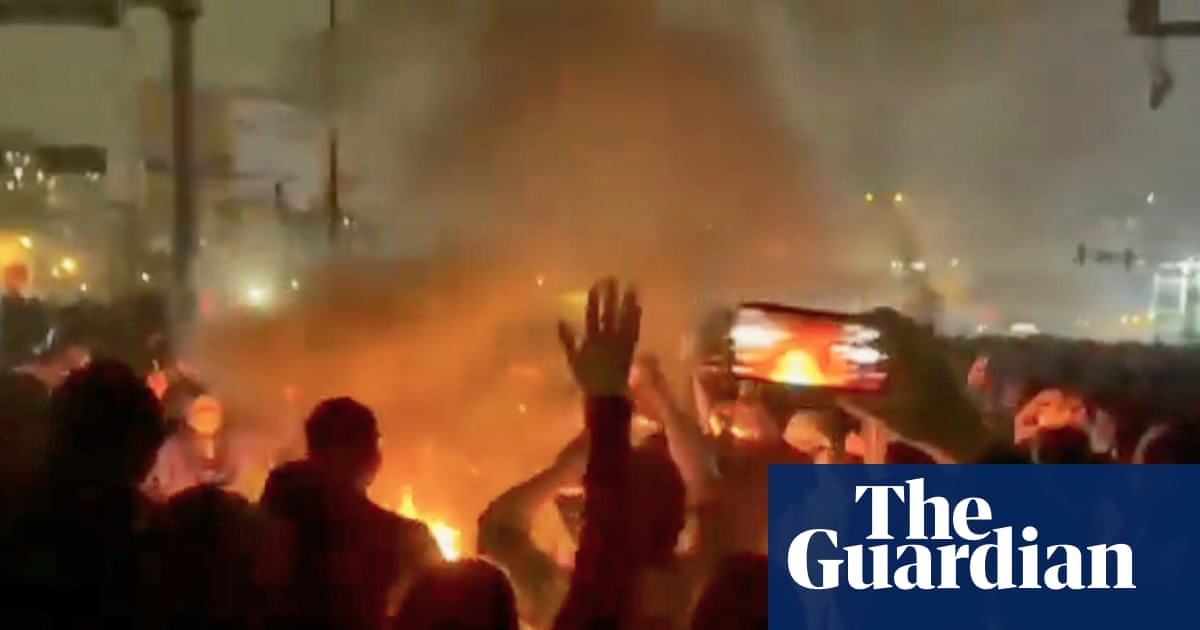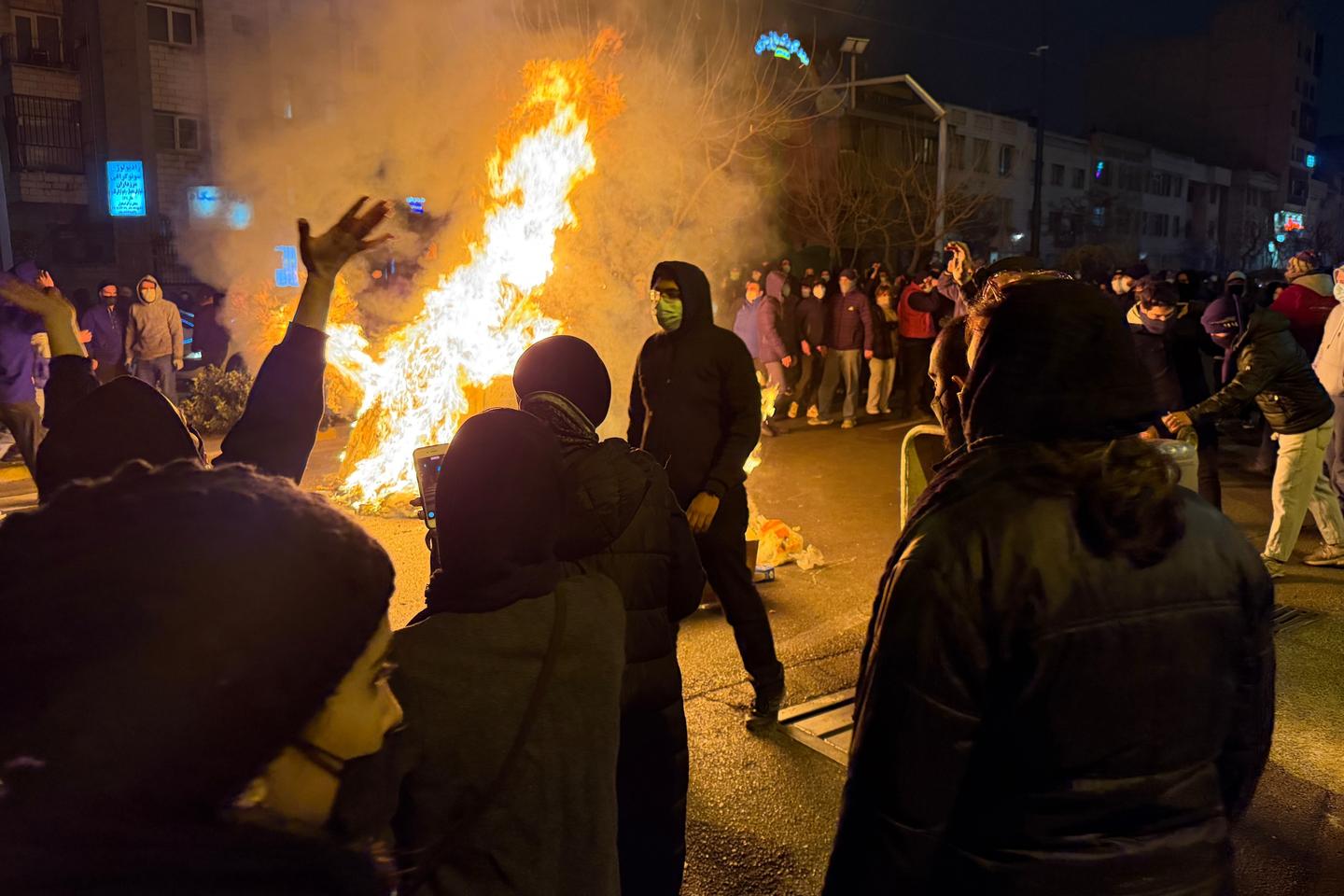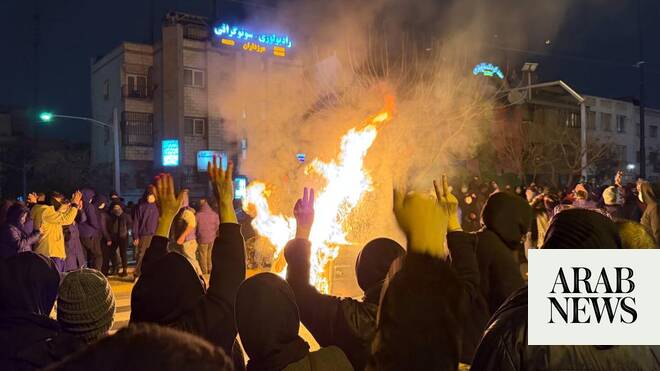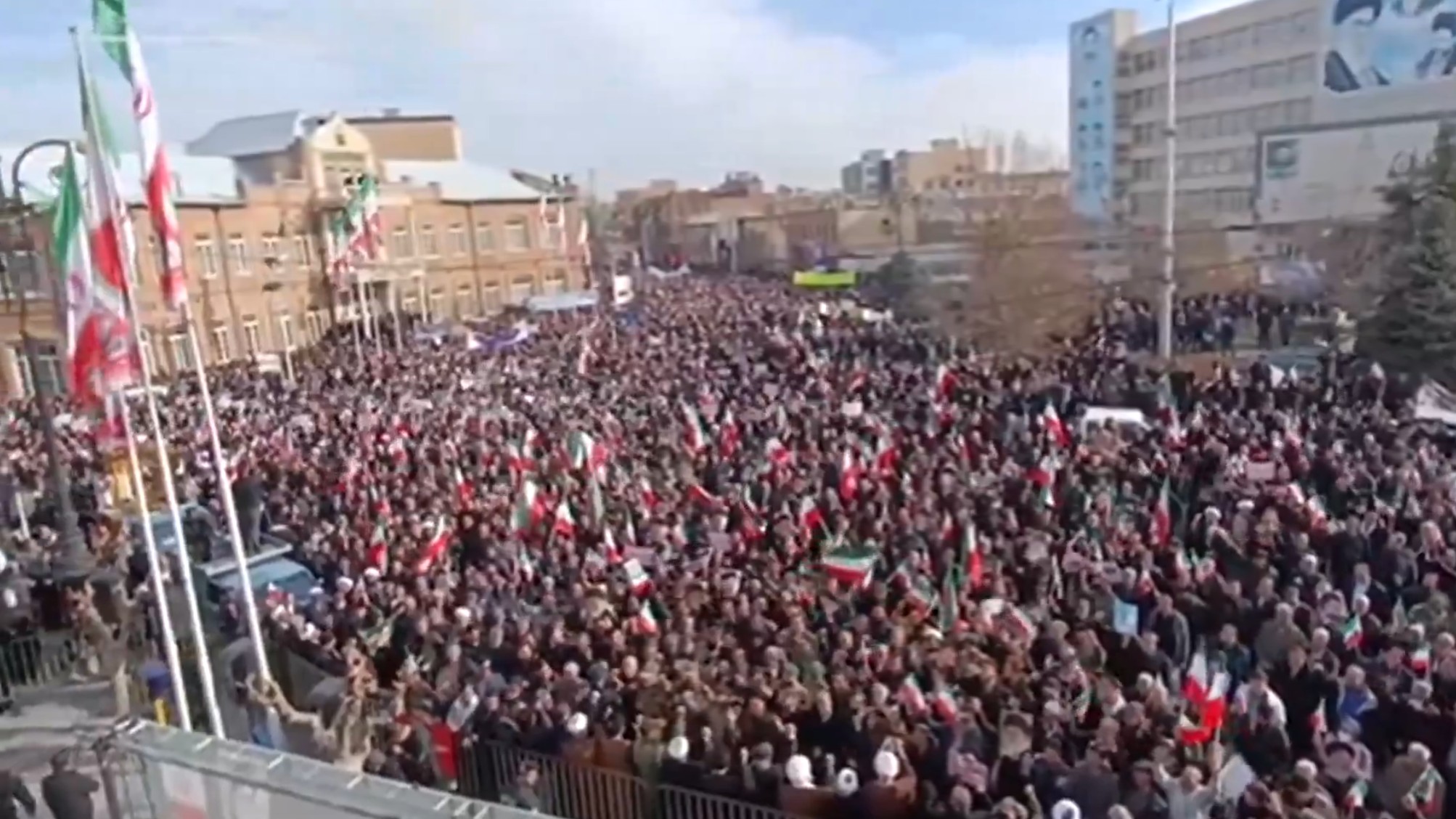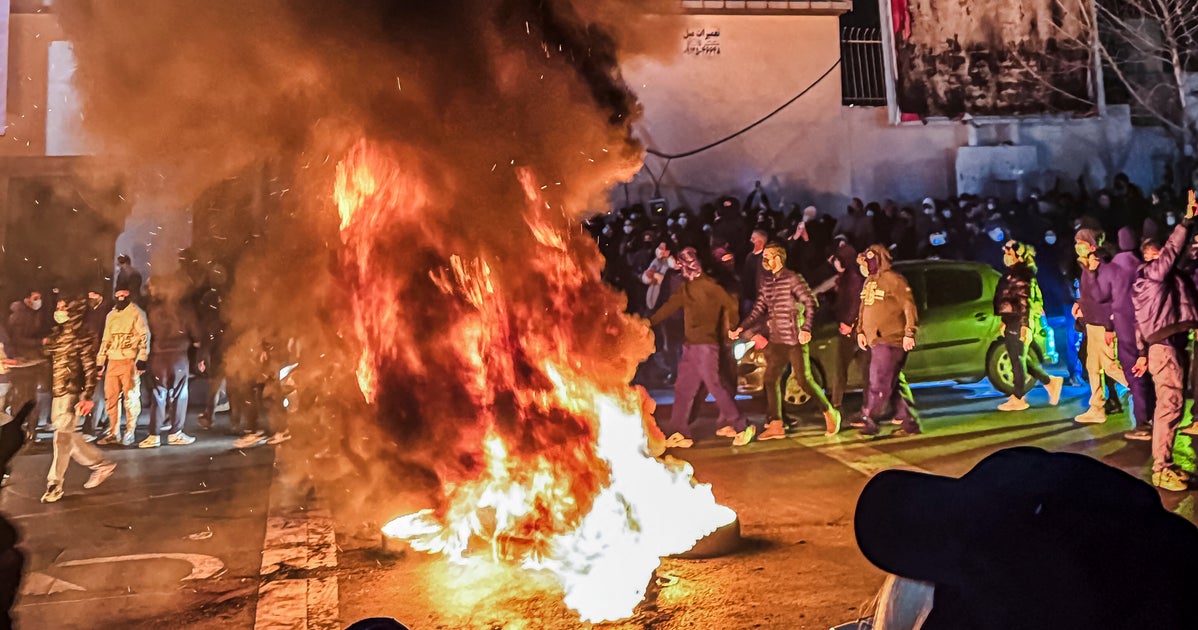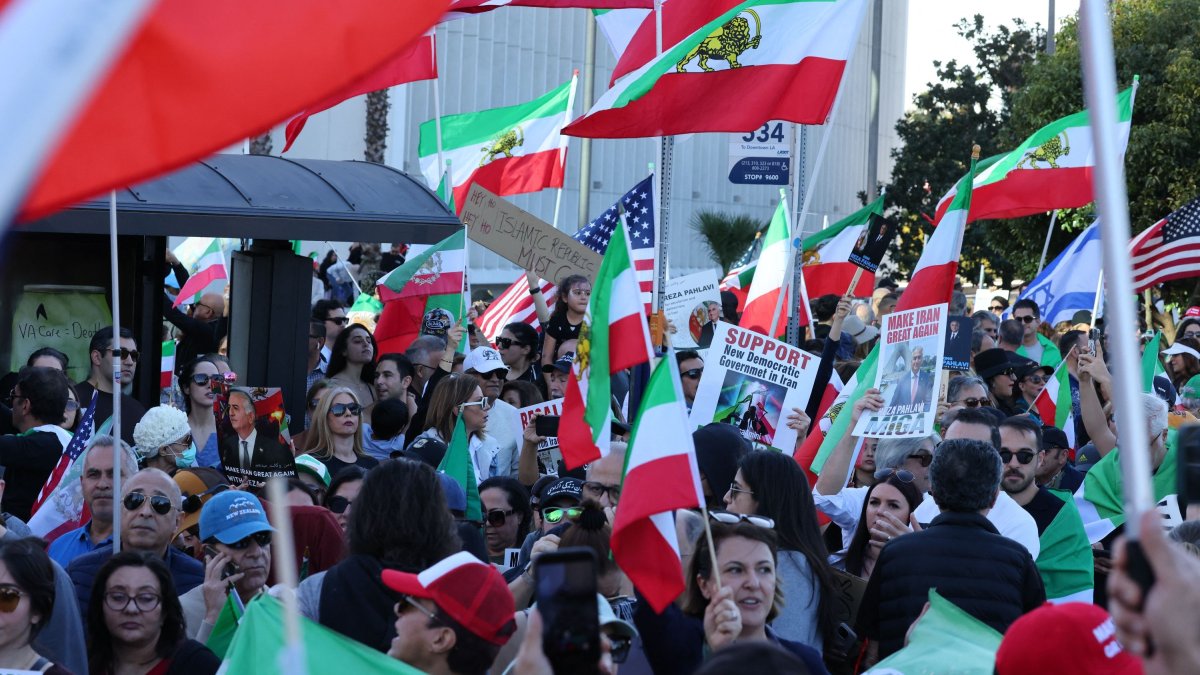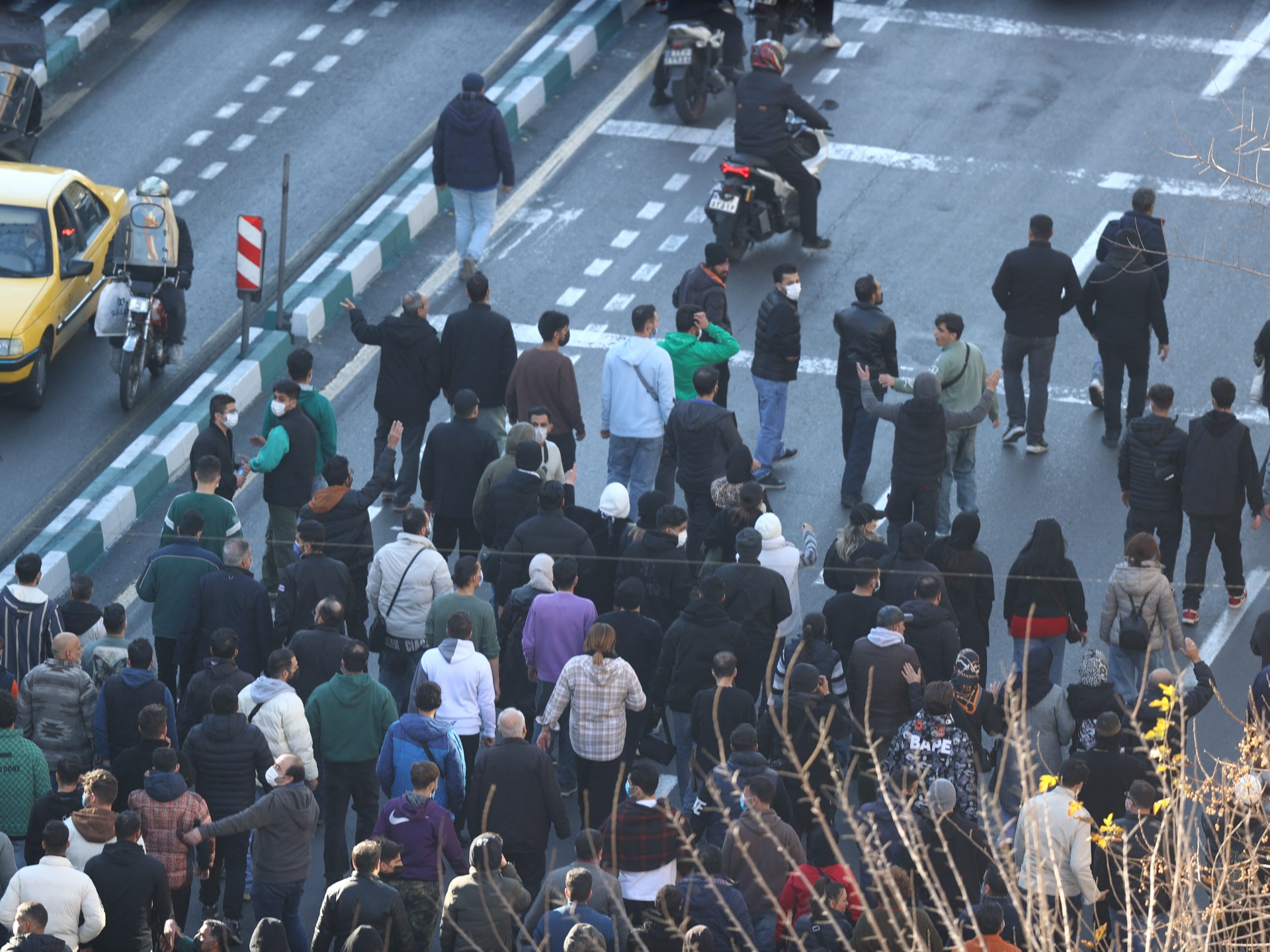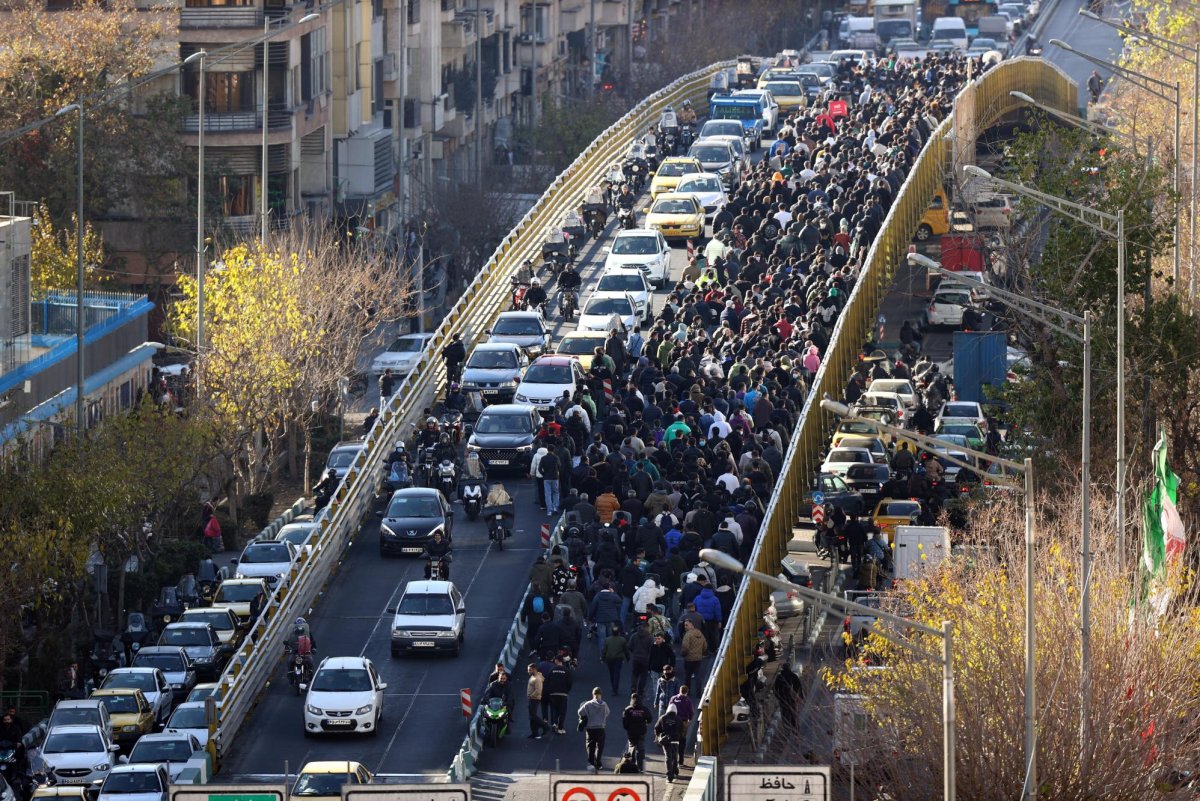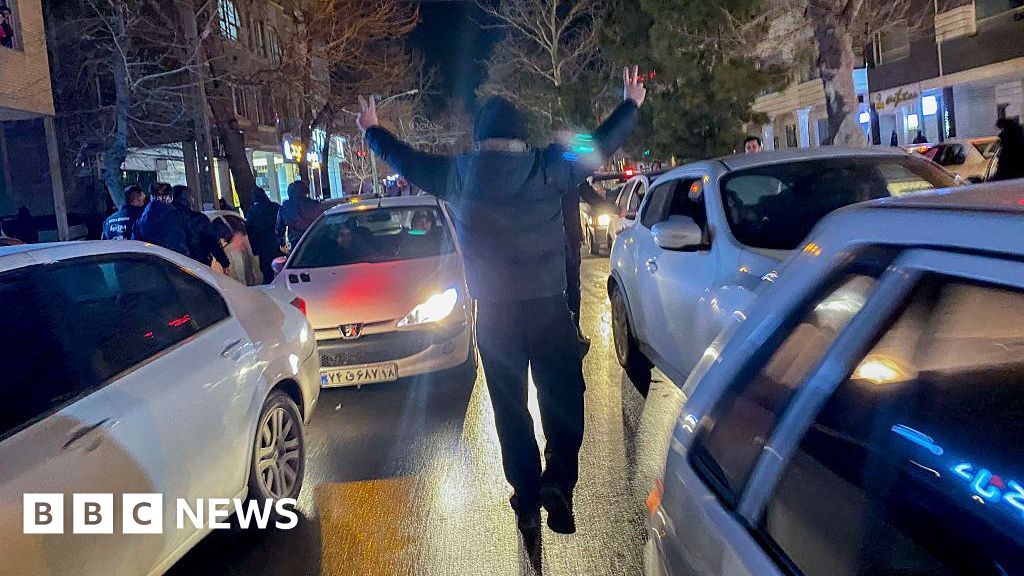
Tehran has witnessed its largest anti-government demonstrations in decades, as protests swept through dozens of districts across the capital and its wider metropolitan area of nearly 16 million people.
For several hours there on Thursday night, security forces appeared unusually restrained. In areas where crowds were especially large, police and security units largely avoided direct confrontation, raising questions about whether the authorities were deliberately holding back.
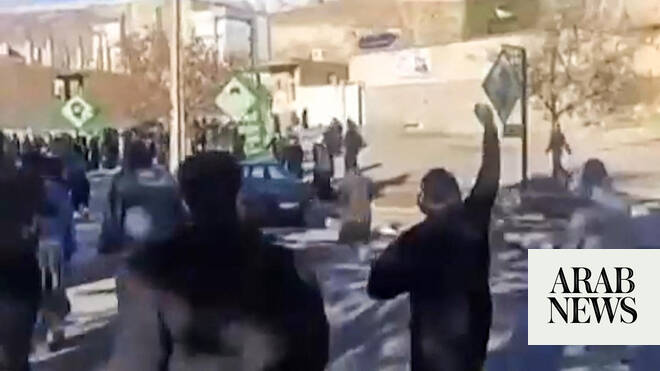
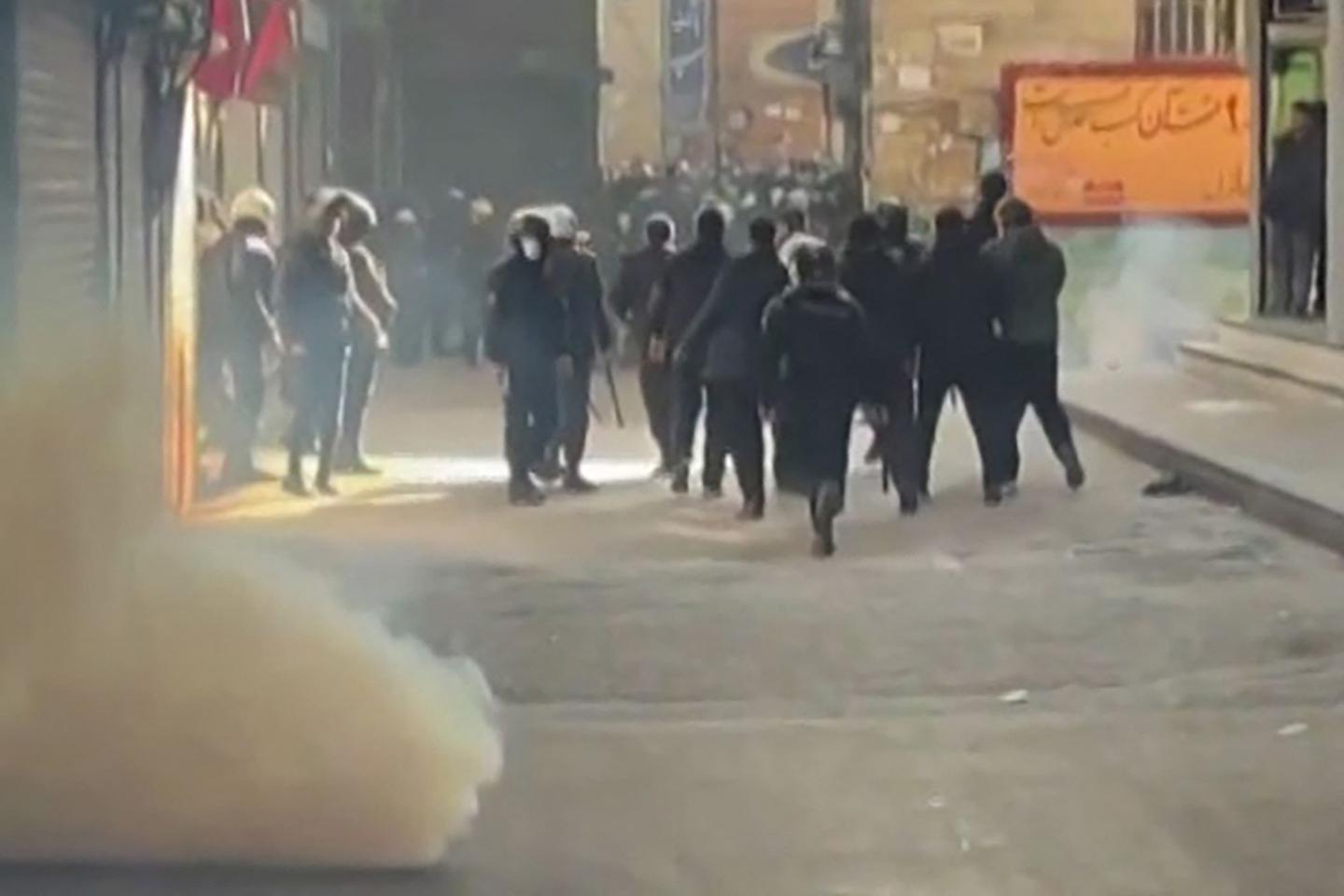
That restraint, however, appears selective and strategic rather than absolute. While Tehran has seen a comparatively cautious approach, reports from smaller cities and provinces around the country tell a far more violent story.
According to multiple Iranian human rights organisations, including the Germany-based Kurdish Iranian human rights group Hengaw and US-based Human Rights Activist News Agency (Hrana), more than 40 people have been killed since the protests began nearly two weeks ago.
BBC Persian's verification team has confirmed the identities of at least 21 victims through interviews with relatives, many of whom were killed in Lorestan and Kurdish-majority regions of Illam and Kermanshah provinces. Video evidence obtained by the BBC shows security forces firing directly at protesters. At least four security forces have also been killed.