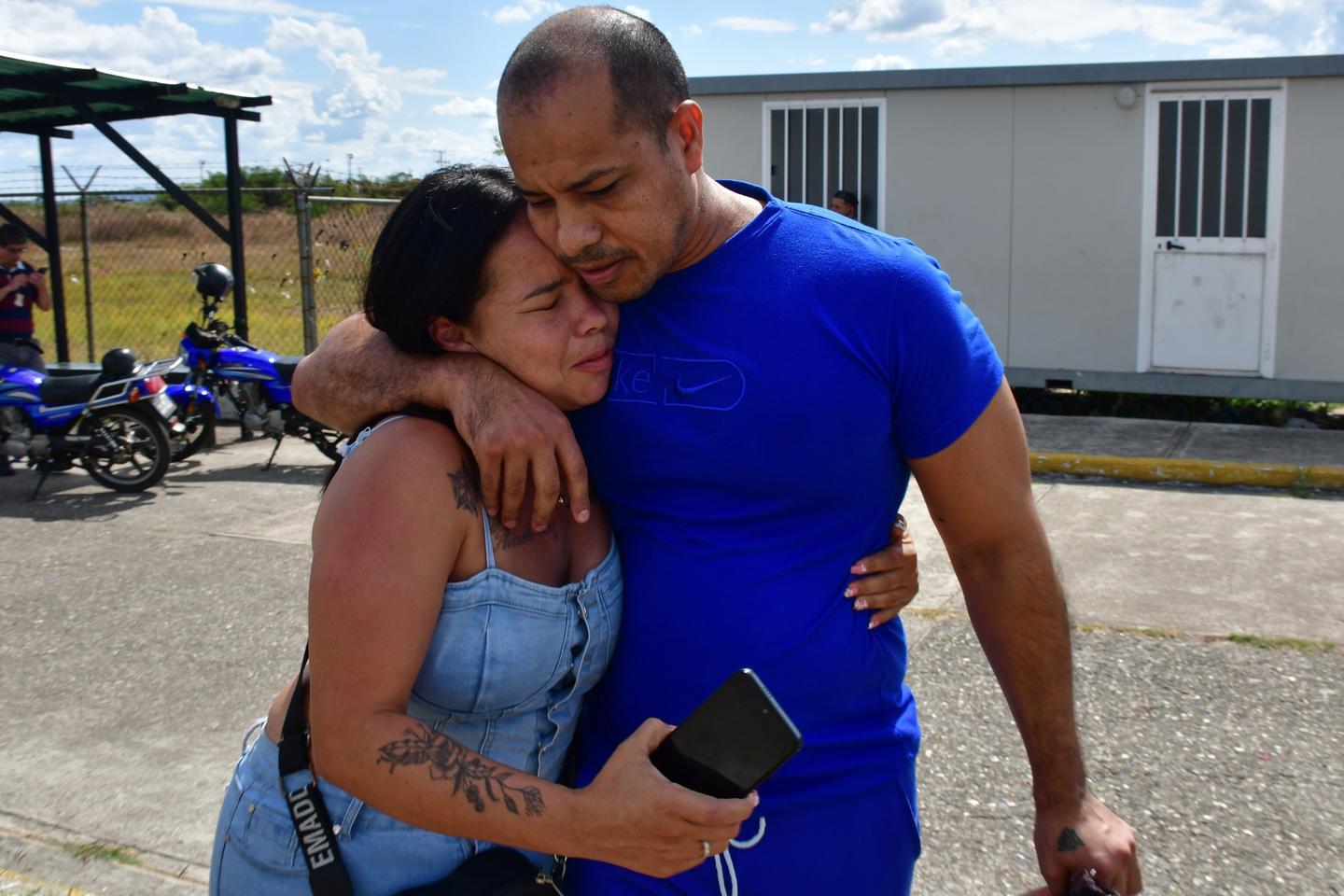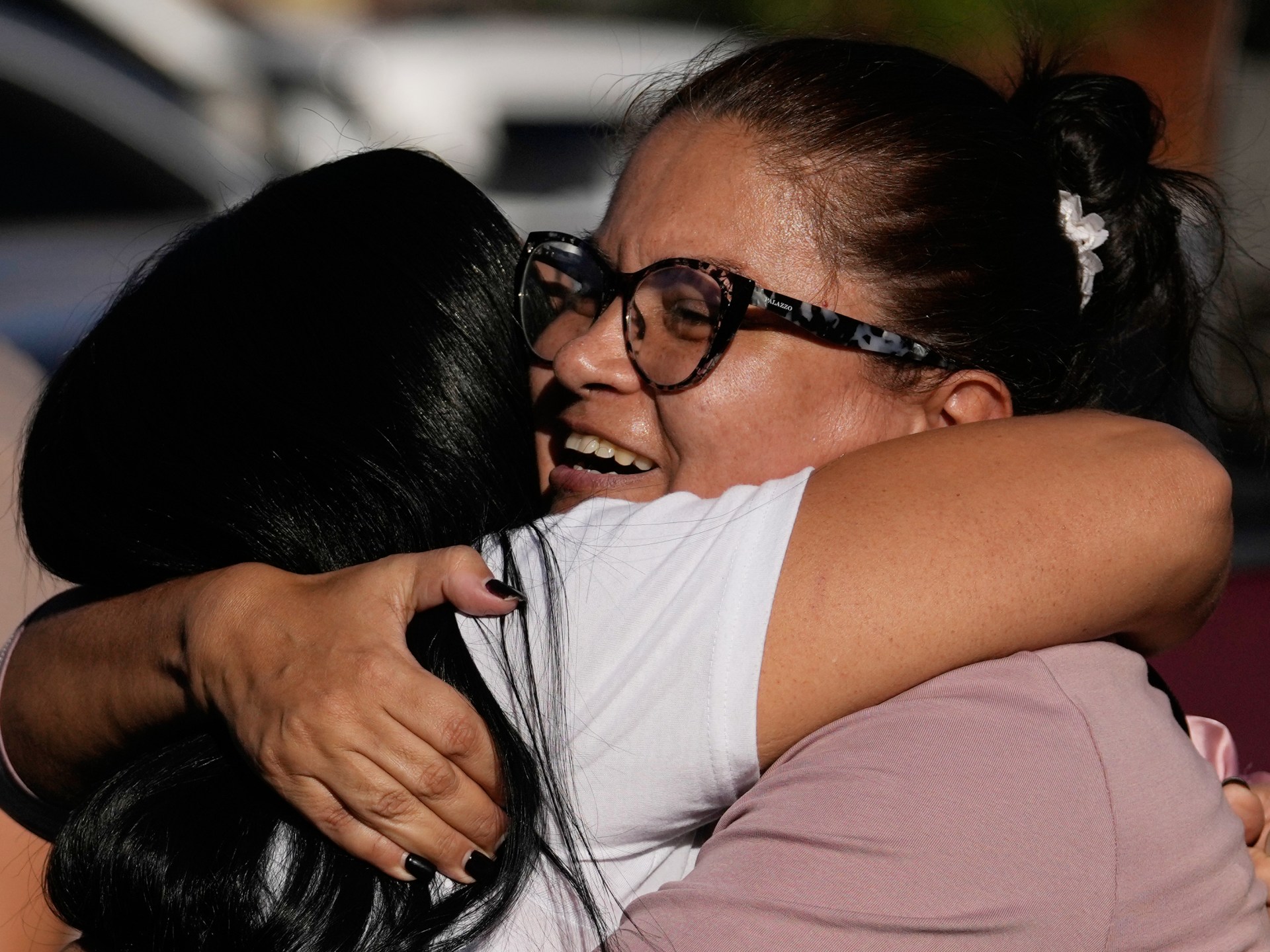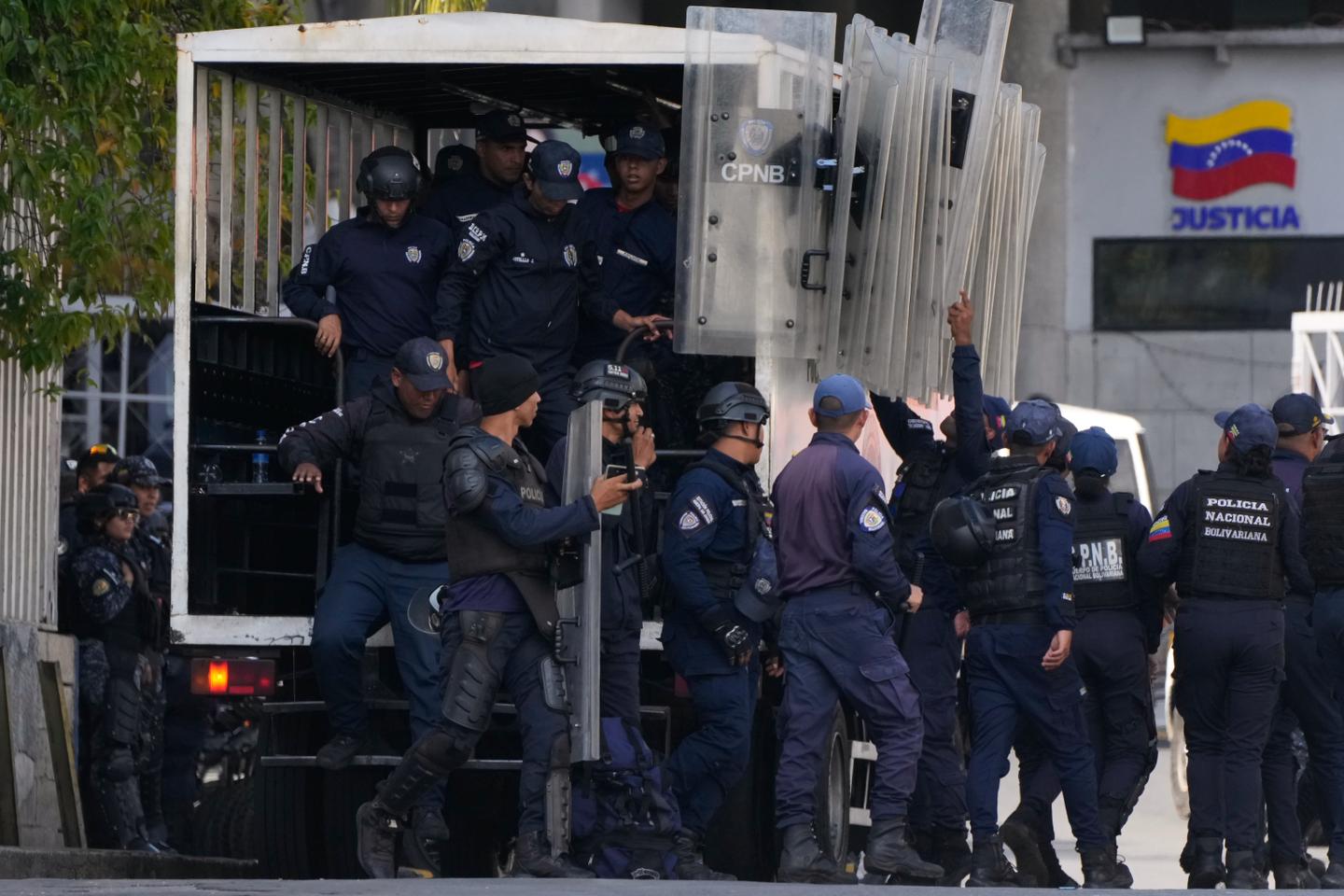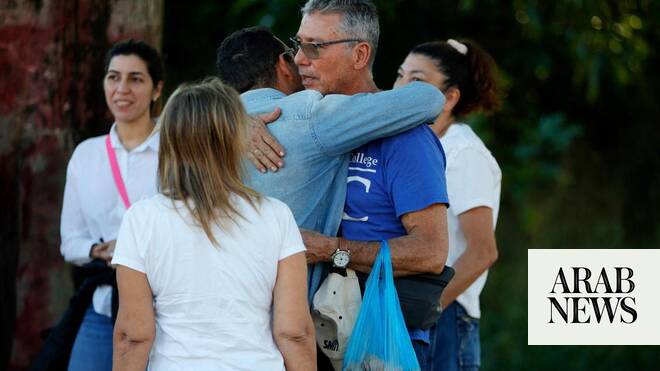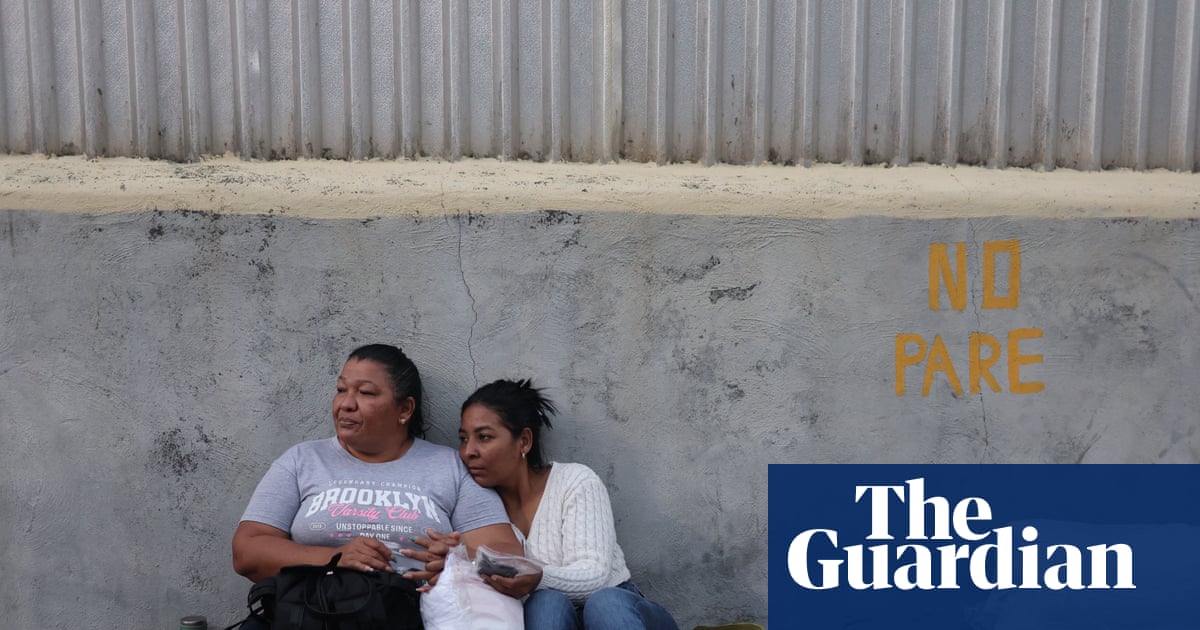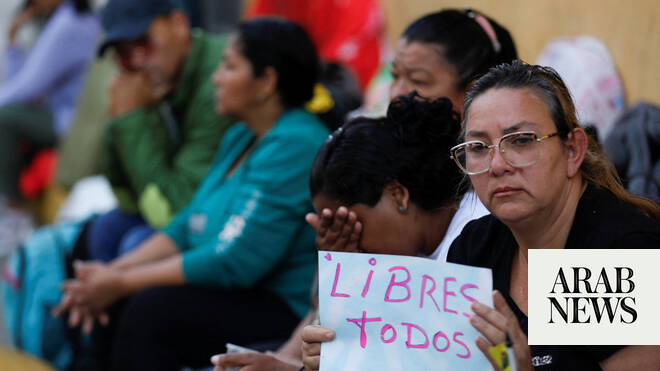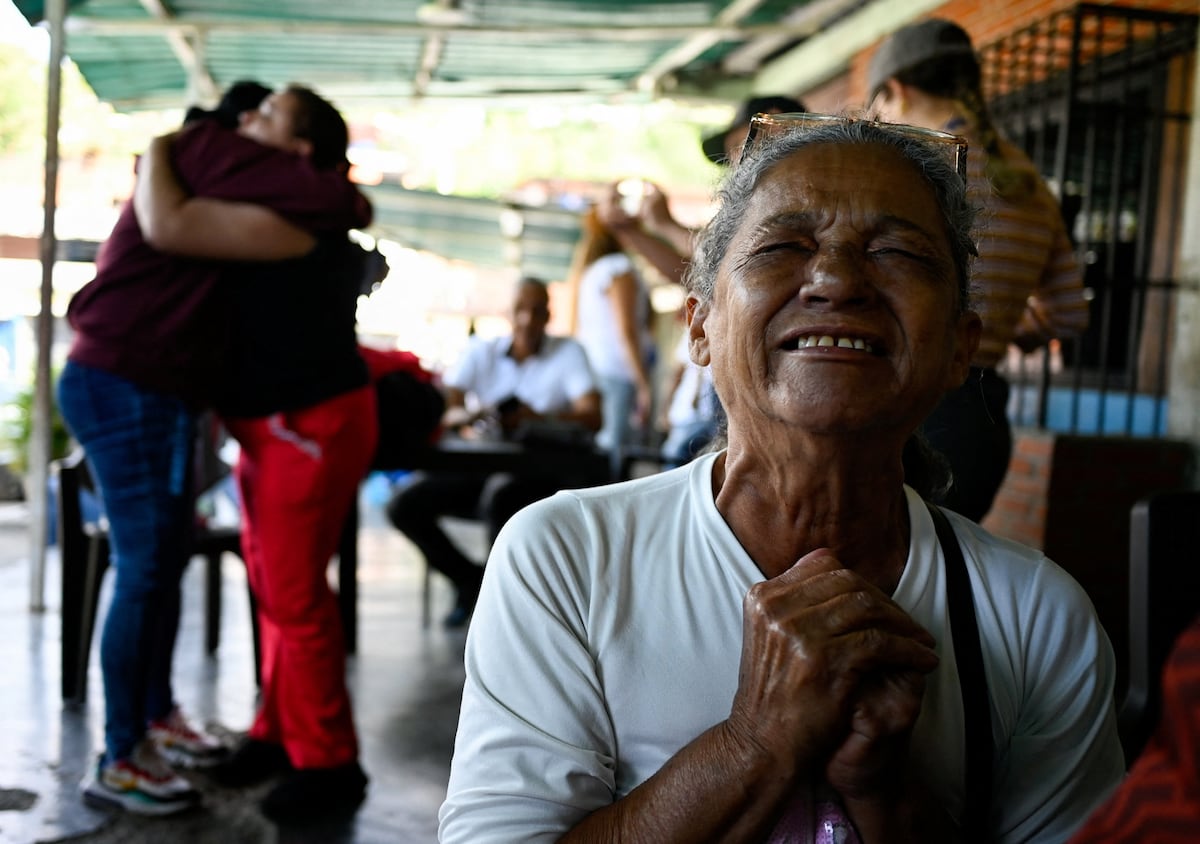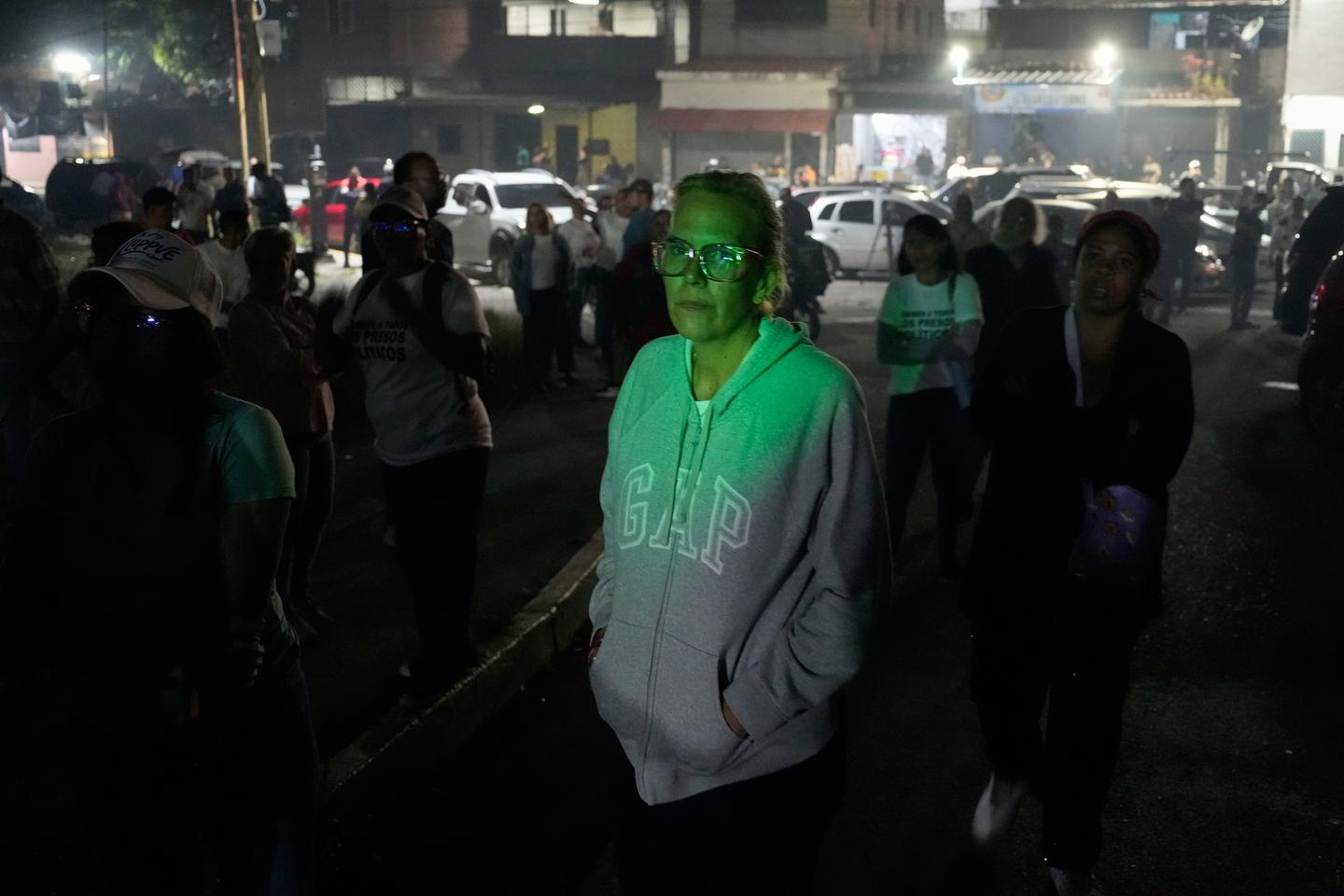
Mariana Gonzalez, daughter of former presidential candidate Edmundo Gonzalez Urrutia, waited outside the prison where her husband was being held in Caracas, January 8, 2026. MATIAS DELACROIX/AP
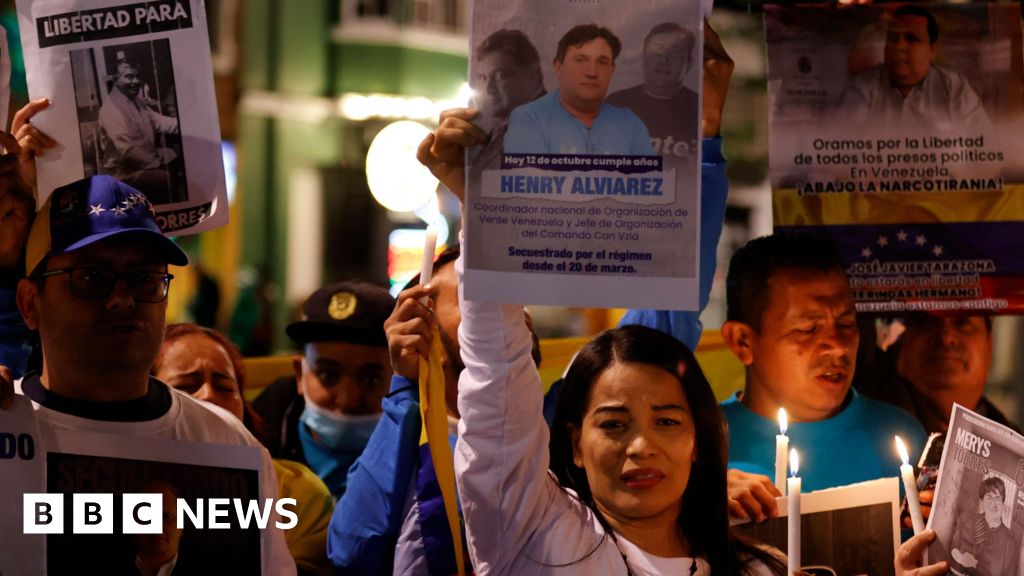
Was this an initial sign of increased openness from the Venezuelan government or simply a mere consolation prize for those who have demanded a democratic transition in the country? On Thursday, January 8, five days after Venezuelan President Nicolas Maduro and his wife, Cilia Flores, were abducted by United States special forces in a military operation that, according to Caracas, left more than 100 people dead, the Venezuelan government announced the release of "a significant number of Venezuelan and foreign nationals."
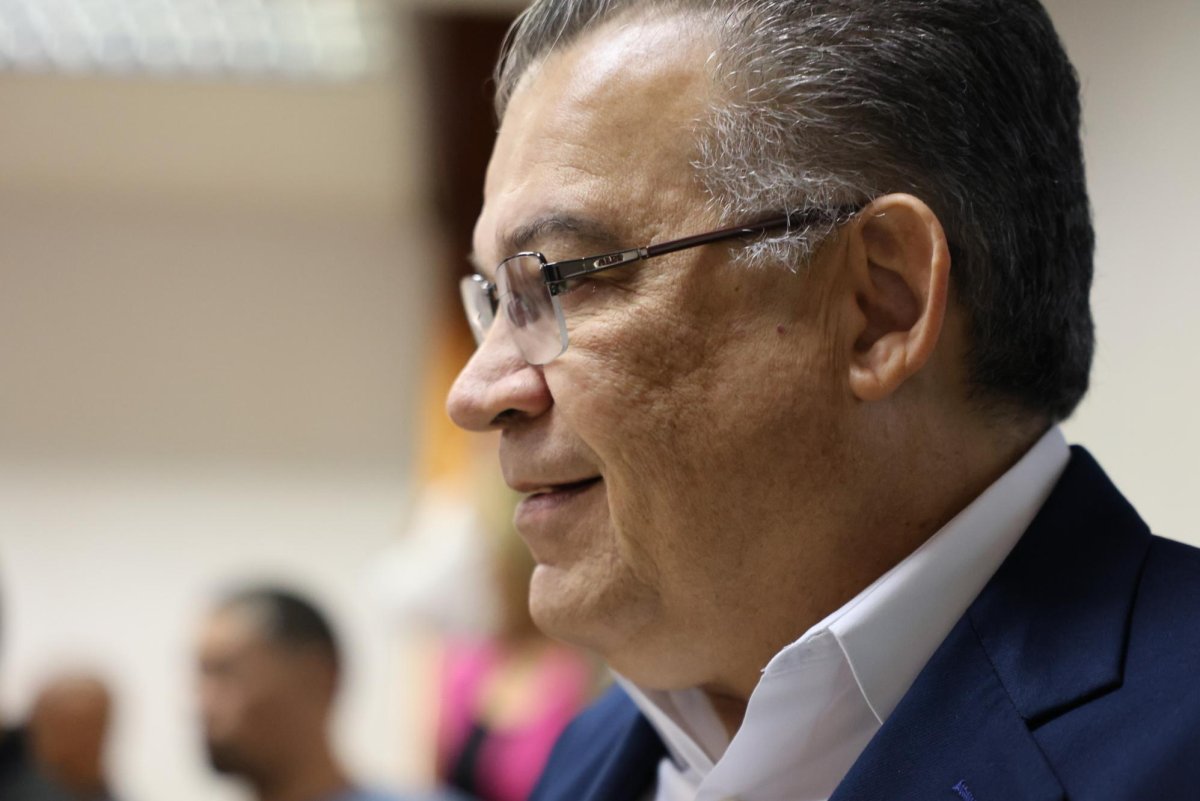
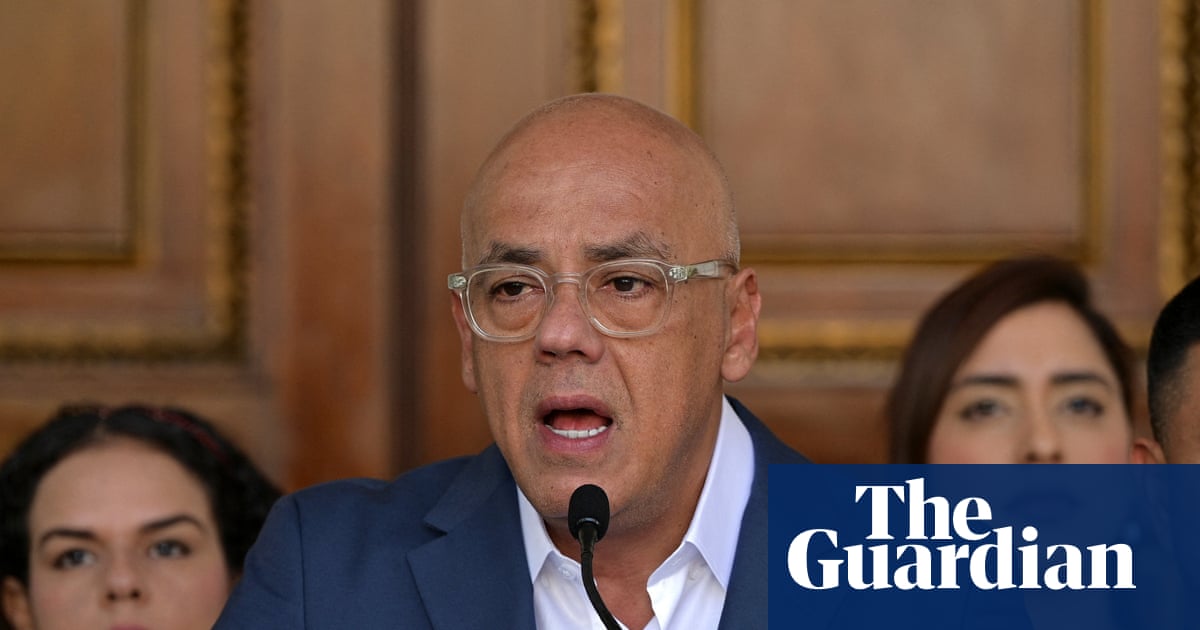
In announcing the news on Thursday morning, Jorge Rodriguez, president of the National Assembly, specified that this was "a unilateral gesture by the Bolivarian government, to reaffirm our decision to consolidate peace." The decision came at a time when opposition parties expressed outrage over the continued hold on power of Maduro loyalists.
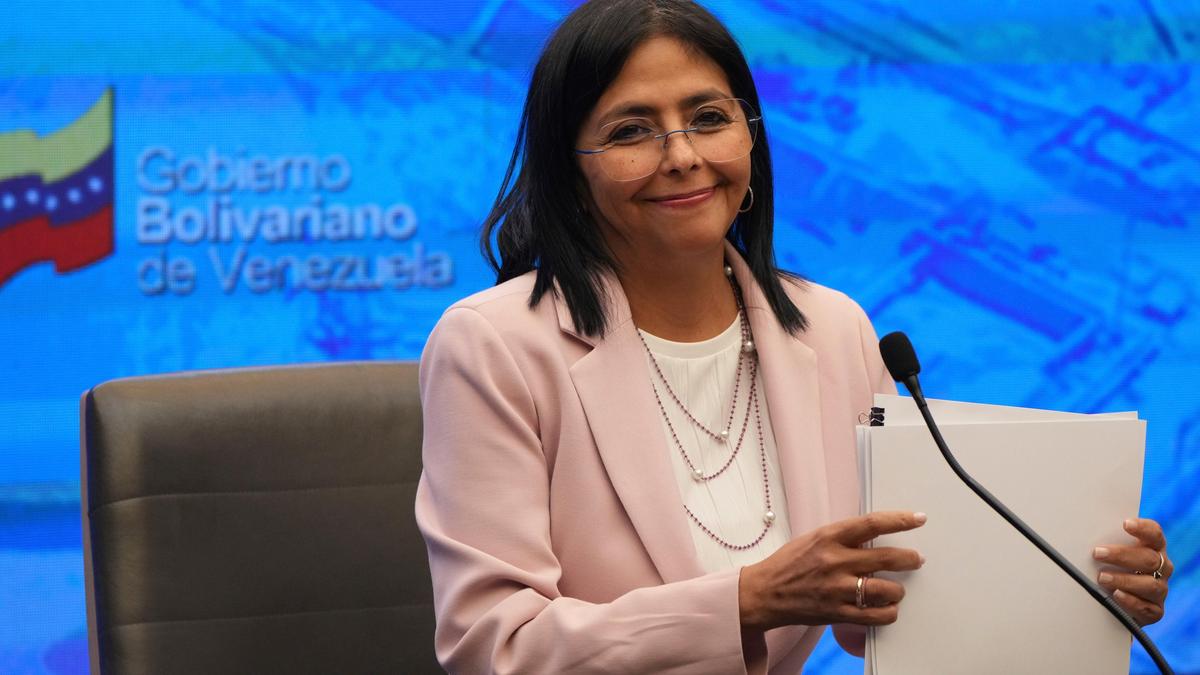
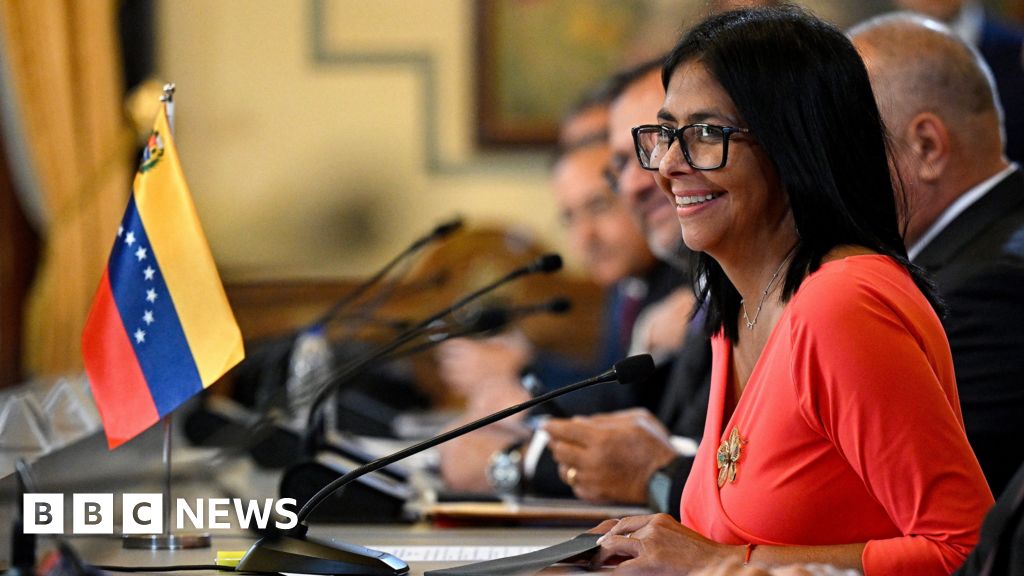
Rodriguez is the brother of Delcy Rodriguez, the new interim president of Venezuela. The release process was "currently underway," he said, without revealing the number of prisoners to be released or their identities. Names were shared on social media throughout the day, though human rights organizations urged caution.