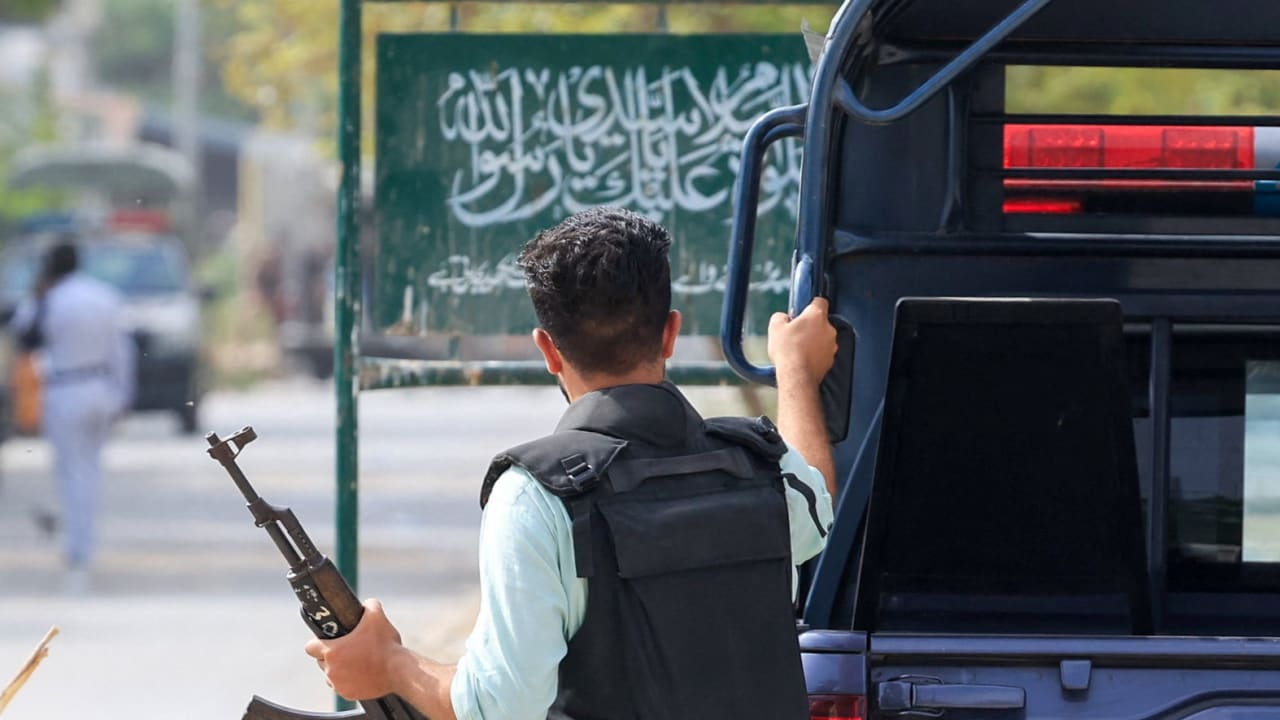
BANNU, Pakistan: On a quiet morning last July, Constable Hazrat Ali had just finished his prayers at the Miryan police station in Pakistan’s volatile northwest when the shouting began.
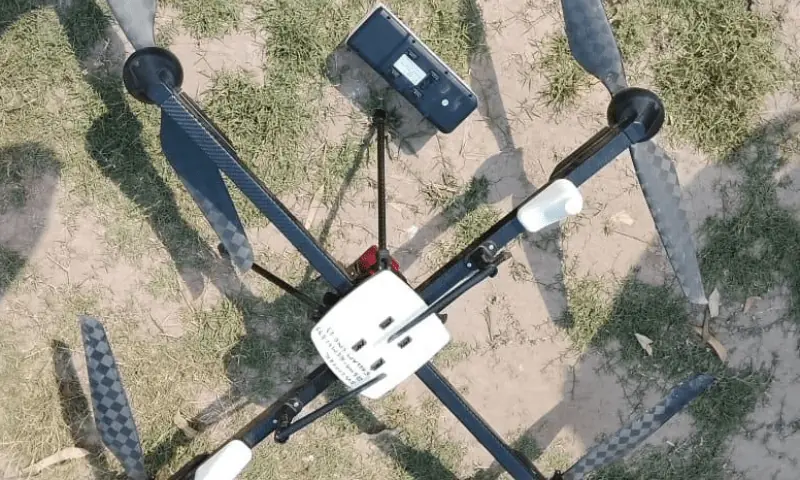
His colleagues in Bannu district spotted a small speck in the sky. Before Ali could take cover, an explosion tore through the compound behind him. It was not a mortar or a suicide vest, but an improvised explosive dropped from a drone.
“Now should we look ahead or look up [to sky]?” said Ali, who was wounded again in a second drone strike during an operation against militants last month. He still carries shrapnel scars on his back, hand and foot, physical reminders of how the battlefield has shifted upward.
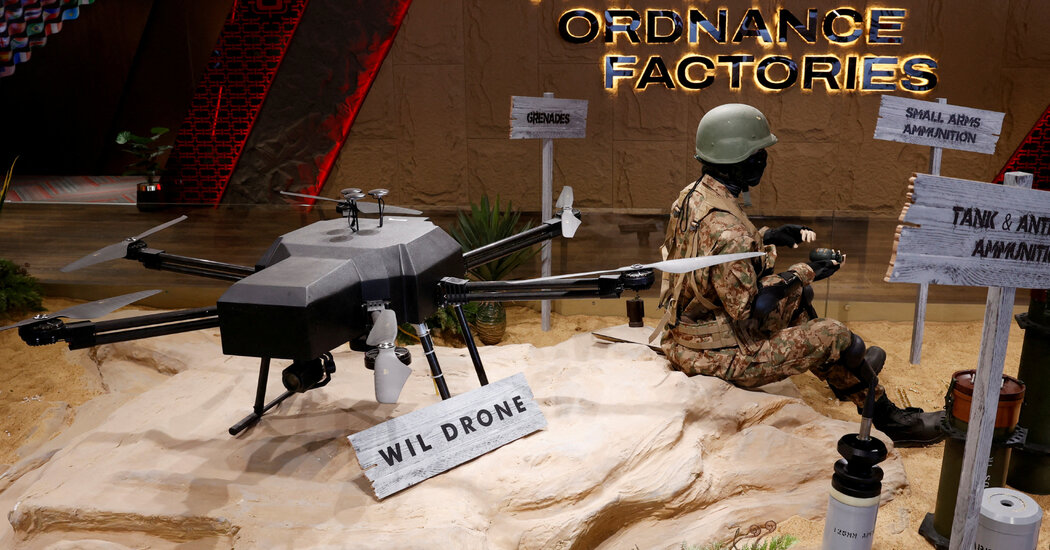
For police in the northwestern Khyber Pakhtunkhwa (KP) province, the fight against militancy has become a three-dimensional conflict. Pakistani officials say armed groups, including the Tehreek-e-Taliban Pakistan (TTP), are increasingly deploying commercial drones modified to drop explosives, alongside other weapons they say were acquired after the US military withdrawal from neighboring Afghanistan.
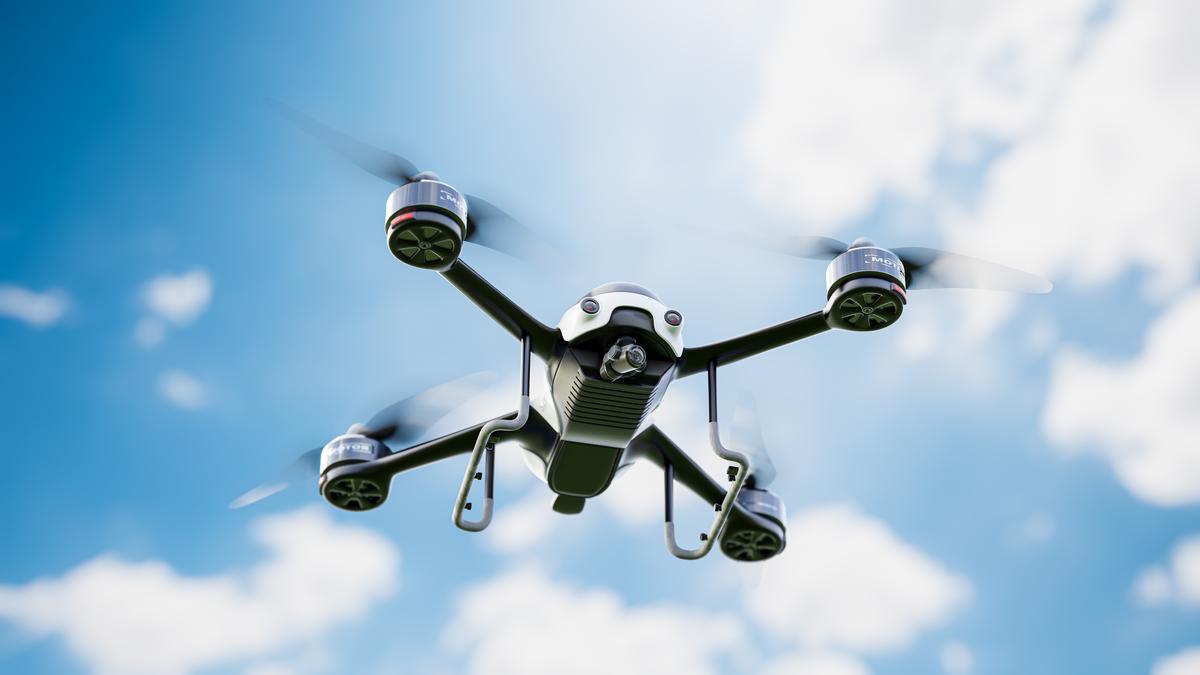
Security analysts say the trend mirrors a wider global pattern, where low-cost, commercially available drones are being repurposed by non-state actors from the Middle East to Eastern Europe, challenging traditional policing and counterinsurgency tactics.