We’ve already geoengineered the planet through the careless release of greenhouse gases. Now we need a plan to manage the risks we’ve set in motion
A
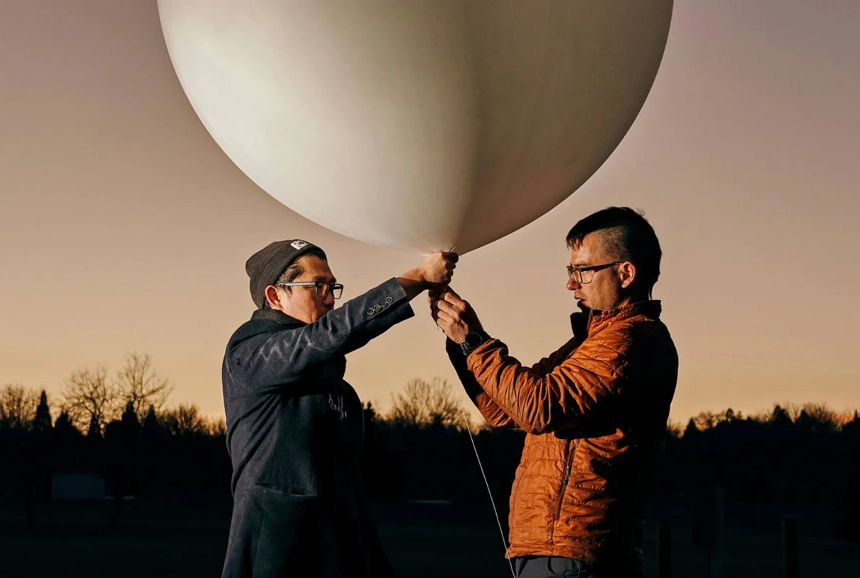
few months ago, Marjorie Taylor Greene, then a Georgia representative, held a hearing on her bill to ban research on “geoengineering”, which refers to technological climate interventions, such as using reflective particles to reflect away sunlight. The hearing represented something of a first – a Republican raising alarm bells about human activity altering the health of the planet. Of course, for centuries, people have burned fossil fuels to power and feed society, emitting greenhouse gases that now overheat the planet.
Unfortunately, her hearing waved past an urgent debate that policymakers are confronting around the world: after centuries of accidental fossil-fuel geoengineering, should we deliberately explore interventions to cool the planet and give the energy transition breathing room?
For some, even asking this question is taboo. On the right, Greene is not alone: anti-vaxxers and chemtrail conspiracy theorists are pushing to criminalize research across states and on Capitol Hill. On the left, some argue it’s a “moral hazard” even to acknowledge we might need tools beyond mitigation.