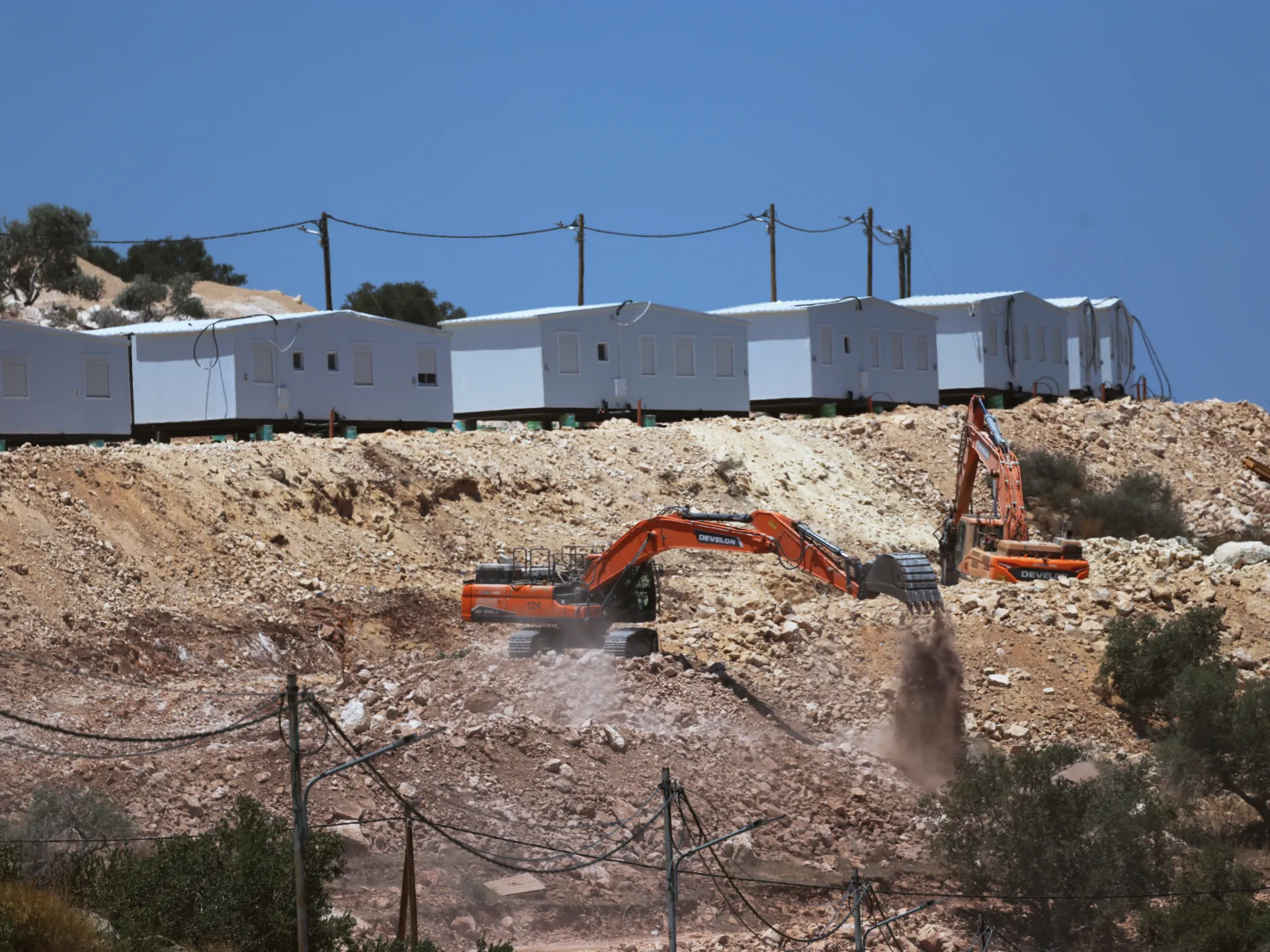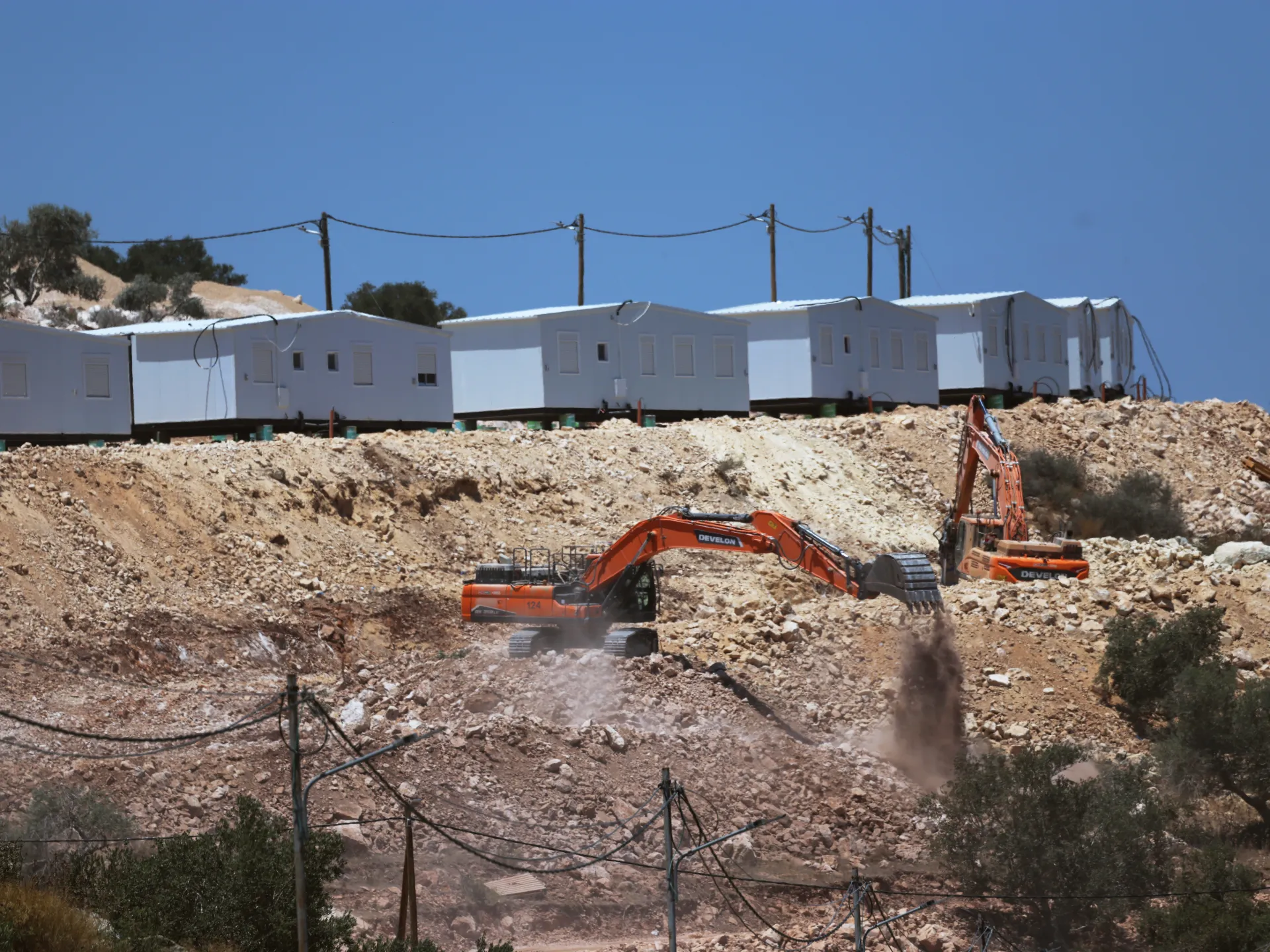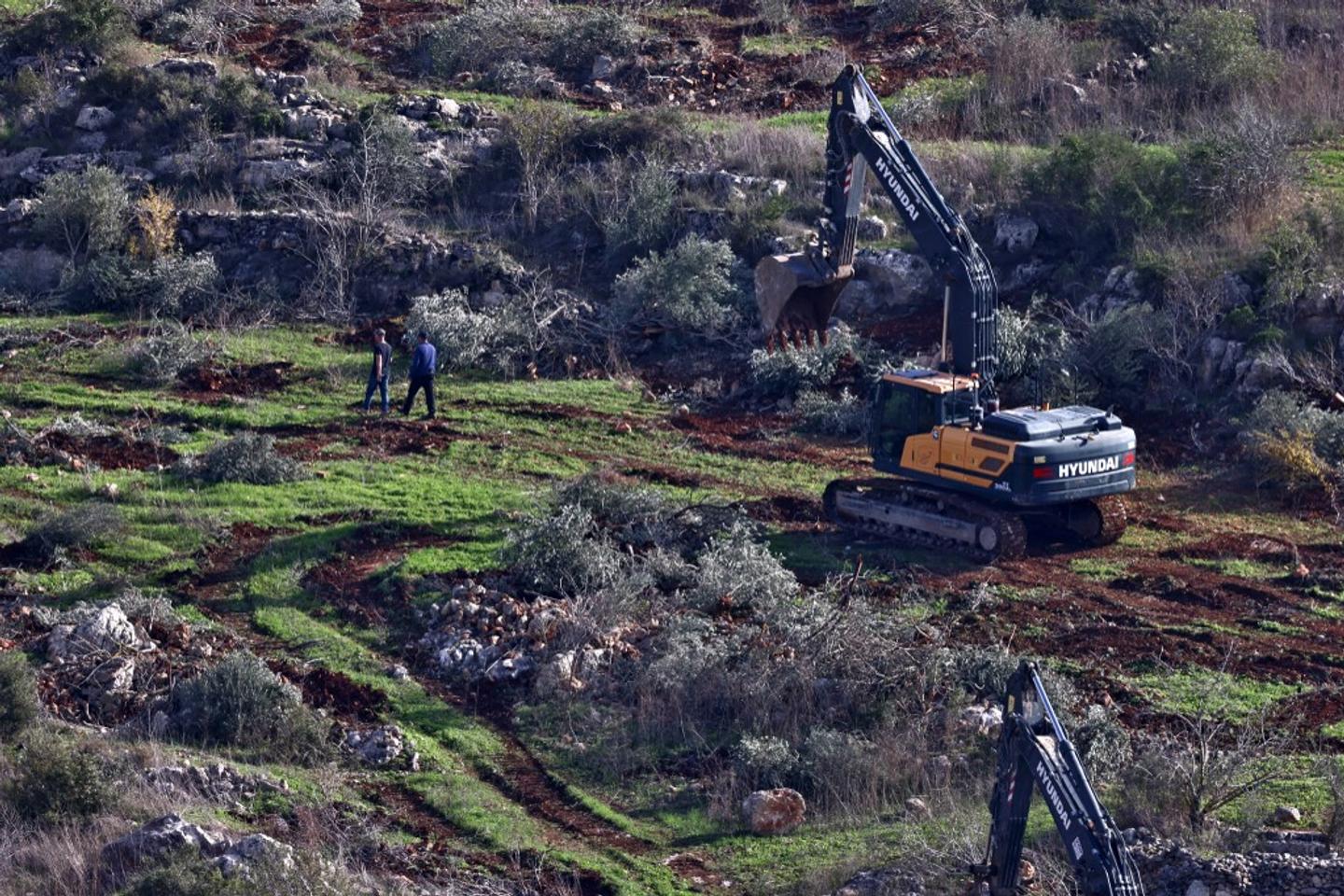
Israeli bulldozers begin work on land owned by a Palestinian to make way for the construction of settlements in the Sarouj area, located between the towns of Silat Al-Harithiya and Yamoun, West of Jenin, in the West Bank, December 22, 2025. ZAIN JAAFAR/AFP
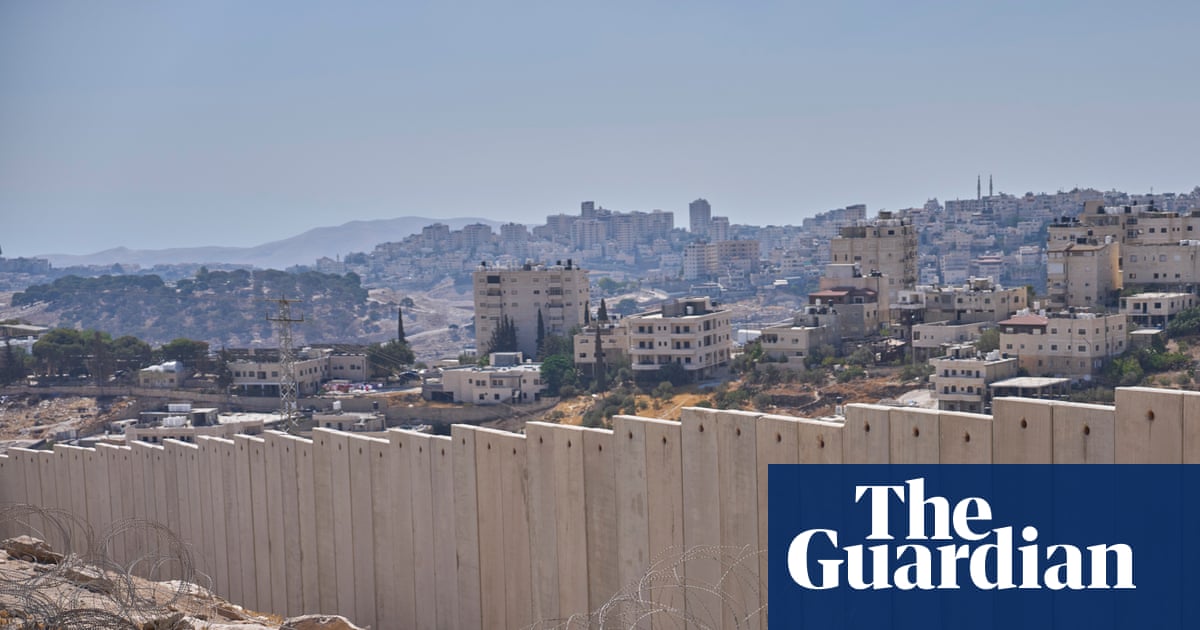
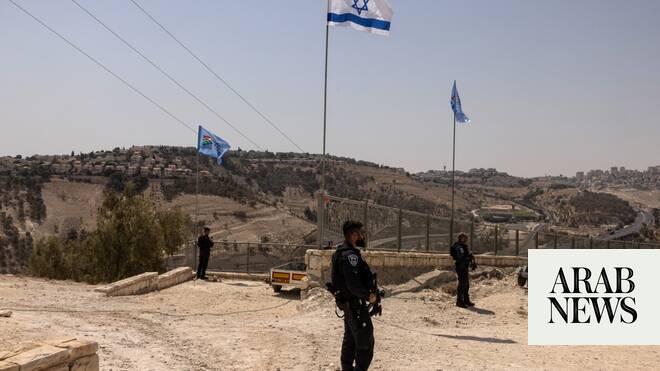
It was a standard call for tenders, like thousands issued by administrations around the world every year: 3,401 apartments to be built in high-rise buildings. A 98-year lease, renewable once, as is often the case in Israel. The deadline: March 16, "at precisely noon," for submitting proposals to the administration. The location: Maalé Adumim, one of the main Jewish settlements East of Jerusalem. Seemingly unremarkable, this document nevertheless marks a new milestone for the occupied West Bank, the viability of a Palestinian state and the rapid expansion of settlements under Prime Minister Benjamin Netanyahu's government. The call for tenders, published in December 2025 and updated on Tuesday, January 6, points to further progress on a major project to expand a Jewish settlement on the outskirts of Jerusalem known as E1.
The project has existed for decades but had been blocked several times under international pressure. In August 2025, the government gave its approval for implementation, presented by Bezalel Smotrich, the far-right finance and settlements minister, as "a fatal blow to the idea of a Palestinian state" due to its territorial impact on the West Bank. Since then, the administrative process has moved swiftly, reducing the possibility of a reversal in the event of a change in government, as legislative elections are scheduled by October 2026.