https://arab.news/z366k
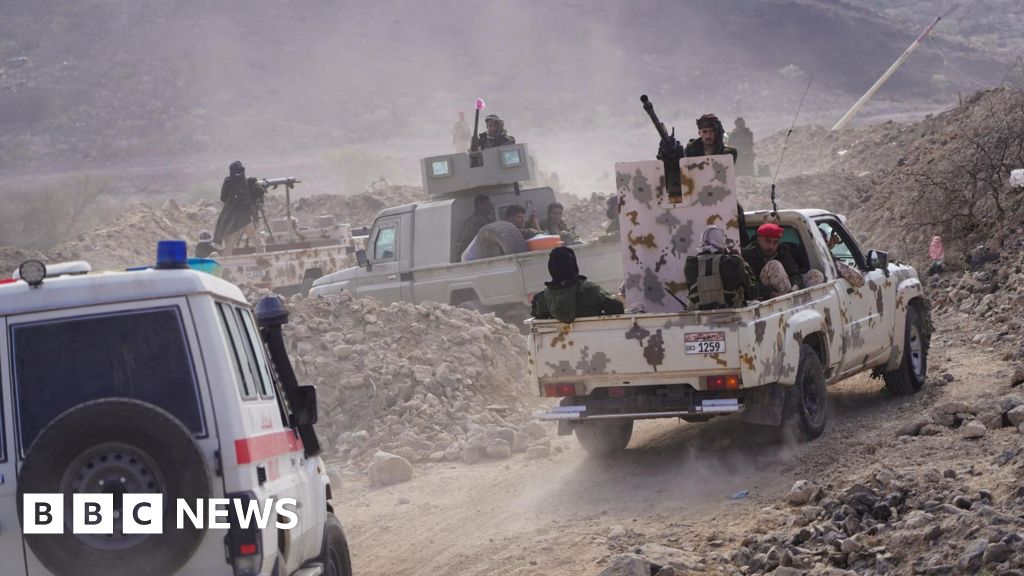
The events of the past few weeks in Yemen have underscored the risks of state fragmentation in the Arab world. The Iran-allied Houthis split the country in half when they seized power in 2014. The internationally recognized government controlled much of Yemen’s territory out of the temporary capital of Aden, while out of Sanaa the Houthis controlled the rest of the country.
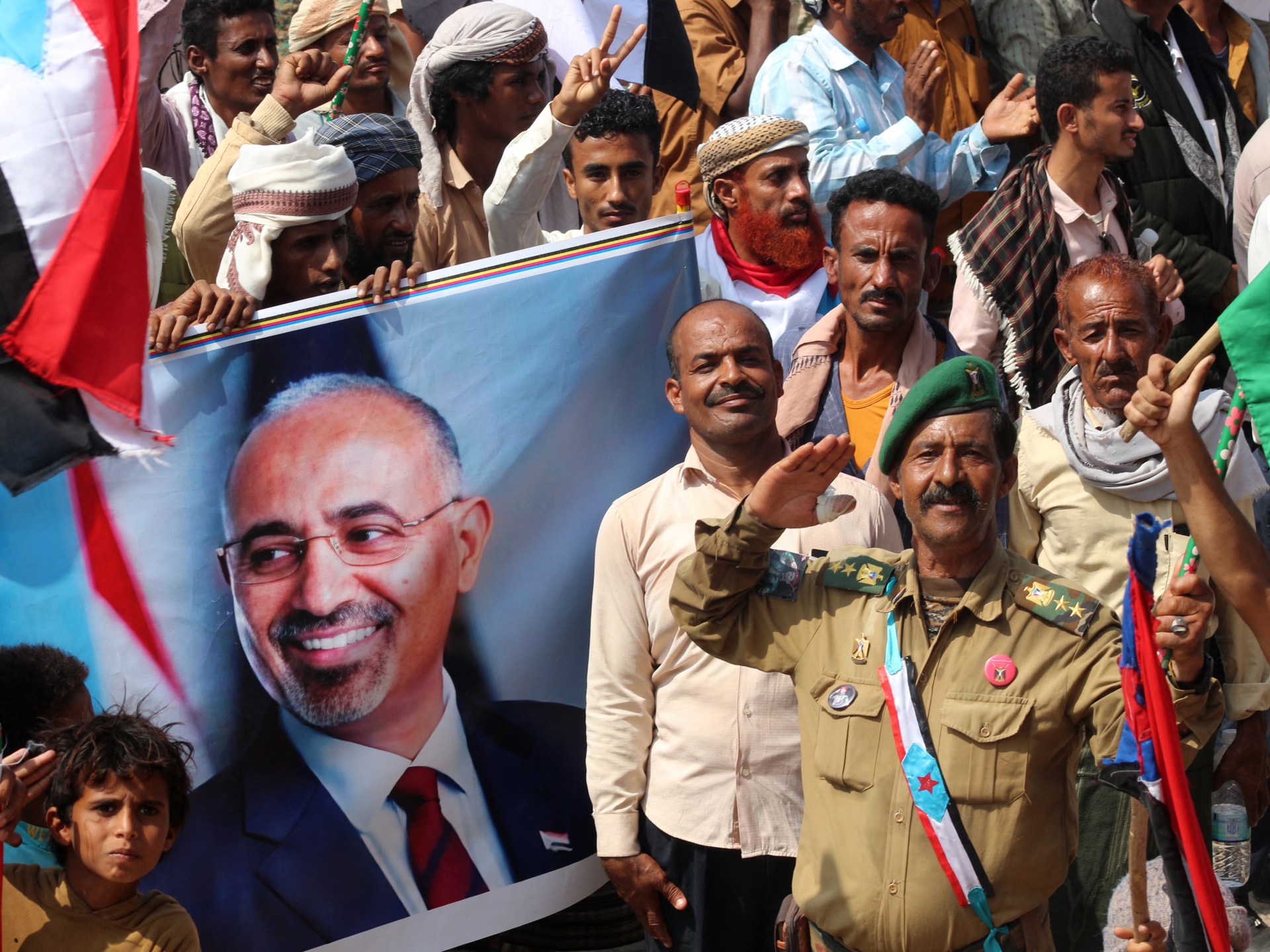
In December, the Southern Transitional Council, a loose coalition of several groups from the southern part of the country, tried to split the territory under government control, in violation of Yemen’s law and an agreement it signed with the government in 2019, which was mediated by Saudi Arabia. While the attempt failed, it highlighted the dangers of further fragmentation in Yemen.
In Syria over the past several days, Aleppo experienced the deadliest round of violence since the fall of the Assad regime in December 2024, when the Kurdish-led Syrian Democratic Forces attacked government positions in the city. The group is a coalition of left-wing militias affiliated with the Turkish separatist PKK and serves as the military wing of a self-proclaimed “Democratic Autonomous Administration of North and East Syria,” also known as Rojava. The attack against Aleppo was in clear violation of an agreement it signed with the government last March.