By the expansionist logic of the president and his advisers, the US is entitled to annex just about anywhere
‘W
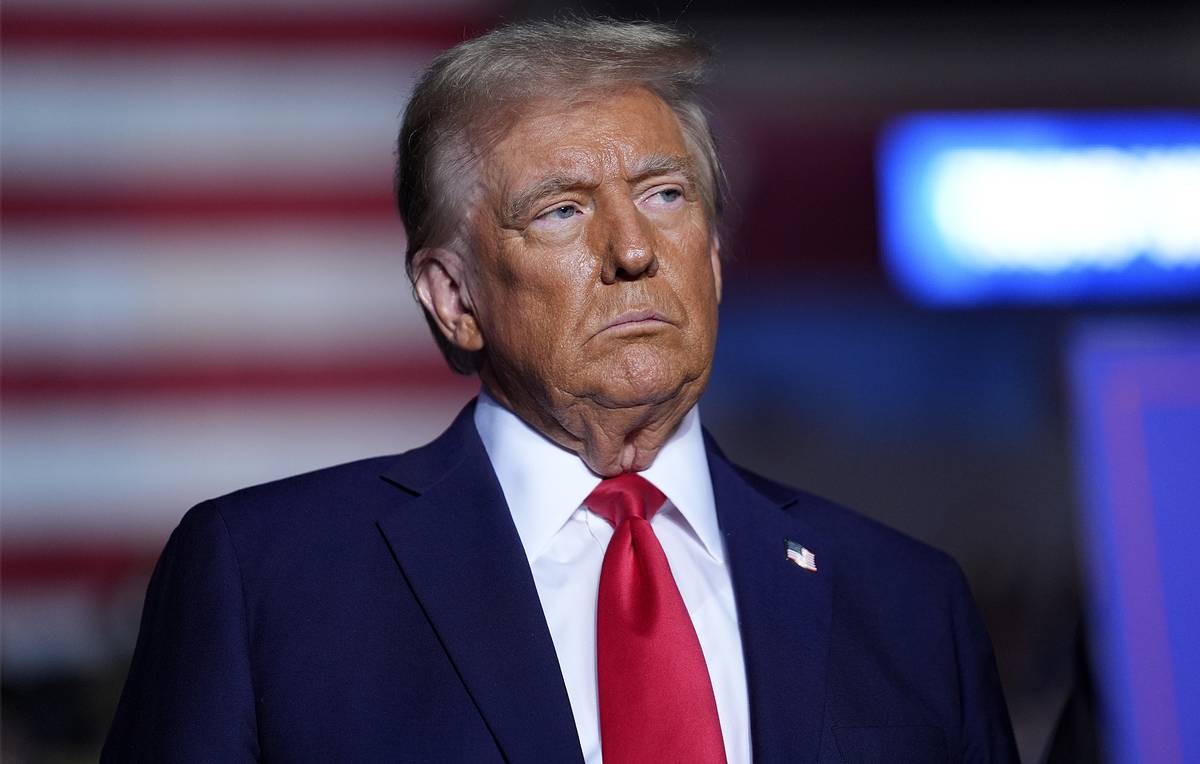
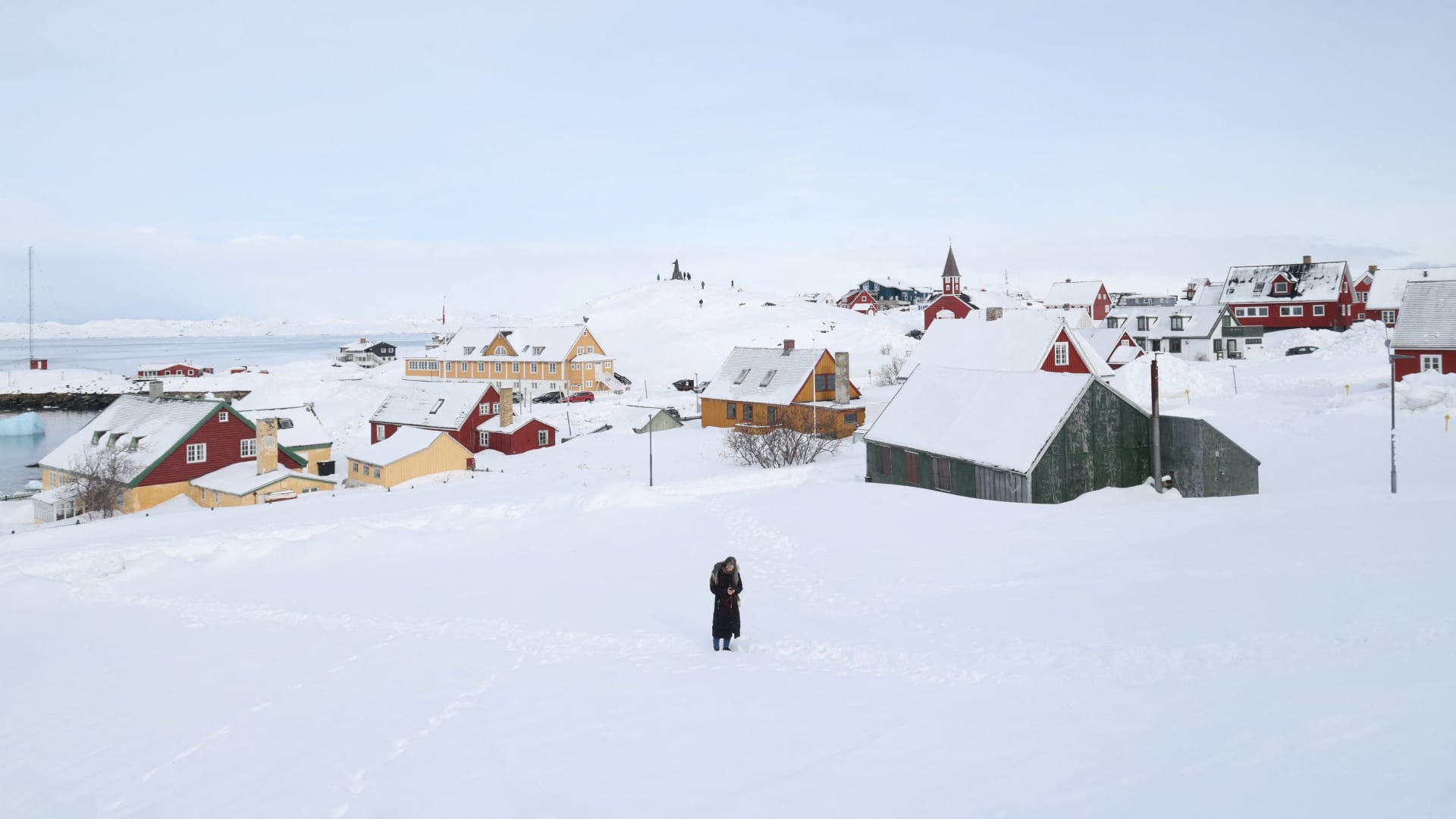
e do need Greenland, absolutely,” Donald Trump told the Atlantic on 5 January, with the hand-wavy follow-up, “We need it for defence.” His adviser Stephen Miller was more aggressive still in an interview with CNN, saying: “The real question is, by what right does Denmark assert control over Greenland? What is the basis of their territorial claim? … The US is the power of Nato … obviously Greenland should be part of the United States.” His wife, Katie Miller, posted an image on X of a map of the country papered over with the US flag, with the caption “soon”. It’s hard to orientate sensibly towards things that happen on X these days: if she had posted a Grok-generated image of Greenland in a bikini, would that be more or less concerning?
Still, we’re right to be concerned. There is no comfort to be had from old-era ideas such as: “Maybe they’re just sabre-rattling about Greenland to distract from the matter of Venezuela”, or “surely the foundational principles of Nato, a defensive alliance, will prevent the US from any act of aggression towards its own allies?”
The question is, by what logic does Trump make his claim? He talks a lot about the Monroe doctrine, describes his foreign policy as its “Trump corollary”, but close watchers of Hamilton, the musical, will sniff out immediately that Trump is no heir to the doctrine’s origins in the Federalist papers, which essentially wanted Europe to curtail its colonial ambitions and butt out of the Americas. The 2020s version is fixated with the western hemisphere, which Greenland is in, but Denmark is not. This is the basis for Miller’s confident dismissal of centuries of Scandinavian relationships: the meridian says no.