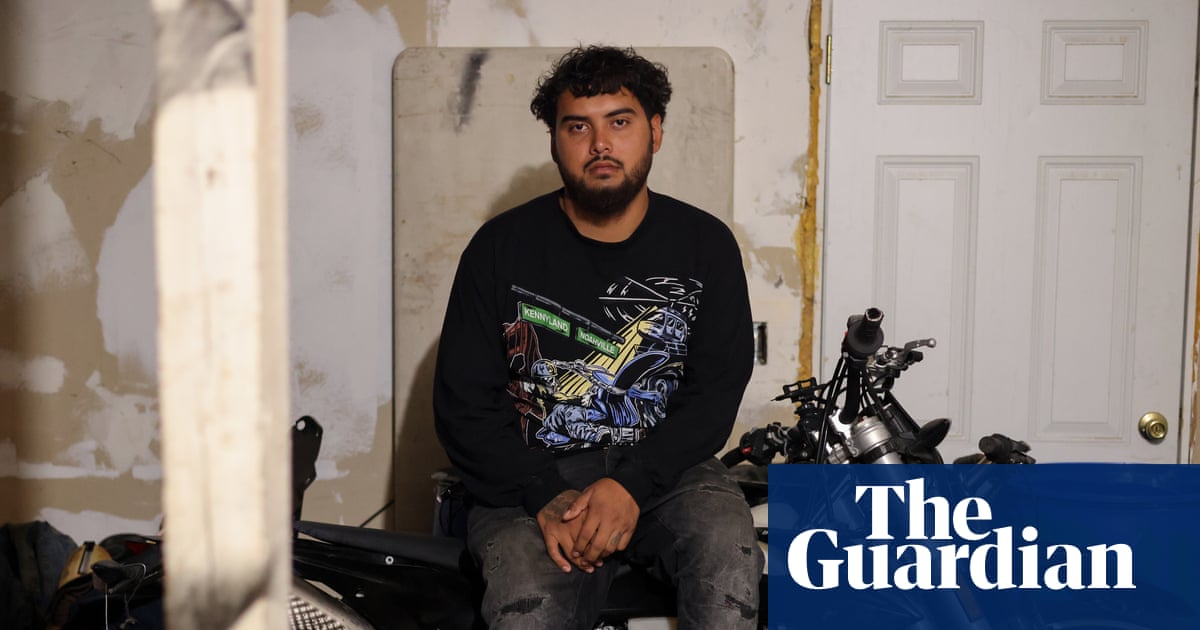
In Vallejo, California, ‘trad sons’ report feeling trapped by family obligations, slim job prospects and the fear of violence – leaving little room for romance
A
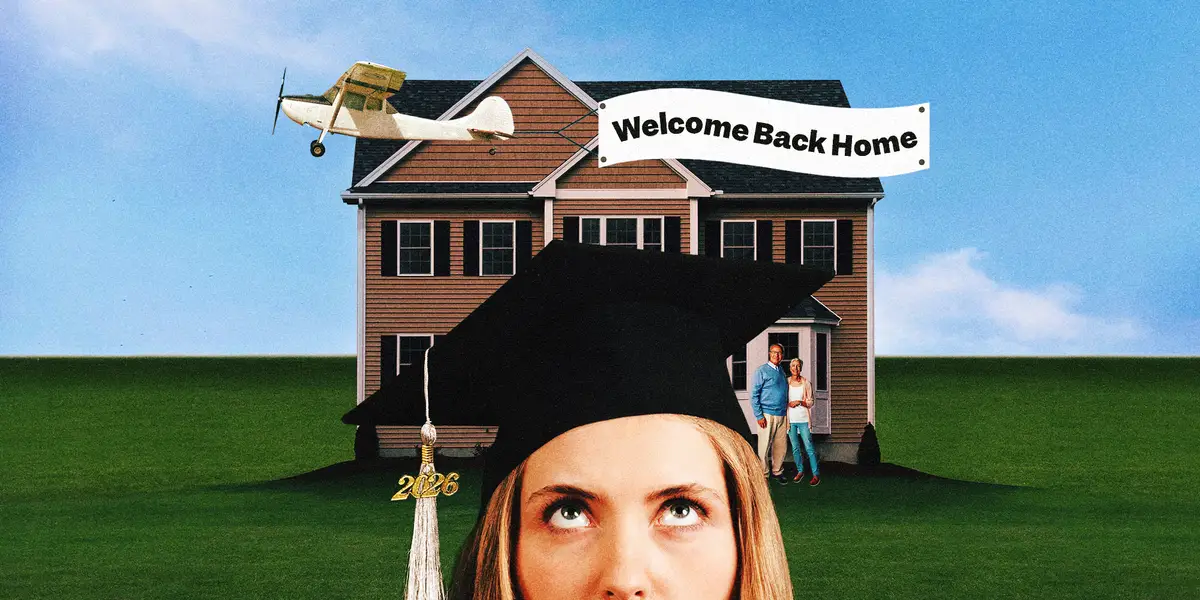
re boys becoming men later? In recent decades, the markers of adulthood have shifted for young American men: they are almost twice as likely to be single, less likely to go to college and more likely to be unemployed. Most significantly for their parents, they are also less likely to have fled the nest, with the term “trad son” springing into social media lexicon in recent months. In the 1970s, only 8% of Americans aged 25 to 34 were living with their parents, but by 2023, that figure had jumped to 18%, with men more likely to live at home than women, according to a Pew survey.
But not everywhere in the US has the same rates of adults living in their familial home. The living arrangement is least common in the midwest and most common in the north-east. Topping the list was Vallejo, where 33% of young adults live with their parents. How were they making it work?
In Vallejo, Jorge, a 30-year-old personal trainer at City Sports Club, told me he was in no rush to move out. Neither was Kimani Cochran, a 31-year-old model, actor and bar attendant, who had settled into the rhythms of an intergenerational home. Edward, a 28-year-old government employee, had reached his limit with cohabitation, while Daniel, a 25-year-old union worker who dreams of becoming an electrician, felt ambivalent about the prospect of leaving his family behind. (Some of the men spoke to me on the condition that I refer to them by their middle name only.)