Across Africa, baobabs have rich symbolic meaning, but the breakneck expansion of the DRC’s capital has reduced their number in the city centre to one
The older inhabitants of Kinshasa can remember when trees shaded its main avenues and thick-trunked baobabs stood in front of government offices.
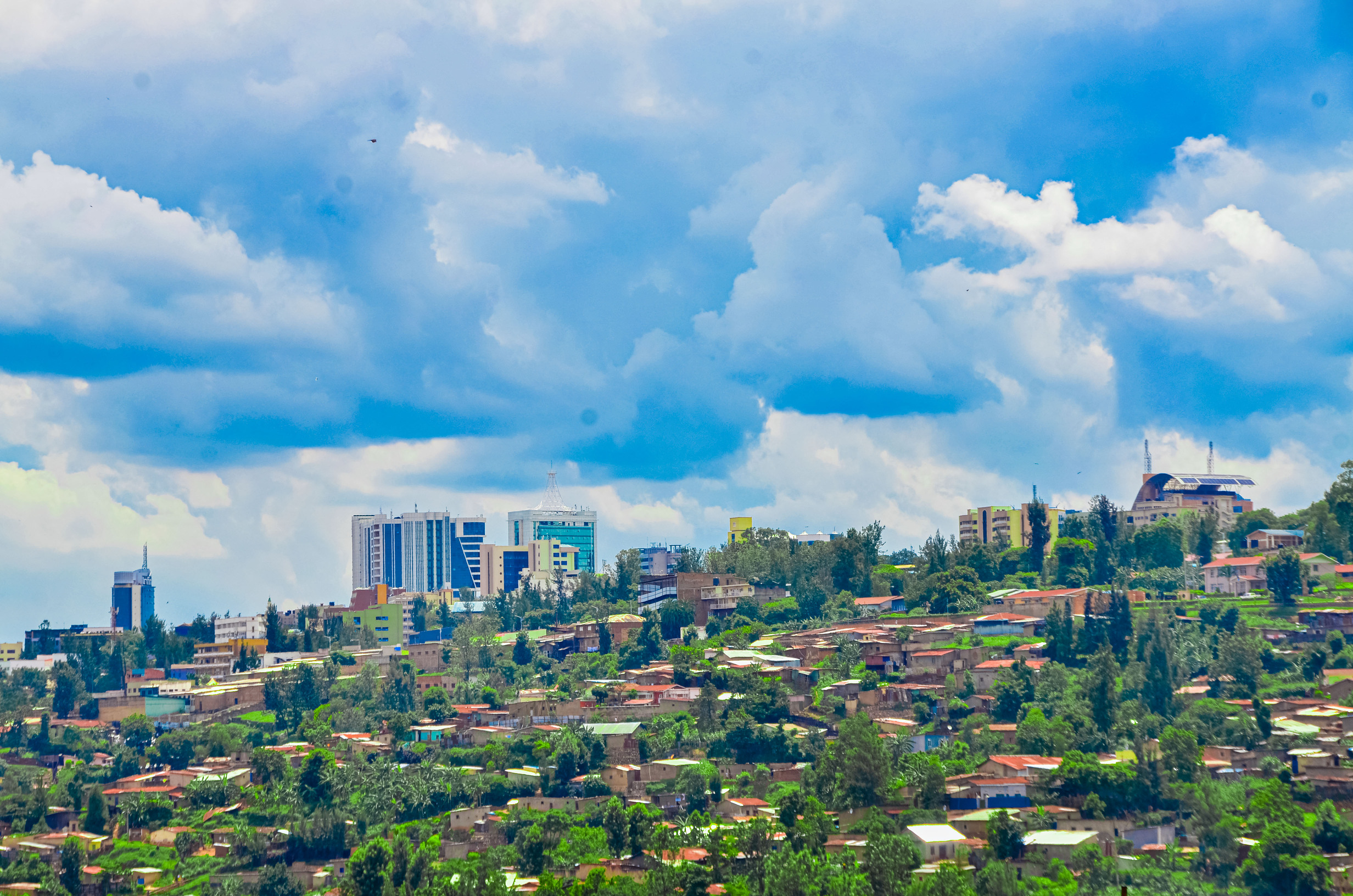
Jean Mangalibi, 60, from his plant nursery tucked among grey tower blocks, says the capital of the Democratic Republic of the Congo’s frenzied expansion has all but erased its greenery. “We’re destroying the city,” he says, over the sound of drilling from a nearby building site.
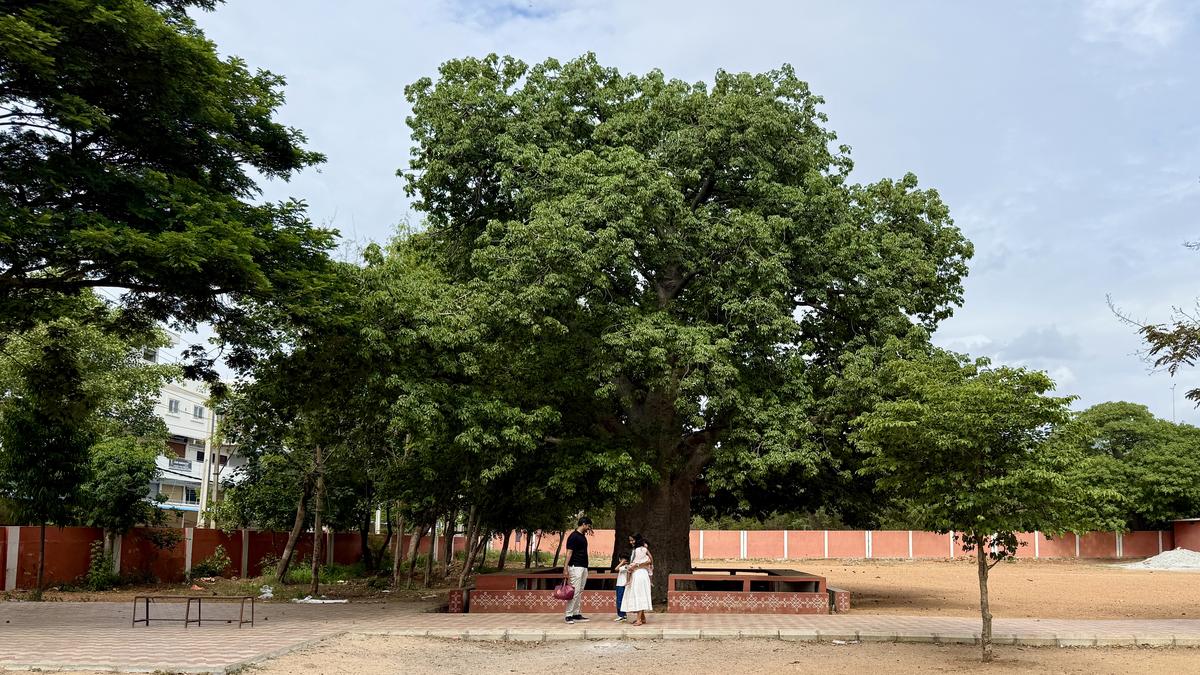
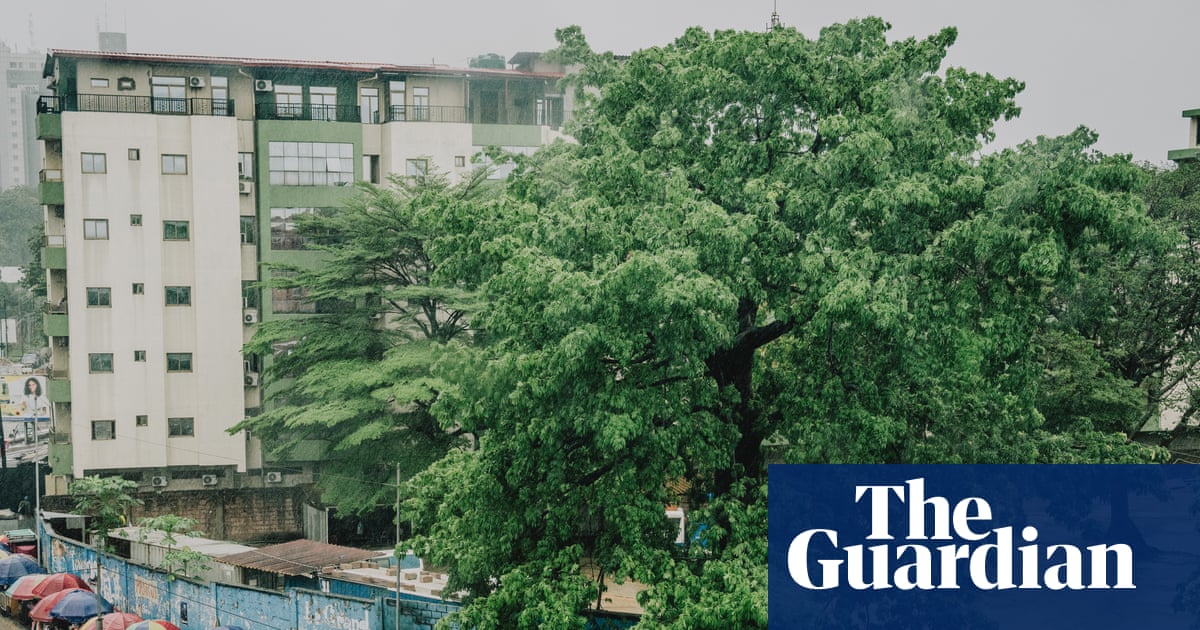
The number of trees lost in and around this vast city, the third largest in Africa, has made it all the more urgent for environmentalists to campaign to protect one of its last – and most notable. A single century-old baobab tree remains standing in the historic centre of Kinshasa – in the commune of Gombe – but it too is now under threat. Mangalibi and like-minded activists are rallying to save the symbol of the city’s past from developers.
“It’s part of the soul of Kinshasa,” he says. “We have a responsibility to protect it.”