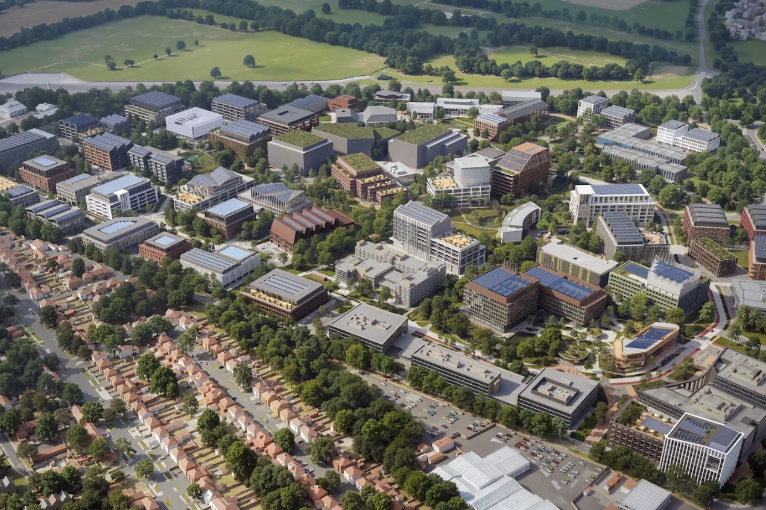
When global pharmaceutical company Astrazenca paused plans to invest £200m in Cambridge last year, there were fears it could cause ripples through the science sector and affect wider investment and success.
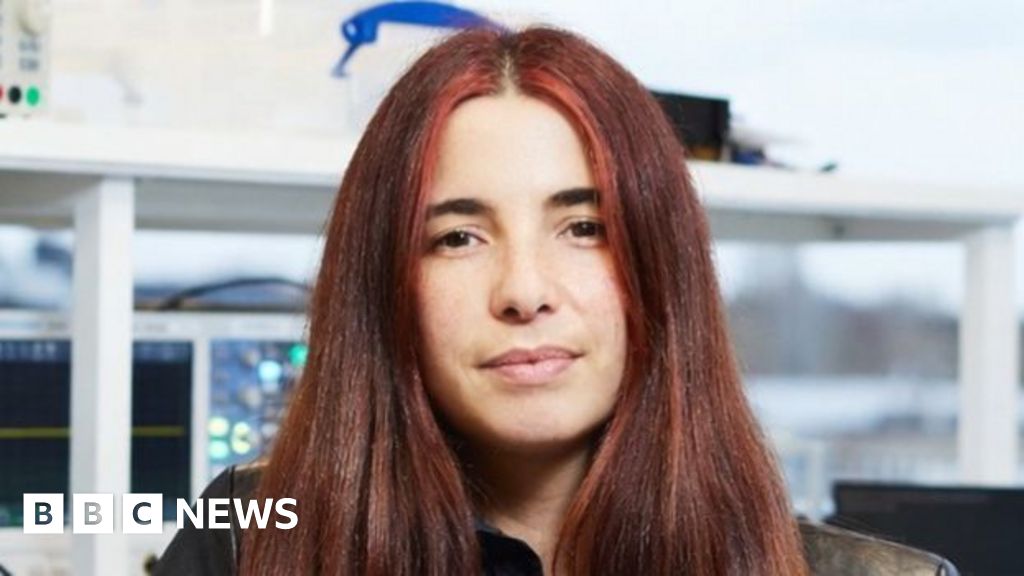
But Jane Hutchins, the director of Cambridge Science Park - which was the first site of its kind in the UK - says it is expecting 2026 to be "a really good year", with businesses poised for breakthroughs.
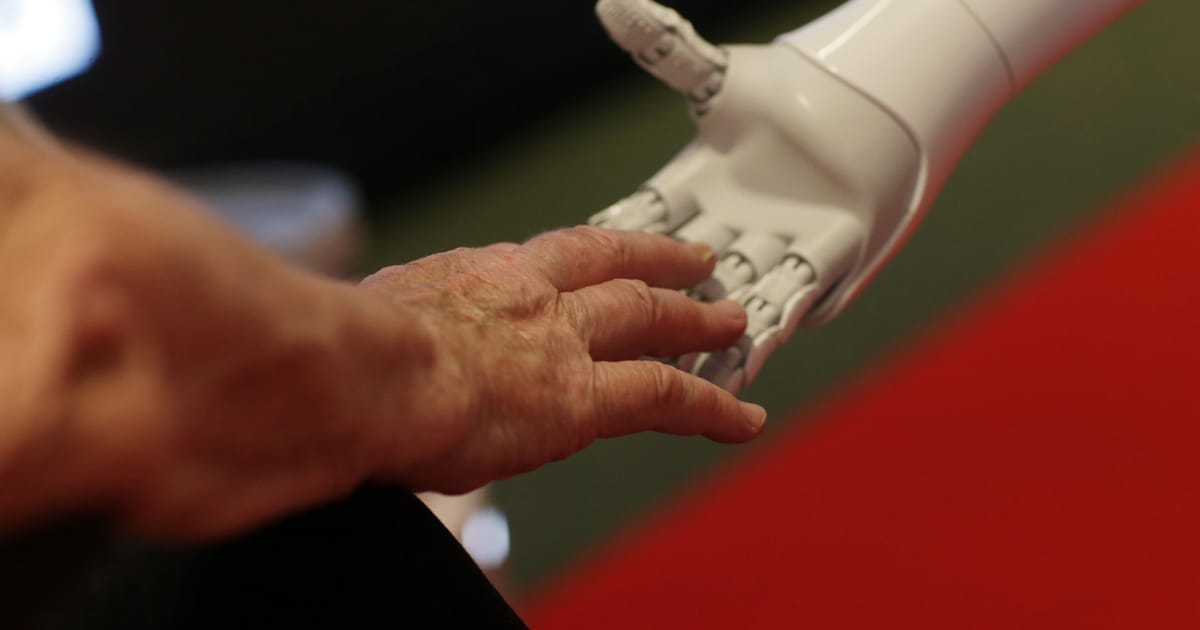
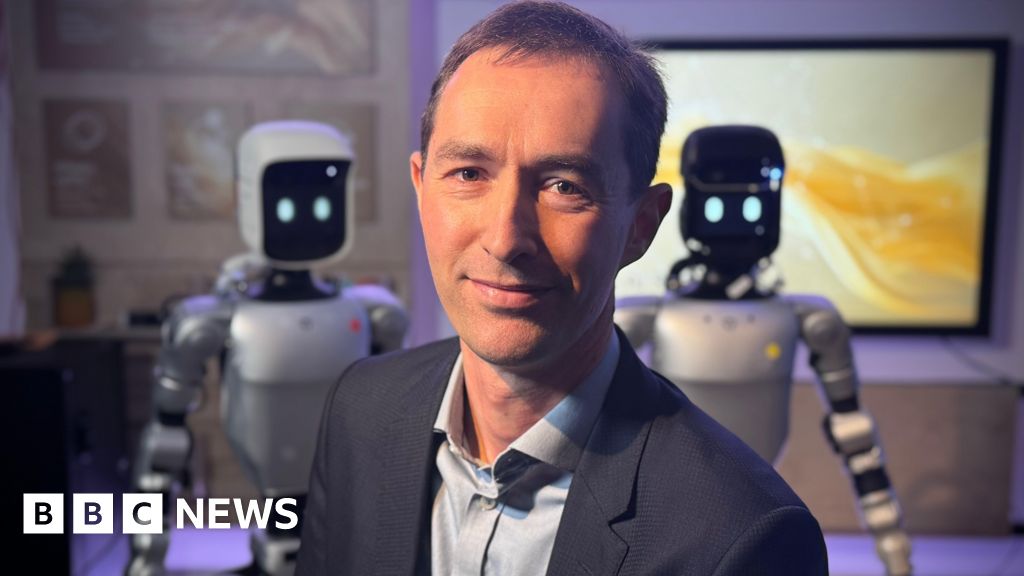
In a dark room on Cambridge Science Park, two humanoid robots wearing trainers are walking around. They blink and wave to each other and, if you nudge one, it instinctively moves away from you.
Cambridge Consultants is using these robots to develop physical artificial intelligence (AI), which Tim Ensor, who leads the company's intelligent services, believes is "on the verge of its own ChatGPT moment".
"Humans know that an object is permanent, even if it's moved out of view. We know that some things are squishy and others are hard.