RIYADH: Last December marked a troubled end to the year in Yemen, particularly in its southern and eastern governorates. While much of the world marked the season with hopes for peace and stability, developments on the ground took a sharply different turn.
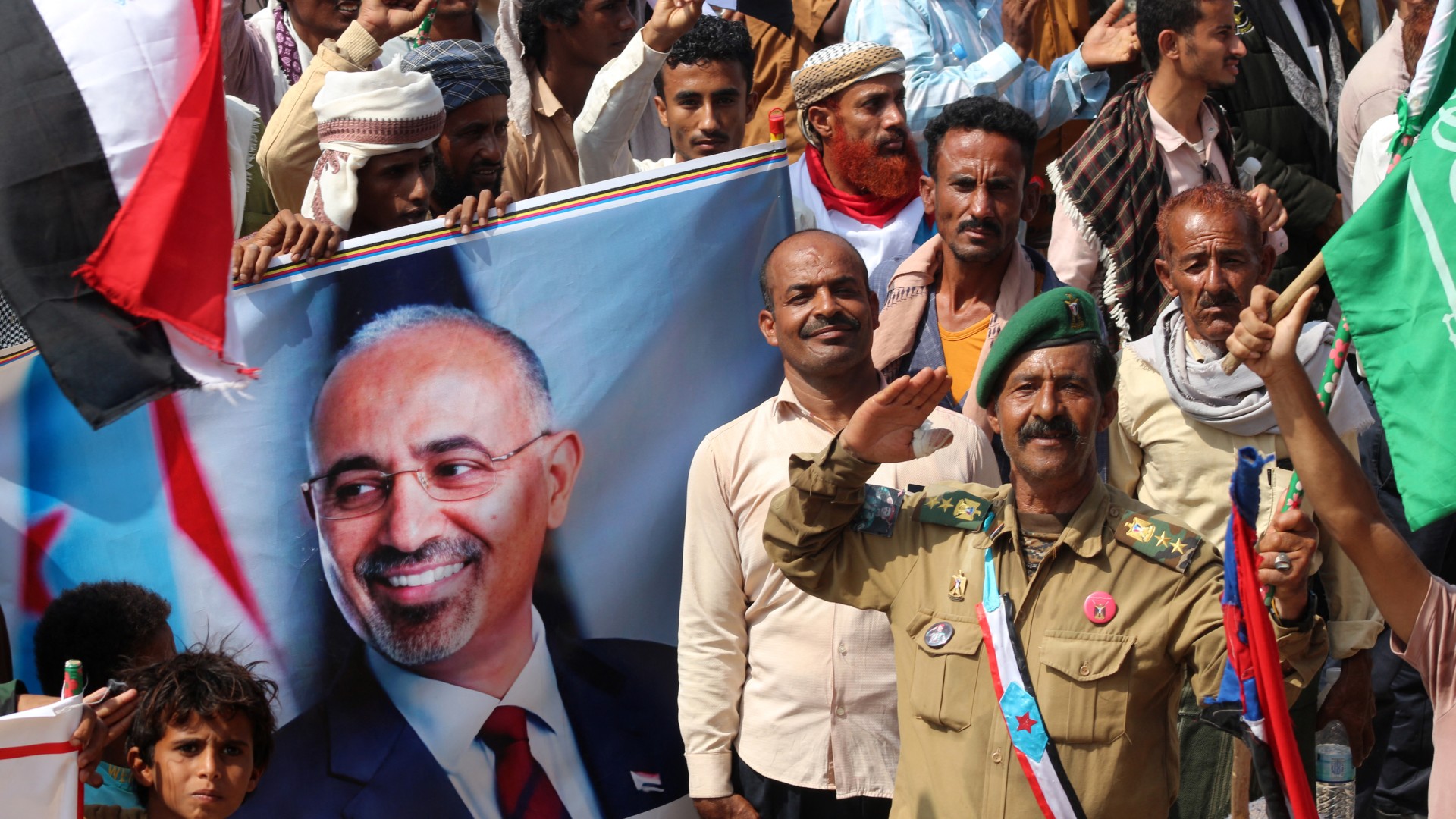
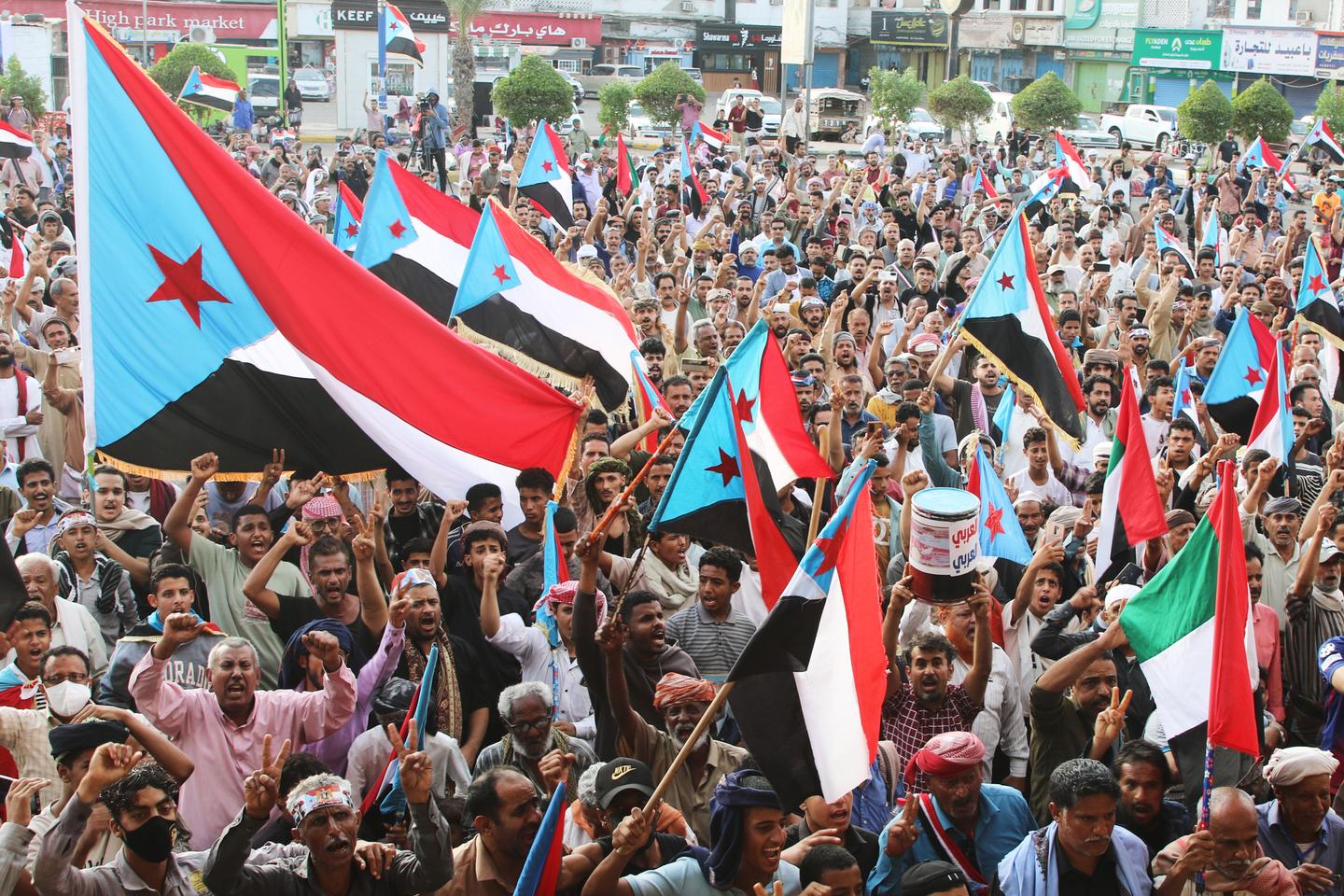
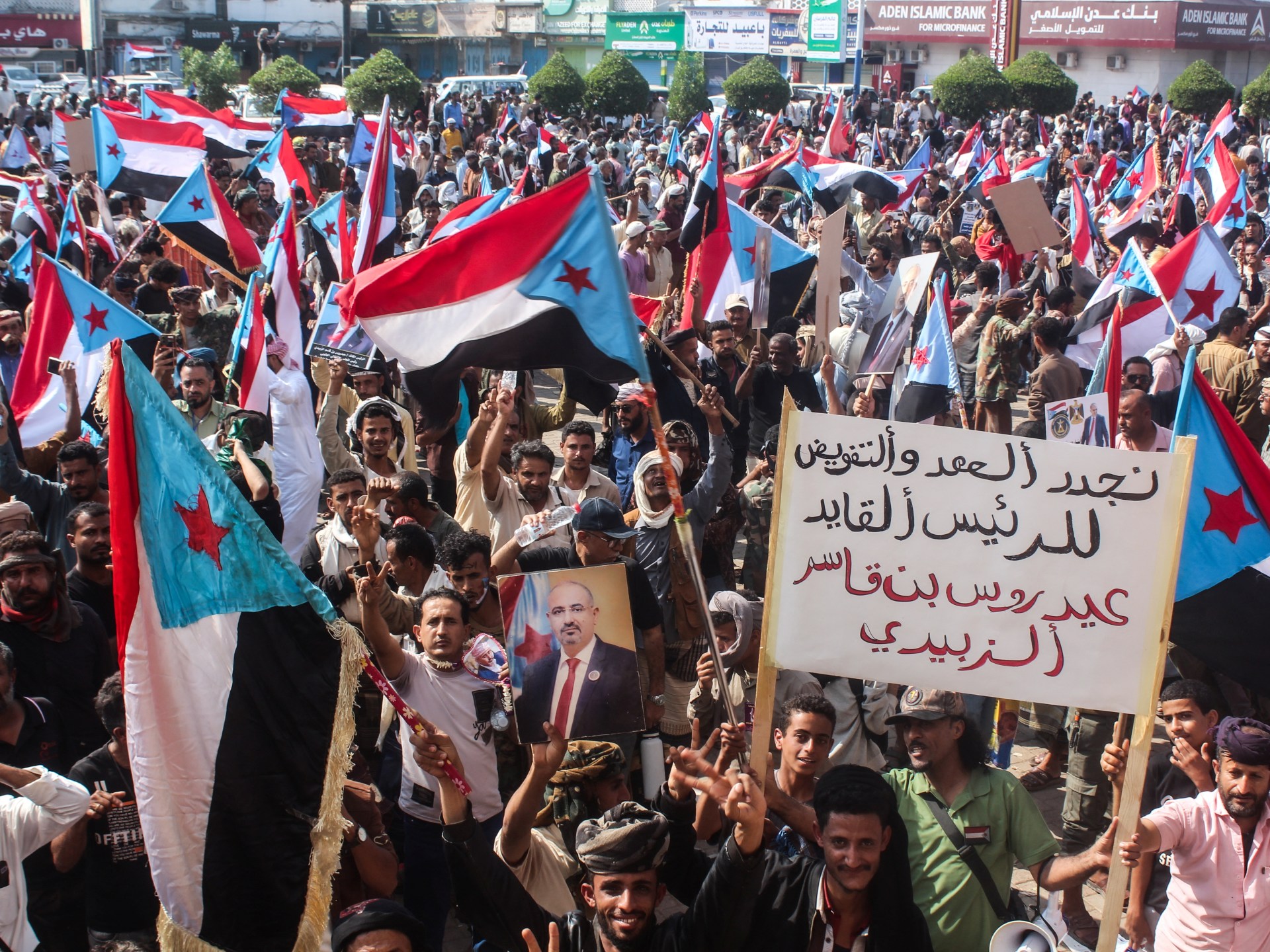
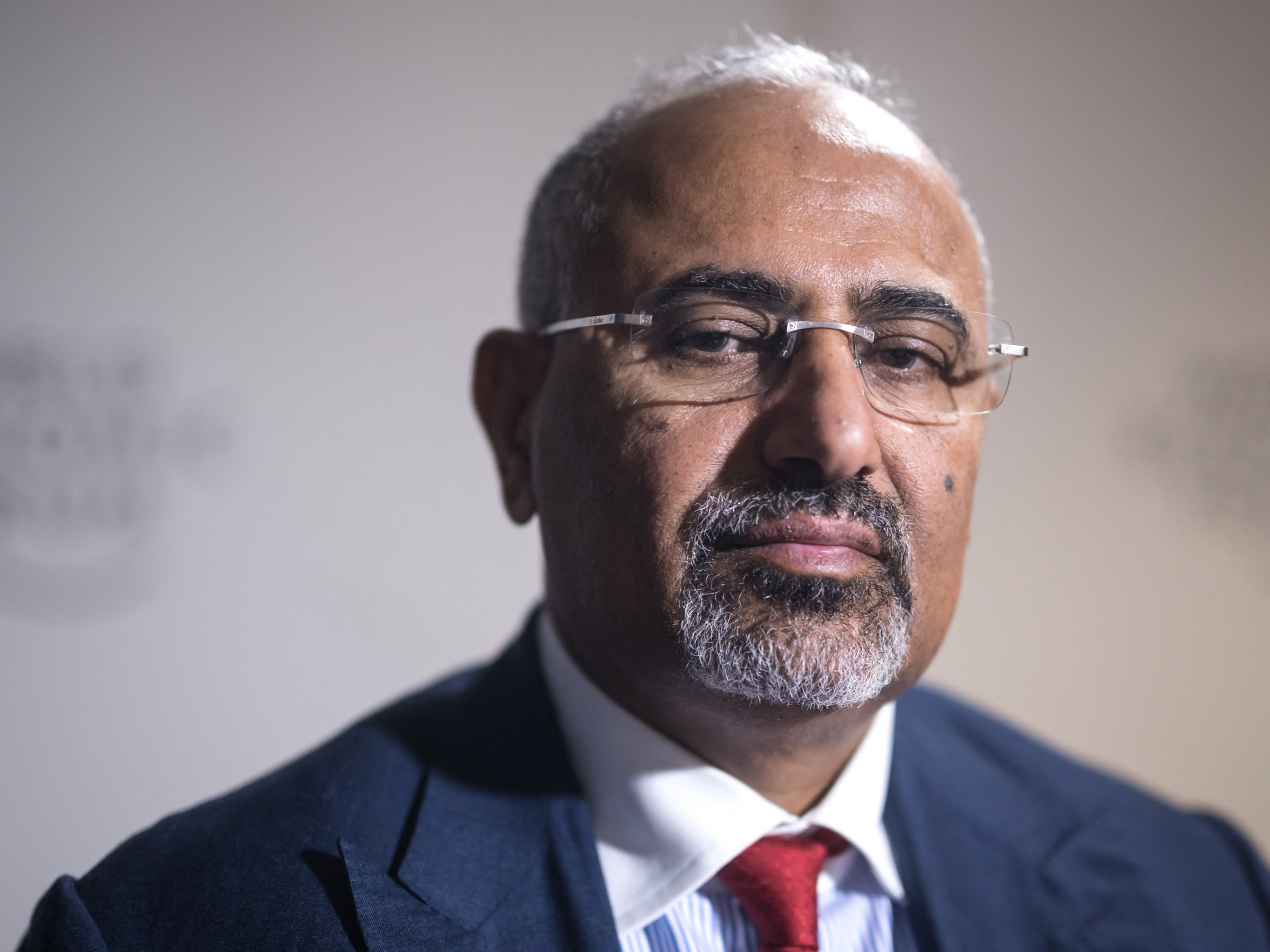
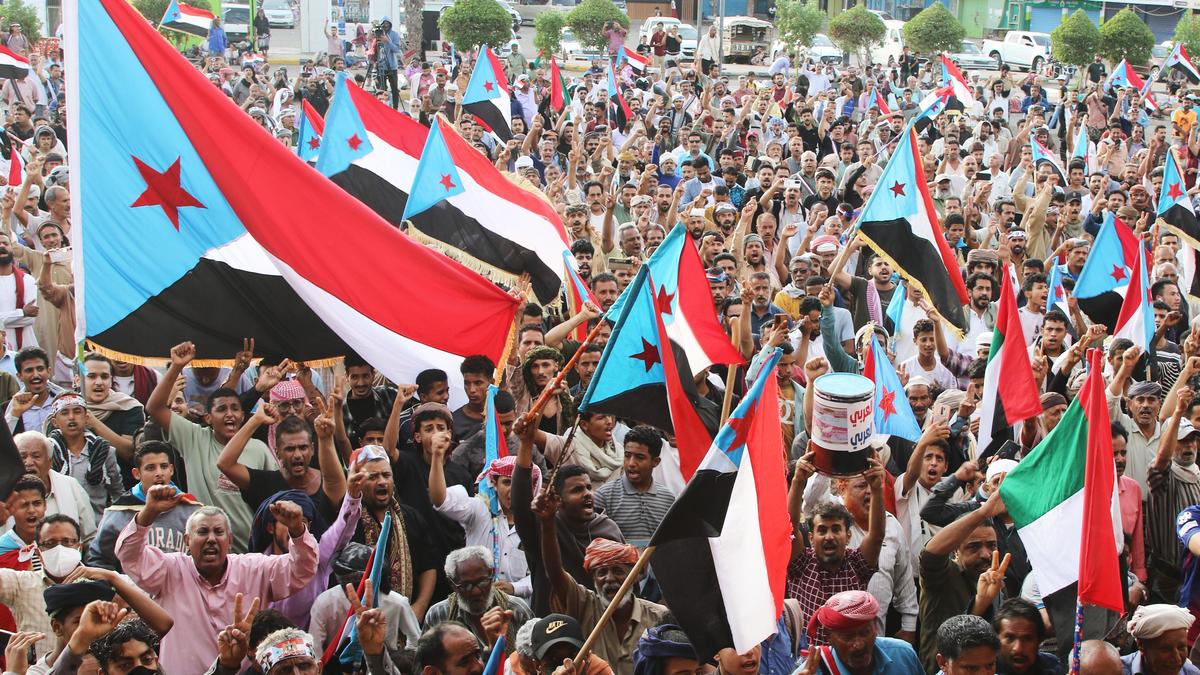
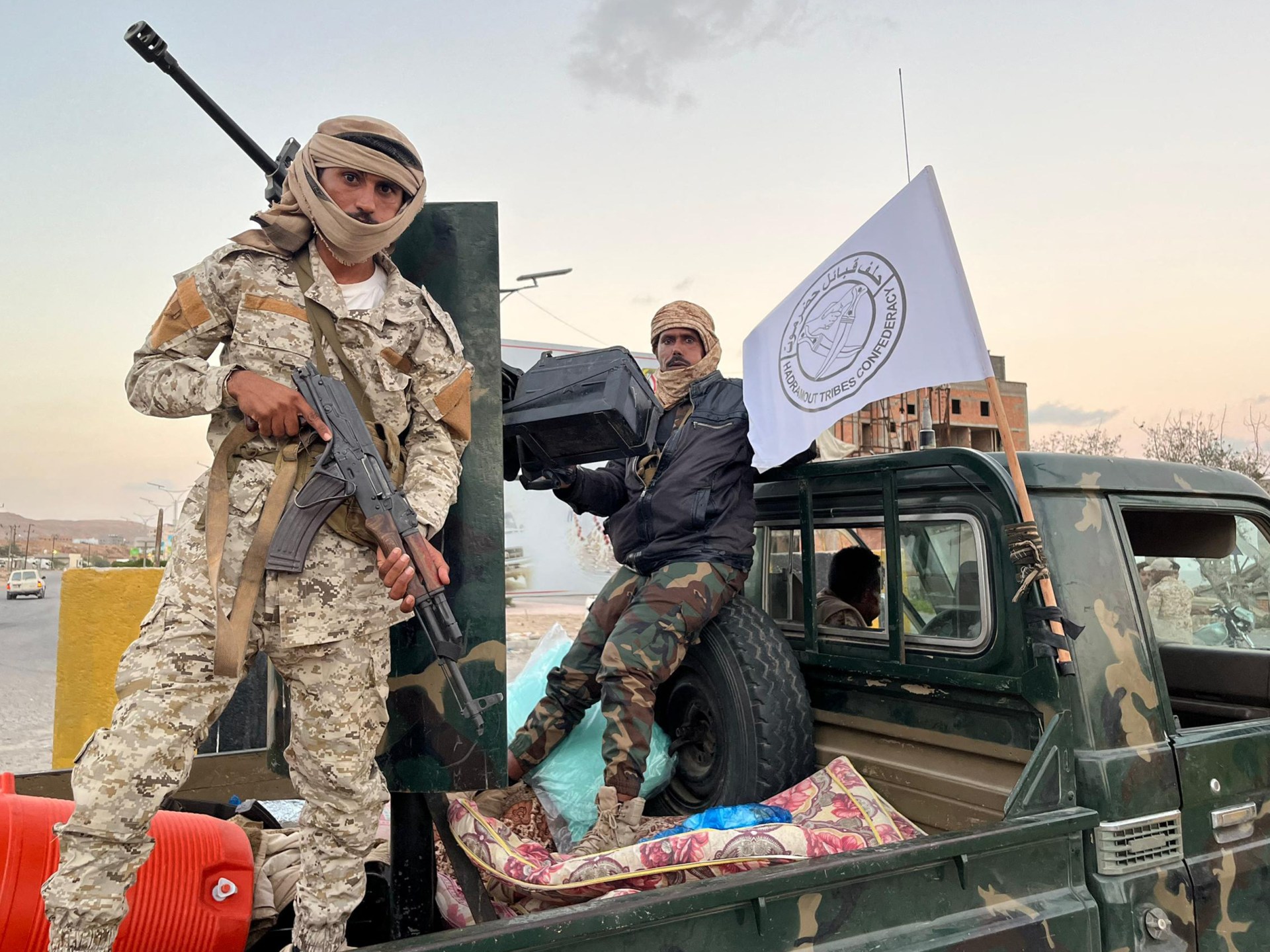
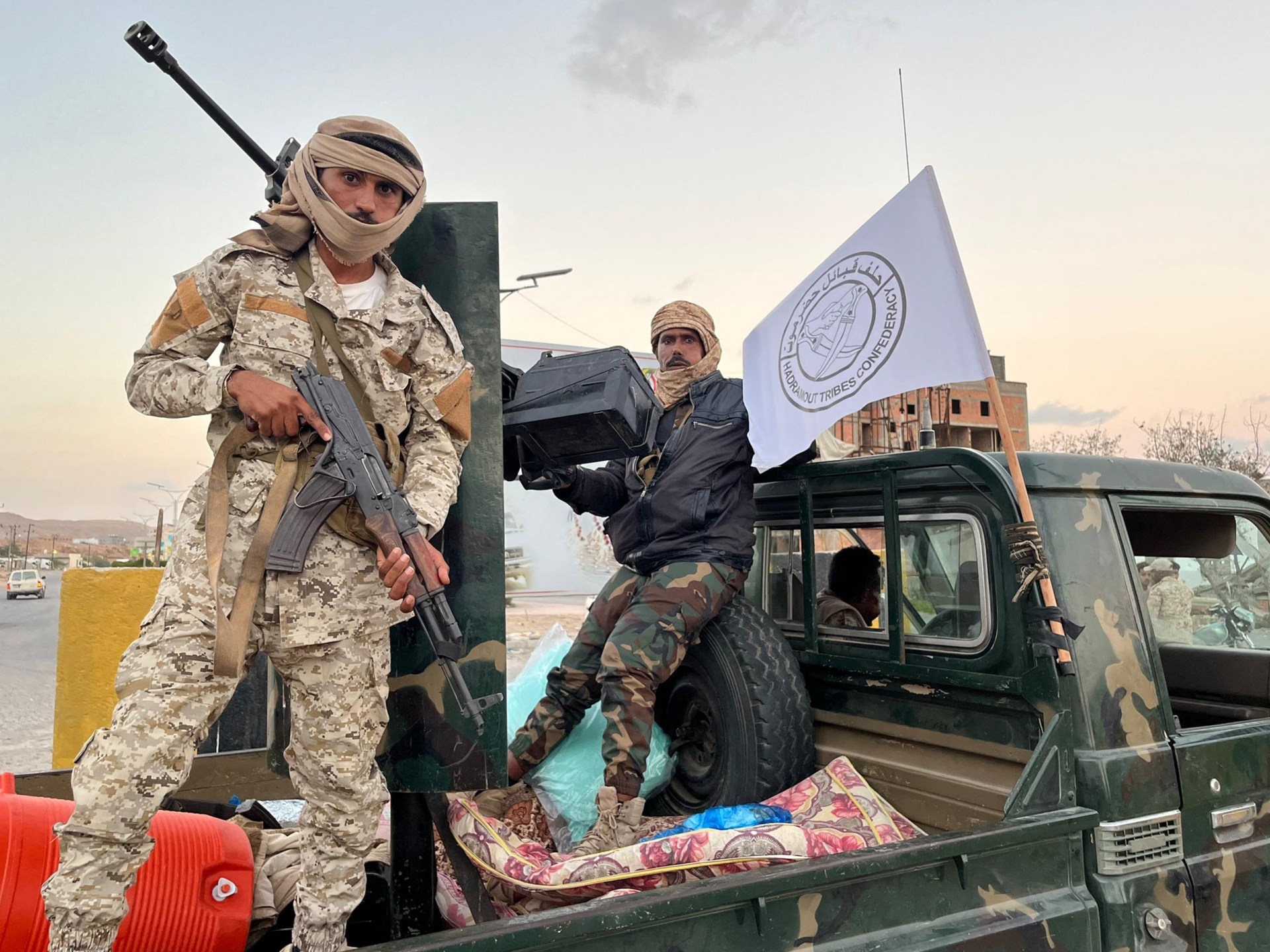
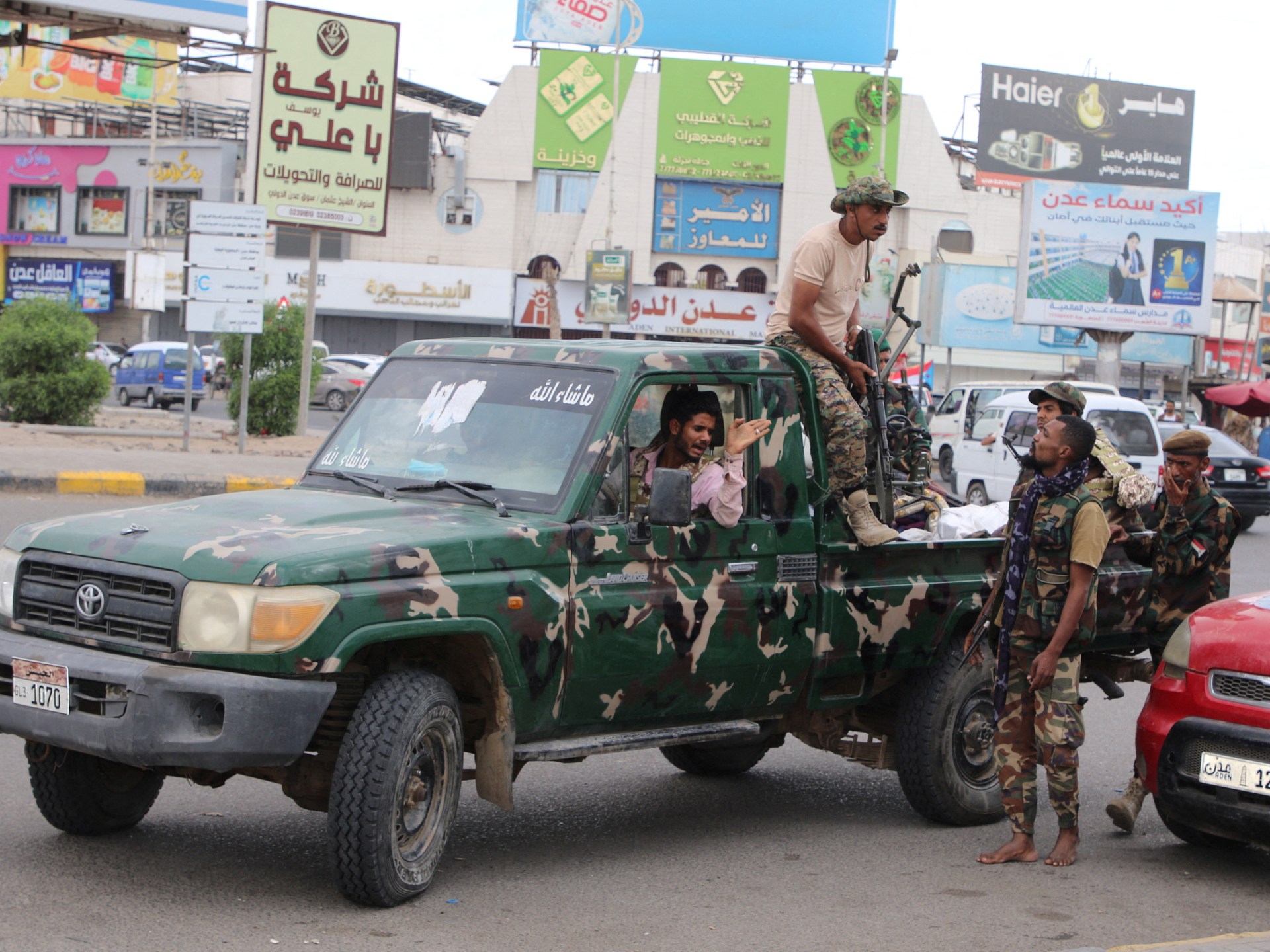
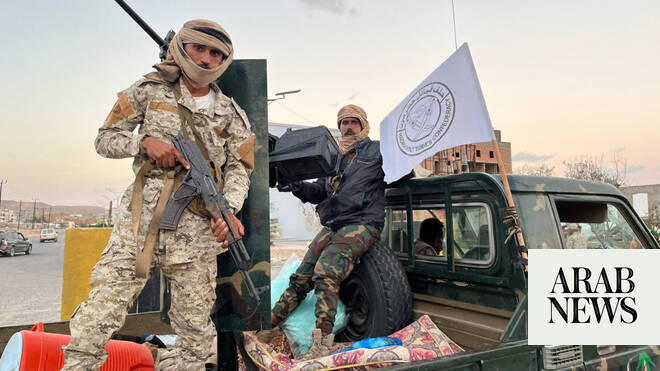
The Southern Transitional Council (STC), led by Aidarous Al-Zubaidi, moved to seize control of state institutions and military camps, defying expectations in Hadramout and Al-Mahra and mounting a direct challenge to the internationally recognized government.
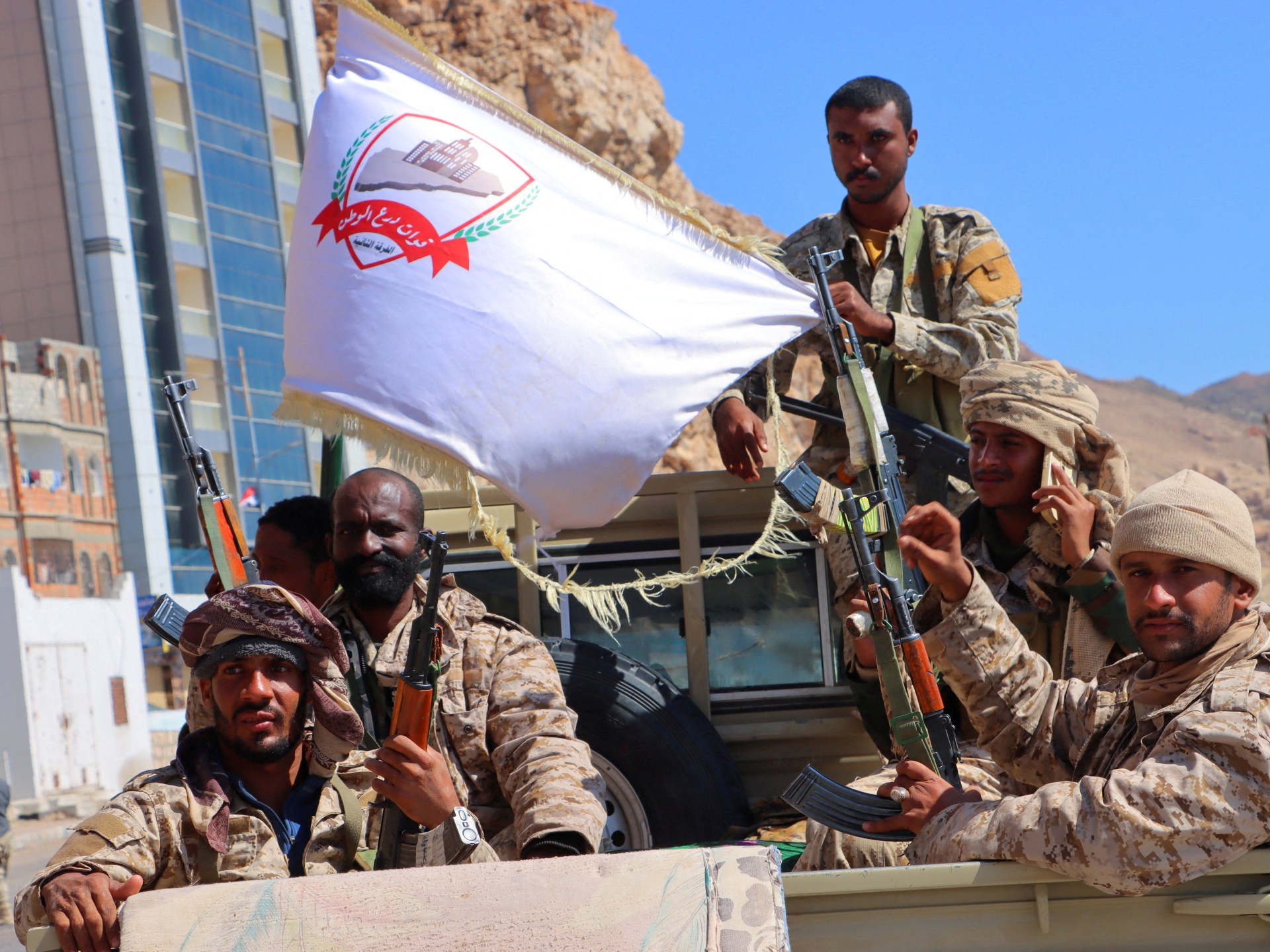
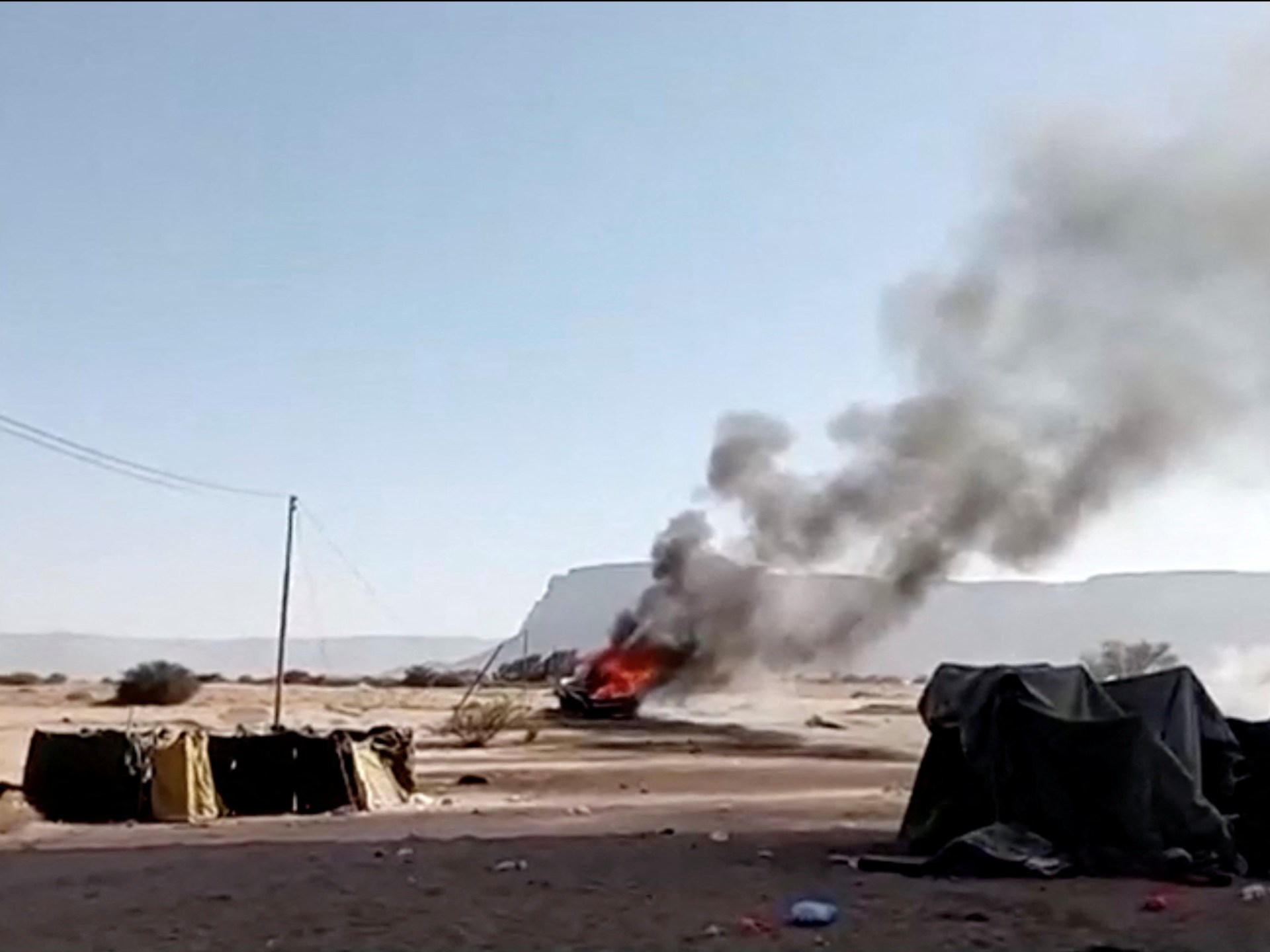
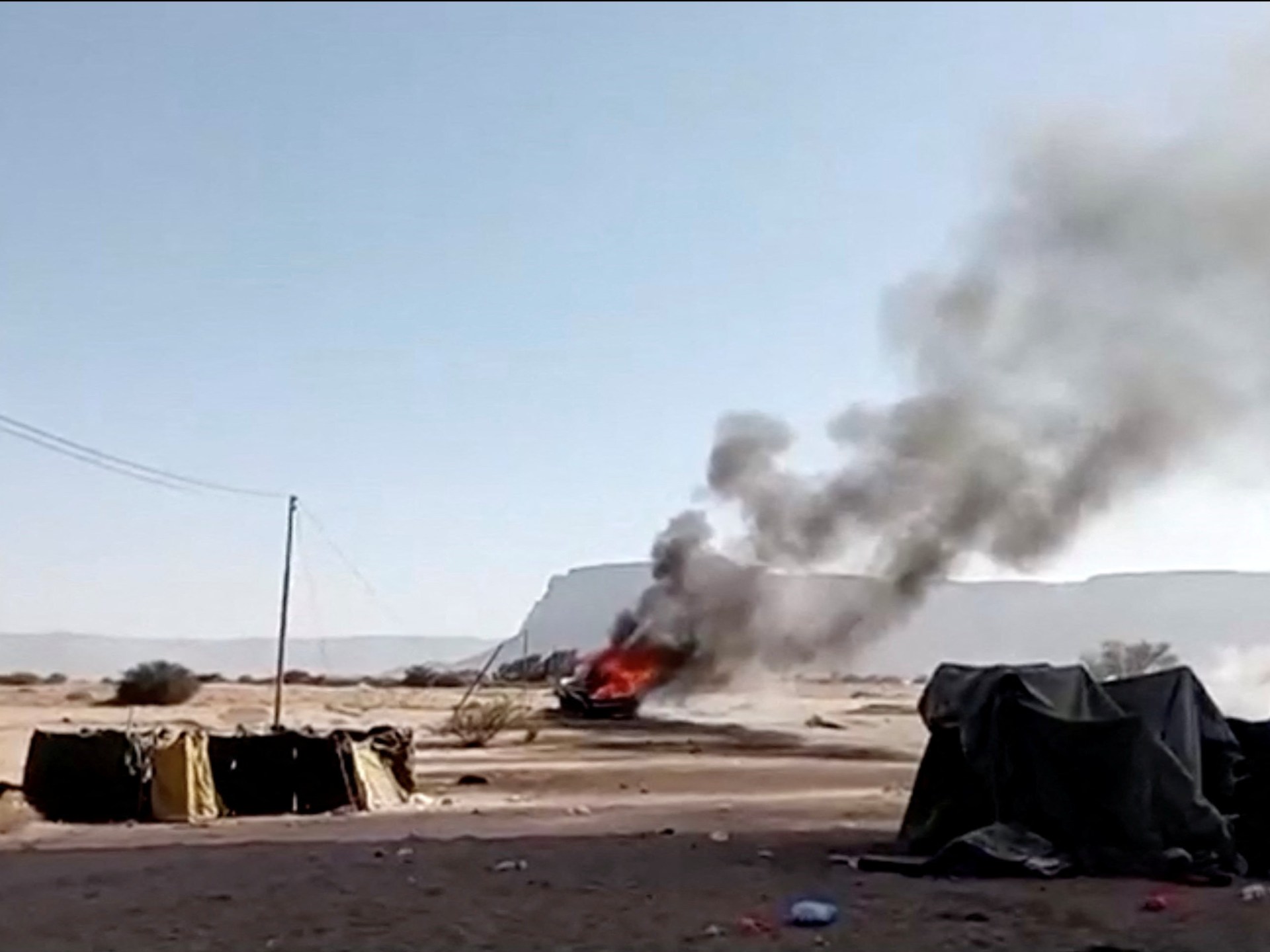
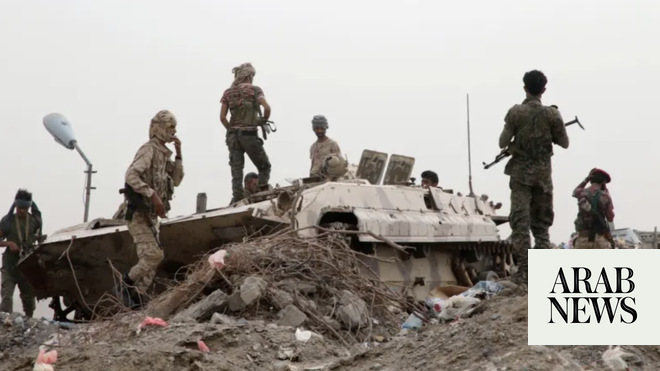
These actions, carried out through armed force and supported by external actors, led to casualties and an escalation of tensions in both governorates.
In response, Yemen’s political leadership appealed to the Saudi-led coalition to contain the situation, called for the withdrawal of Emirati forces, and initiated operations to reassert control over military headquarters in Hadramout and Al-Mahra.
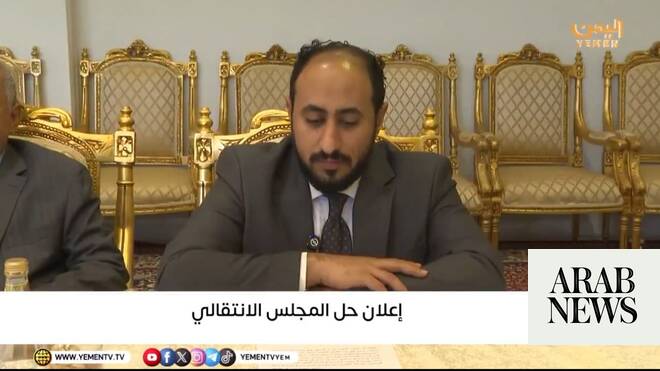
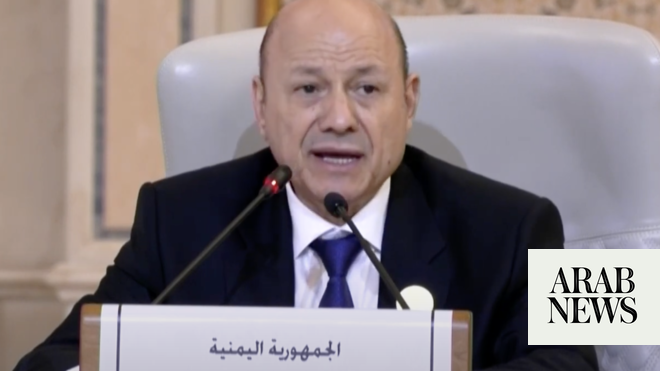
Subsequently, Rashad Mohammed Al-Alimi, chairman of the Presidential Leadership Council, asked Saudi Arabia to host a conference in Riyadh, bringing together all southern factions to discuss solutions — a request accepted by the Saudi leadership.