Jaw-dropping LinkedIn profiles matter more to clubs like Manchester United than coaches with ideas and energy
T
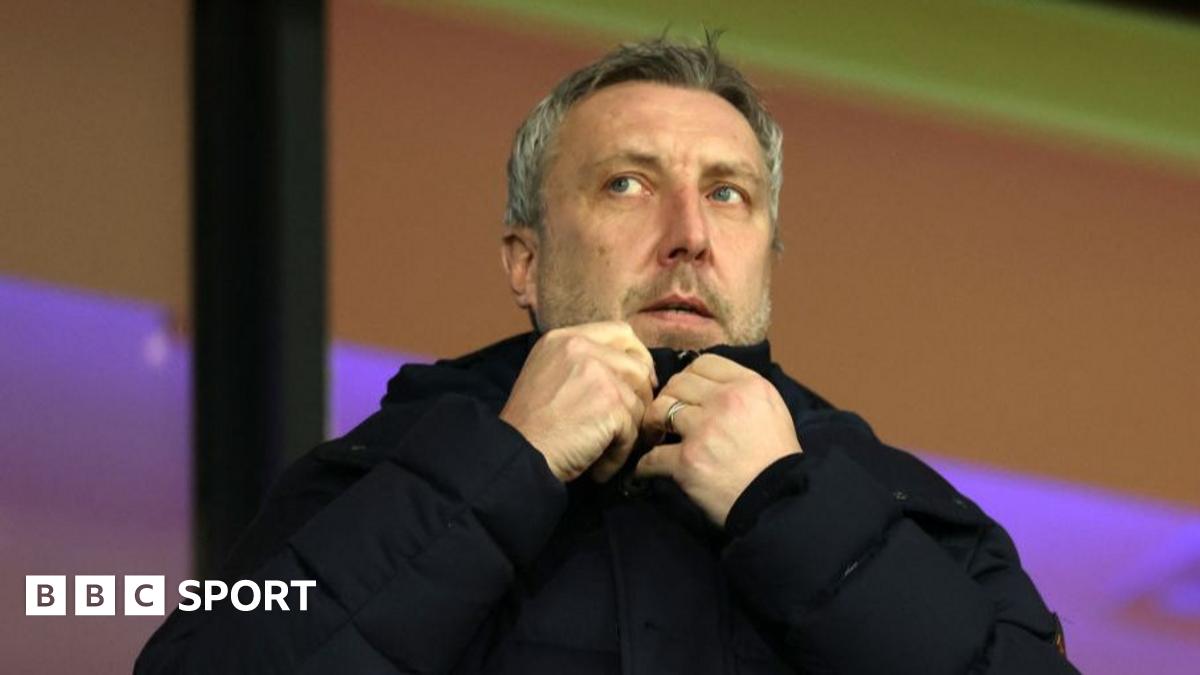
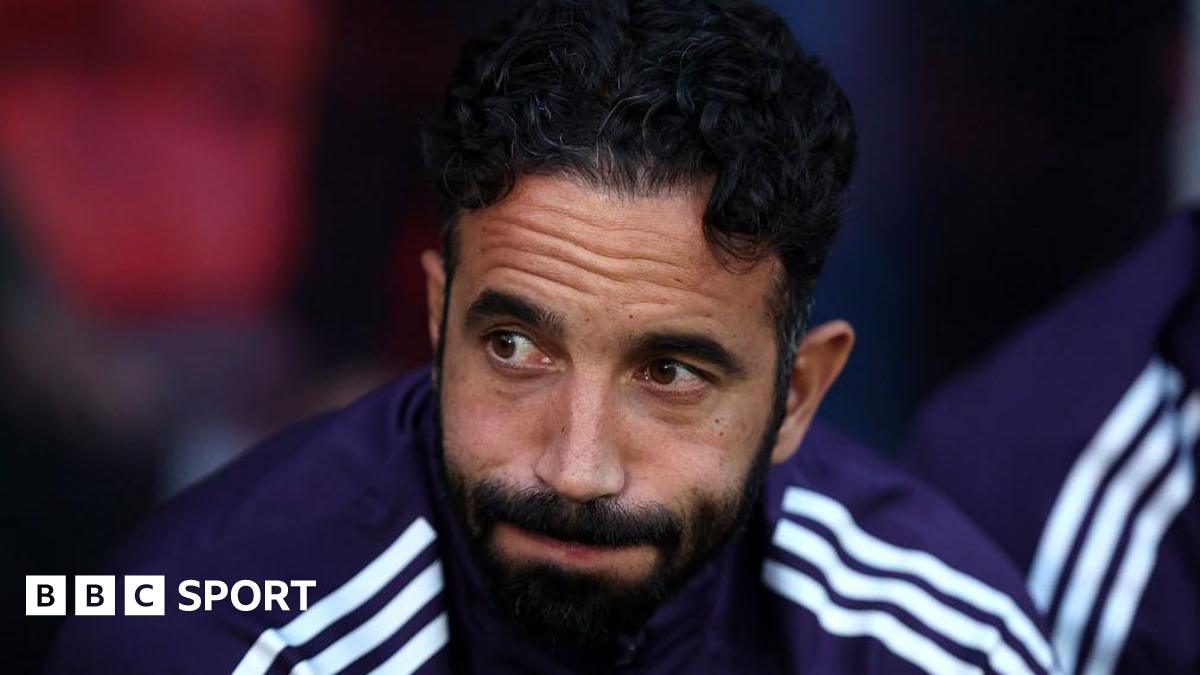
urns out he could survive losing against Grimsby. Survive losing a crucial European final against one of the worst Tottenham teams in living memory. He could survive losing at home against West Ham and Wolves, finishing 15th, the tactical inflexibility, laying waste to some of the club’s best homegrown talent, the 32% win rate, calling his team the worst in Manchester United history. But there was one adversary with whom Ruben Amorim would not be allowed to dance. You come at Jason Wilcox, and you best not miss.
Unfortunately, like many a Premiership right-back in Blackburn’s title-winning 1994-95 season, Amorim came at Jason Wilcox and appears to have missed. Even the most distracted of readers will notice the irony here: a coach who often railed at his players for losing one-on-one-duels crumbling in the face of the white heat and animal charisma of one of the Premier League’s most feared sporting directors.
And frankly this whole bruising episode seems to paint Jason Wilcox in a whole new light. Perhaps it might have been easy, based on his nine months of experience in a similar role at Southampton, to regard Jason Wilcox as little more than a drudge in the United exoskeleton: a man who owed his position as much to his friendship with his former boss Omar Berrada as any verifiable talent. How wrong we all were. In brilliantly outmanoeuvring United’s feted head coach, as he outmanoeuvred the hapless Dan Ashworth before him, Jason Wilcox has proved himself as one of the sport’s true generals: a strategic mind of which United’s mid-table rivals will now be rightly wary.