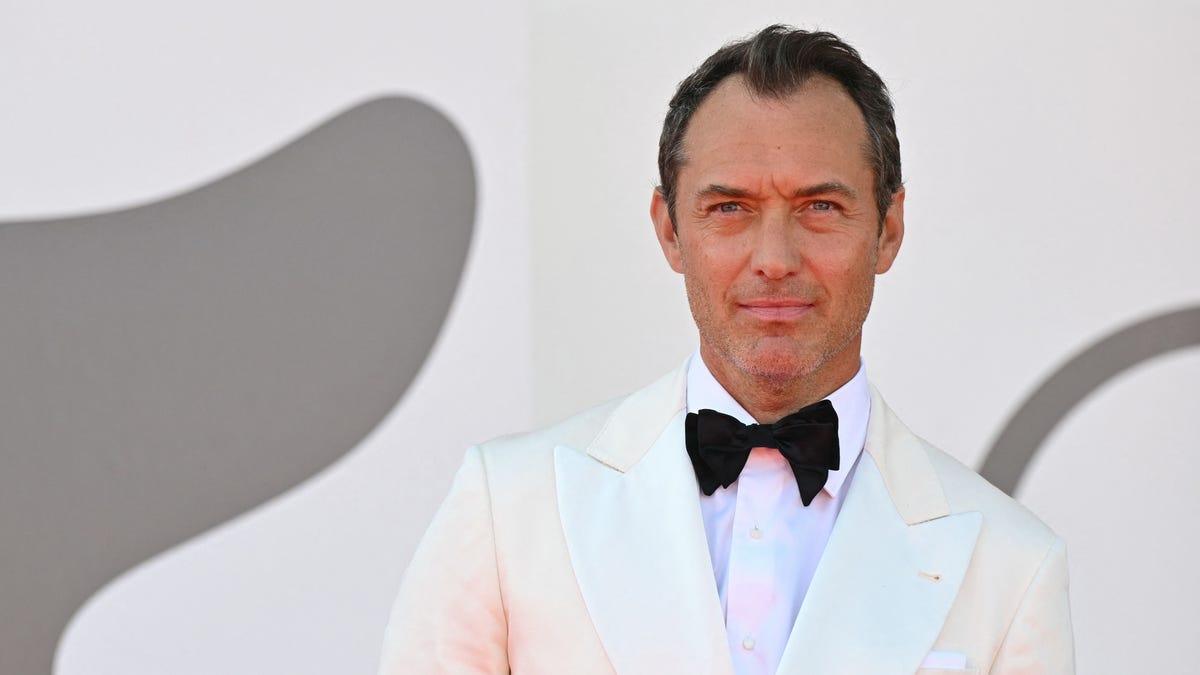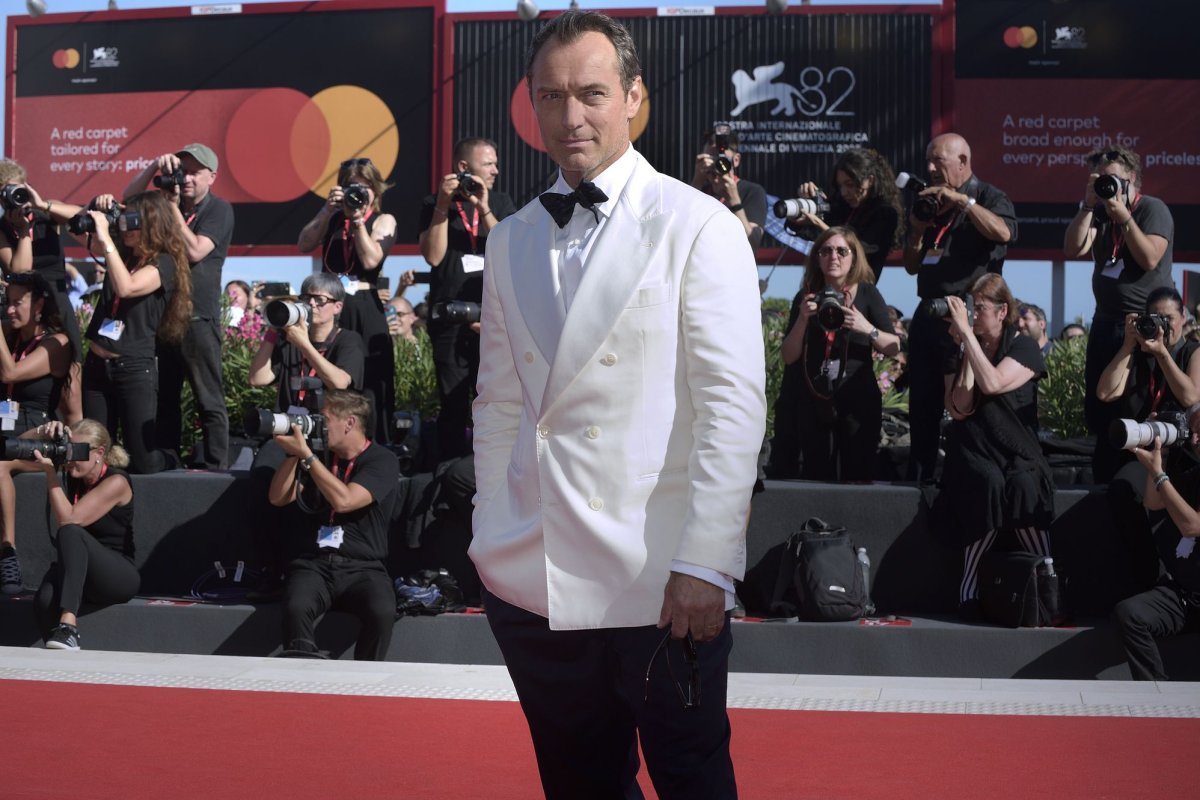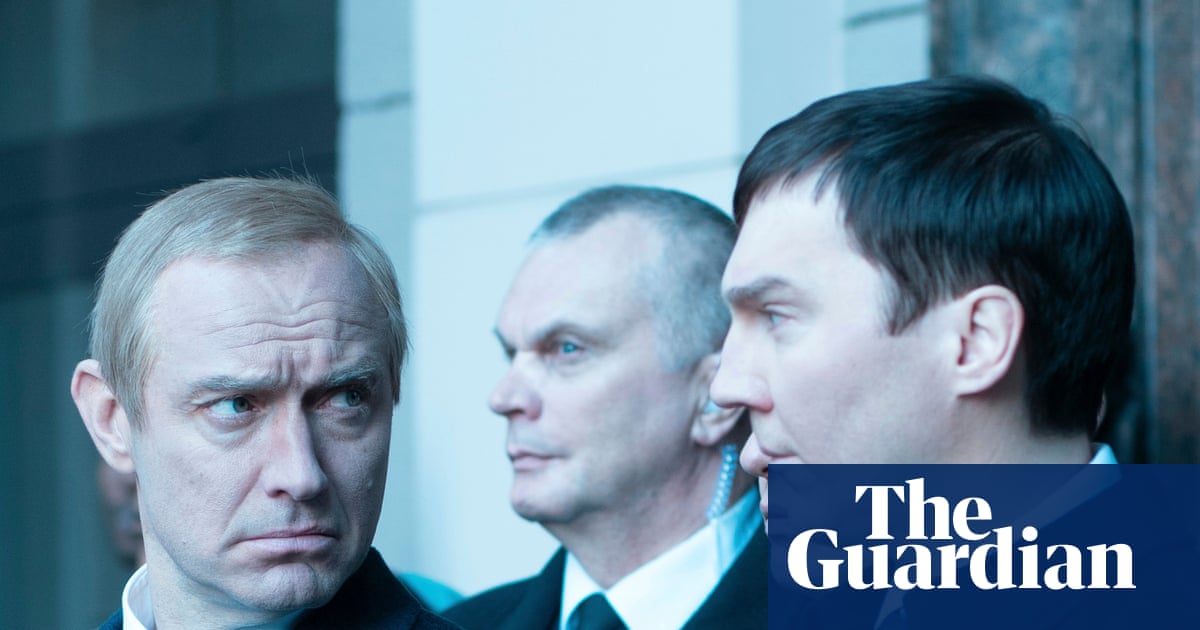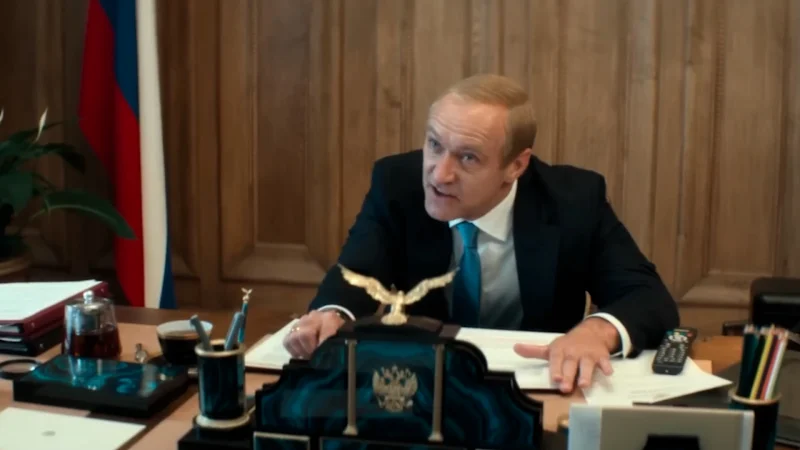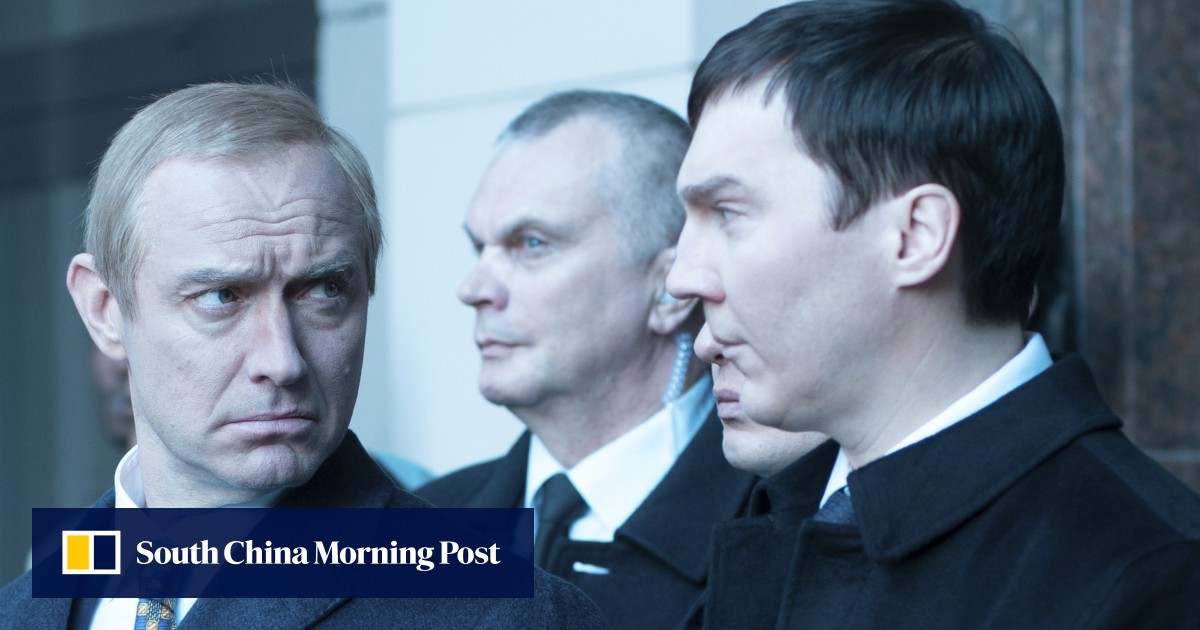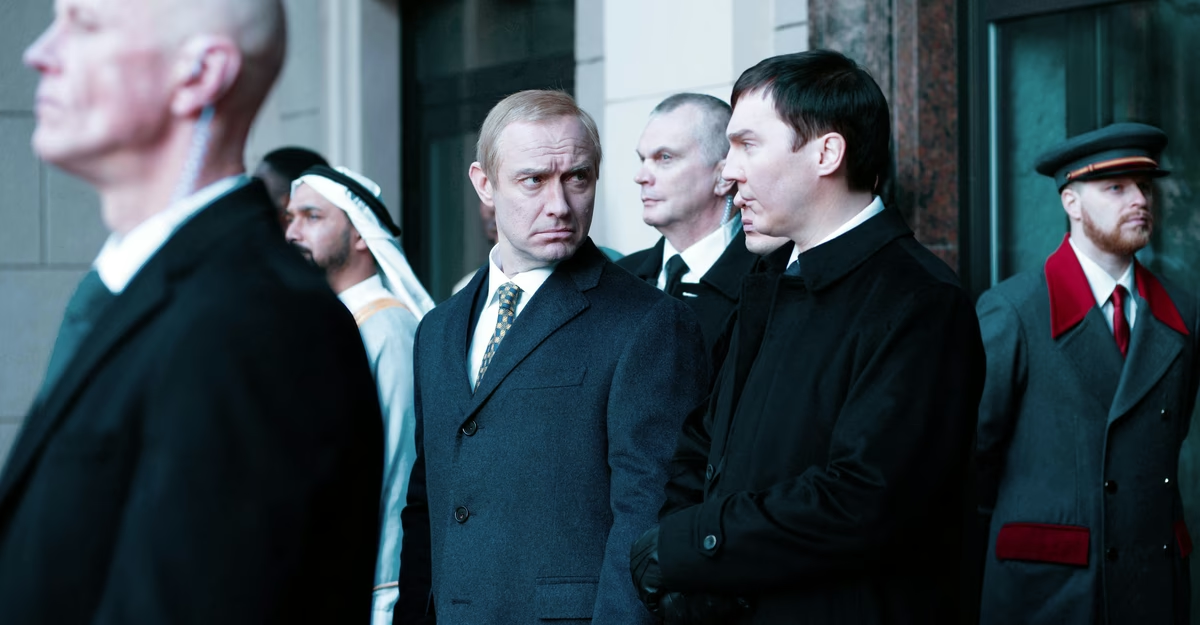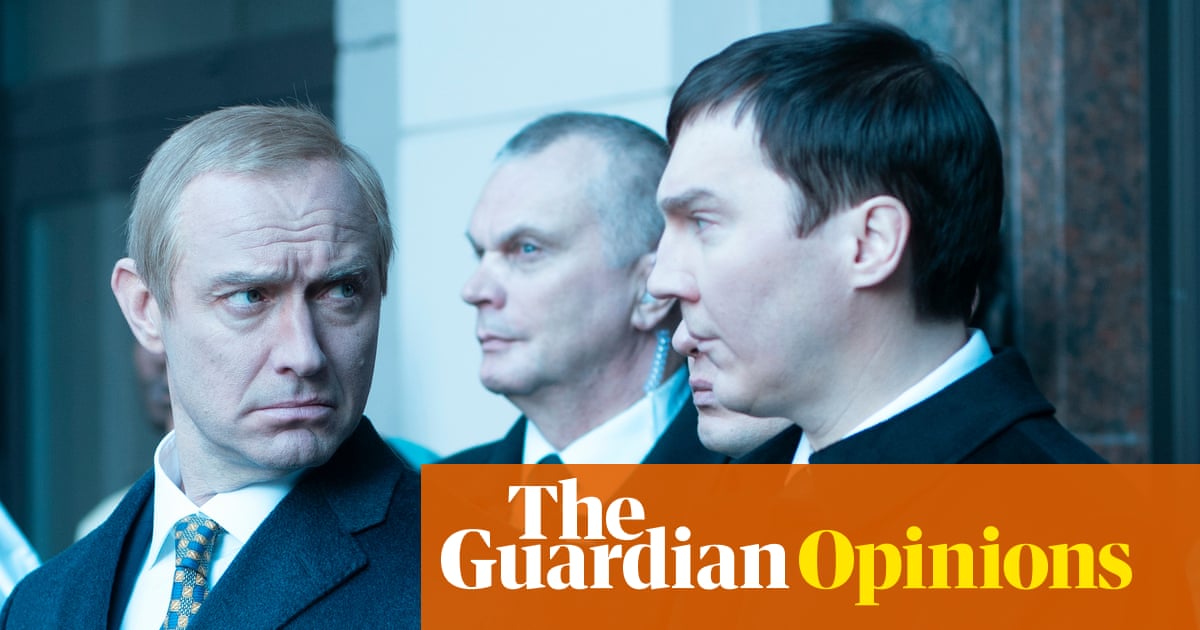
In The Wizard of the Kremlin, Jude Law plays Russia’s president as a cool, reluctant leader, a strategist who got the job because he was young, athletic and a spy. This is a creation far removed from the man himself
L
ast year, speaking at the Venice film festival premiere of The Wizard of the Kremlin, based on a book about the rise of Vladimir Putin, actor Jude Law said he “didn’t fear any repercussions” over his portrayal of the Russian president. Law may be right, but not for the reason he thinks he is. The film aligns so closely with the mythologised version promoted by the Russian media that, domestically, it reads as a compliment rather than an affront.
The Kremlin and Russia’s pop-culture machine have long collaborated to craft a made-to-measure version of Putin that is far removed from the man himself: a political superhero without age or mistakes, a perfectly calculated strategist, a former spy reframed as a Russian James Bond who always knows more than he reveals.
One recent example is the TV series Chronicles of the Russian Revolution, released in October and directed by Andrei Konchalovsky, a Silver Lion winner and longstanding Kremlin supporter. Its main character is a fictional blue-eyed lieutenant colonel in the secret services, inexplicably chosen by the emperor’s inner circle and presented as the man who “saves” Russia from chaos, a role played by Yura Borisov, an Oscar nominee this year. Although the character is named Mikhail rather than Vladimir, the implication is clear: in this narrative, the saviour of Russia must be the familiar security officer.