Writers and Guardian readers discuss the titles they have read over the last month. Join the conversation in the comments
Ever since my father presented me with a copy of The Unicorn, beautifully translated into my mother tongue, I have been an ardent admirer of Iris Murdoch’s. I went on to read all of her novels, plays and poetry with great enthusiasm. Before Christmas, I returned to her penultimate novel, The Green Knight, having remembered very little of it. Yet from the very first page, I was reminded why I have always loved her work so deeply: the prose is rich, precise, disciplined and meticulously detailed; the many characters are so vividly rendered that none appears two-dimensional; each experiences and processes reality in a way that feels distinct and unmistakably individual; and the pacing of events feels perfectly judged. Although the novel is threaded with philosophical reflections on goodness and love, these never feel laboured or artificially imposed. Rather, they emerge naturally as an integral part of the novel’s dense and intricate tapestry.
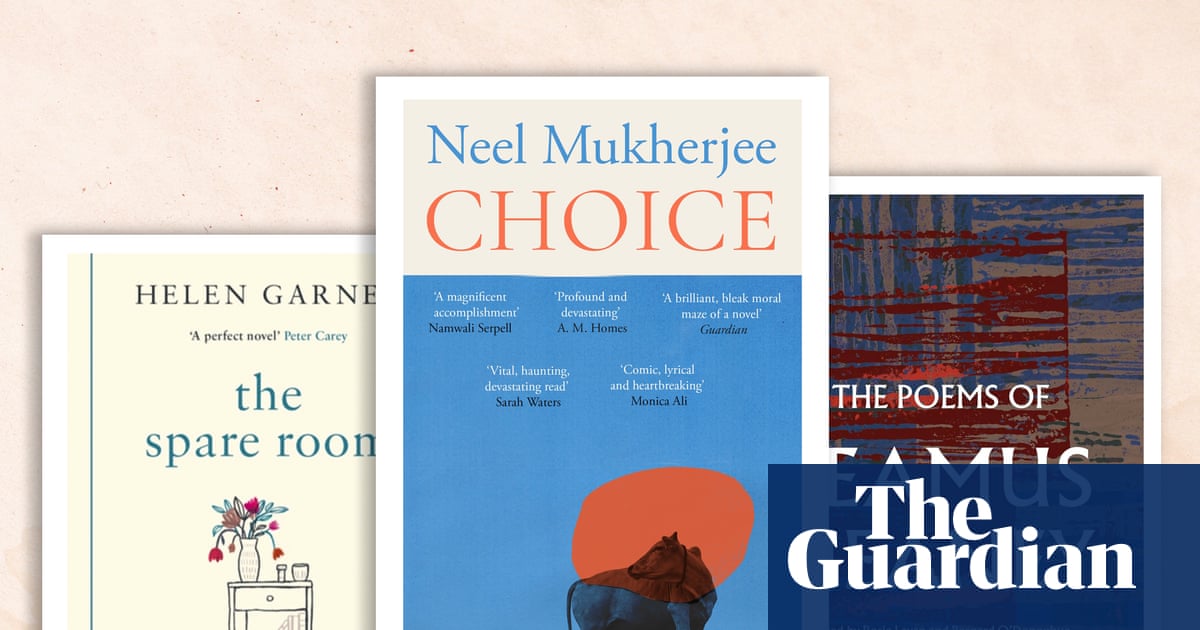
I’ve spent a month reading two poets whose work has been part of my life for more than 50 years. John Fuller’s Marston Meadows opens with the immaculate corona of sonnets that inspired Ian McEwan’s new novel What We Can Know, but these give only a foretaste of a collection that ranges, with amazing wit, agility and deep feeling, through the changing perspectives of old age (Fuller is 89). To my mind, the most moving and luminous of all his books. The Poems of Seamus Heaney, superbly edited by Rosie Lavan, Bernard O’Donoghue and Matthew Hollis, contains surprises too: poems that were previously uncollected, some never seen before, and most of them fit to stand beside the literary landmarks of their time. It’s been as magical to find these new things as to reread the countless other poems known almost by heart.