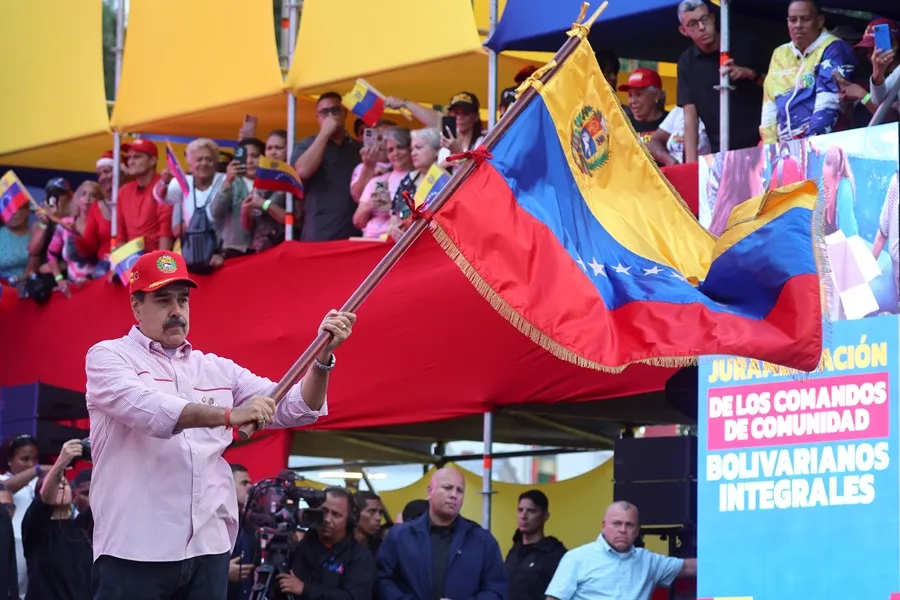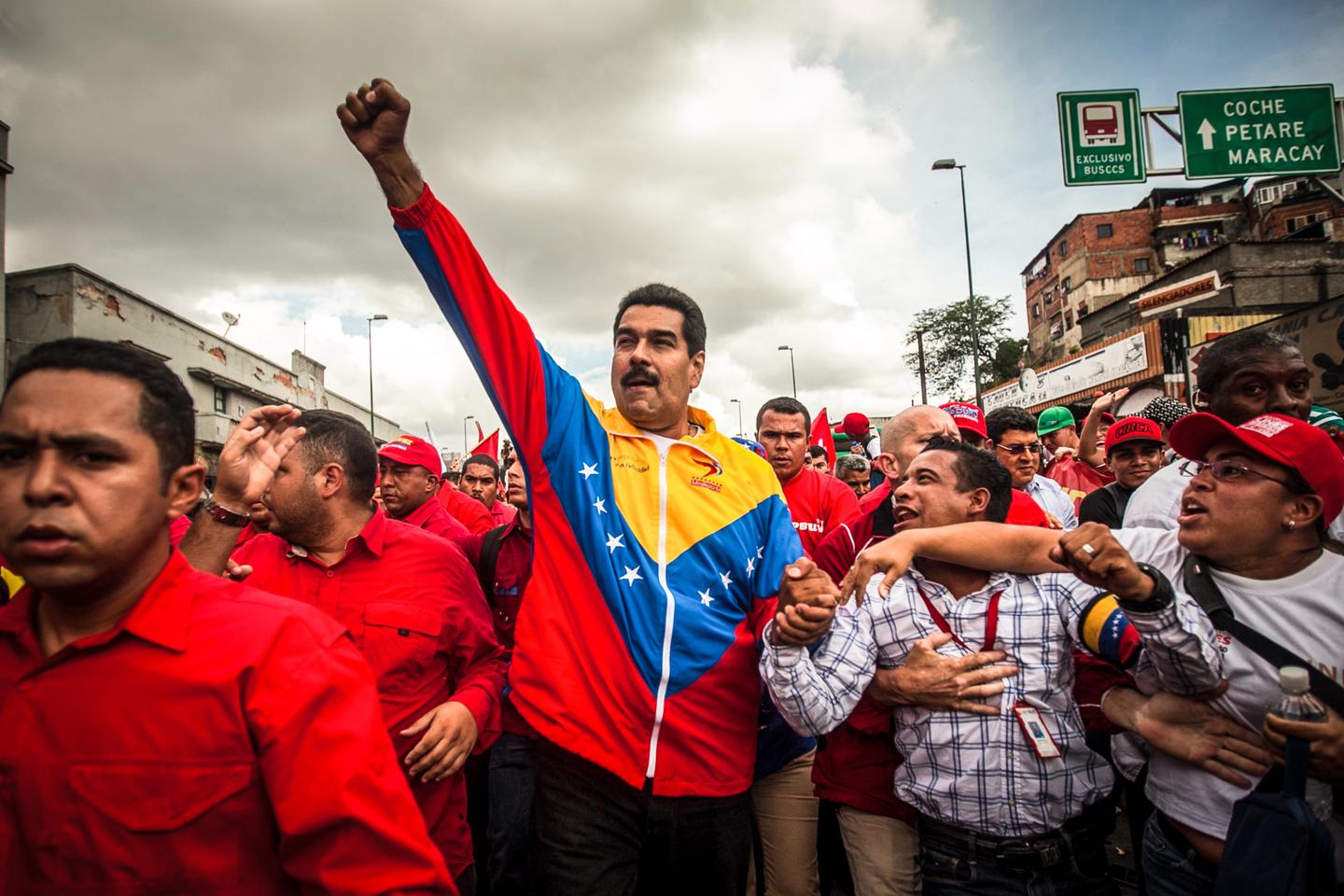
Venezuelan President Nicolas Maduro greets supporters during a rally in Caracas on May 1, 2013. MERIDITH KOHUT FOR LE MONDE
On December 8, 2012, Hugo Chavez, who was suffering from cancer, prepared to undergo another surgery in Cuba. The Venezuelan president called on his fellow citizens to vote for Nicolas Maduro, should he die. Sitting beside him, the man who was then serving as foreign minister and vice president, remained impassive. "I had never wanted to be president," he would later clarify.
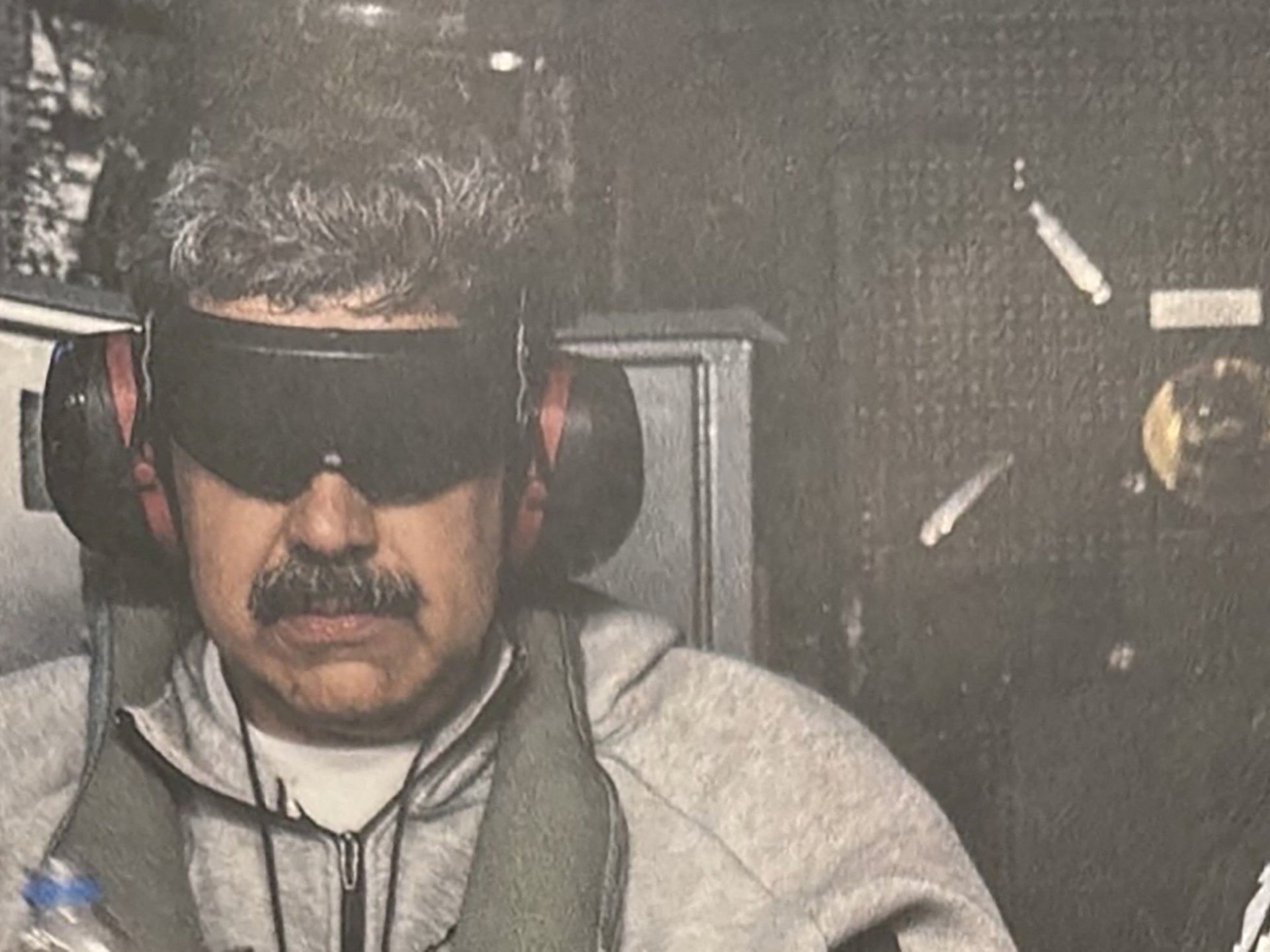
Chavez died in March 2013 and Maduro was narrowly elected in April. Neither the supporters of the Bolivarian Revolution, nor its opponents, nor probably even Maduro himself could have imagined that he would remain in power for nearly 13 years. That reign came to an end at dawn on Saturday, January 3, when US special forces intervened. Captured in Caracas and exfiltrated along with his wife, Cilia Flores, Maduro remained equally impassive upon arriving in New York in handcuffs. "Good night and happy new year," he wished his jailers, standing tall at 1.95 meters.
Did he lose his composure when he heard gunshots from American soldiers firing on his security detail? The "surgical intervention" ordered by US President Donald Trump resulted in the deaths of around 80 people, according to an unofficial count. Appearing Monday before a New York court, the Venezuelan leader pleaded "not guilty" to the drug trafficking charges against him. "I am a prisoner of war," he stated.