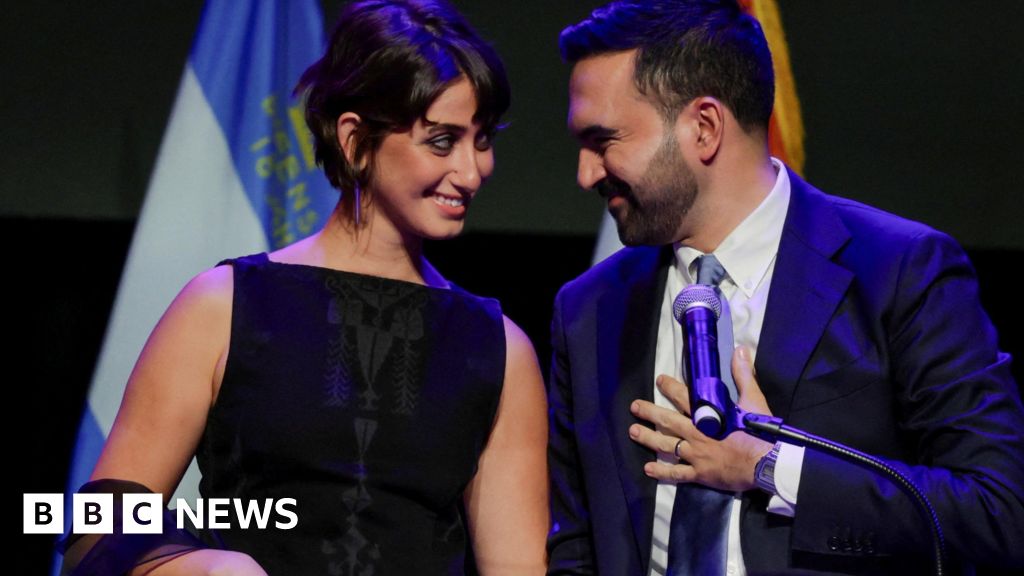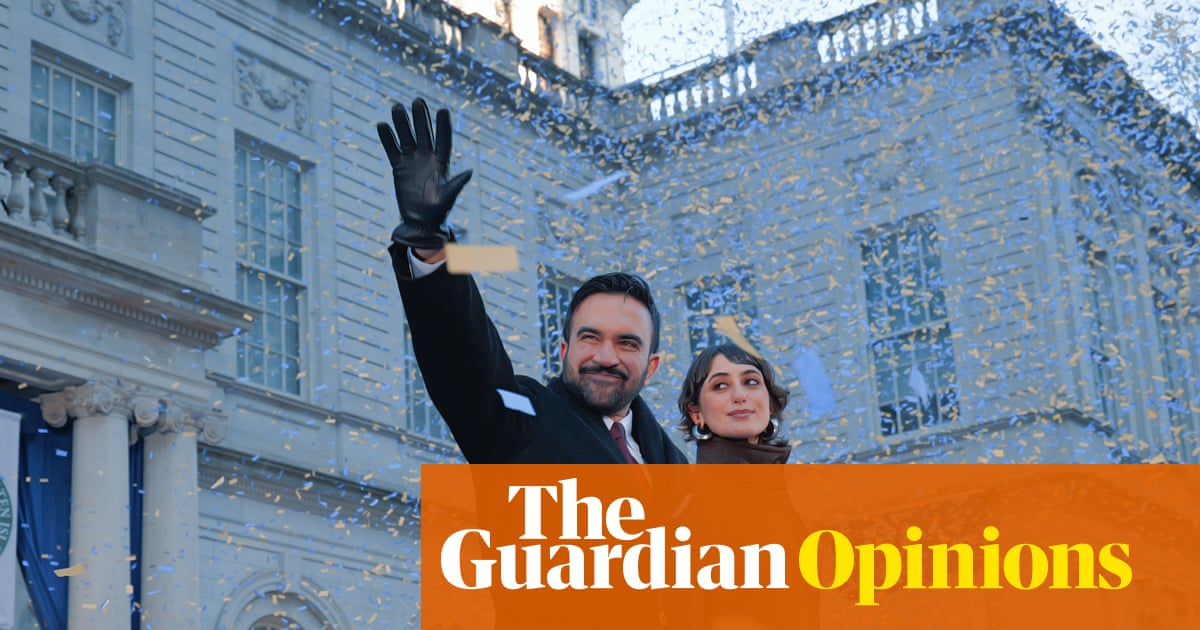
New York’s new mayor will face headwinds as he attempts to carry out a programme of civic renewal. But his affordability agenda speaks to the times
T
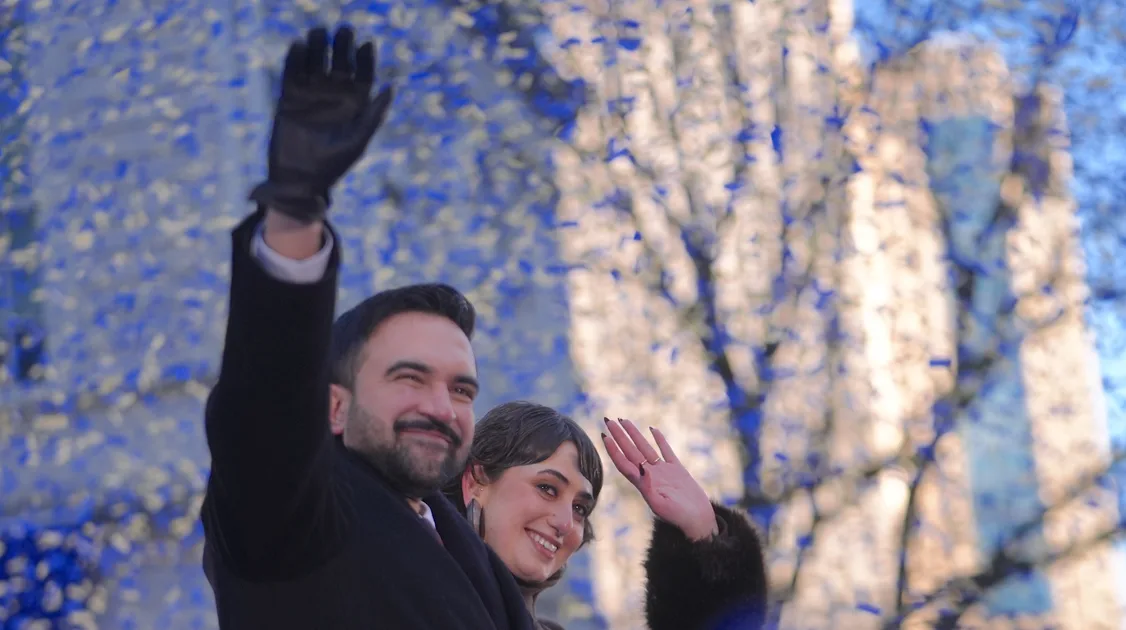
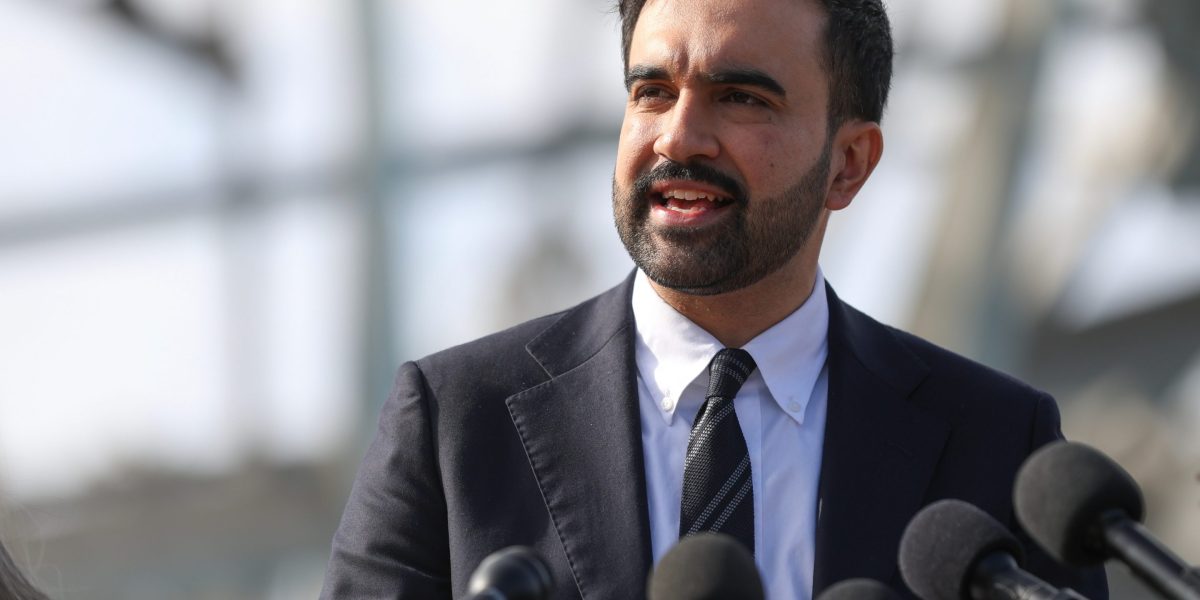
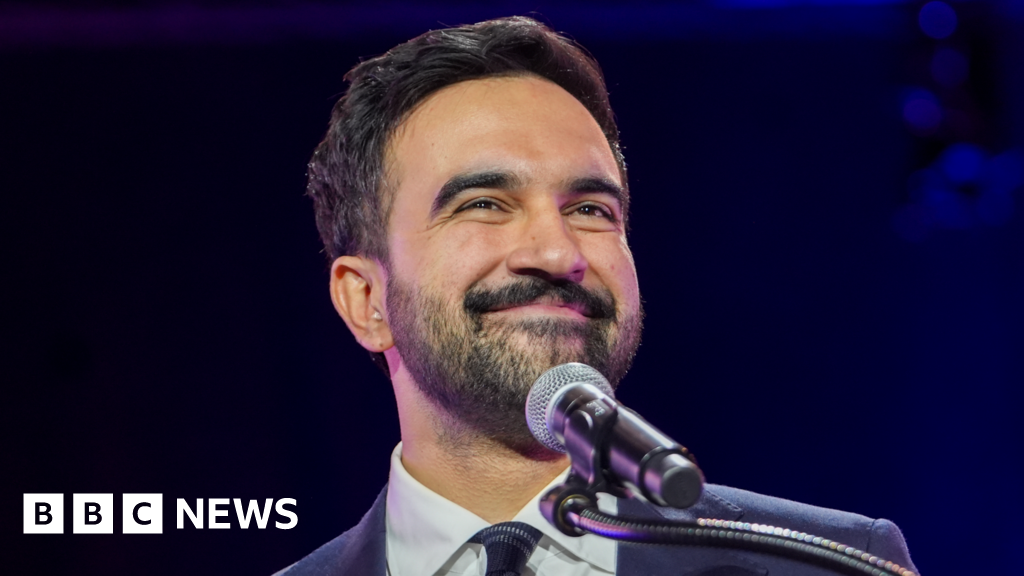
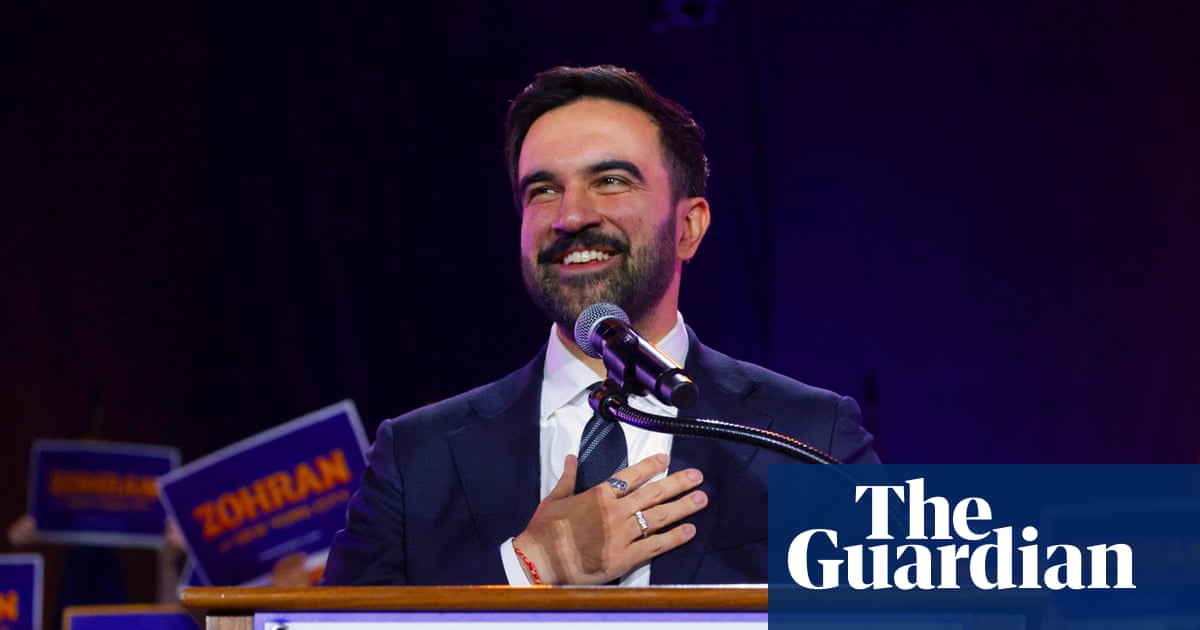
he multiple firsts achieved by New York’s new mayor, Zohran Mamdani, have been well chronicled: he is the first Muslim to occupy that role, the first south Asian and the first to be born in Africa. He is also the youngest mayor of the largest city in the United States for over a century, having received more votes in November’s election than any candidate since the 1960s. And politically, he is probably the most leftwing incumbent of the office since Fiorello La Guardia in the 1930s and 40s.
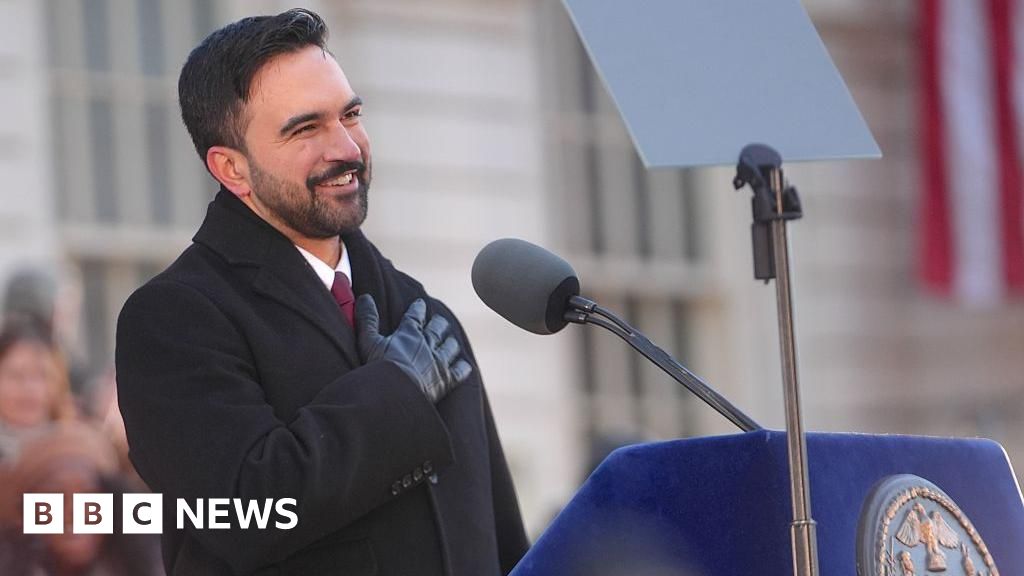
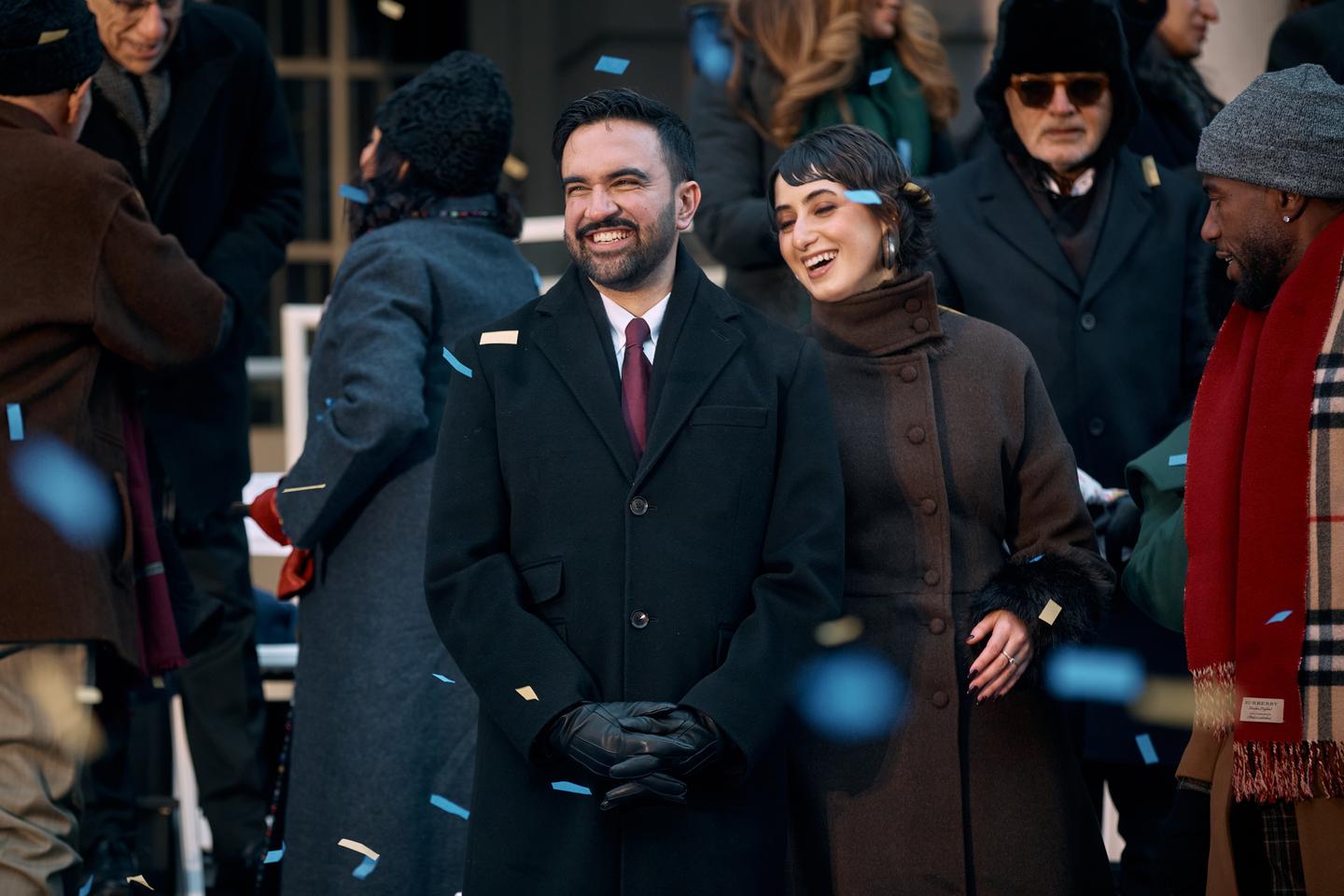
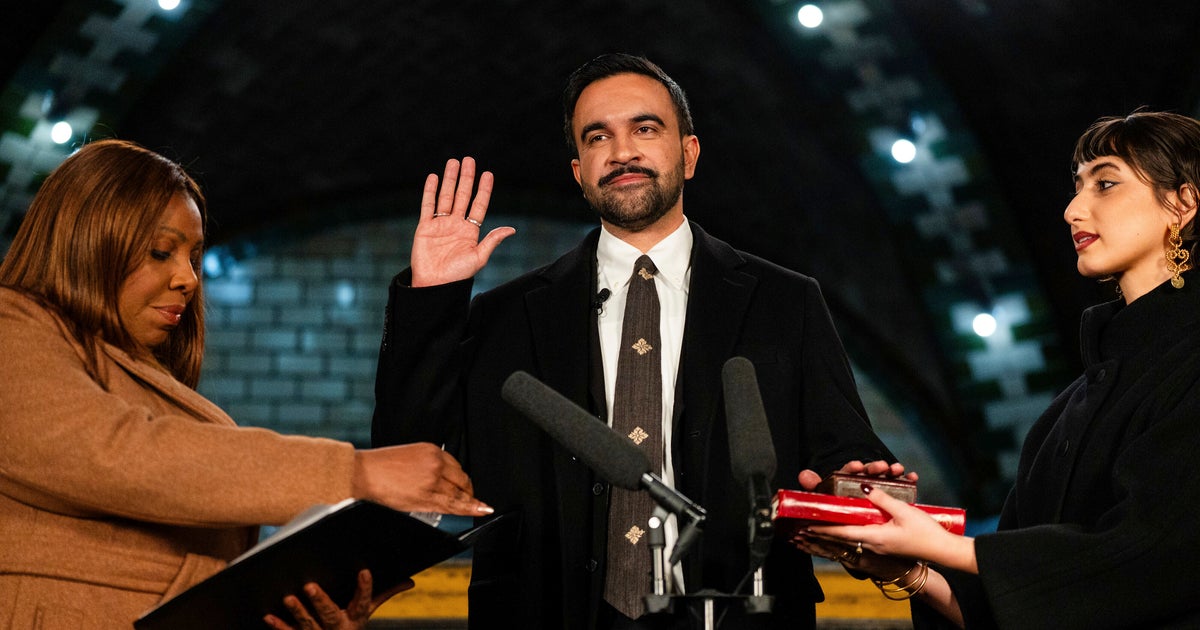
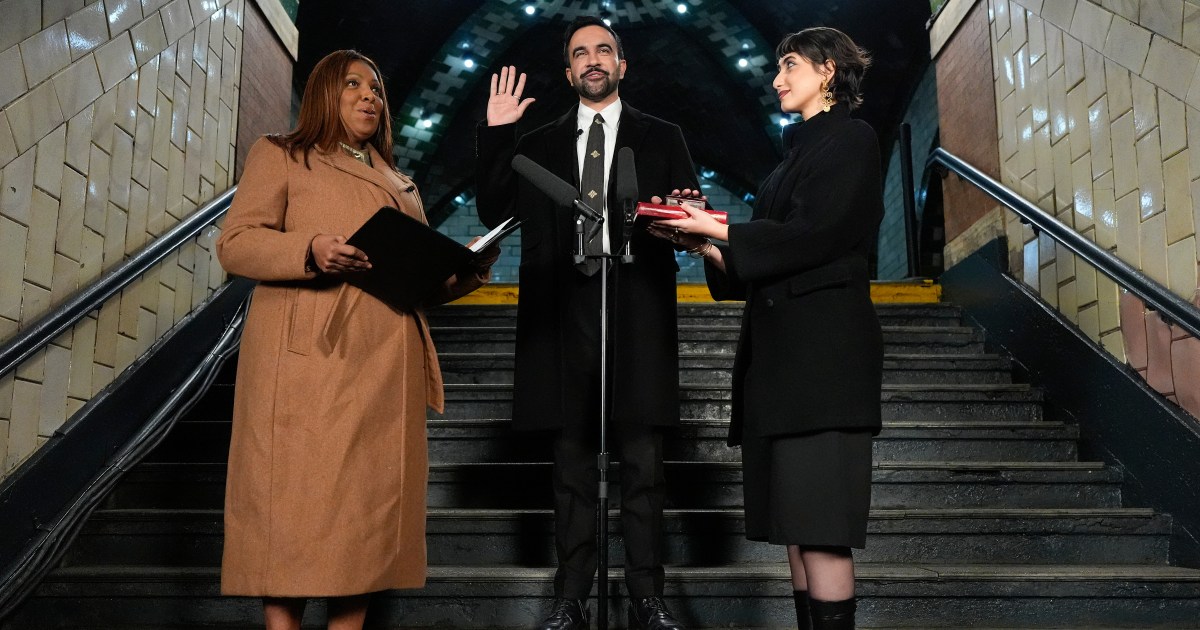
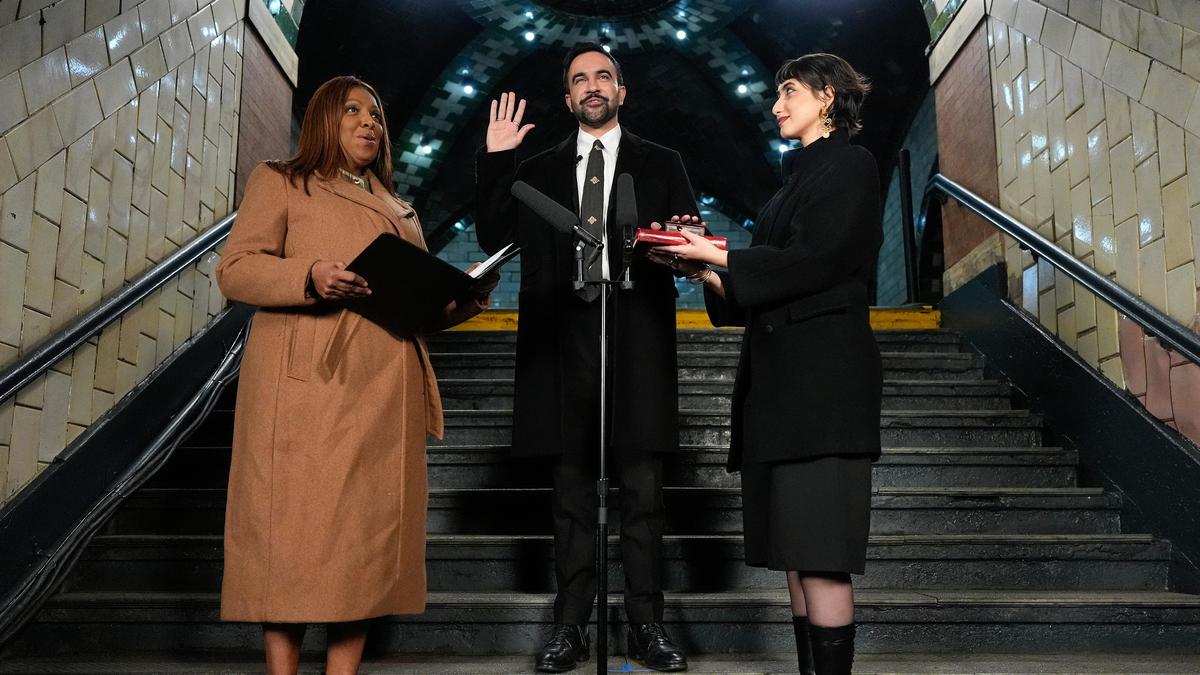
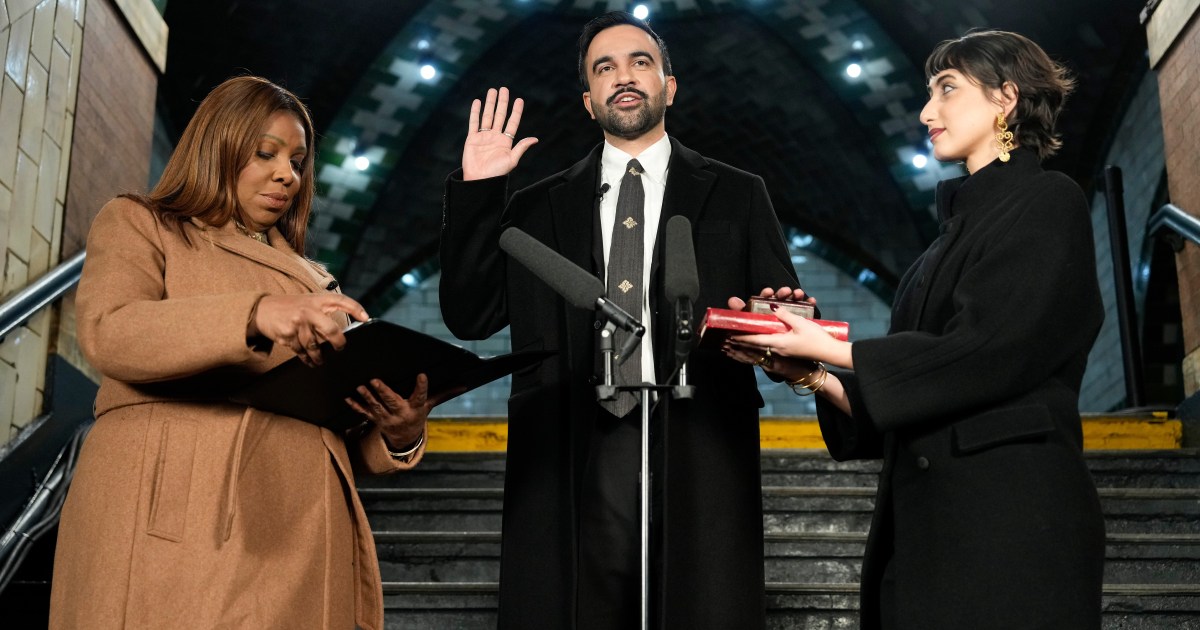
Hardly surprising then, that Mr Mamdani’s extraordinary rise to prominence should be accompanied by high expectations and tense anticipation. At last Thursday’s inauguration ceremony, he promised to “govern expansively and audaciously”. Whether he succeeds in doing so will have considerable ramifications for progressive politics more widely.
Pledging to make New York “a city we can afford”, Mr Mamdani campaigned on plans to introduce free universal childcare, hugely increase the availability of cheaper housing, and generally reduce everyday costs of living for residents. In order to finance this programme, he has restated his intention to raise tax rates on the very wealthy, and on corporations. Linking the vision of a livable metropolis to a politics of redistribution, this approach has assembled a coalition of voters ranging from young renters to union members, migrants and the professional middle classes.