The Samajwadi Party (SP) on Sunday (January 4, 2026) alleged that the Namami Gange Mission suffers from a core infrastructure gap, with roughly 45% of the targeted sewage treatment infrastructure remaining uninstalled or non-functional despite over a decade of implementation and substantial funding.
“Namami Gange’s core target is 7,000 million litres per day (MLD) sewage treatment capacity by December 2026 to stop untreated sewage from entering the Ganga. As per the Ministry of Jal Shakti via the PIB, as of October 2025, 138 Sewage Treatment Plants (STPs) provide only 3,806 MLD operational capacity, while the Ministry’s own June 2025 data contradicts this claim, stating 167 STPs at 3,781 MLD. However, this still leaves a persistent 3,194 MLD gap, equivalent to the entire wastewater capacity of cities like Kolkata or Chennai, meaning over 45% of required treatment infrastructure remains non-functional despite 10-plus years and massive funding,” Ram Pratap Singh, SP spokesperson, said.
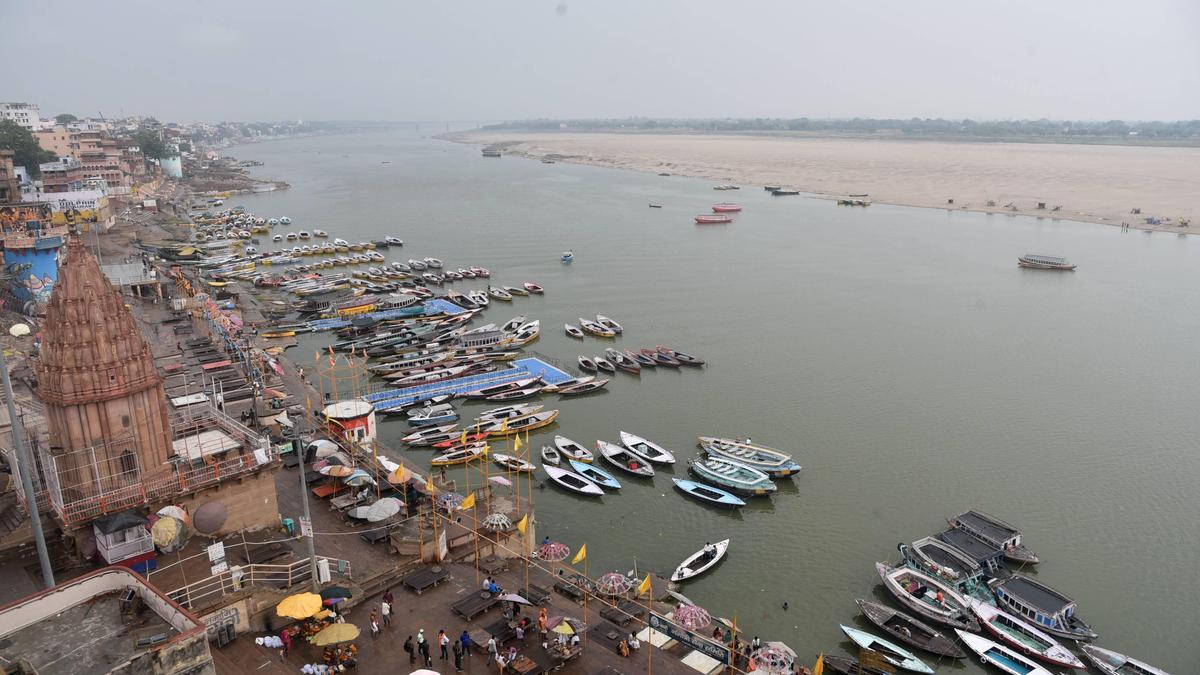
Mr. Singh added that in cities such as Kanpur, Varanasi and Prayagraj, waste continues to overwhelm the government’s flagship project, with pollution levels rising. “Kanpur represents industrial pollution failure. The city’s Bingawan STP has a confirmed capacity of 210 MLD designed for both municipal sewage and tannery co-treatment, yet Central Pollution Control Board reports consistently list it as non-compliant for BOD,” he said. Wastewater treatment plants use biochemical oxygen demand as an index to assess the degree of organic pollution in a water source.