I
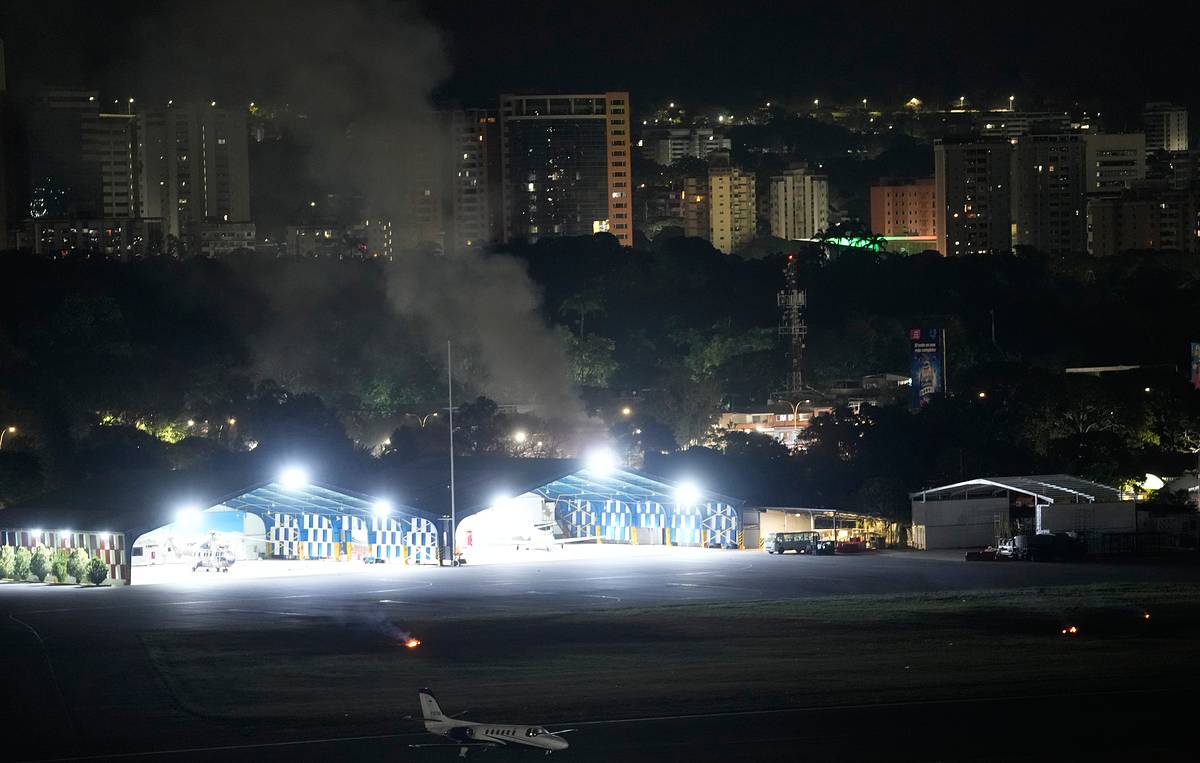
t was a mistake to laugh at Donald Trump's ambition to rename the Gulf of Mexico after America upon his return to the White House less than a year ago. The US military's attack in Caracas, Venezuela, and capture of Nicolas Maduro on January 3 show that Washington now claims full rights over what it considers its backyard.
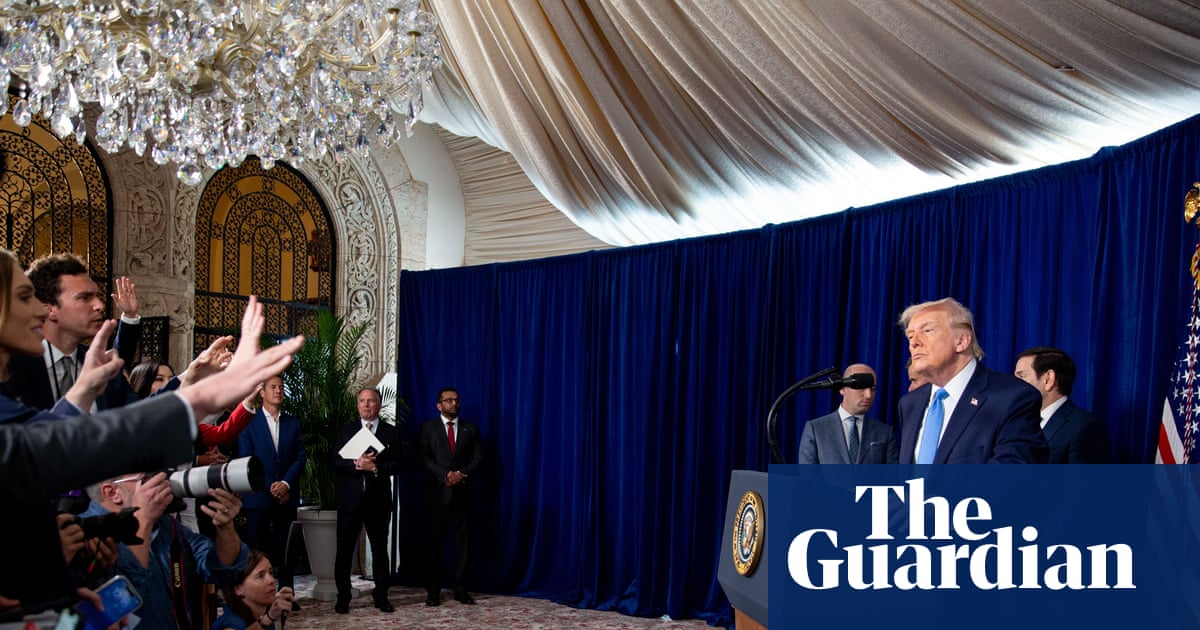
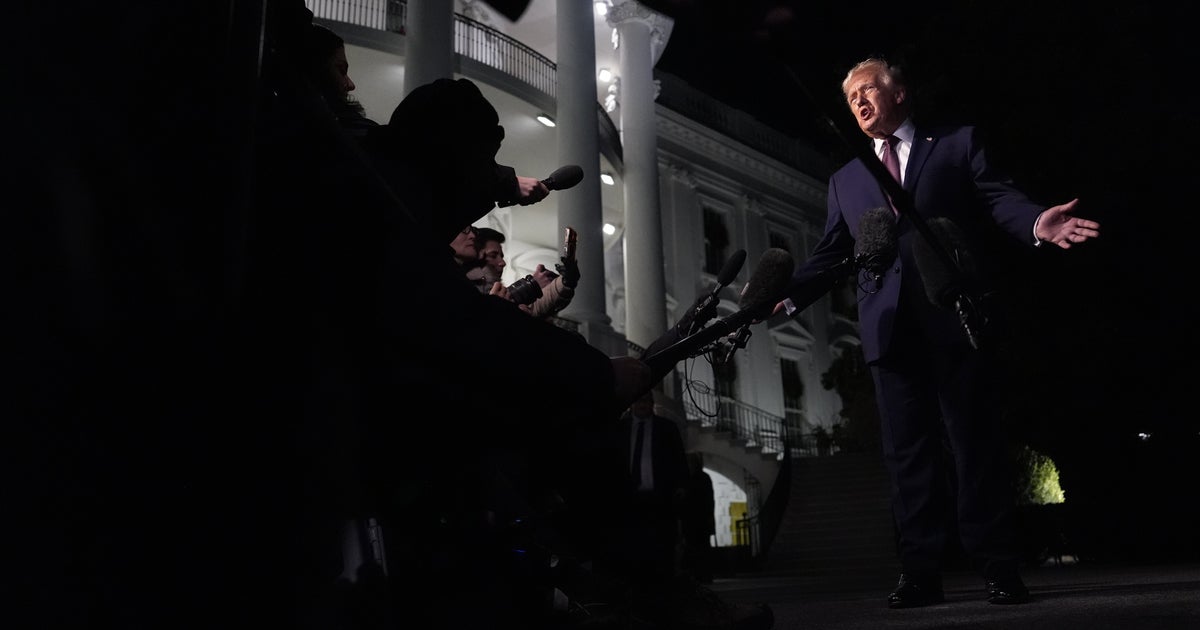
With this operation, which it justified by the dubious accusation of "narcoterrorism," the US pushed the American continent back more than a century, only now as a military superpower. At the press conference held hours after Washington's show of force, Trump made clear by repeatedly mentioning Venezuelan oil that this new wave of American imperialism is as predatory as it was in the past.
Maduro himself contributed significantly to this outcome. By clinging to power by any means, including by terror, after clearly losing the 2024 presidential election, he gave up the little bit of popularity he had left. He was responsible for a wave of migration affecting the entire continent and his disastrous record at the helm of an oil-rich country, impoverished by sterile ideology, incompetence, violence and corruption, had long argued for his departure.
The brutality of a regime, however, is not justification enough. Only by refusing to consider the full consequences can anyone be satisfied with such a removal by force. The first consequence is, of course, for Venezuelans, who learned on January 3 that Washington now intends to run their country without consulting them and for an indefinite period. The interests of the US, as Trump sees them, have taken precedence over the will of the Venezuelan people, the country's sovereignty and any effort to revive a democracy battered by years of dictatorship. All these essential concerns, in the Republican president's view, come after those of American oil companies.