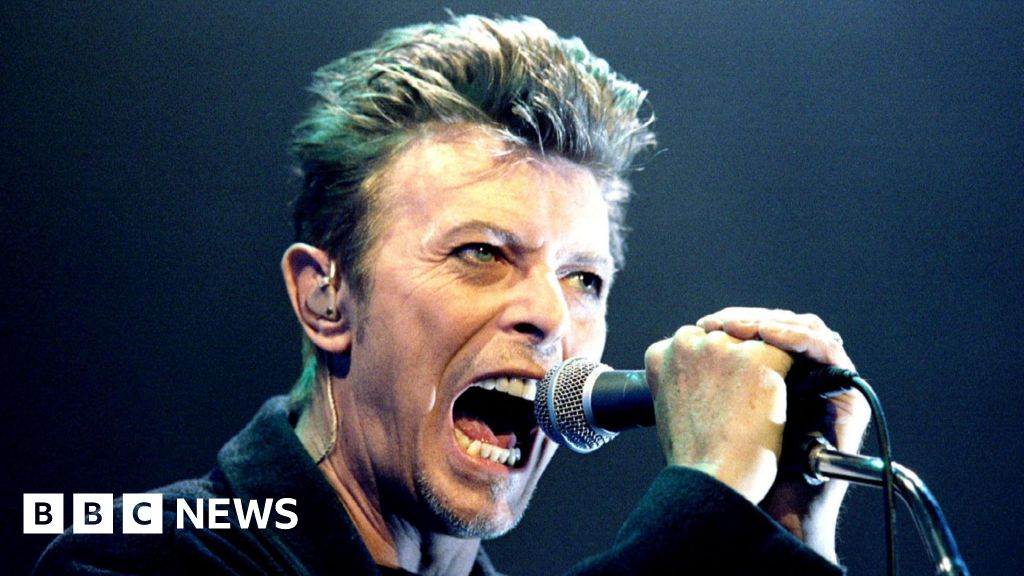
Released two days before his death, Bowie’s last album Blackstar was a redemptive masterstroke. But his career was stuffed with failures – and this documentary refuses to gloss over the most painful parts
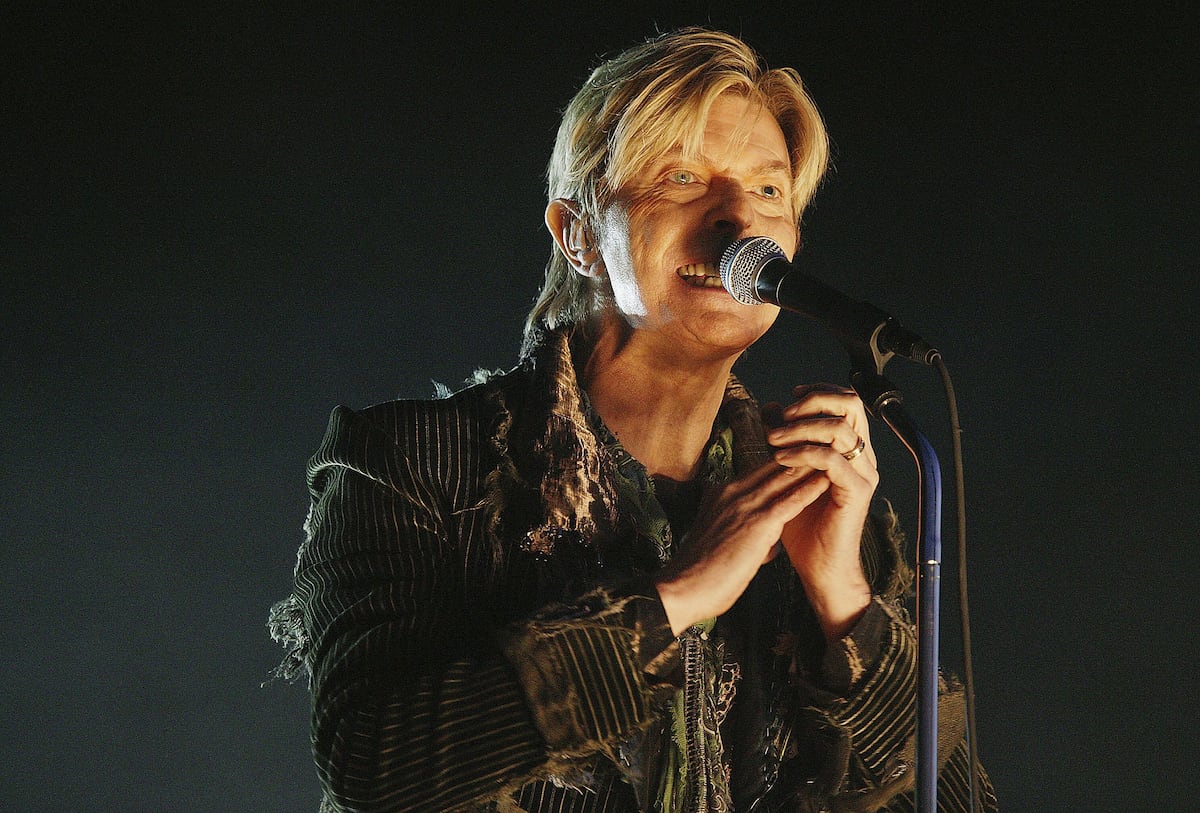
avid Bowie’s story ended poignantly. On 8 January 2016, he released Blackstar, an album recorded with the knowledge that he would not live to make another. Two days later, on 10 January 2016, just as listeners and reviewers were starting to laud Blackstar as the tenderest ever expression of his craft, Bowie died.
Perhaps only Bowie could have turned his demise into a perfectly timed creative event and, in Jonathan Stiasny’s feature documentary The Final Act, Blackstar is presented as a definitive masterstroke, the closing chapter that makes sense of the rest of the book. To make that case, the film has to take some narrative-shaping liberties, because in reality Bowie’s career was, like most artistic arcs, full of false starts and long pauses. The Final Act dabbles in some parts of the Bowie timeline and elides others before focusing intently on moments that don’t deserve the attention. But in its effort to find a new angle on Bowie and make us love him afresh, it succeeds.
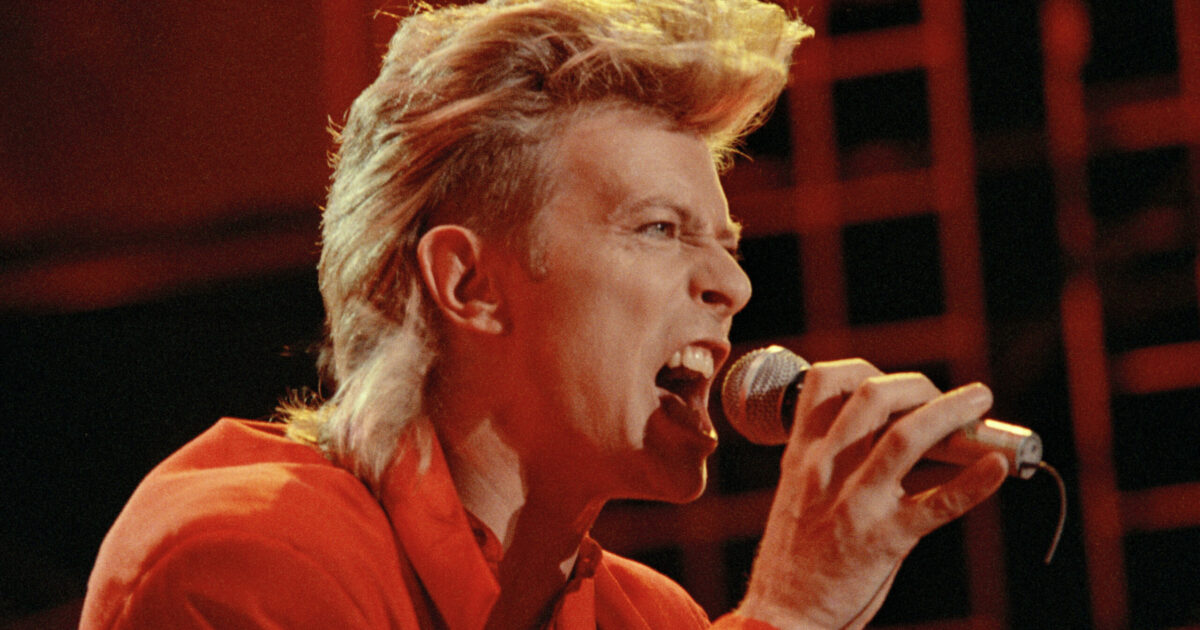
Blackstar is seen as a redemption, a coming to terms with the singer having lost his way in the 1980s and 90s. The programme begins in 1983, where we find Bowie at a level of mainstream fame that didn’t sit comfortably with him. “I didn’t want whatever it was I’d earned for myself with the success of Let’s Dance,” he says in an archive clip from some years later. Some might say he tolerated the anguish for quite a while, since the low point of this era, a Pepsi ad made with Tina Turner, was not until 1987. But The Final Act is all about showing us a vulnerable, fallible Bowie, so we’re not minded to quibble.