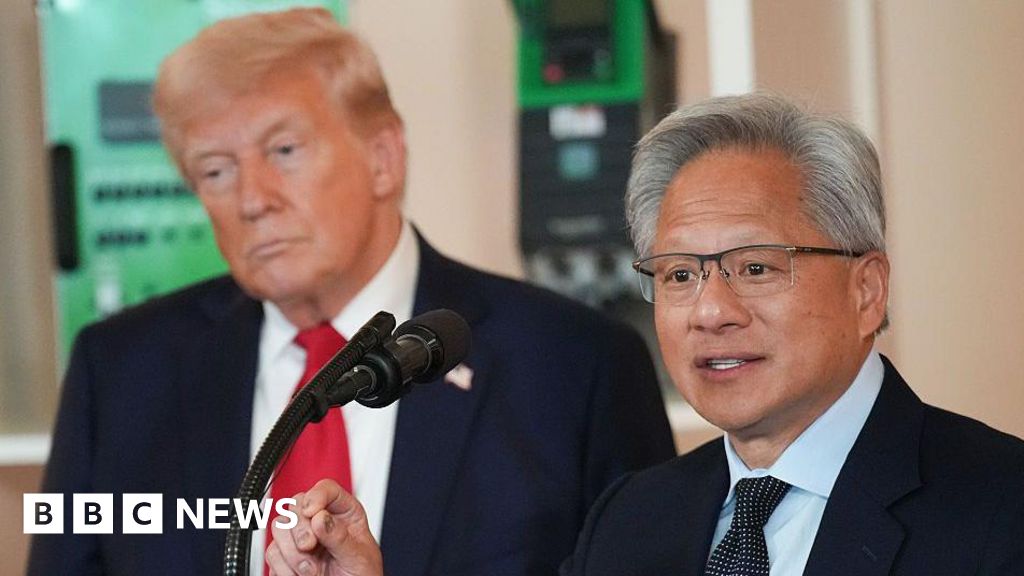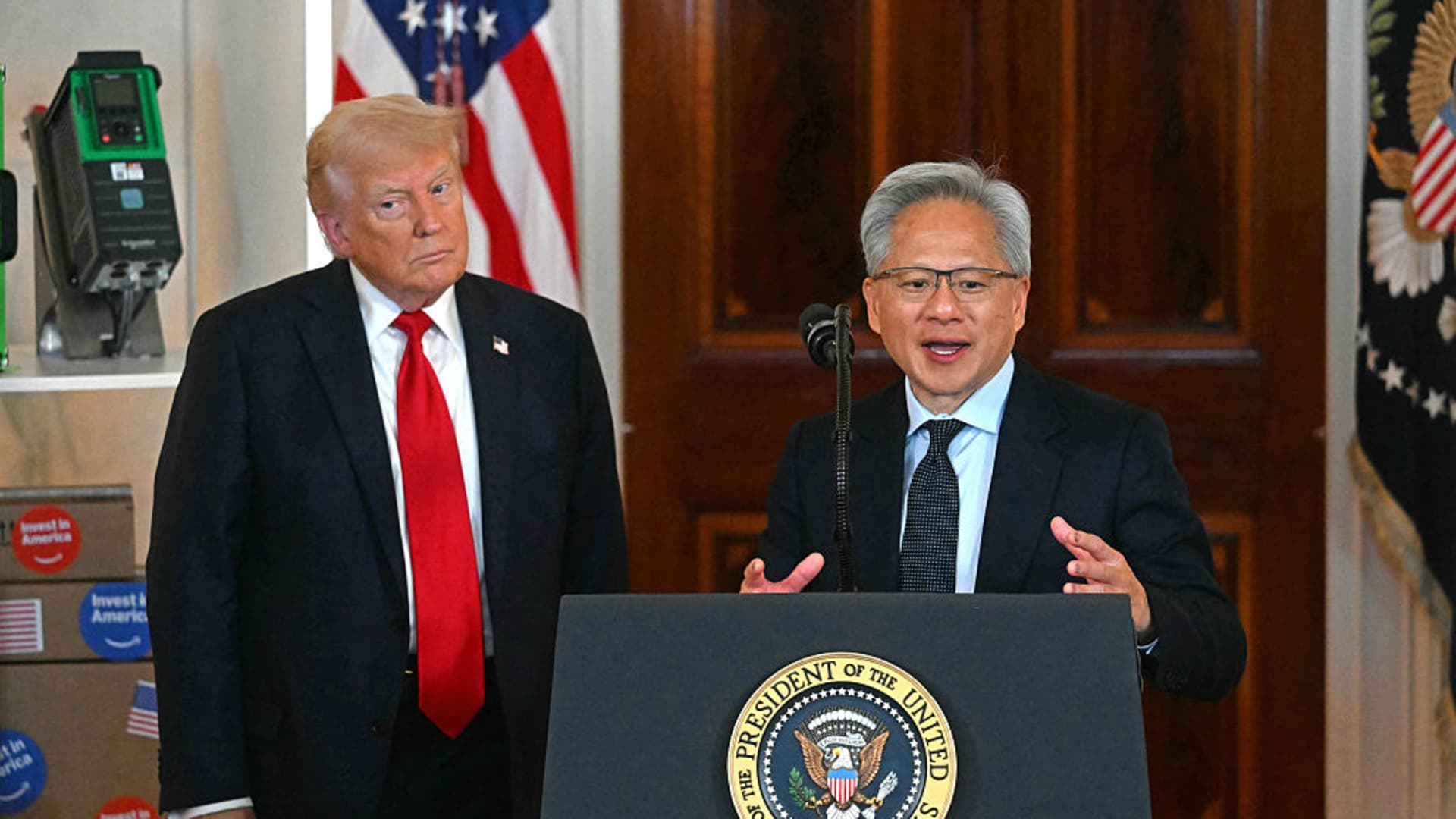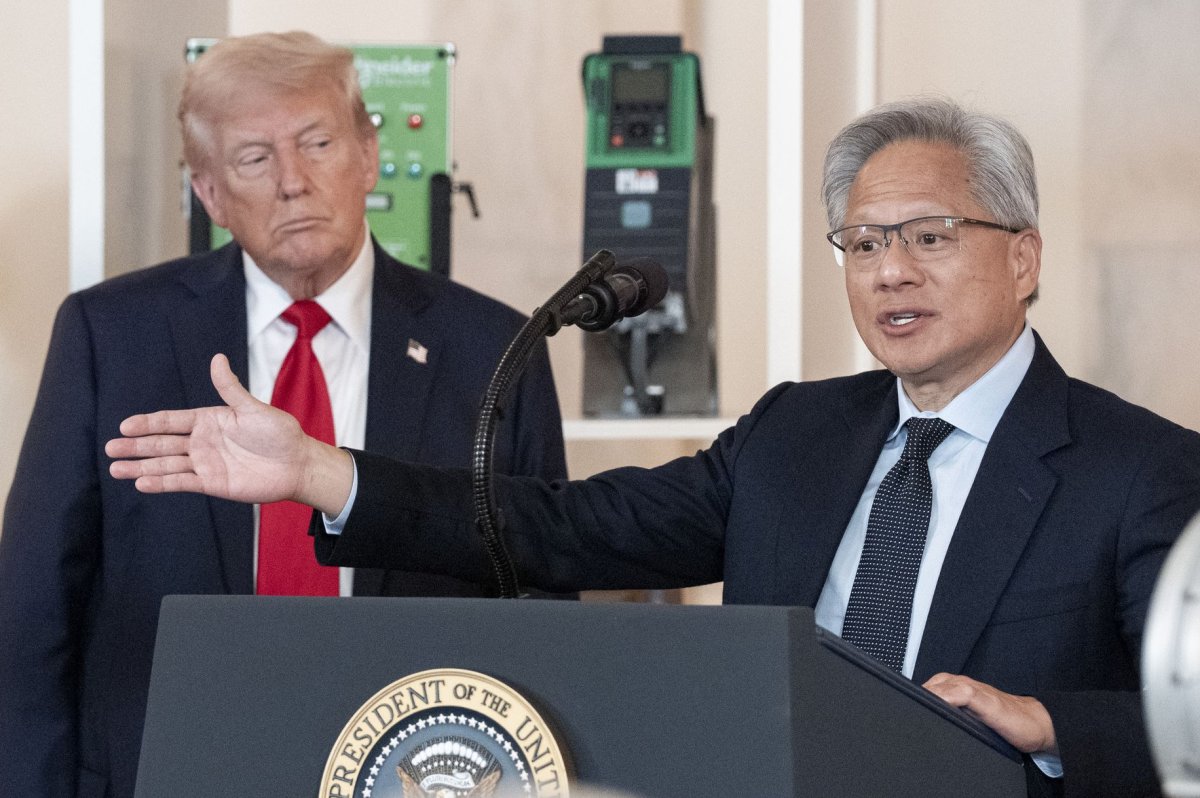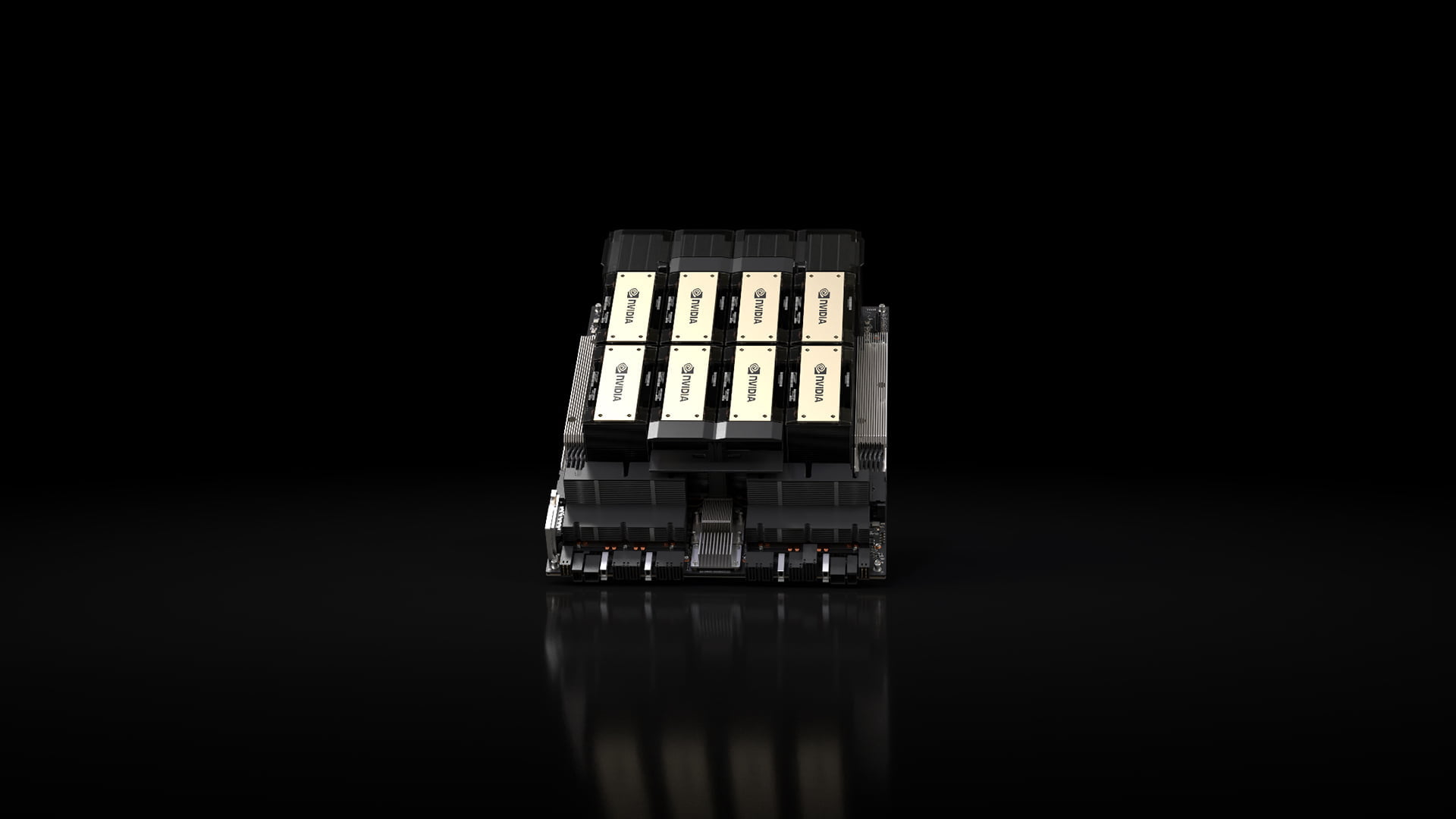
On Dec. 9th, U.S. President Donald Trump announced that the U.S. would allow Nvidia’s H200 processors to be exported to China, subject to a 25% fee on all sales. The move has sent ripples through the American establishment, with many (including Senator Elizabeth Warren) charging that Trump is “selling out” national security.
There is no shortage of such zero-sum or competitive framing when it comes to the global AI space. Indeed, while Anthropic has emphasized AI safety at home, the company’s co-founder and CEO, Dario Amodei, has stoked a narrative of an arms race abroad, arguing that export controls are essential to slow down China’s development and ensure that the U.S. wins the AI race. Similarly, Chip War author Chris Miller argues that the U.S. chip export controls, such as the prohibition on the sale to China of the most advanced GPUs like the NVIDIA H100s, have “succeeded … [by] significantly slow[ing] the growth of China’s chipmaking capability”. Indeed, Trump himself declared in July that America started the AI race, and it will win it.
Such arguments suggest that the two great powers are engaged in a two-player race—that one of them will win and the other will lose—and that the winner will obtain significant benefits at the expense of the loser. Yet from a rational choice perspective, the “AI race” is a misnomer. A two-party race typically involves an environment characterized by a rivalrous resource (which cannot be enjoyed by both parties) that is non-excludable (neither player can easily prevent the other from using it), and the players compete over who will be the first to that resource.