But alongside those concerns came a more hopeful idea: that technology could turbocharge productivity so much so that the traditional five-day, 9-to-5 workweek may no longer make sense. And it’s just not burnt-out employees floating the idea of skipping work on Fridays. Some of the world’s most influential business leaders have publicly suggested the shift may be inevitable.
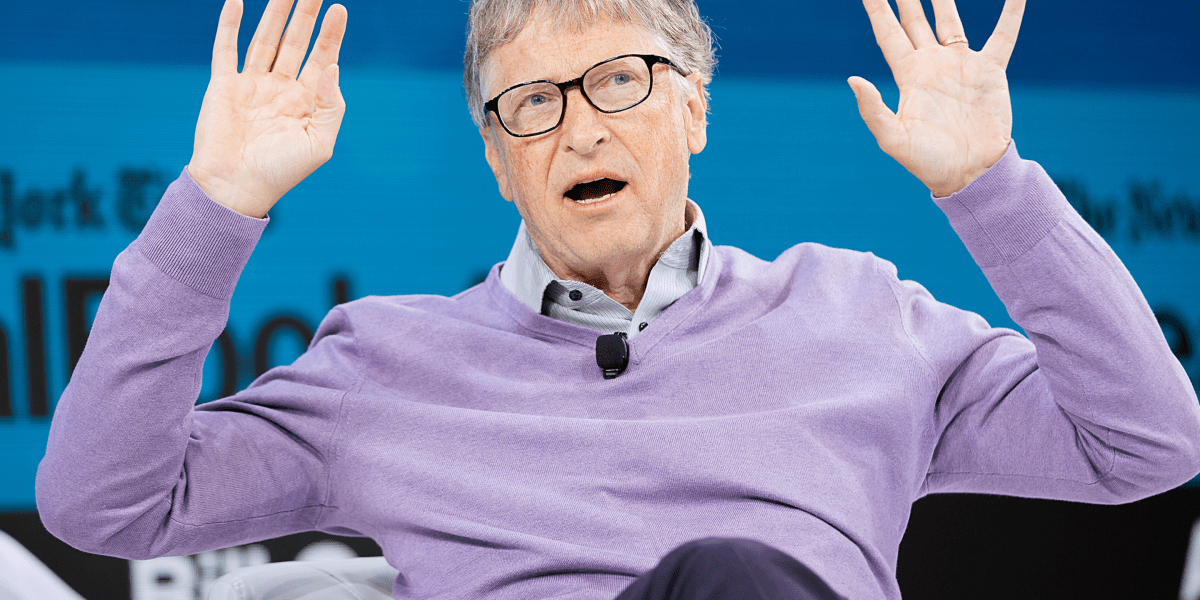
Jamie Dimon, the CEO of JPMorgan Chase, has said advancing technology could eventually push the workweek down to just three-and-a-half days. Microsoft cofounder Bill Gates has gone further, openly questioning whether a two-day workweek could be the future.
Elon Musk has taken the idea to its logical extreme, positing that the need to work altogether could cease.
“In less than 20 years—but maybe even as little as 10 or 15 years—the advancements in AI and robotics will bring us to the point where working is optional,” Musk said in November.
Taken together, the predictions suggest a shorter workweek is no longer a distant thought experiment. Governments and employers are already testing what less work might look like in practice. The Tokyo metropolitan government now allows employees to work four days a week, while some companies in the U.S. have begun treating Fridays as flexible days rather than mandatory days. At performance coaching firm Exos, the shift has boosted productivity and helped “tee up a successful Monday.”