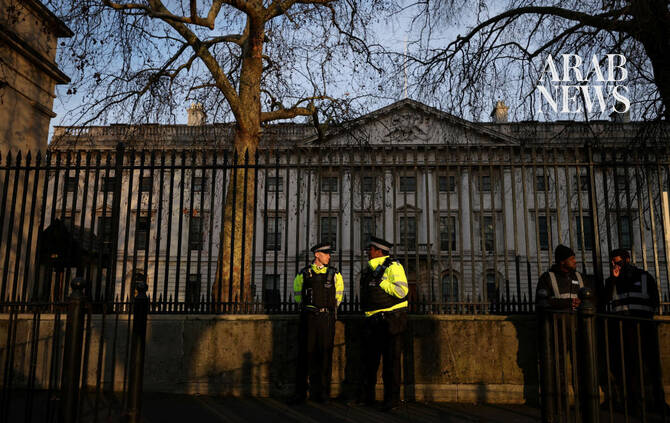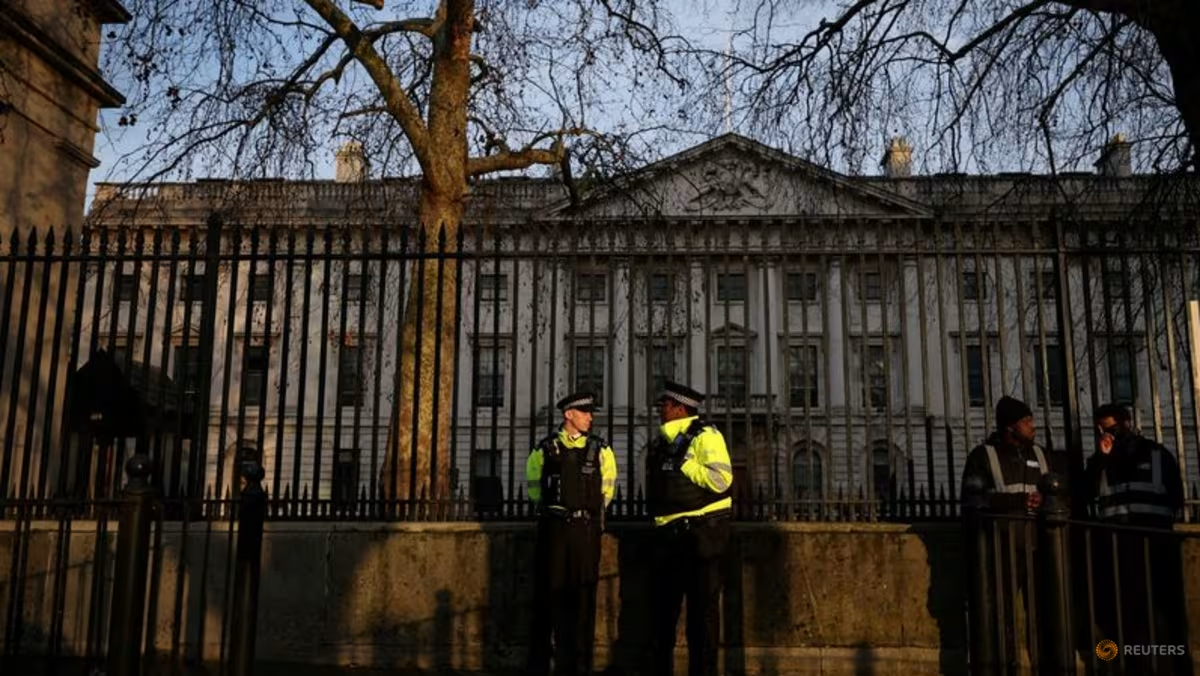
During a protest in front of the proposed site for China's mega-embassy on February 8, 2025, in London. CARL COURT / GETTY IMAGES VIA AFP
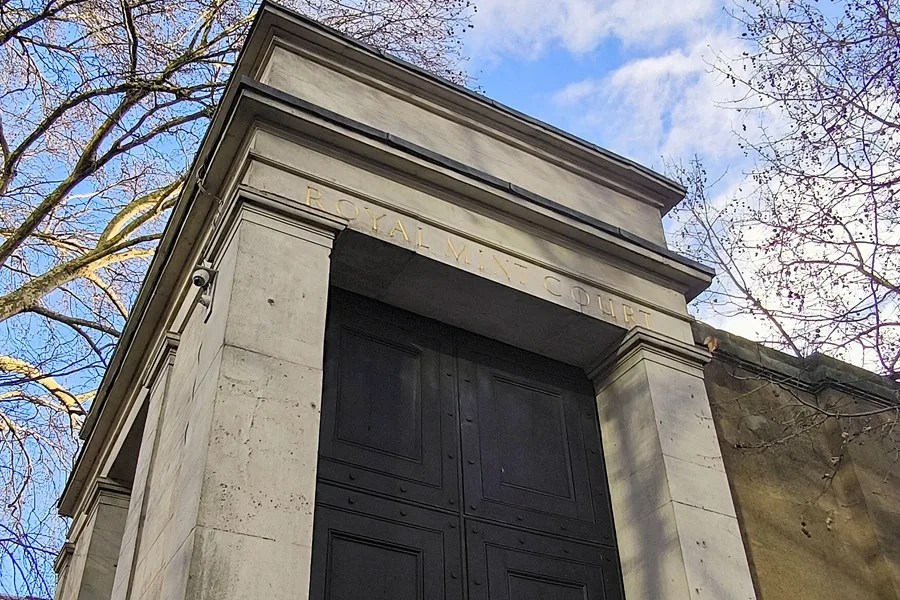
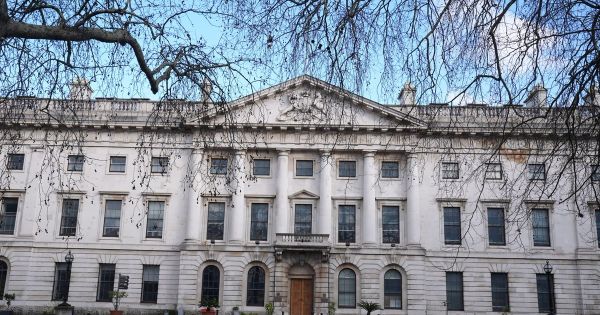
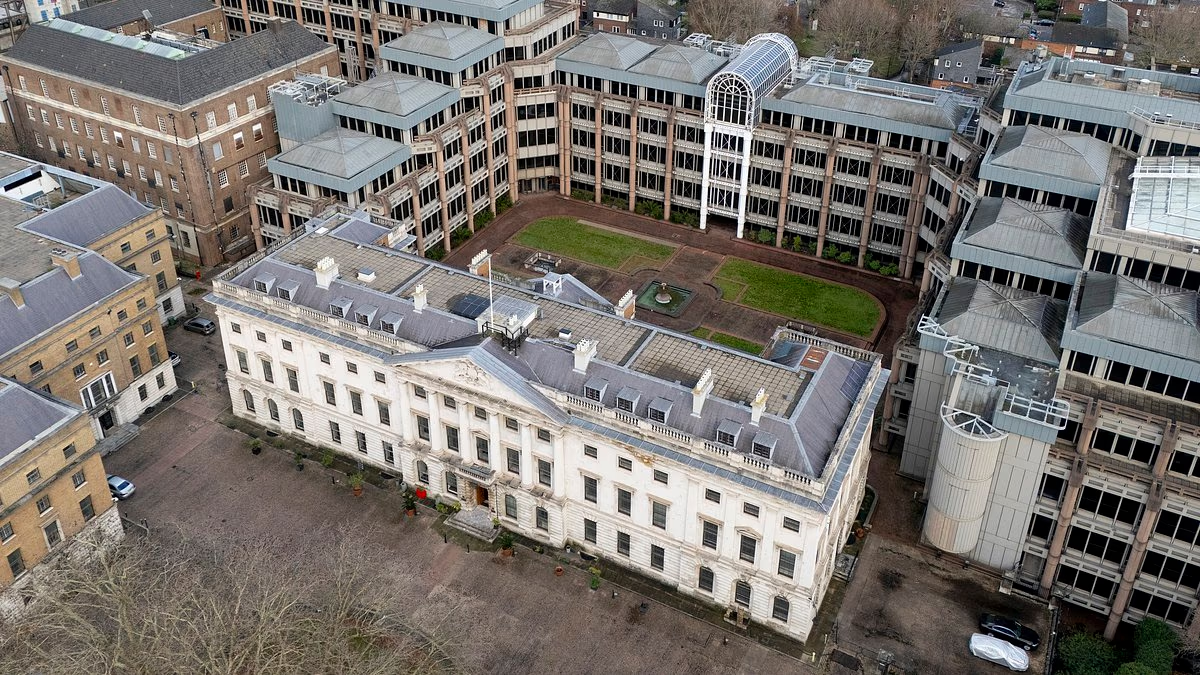
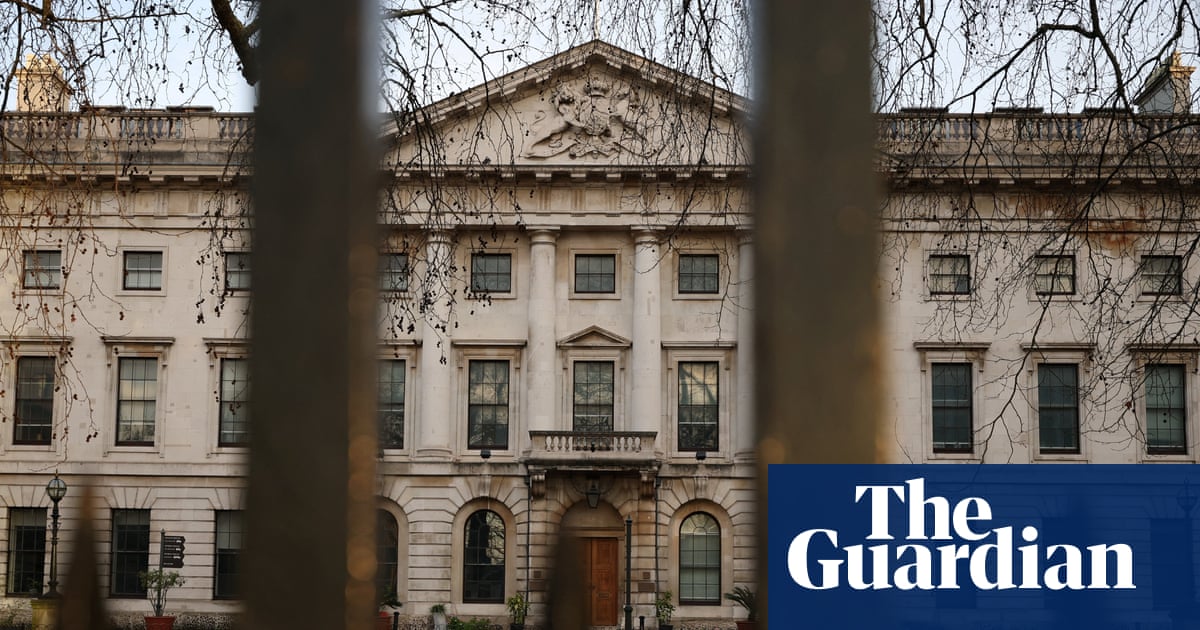
Facing the walls of the Tower of London and close to Tower Bridge, in one of the most iconic neighborhoods of the British capital, stands the vast Royal Mint Court complex, with its Regency-style colonnaded facade and adjoining glass and concrete buildings. Until the late 1960s, this was where coins for the United Kingdom were minted. Centuries earlier, a Cistercian abbey stood on the site, which disappeared with the dissolution of the monastic orders during the Anglican Reformation, around 1540. This prestigious and historic address, located on the edge of the City (London's financial district), has been at the center of intense controversy for months.
China acquired the Royal Mint Court in 2018, intending to relocate its embassy there from the upscale Marylebone neighborhood, which had become far too cramped, and to make it its largest Western chancery (about 20,000 square meters in total). Since then, opposition to the project has grown, reflecting the fluctuating relationship between London and Beijing, marked by overlapping interests and increasing suspicion.