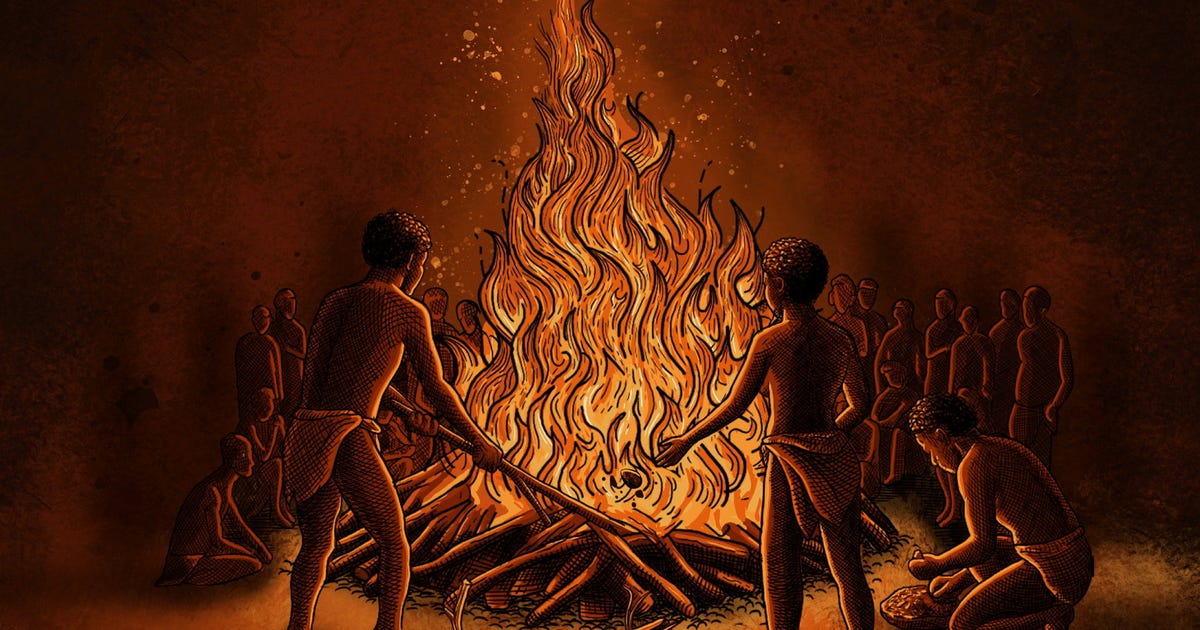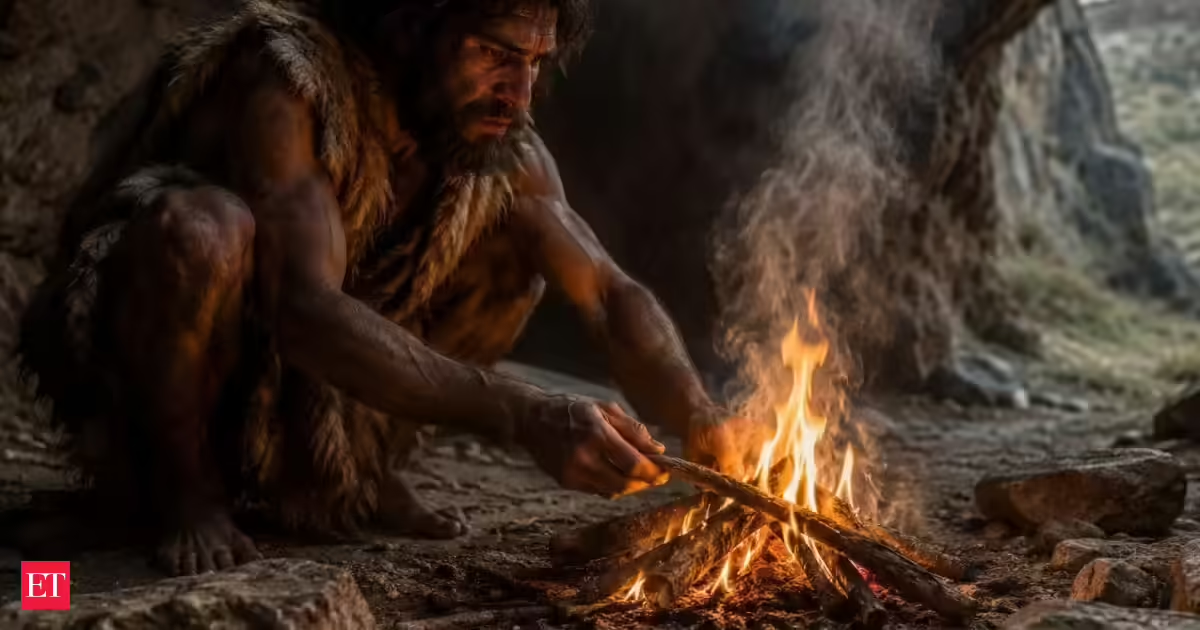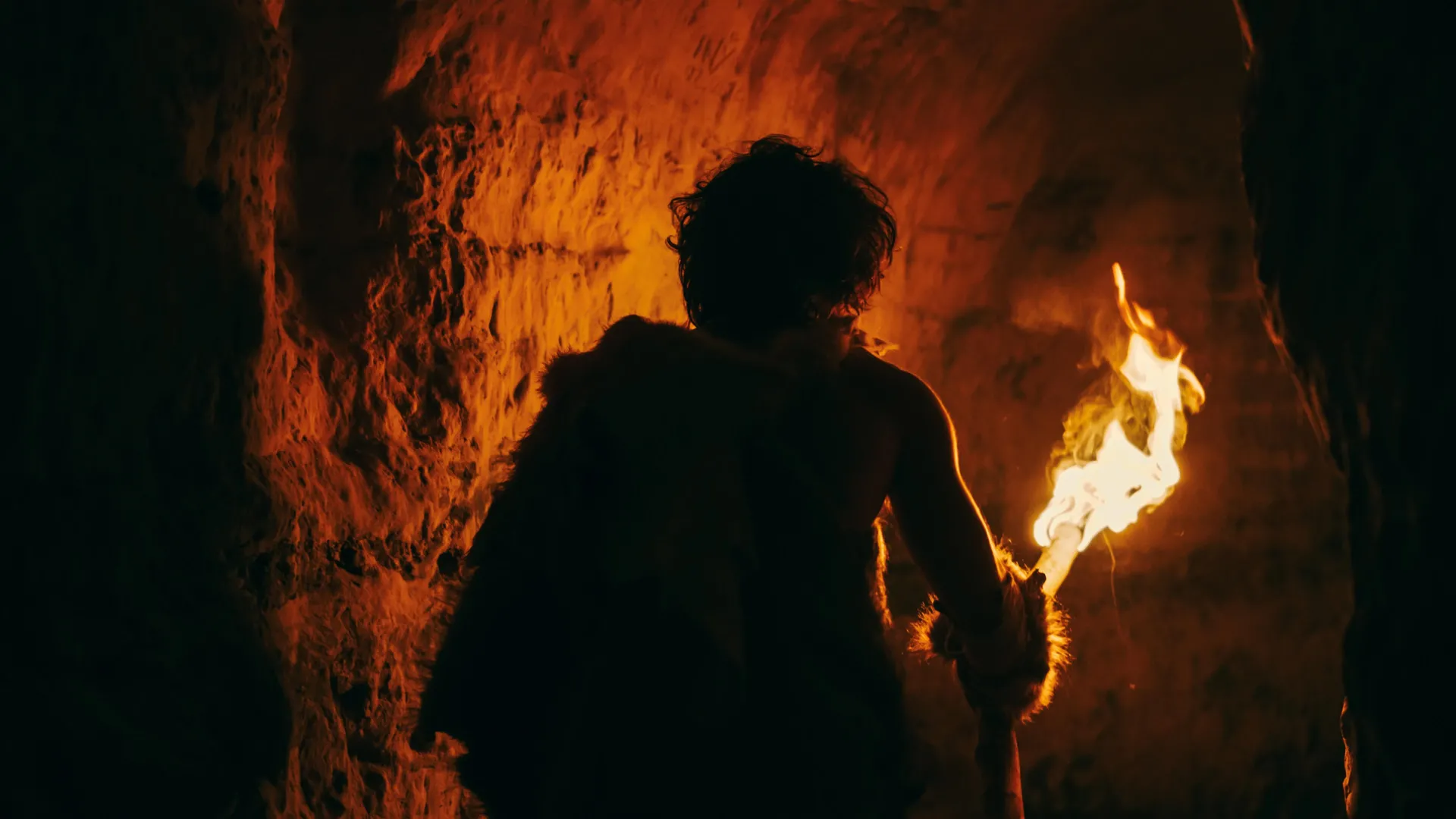
Jan. 2 (UPI) -- Near the equator, the Sun hurries below the horizon in a matter of minutes. Darkness seeps from the surrounding forest. Nearly 10,000 years ago, at the base of a mountain in Africa, people's shadows stretch up the wall of a natural overhang of stone.
They're lit by a ferocious fire that's been burning for hours, visible even to people miles away. The wind carries the smell of burning. This fire will linger in community memory for generations -- and in the archaeological record for far longer.
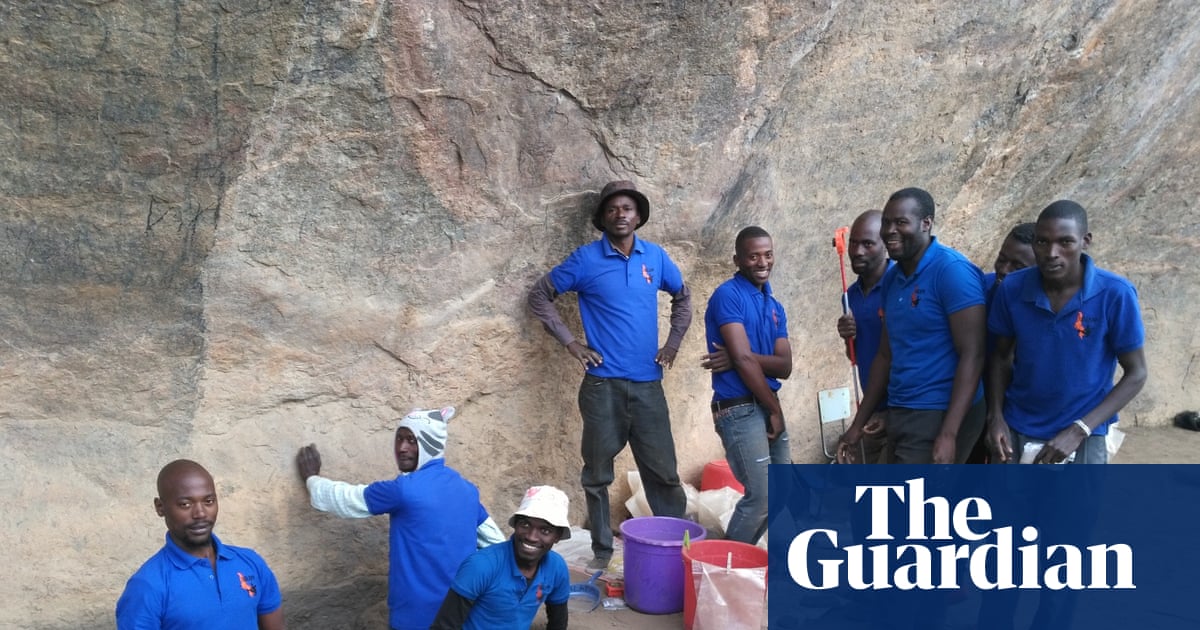
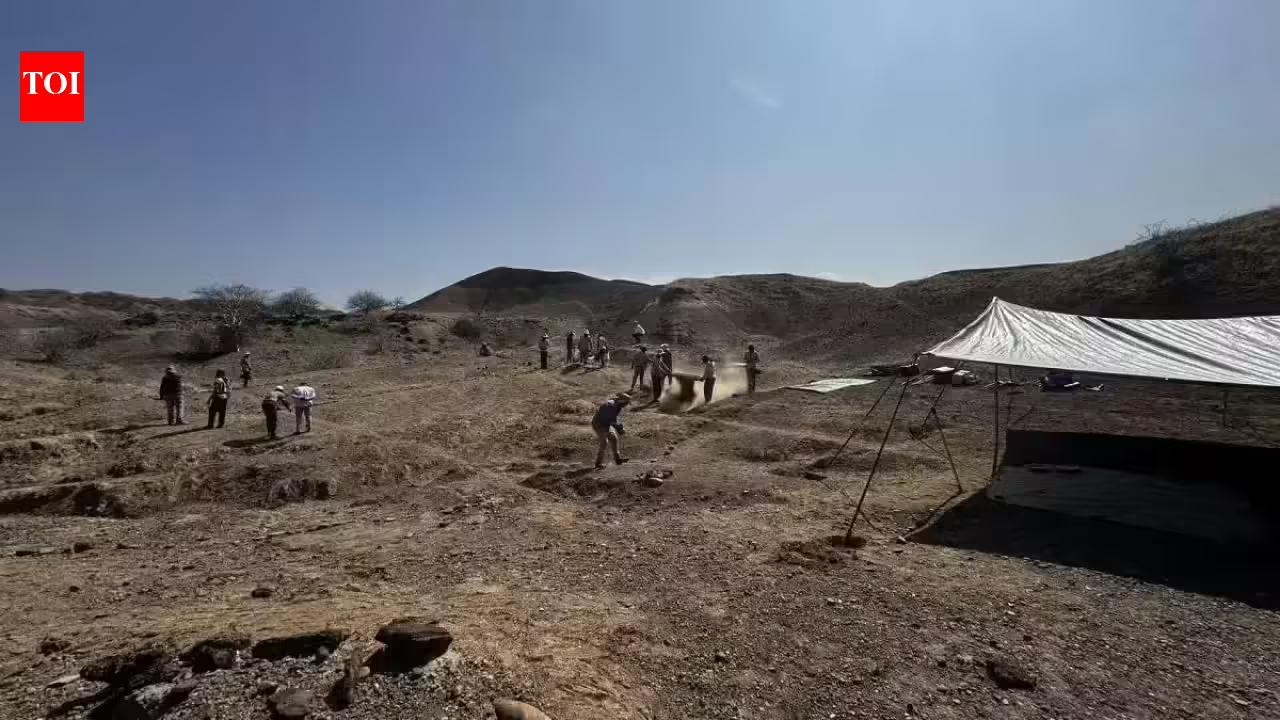
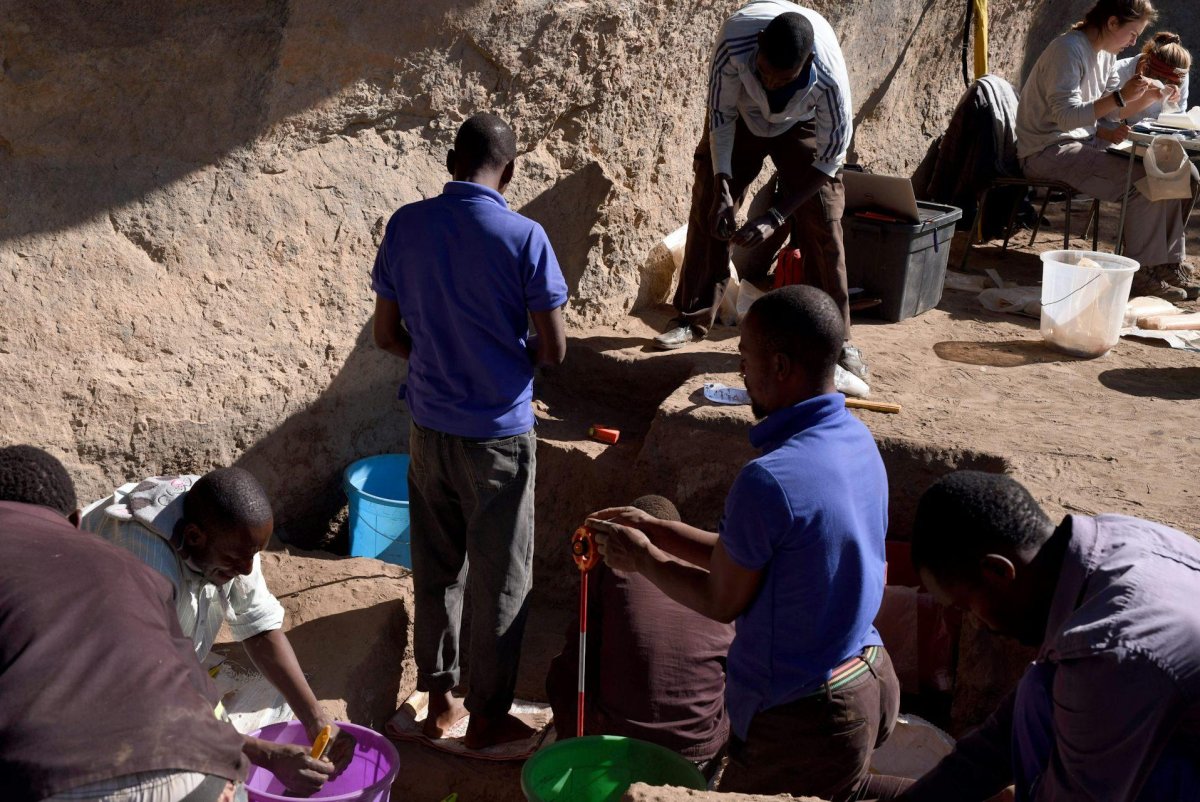
We are a team of bioarchaeologists, archaeologists and forensic anthropologists who, with our colleagues, recently discovered the earliest evidence of cremation -- the transformation of a body from flesh to burned bone fragments and ashes -- in Africa and the earliest example of an adult pyre cremation in the world.
It's no easy task to produce, create and maintain an open fire strong enough to completely burn a human body. While the earliest cremation in the world dates to about 40,000 years ago in Australia, that body was not fully burned.
Related