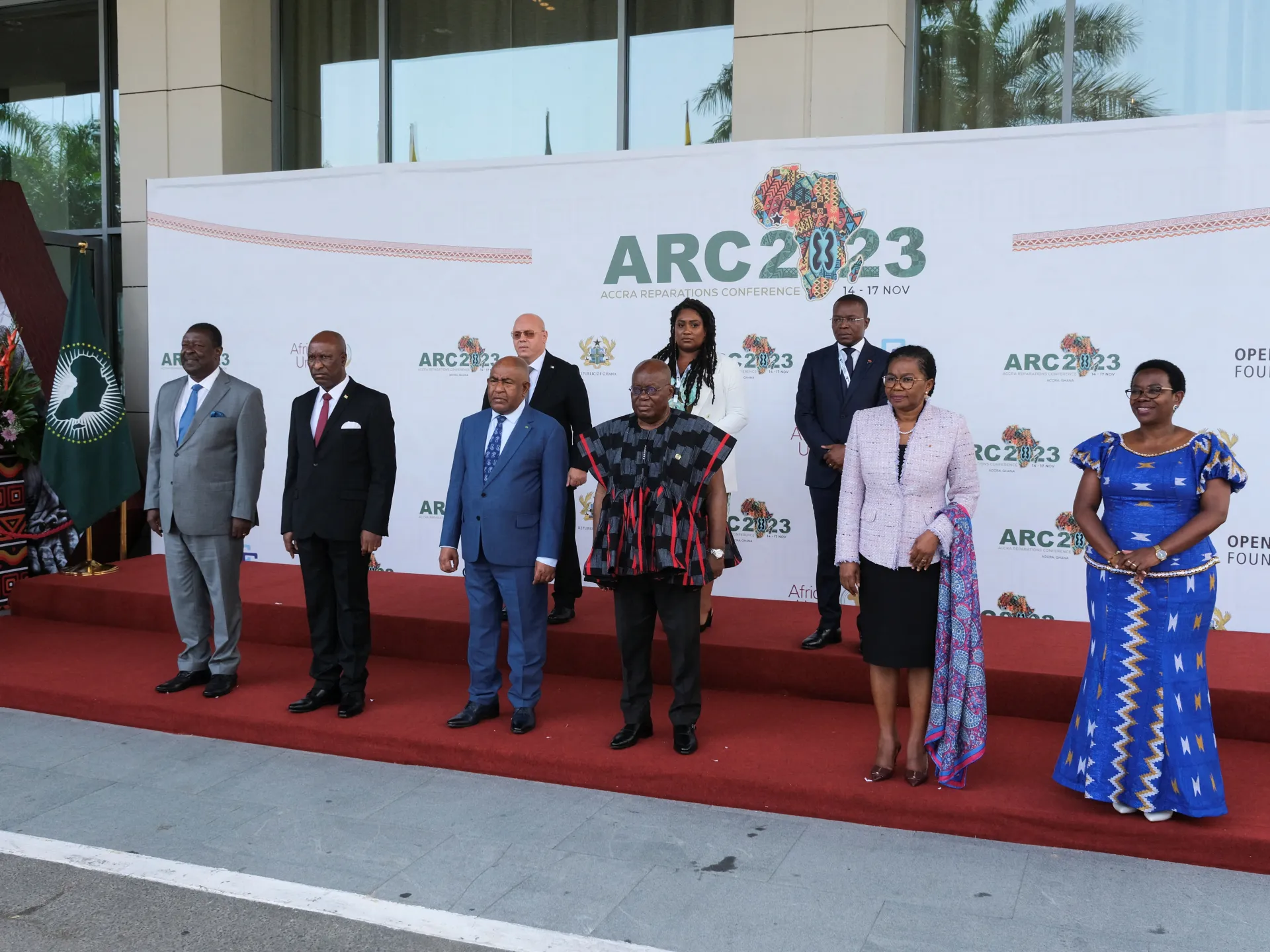
Graham Hadibi-Williams says current debate on reparations is one of theory rather than justice. Plus Abhishek Kalyankar on India’s colonial experience
K
enneth Mohammed’s article rightly highlights the growing moral case for reparations, but like many pieces on this subject, it fails to address the practical “how” (In the Caribbean and Africa a reparations movement is growing: so why is Britain pretending otherwise?, 25 December). While the refrain that “no one alive today owned slaves” is indeed tired, the question of who finances reparations remains a massive hurdle that advocates consistently underanalyse.
Take my family: I am of English heritage and my husband is of north African colonial descent. While his family faced appalling historical injustices, my ancestors were Lancashire miners and cotton mill workers. Though their industry was built on the back of slave labour, they lived in poverty. Today, as a nurse and a social worker in London, we struggle with the cost of housing, living and a sluggish economy.
The primary beneficiaries of colonial wealth were the landowning classes and those with inherited wealth now tucked away in offshore accounts. Asking the modern working class to fund reparations through taxed income when they are already struggling is the real barrier to gaining public support.