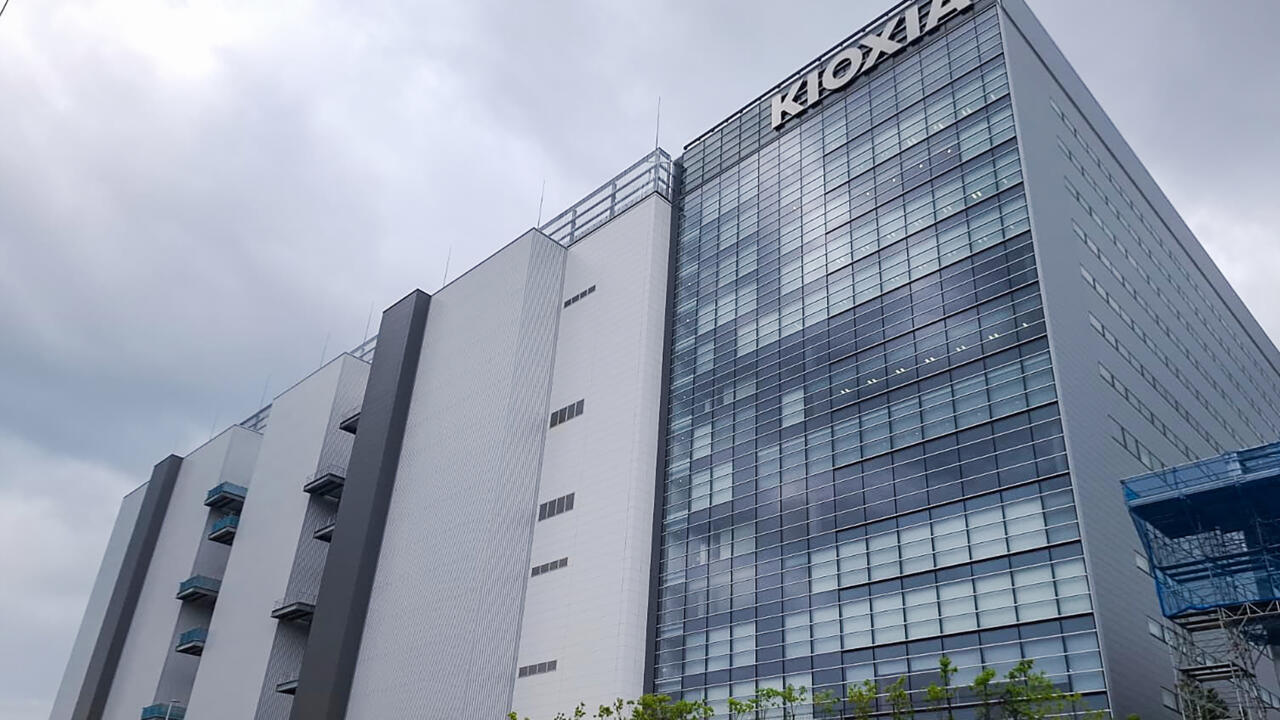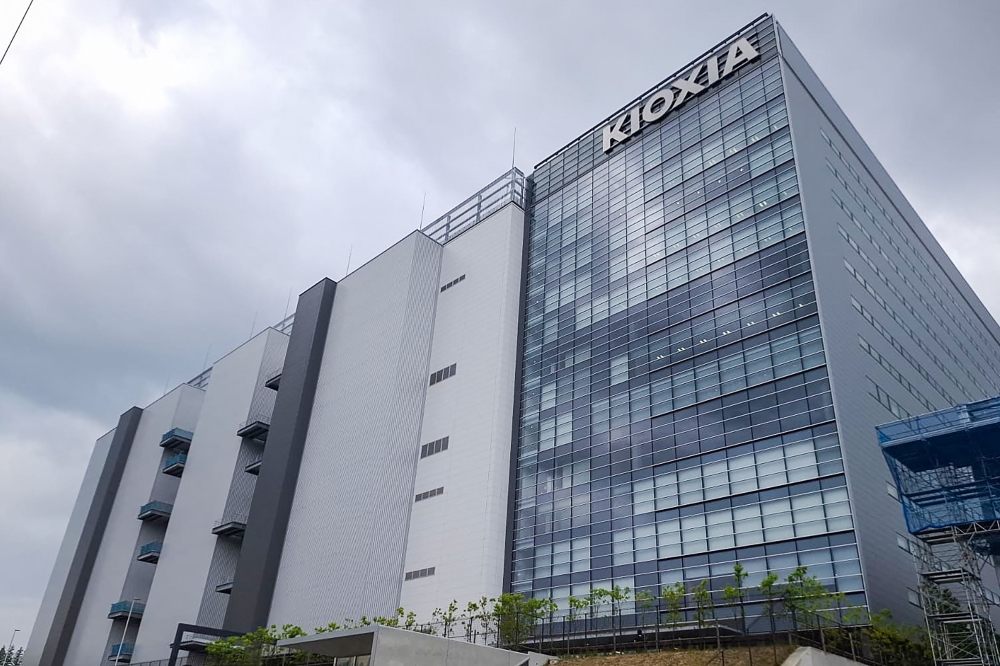
The world’s hottest (AI) stock this year wasn’t Nvidia, Microsoft, or any Silicon Valley giant. It was Kioxia Holdings, a Tokyo-listed maker of memory chips that rode artificial intelligence’s (AI) exploding demand for data storage to extraordinary market gains.
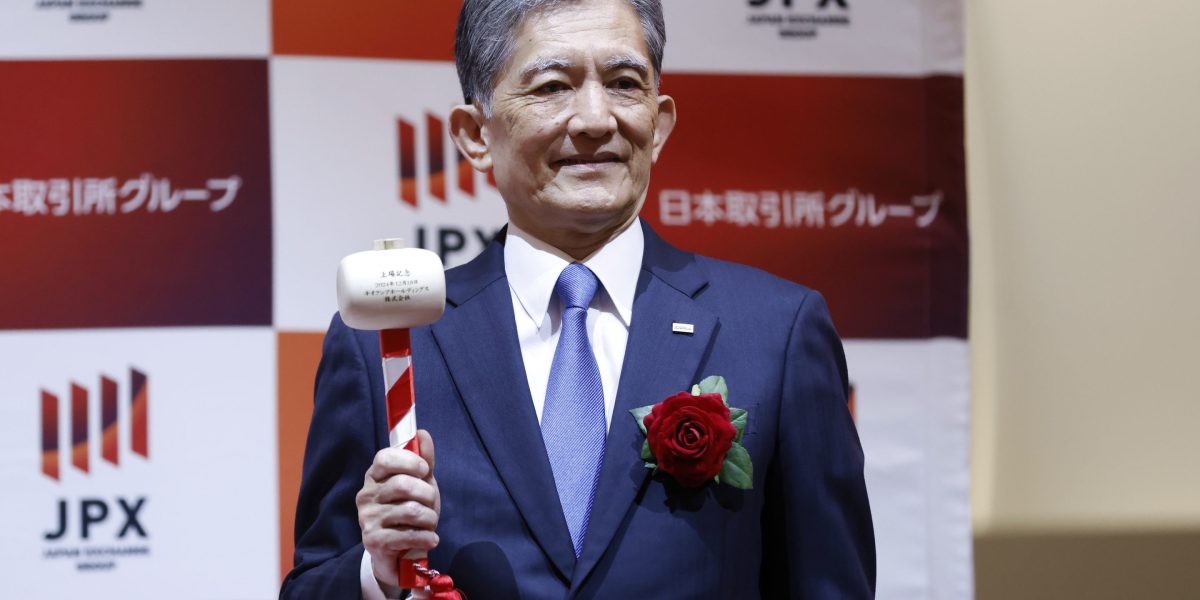
Kioxia’s shares surged about 540% in 2025, outperforming every company in the MSCI World Index, including Alphabet, Google’s parent. The company, which only went public in December, now carries a market value of roughly ¥5.7 trillion, or $36 billion. Its customers include hyperscale heavyweights including Apple and Microsoft, according to Bloomberg.
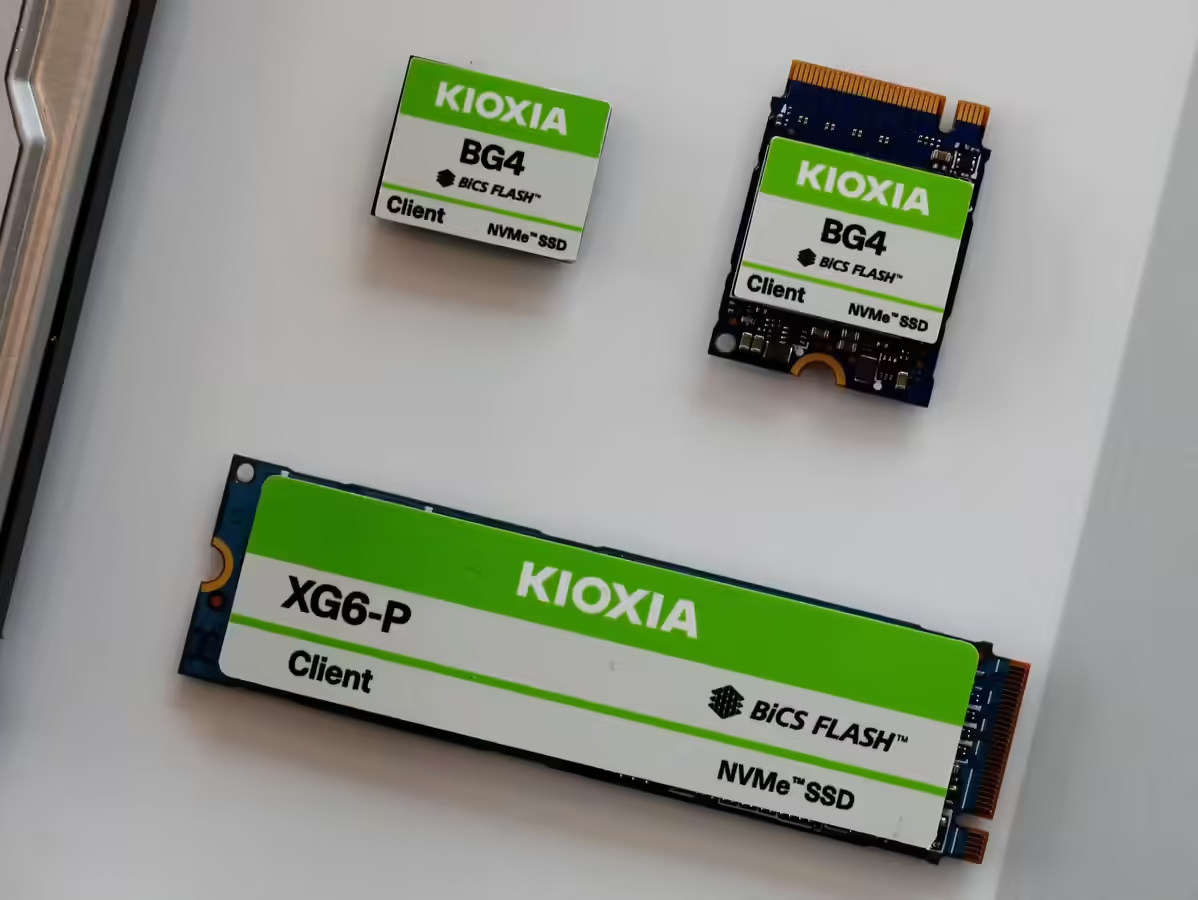
The rally reflects a less glamorous but increasingly critical bottleneck in the AI boom: memory. AI systems don’t just need powerful chips to “think,” they also need somewhere to store enormous amounts of data. NAND flash is the type of chip that holds information even when devices are turned off, and it’s used everywhere from data centers to smartphones. And as tech giants race to build AI data centers and train ever-larger models, they’re buying far more of these memory chips than manufacturers can make. Market trackers told NPR that demand for memory already exceeds supply by about 10%, creating shortages and pushing prices higher.