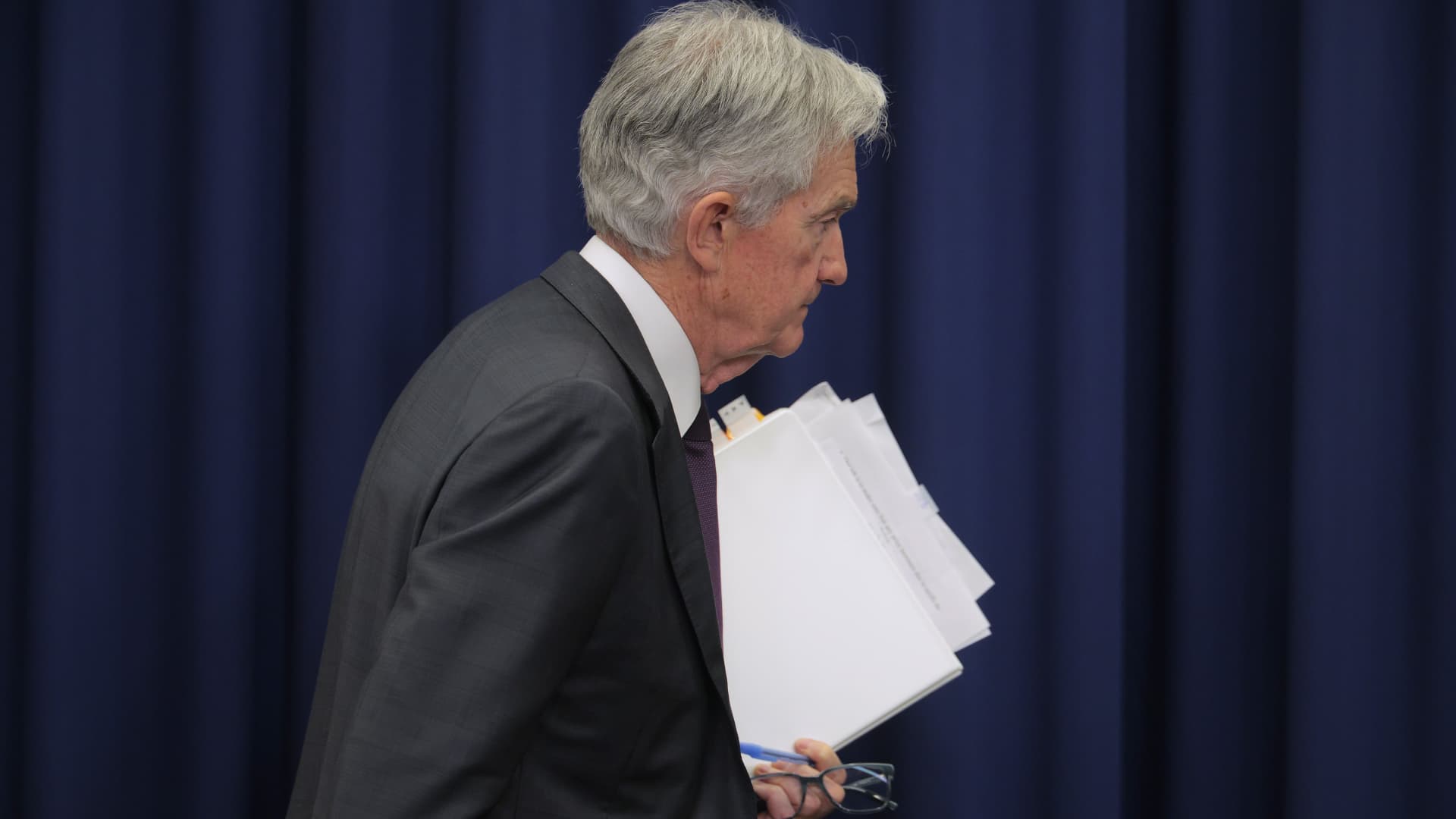
Since the founding of the Federal Reserve in 1914, the United States has had 16 Fed chairs, yet rarely has the selection of the nation’s central-bank leader captured such sustained media and political attention as the spectacle which his playing out right now. Of course, this is by design; at least since the debut of The Apprentice in 2004, Donald Trump has reveled in transforming senior hiring decisions into a public spectacle—casting staffing choices as a form of modern gladiatorial entertainment. While this approach has drawn criticism, including my original 2004 critiques in the WSJ, it also has the paradoxical virtue of rendering candidates’ strengths, weaknesses, and temperaments unusually transparent.
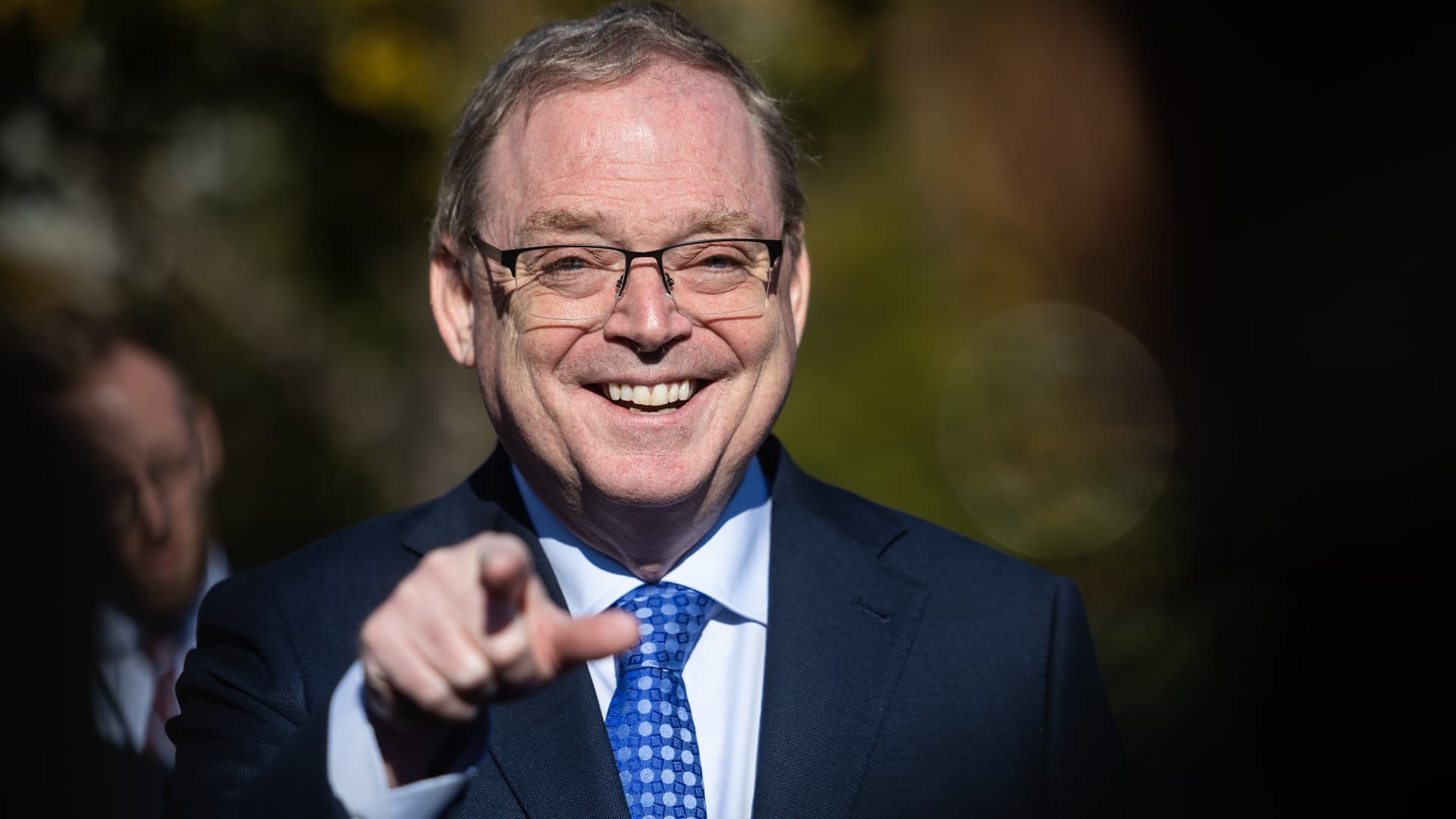
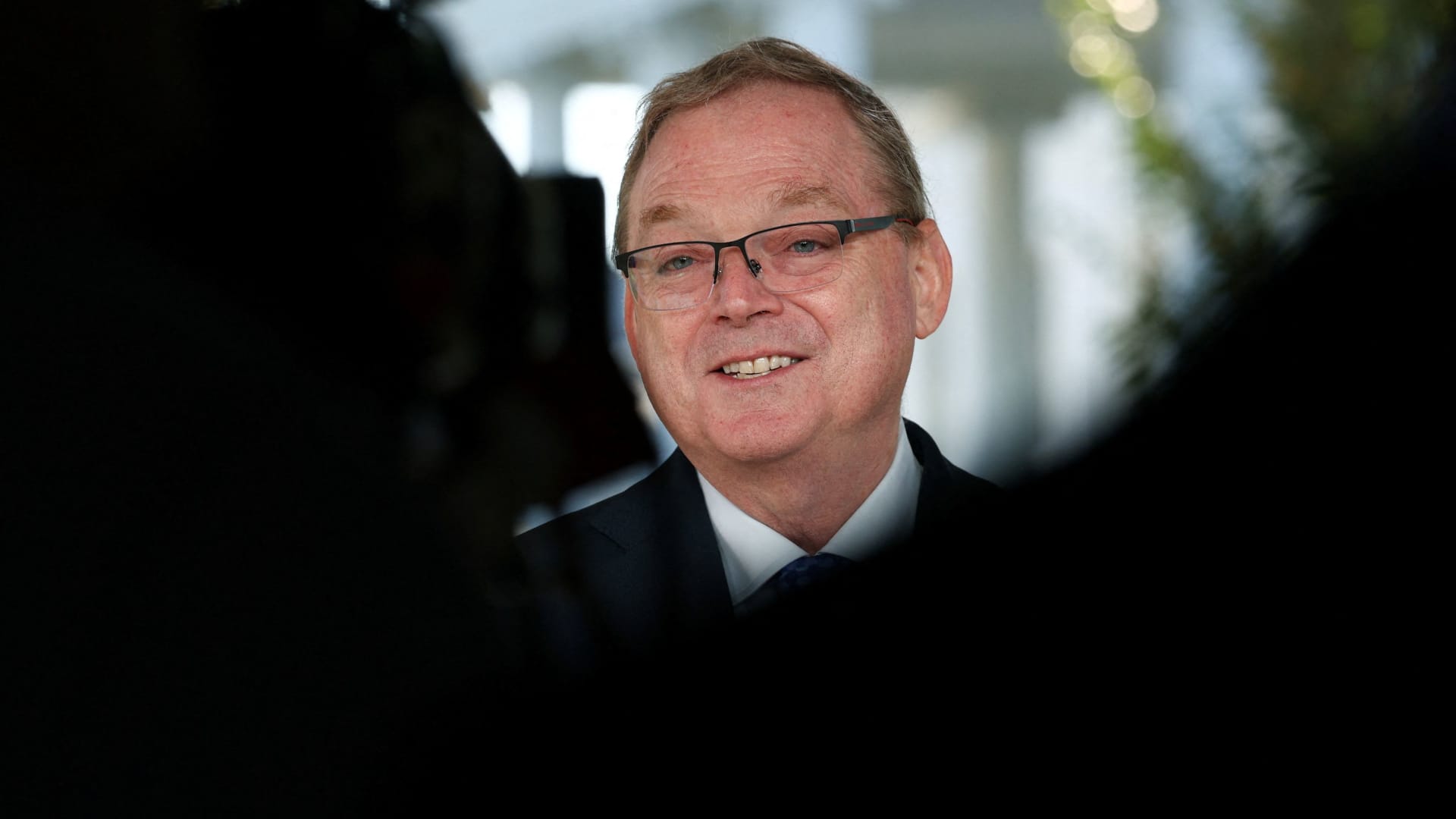
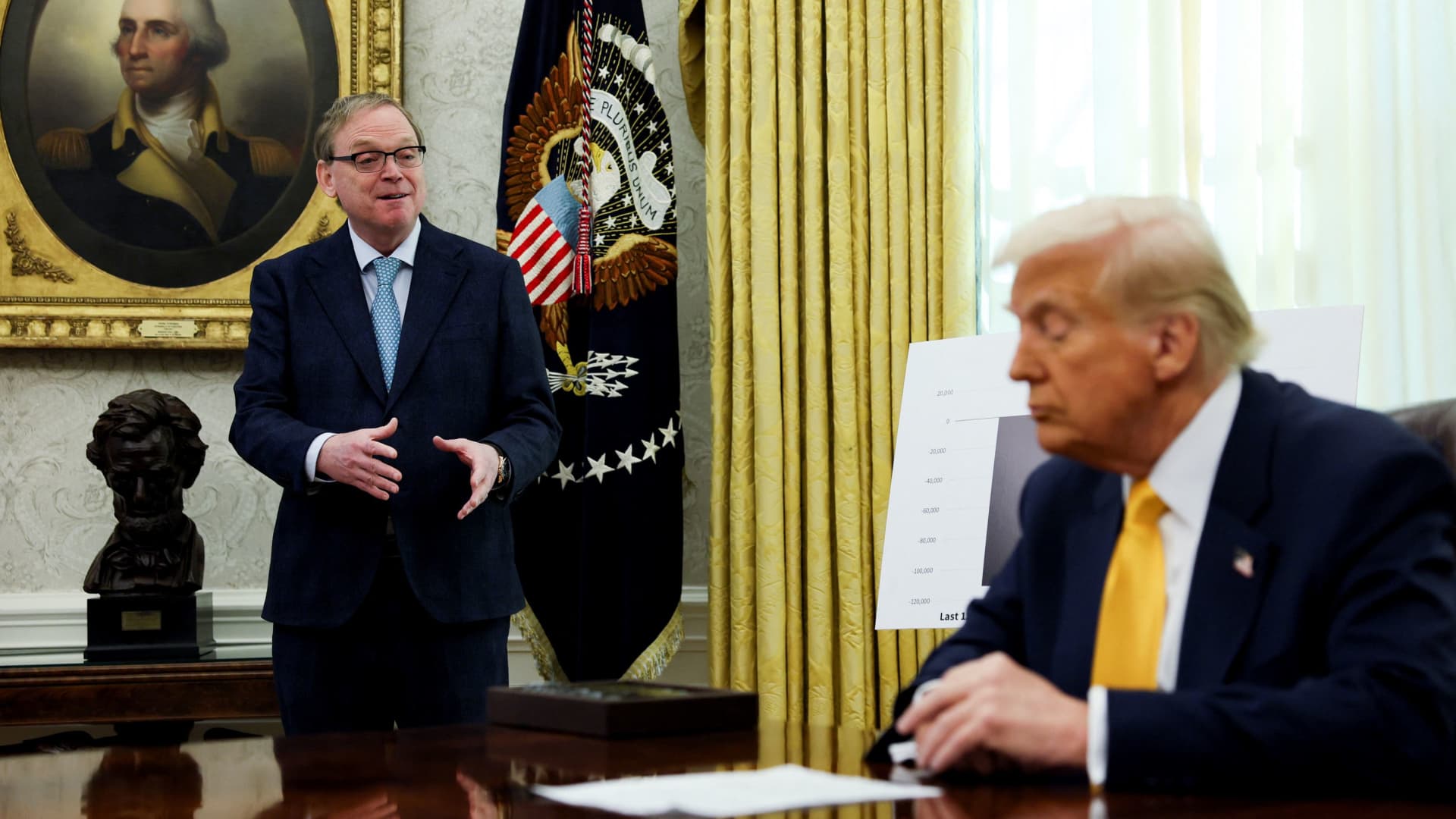
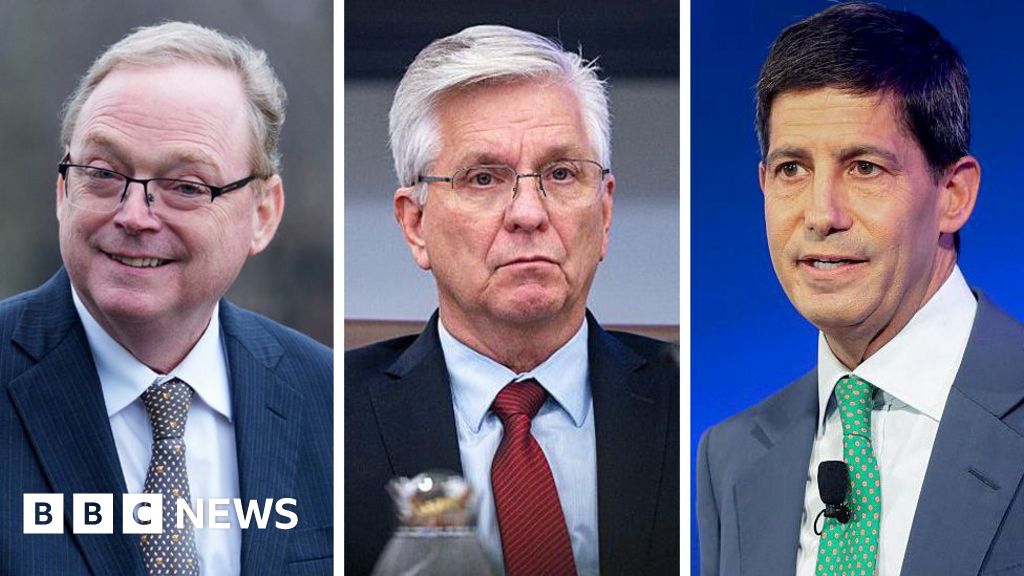
Much of the media’s attention has centered on Kevin Hassett and Kevin Warsh as the presumptive front-runners to be next Fed Chair. Both are highly respected, with long track records of public service and honorable character. But whether fairly or not, their perceived weaknesses have been under a magnifying glass, creating an opening for an ascendant dark horse who is drawing growing backing from the top CEOs of the nation’s largest enterprises.
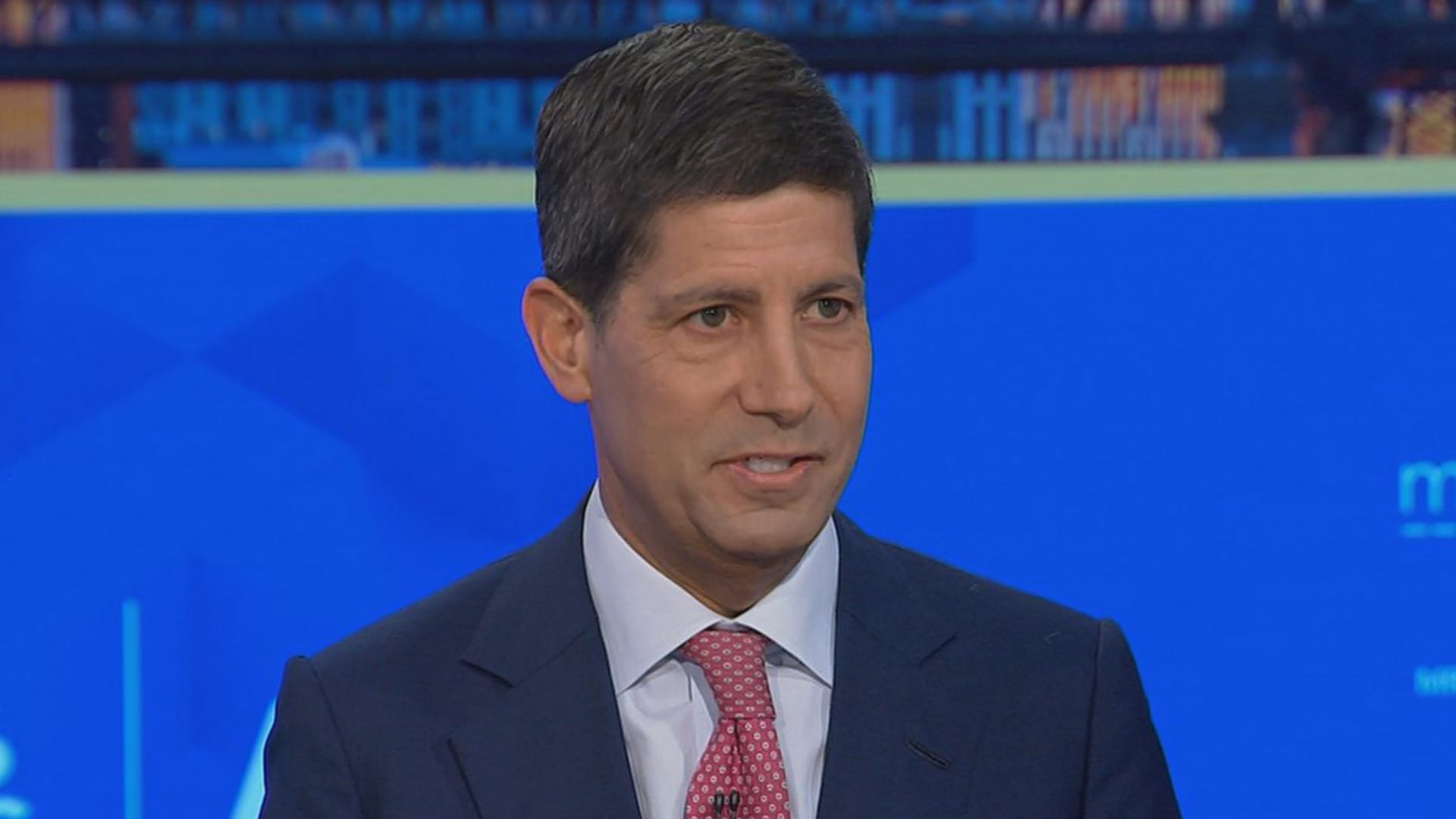
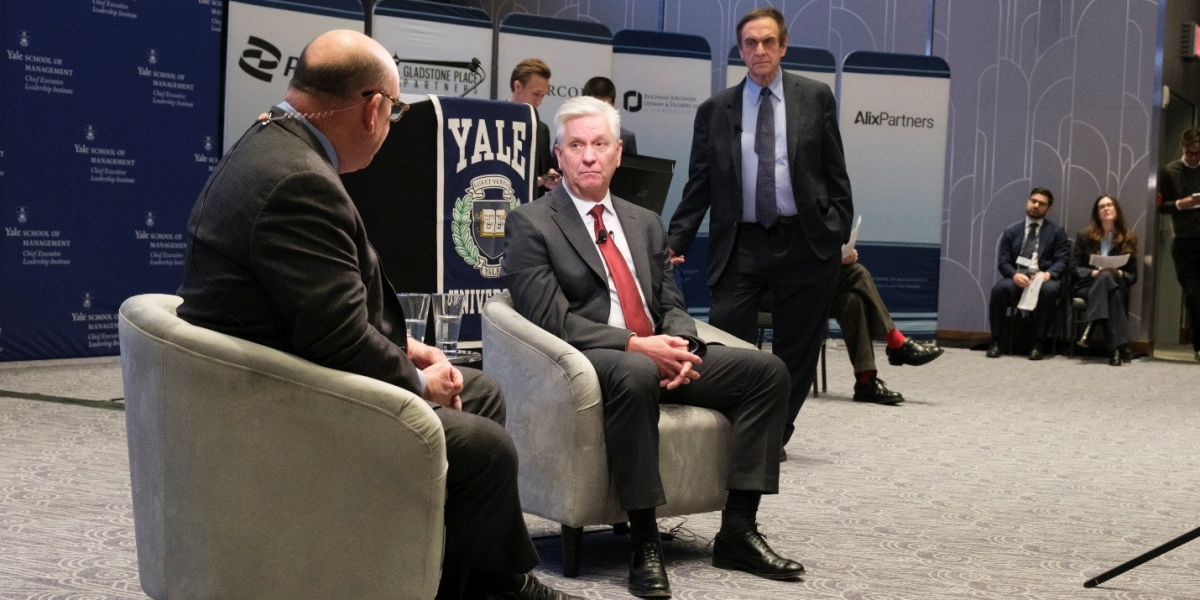
CEOs are gravitating towards that dark horse candidate, current Fed Governor Chris Waller, because while he may lack the White House network of other top contenders; he is quickly emerging as perhaps the only candidate who can cut interest rates with broad-based credibility and build broad consensus around those needed rate cuts, both at the Fed as well as across corporate America and within financial markets.