Grief is unpredictable. It's messy, and it can feel like a roller coaster. It's also a highly individual experience. Mental health experts say no two people grieve exactly alike.
So why do some get so judgmental about how others grieve?
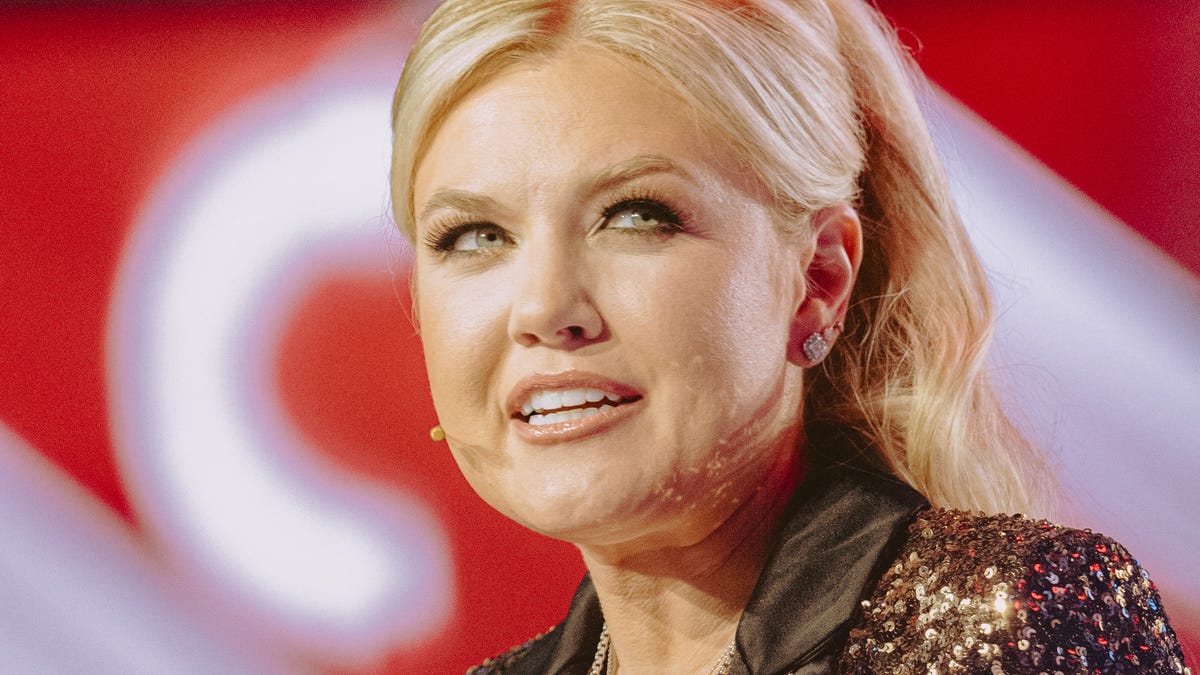
One of the latest public figures to come under this kind of scrutiny is Erika Kirk, whose husband, conservative activist Charlie Kirk, was shot dead on a college campus in Utah in September. Since then, many online have been picking apart her every move.
Experts say judging someone's grief − or grief policing − stems from a belief that there is a right way to cope with a loss. That belief can vary among individuals and communities. Well-meaning people who try to control another person’s grief may misunderstand that grief is a singular experience or may be unwittingly trying to assuage their own discomfort.
"Grief policing is feeling like you have the right to decide how someone grieves," says psychotherapist Stephanie Sarkis. "Someone's grief may not look the way that someone else expects it to look or thinks it should look, but it doesn't mean it's inappropriate."