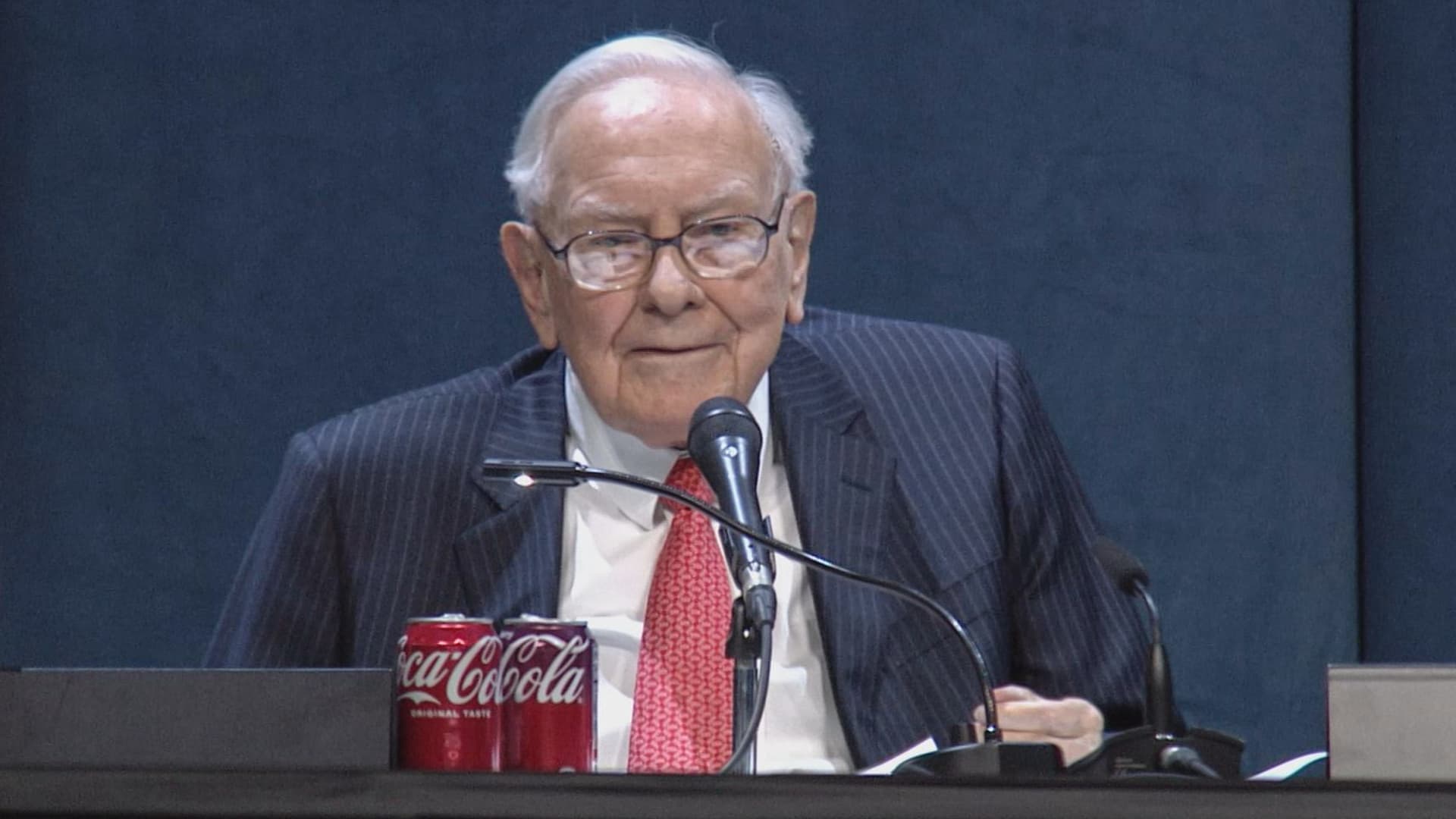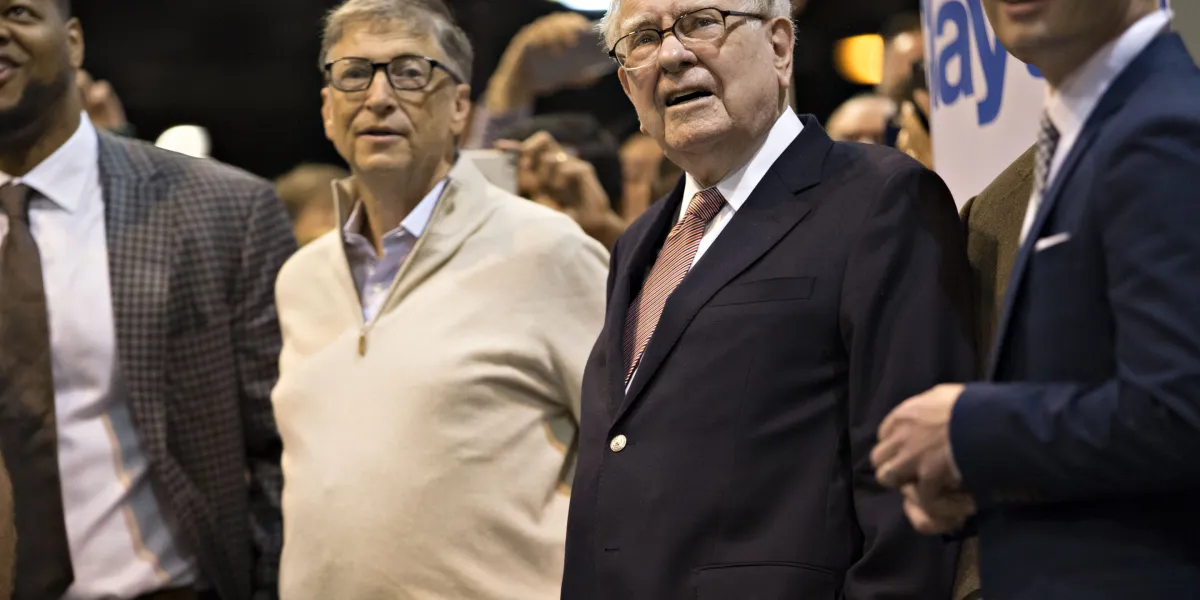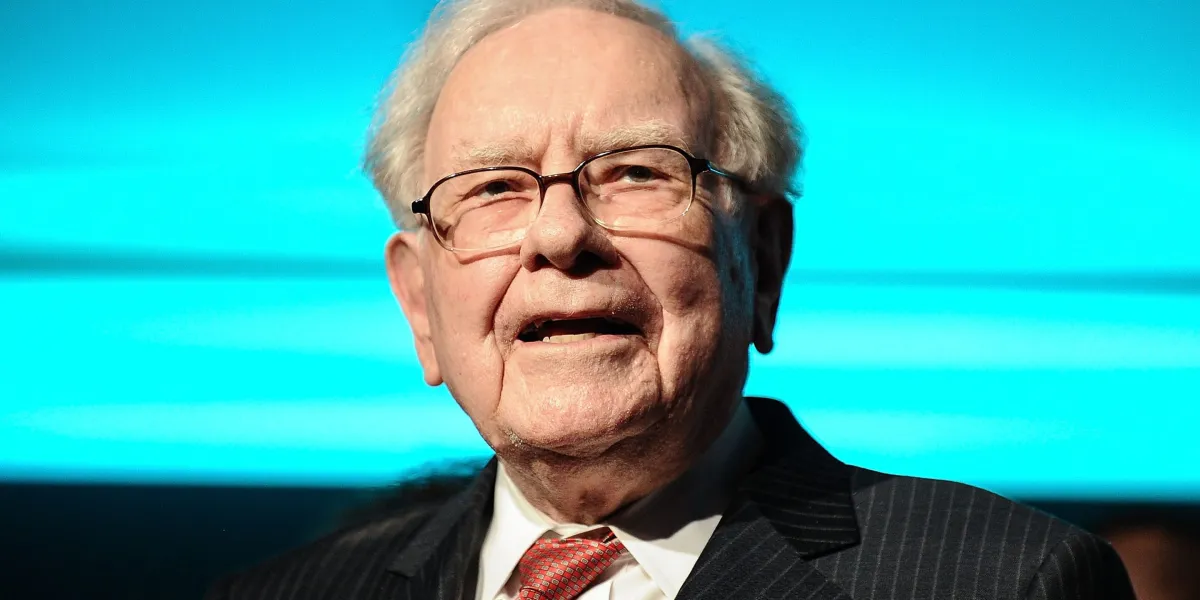
Warren Buffett’s failure to capitalize on the economy’s digital shift over the last two decades has hurt his otherwise enviable track record as an investor. His blind spot regarding tech didn’t stop at the stock market: It bled into how he ran Berkshire Hathaway’s operating companies as well. Across many of his wholly owned businesses, Buffett neglected technological upgrades, and Berkshire’s business value has suffered as a result.
It’s important to understand this because the majority of Berkshire Hathaway’s assets are invested not in publicly traded securities, but in operating subsidiaries like Burlington Northern Santa Fe Railroad, Berkshire Hathaway Energy, and Geico. While it’s true that Buffett invested aggressively in wind energy, that was largely because of government tax incentives. In the main, he preferred to milk his operating subsidiaries for cash rather than reinvest in them for the digital age. Exhibit A is Geico, which thanks to a lack of IT investment has fallen behind Progressive as the nation’s leading for-profit auto insurer.
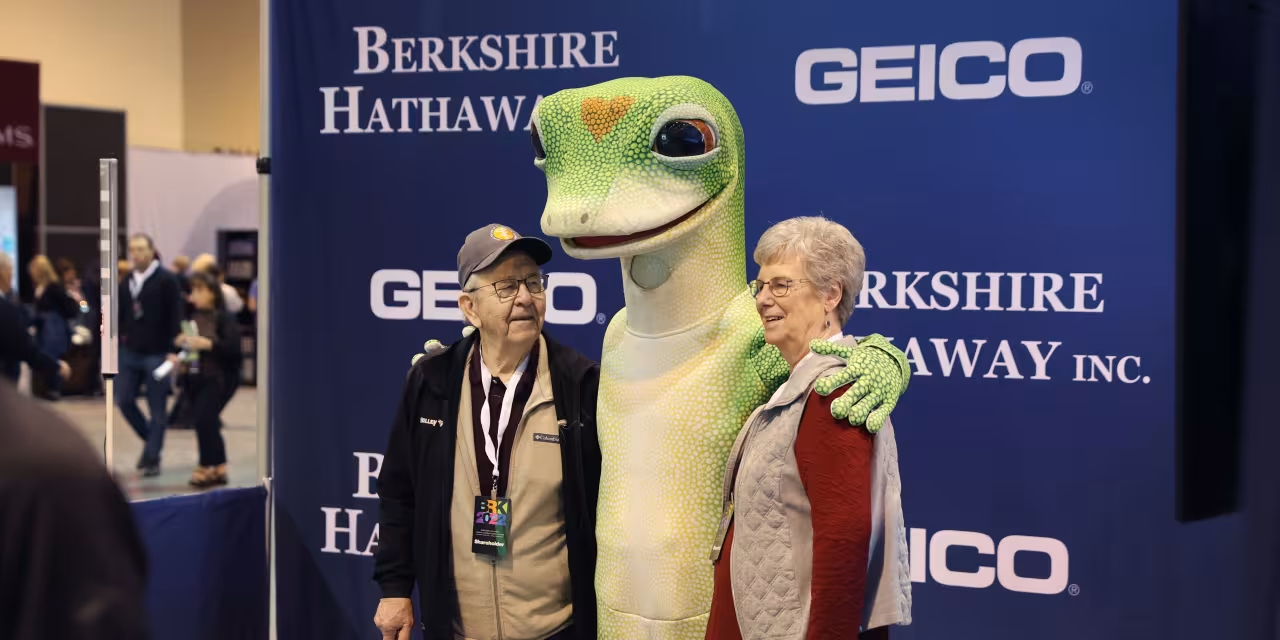
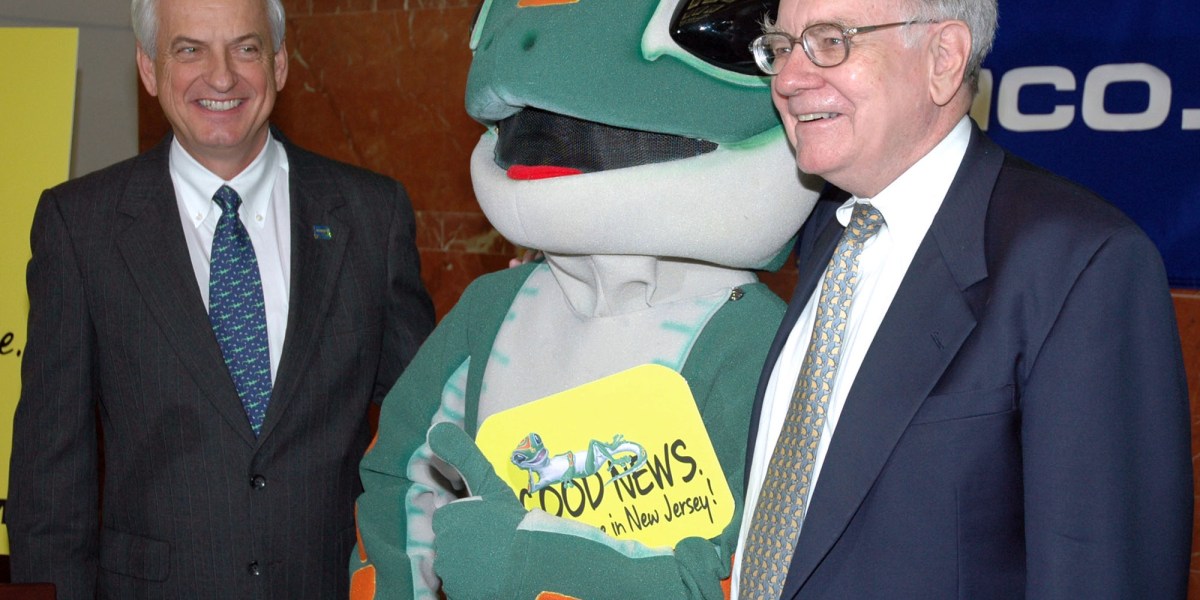
Buffett has called Geico his favorite child, and for good reason. Since it began in the 1930s, the auto insurer has used a direct-sales model to keep operating costs the lowest in the industry. In a commodity business like insurance, that’s a major competitive advantage. In the 1990s, after he bought all of Geico, Buffett found a second moat when he began to brand Geico as a trusted, even beloved American company. The gecko, the caveman, the camel who celebrated hump day—all these were marketing masterstrokes, ones directly derived from Buffett’s deep understanding of the mass brand-mass media industrial complex. The mascots also highlight how, while Buffett was comfortable investing in marketing, he was deeply uncomfortable with, and therefore didn’t understand, investing in tech.