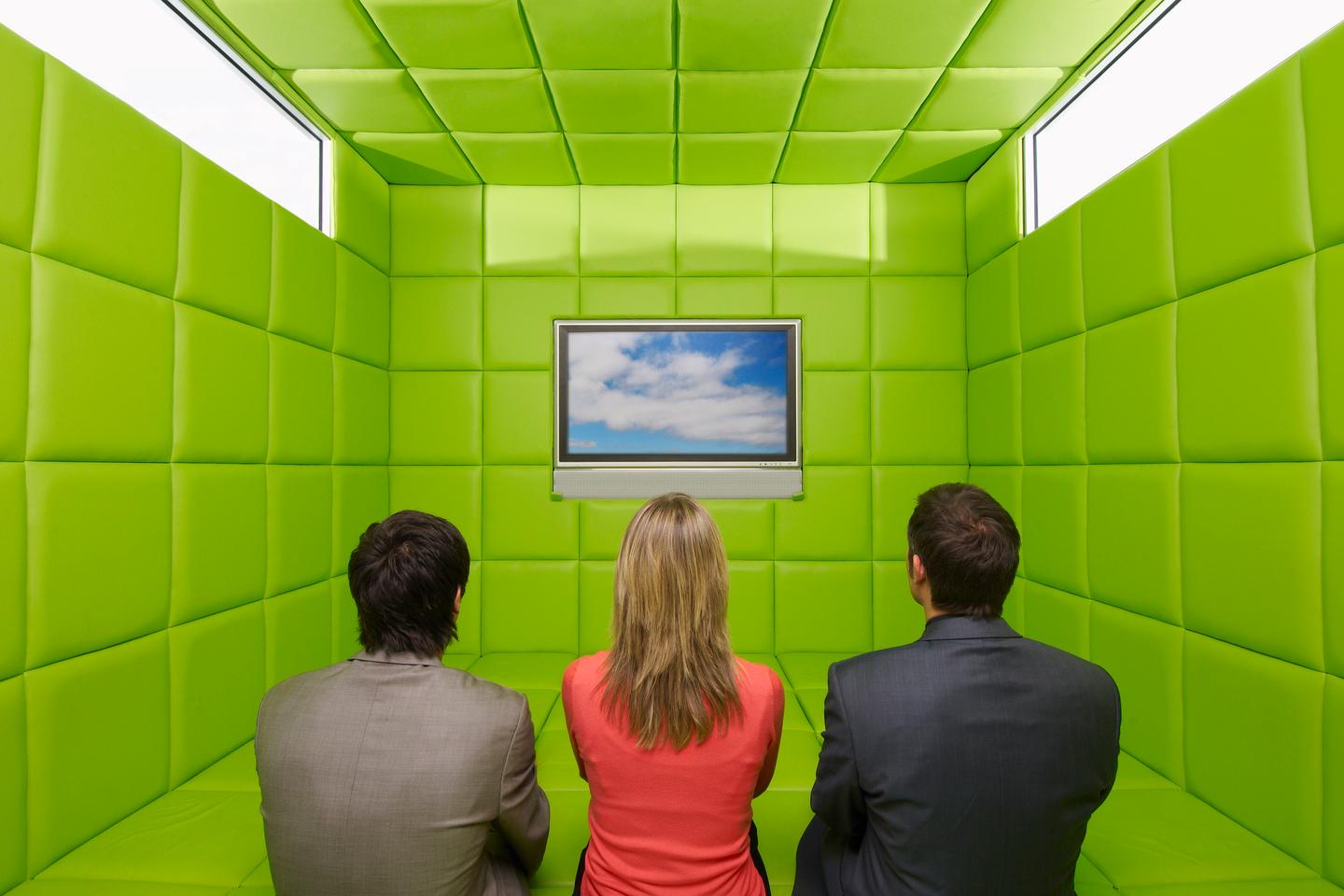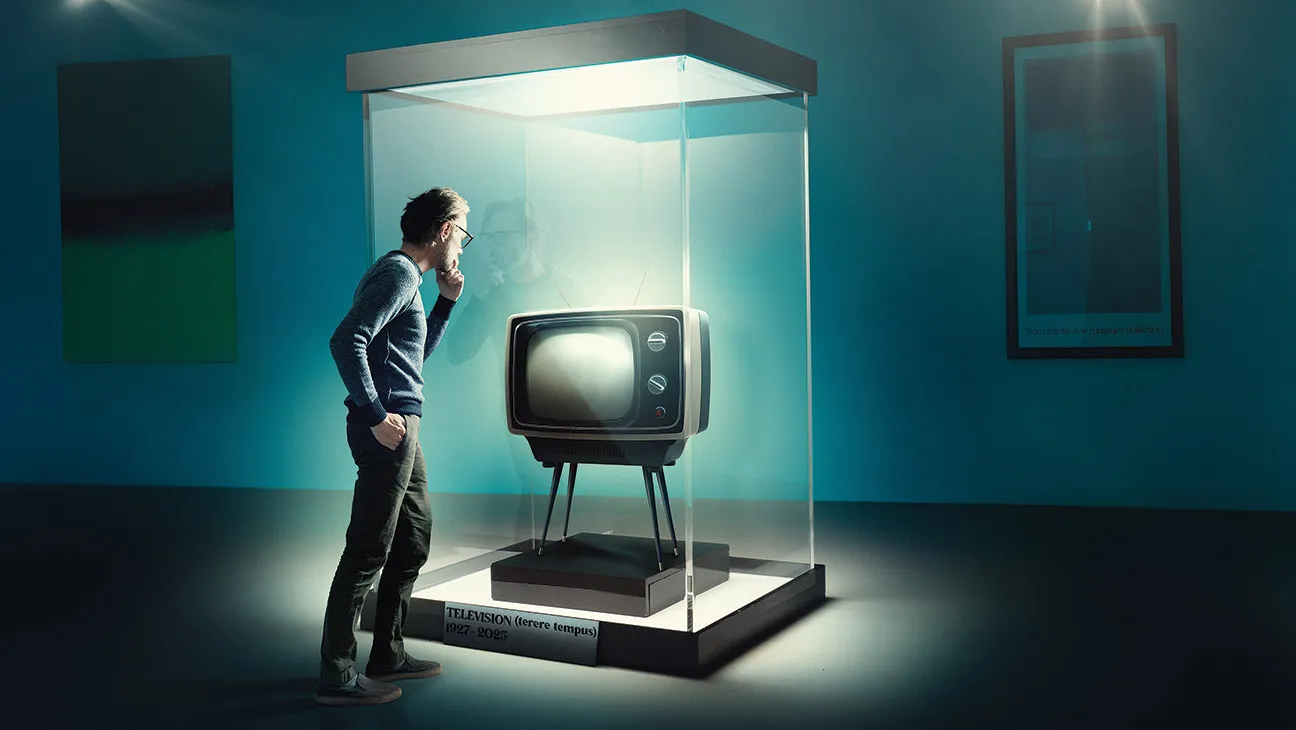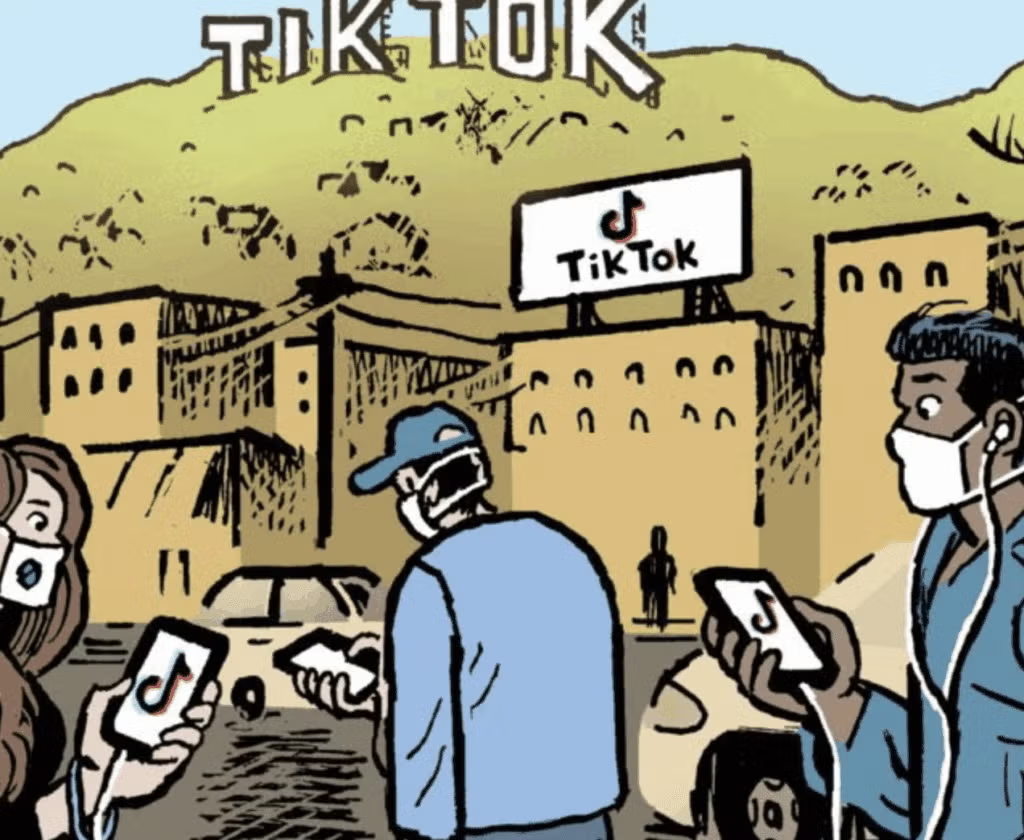
I struggle with the word television. Although we continue to use that term, recent market-definition debates – including in Netflix’s acquisition of Warner Bros. Discovery (WBD) assets – make it abundantly clear that what we call television is much more than a screen in a room where we lean back to watch professionally produced, long-form content delivered linearly at an appointed time.
What we now call television is an experience that adapts to the viewer. It’s about how, when, and where we connect to content across moments, moods, and devices. Television is the moment we decide to be carried by a story: comfort, curiosity, escape, connection. That moment can happen on a couch, in an Uber, in the kitchen, or between meetings—across any screen, any length, any format. Television has become a state of mind.
When Product Experience Becomes Strategy
Coming back to the U.S. after working in satellite television for News Corp. in India, I could see that digital streaming was the future. That feeling turned into a reality when I moved into the internet portfolio of News Corp./Fox during the MySpace era. My first big lesson was humbling: media companies don’t “go digital” by declaring a strategy. They go digital when the product experience is the strategy.