I
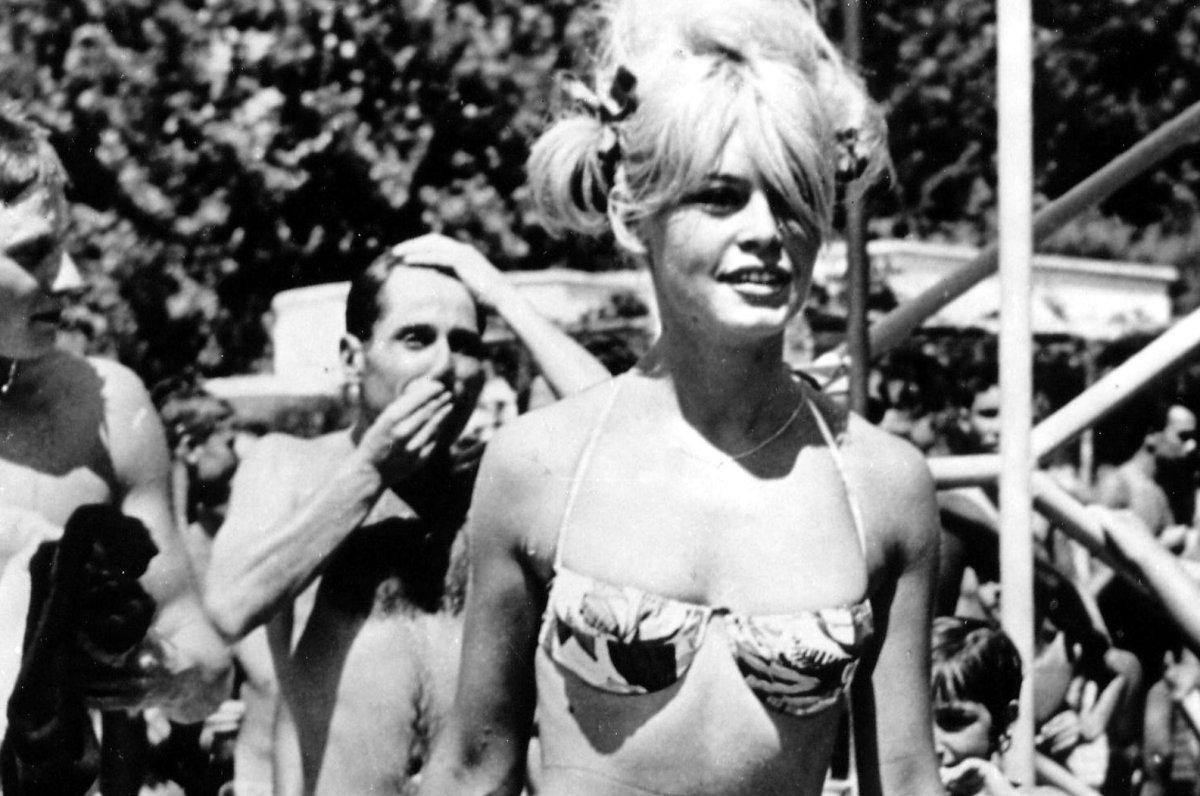
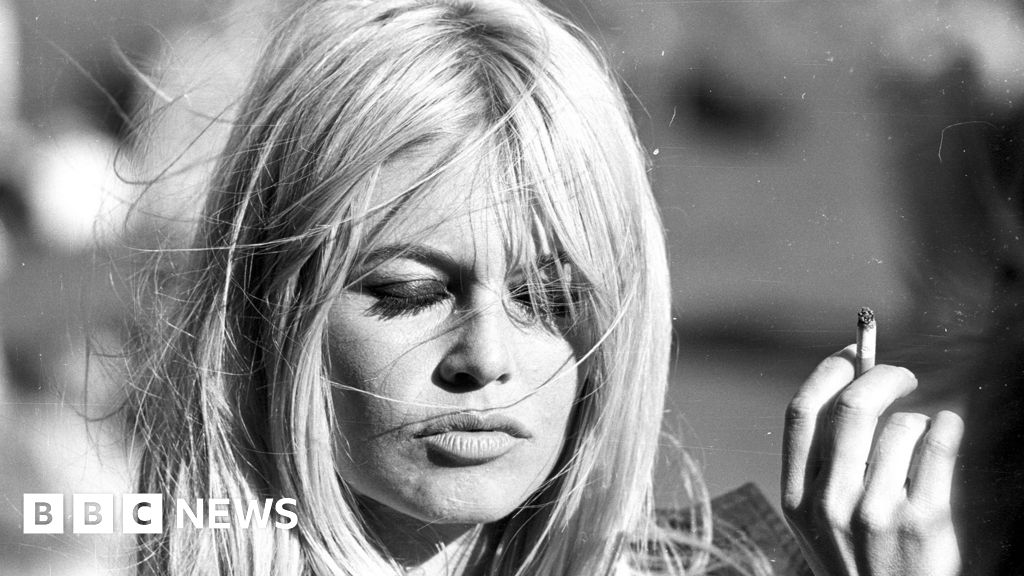
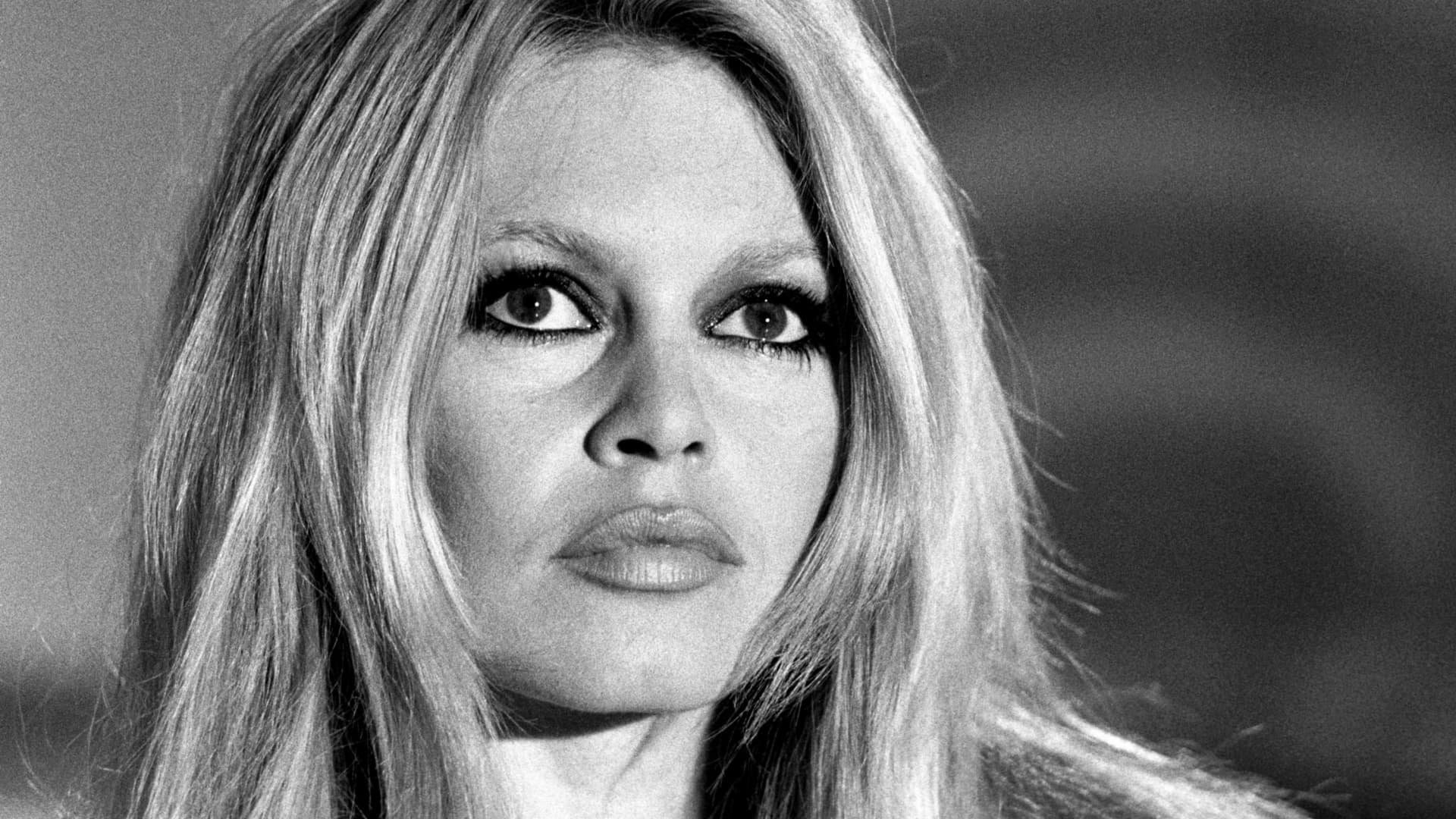
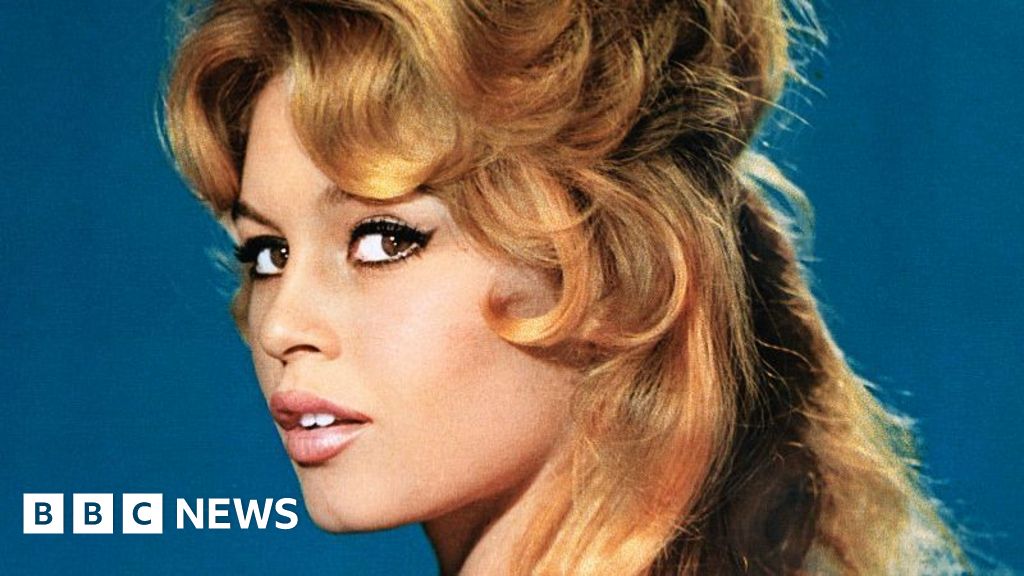
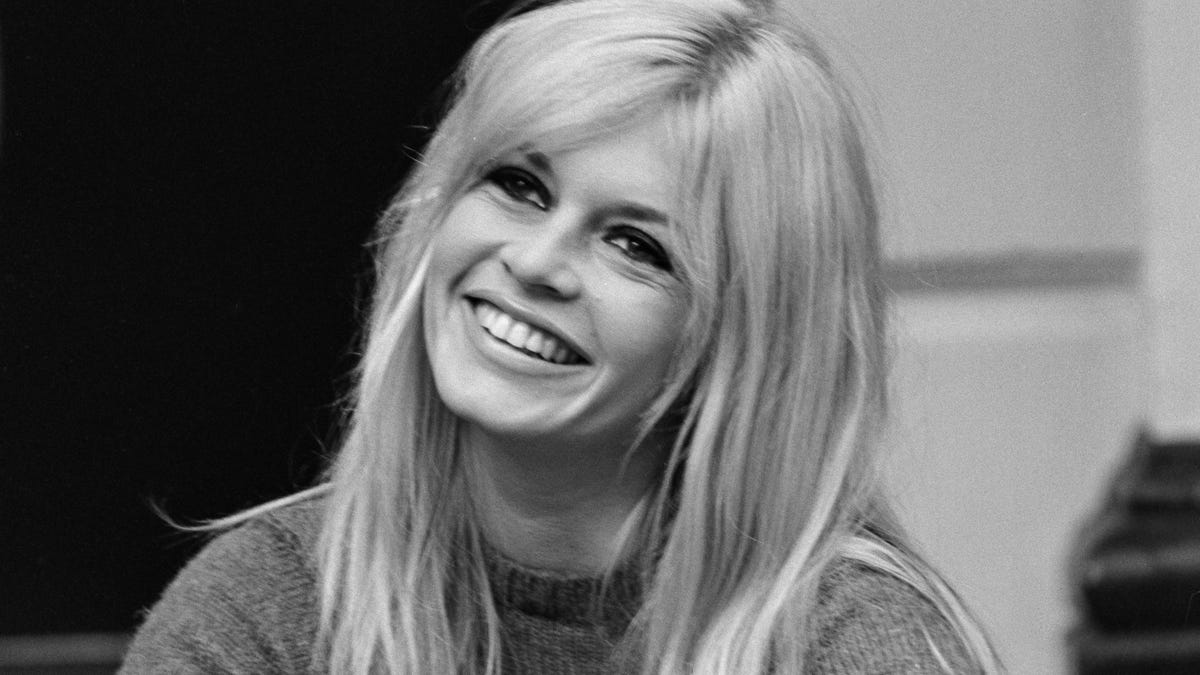
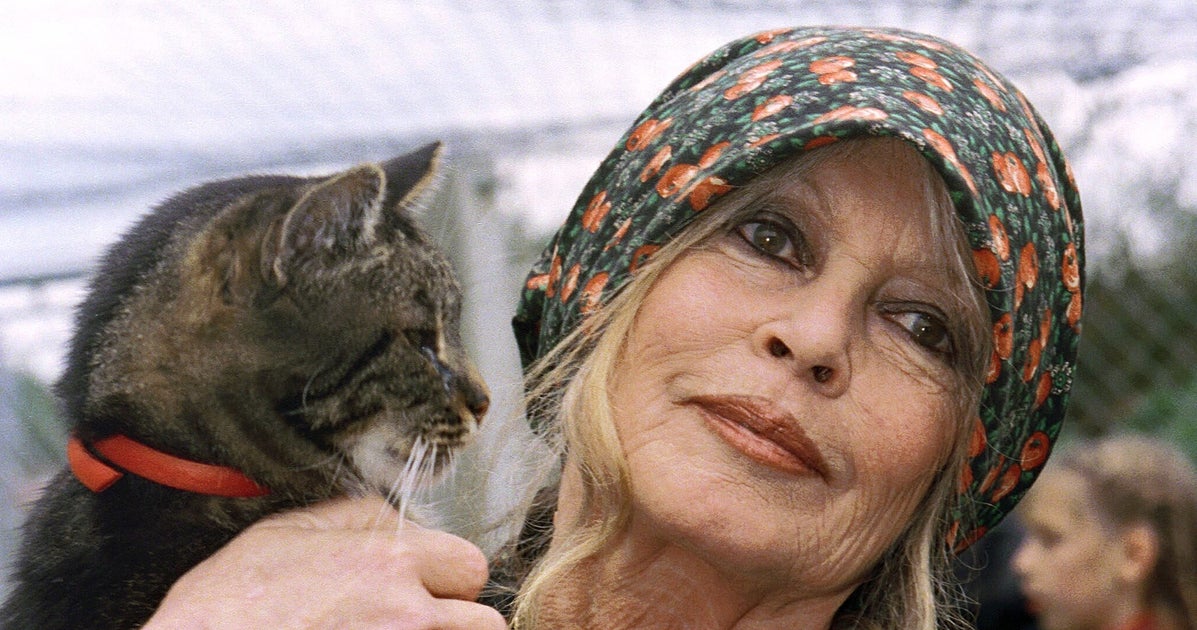
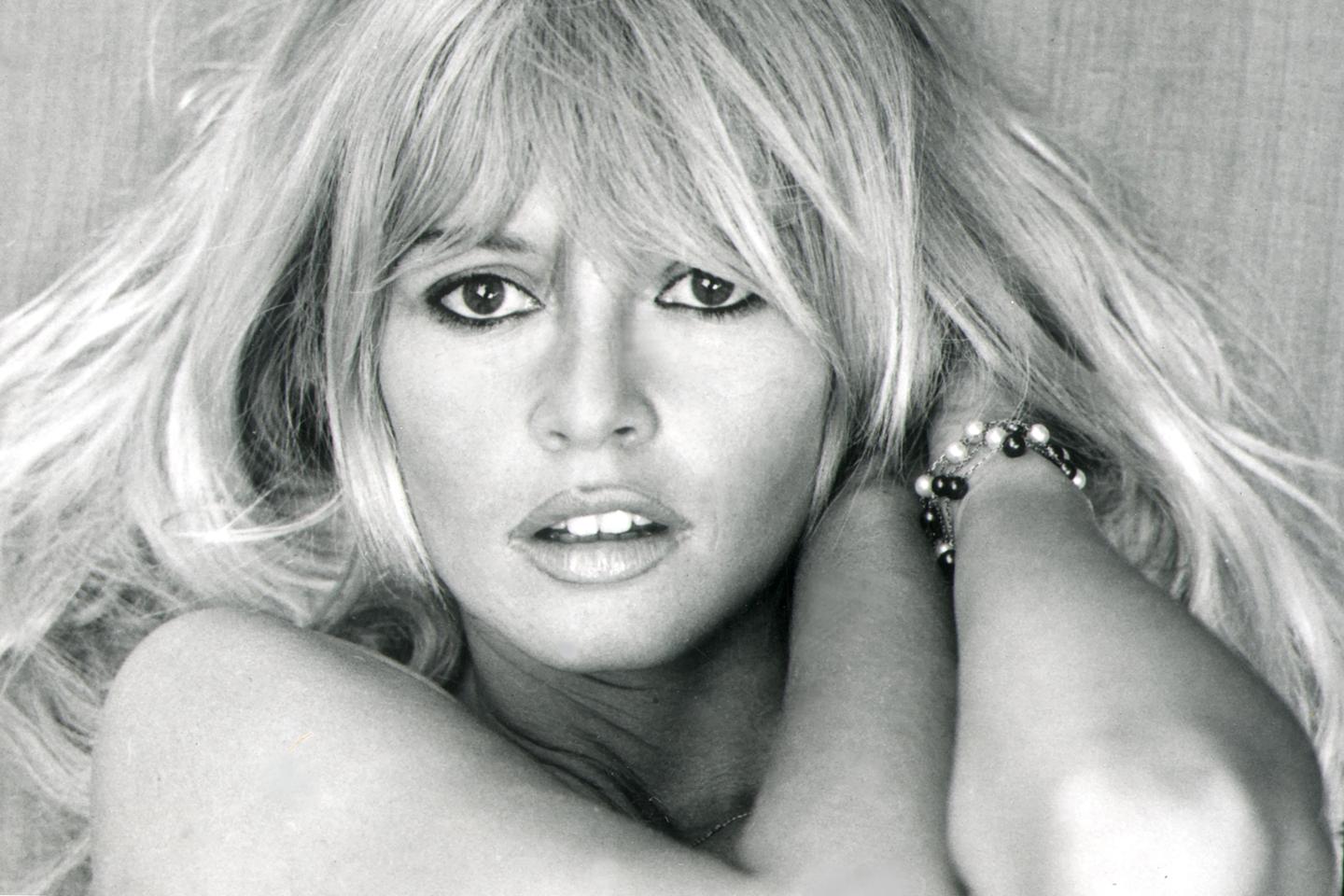
t took Brigitte Bardot's death on Sunday, December 28, at the age of 91, to realize that there was not just one "BB," but dozens, and that each one had been scrutinized, judged and interpreted. In short, she had been appropriated by all. The outpouring of reactions that rang forth around the world after her death was announced made this clear. All the usual superlatives have been used to define her: star, icon, myth, queen, idol, muse and even "legend of the century," according to President Emmanuel Macron, while the mayor of Nice, Christian Estrosi, called her "a part of the French soul."
Subscribers only
Brigitte Bardot, global film icon and champion of animal rights, has died
In this way, Bardot's evolution was seen as a mirror for that of France itself, as, in 1969, she was the first celebrity to serve as a model for Marianne, the symbol of the French Republic. In the 1960s, she was an ultra-competitive export product that embodied the image of a modern, creative and joyful nation, one that was open to the world. Later, she became the symbol of identitarian values, embodying the country as it was tempted by nostalgia, conservatism and isolation. Bardot was convicted for inciting racial hatred several times, due to racist and homophobic insults, even though in 1961 she had condemned the OAS, a far-right paramilitary group which even personally threatened her, declaring: "I don't want to live in a Nazi country." Bardot was elusive.