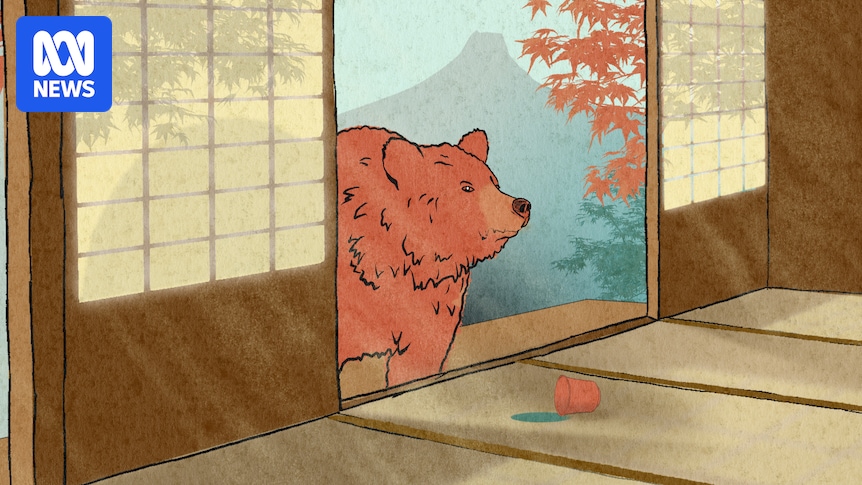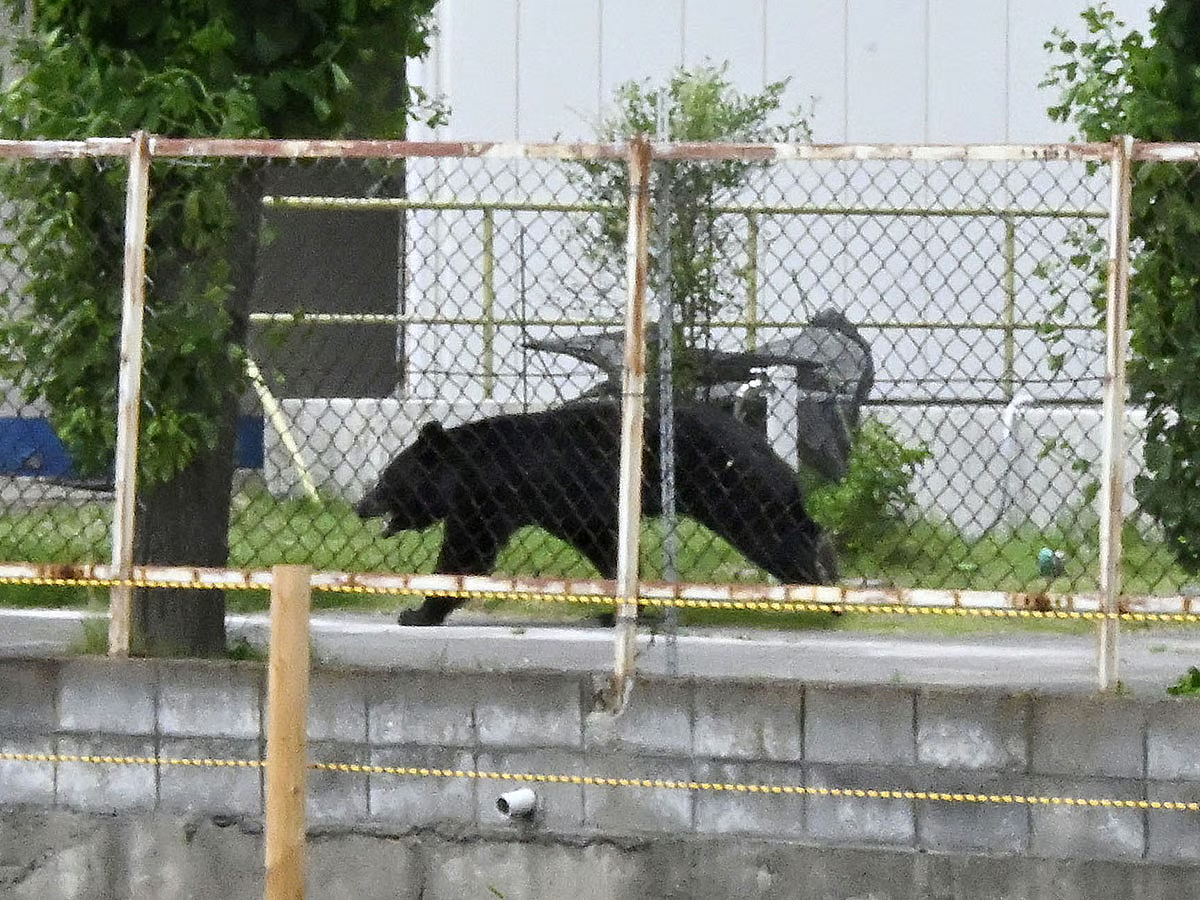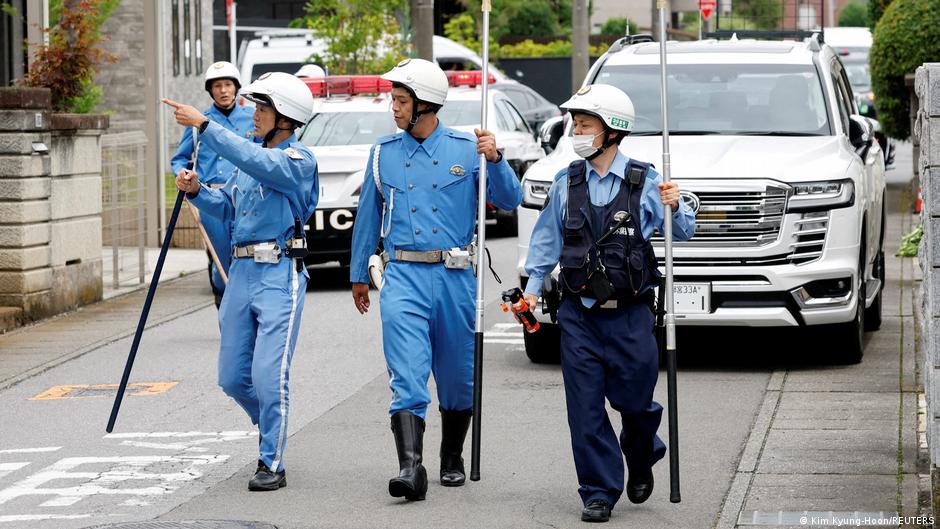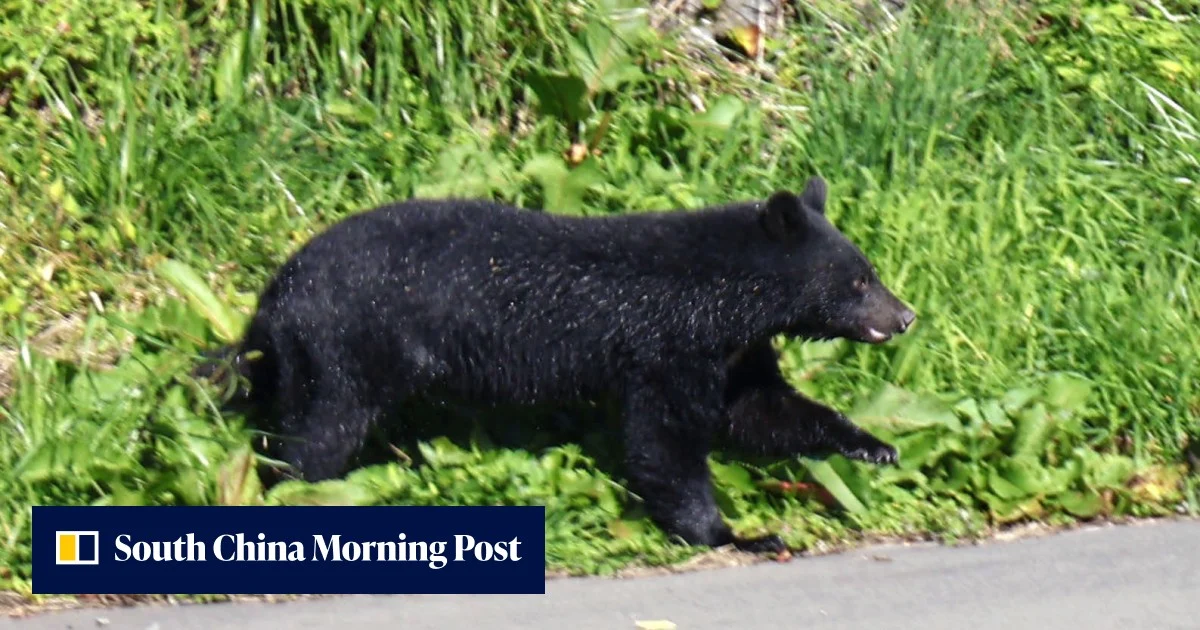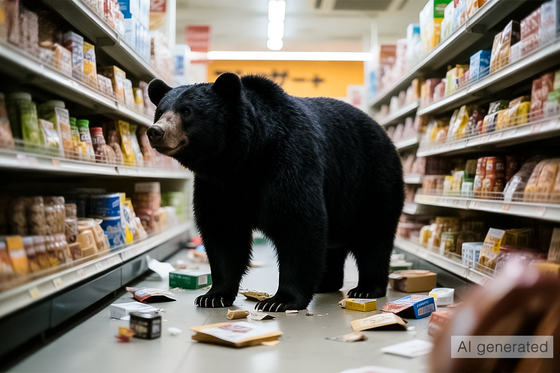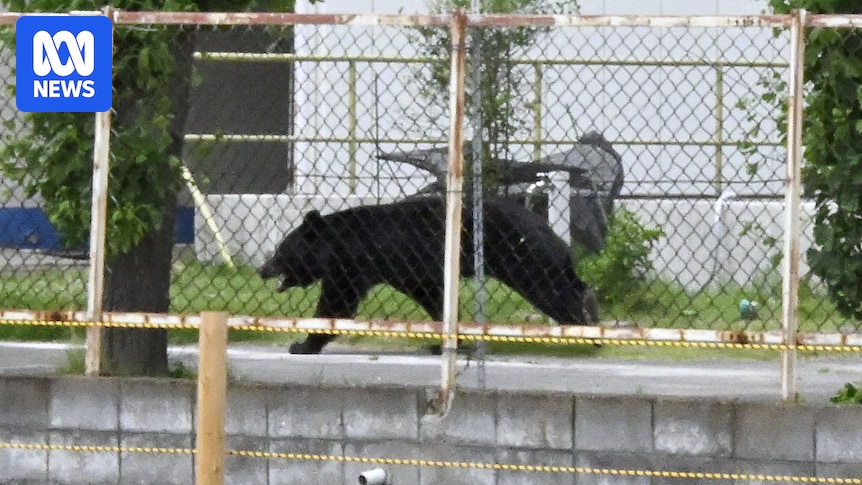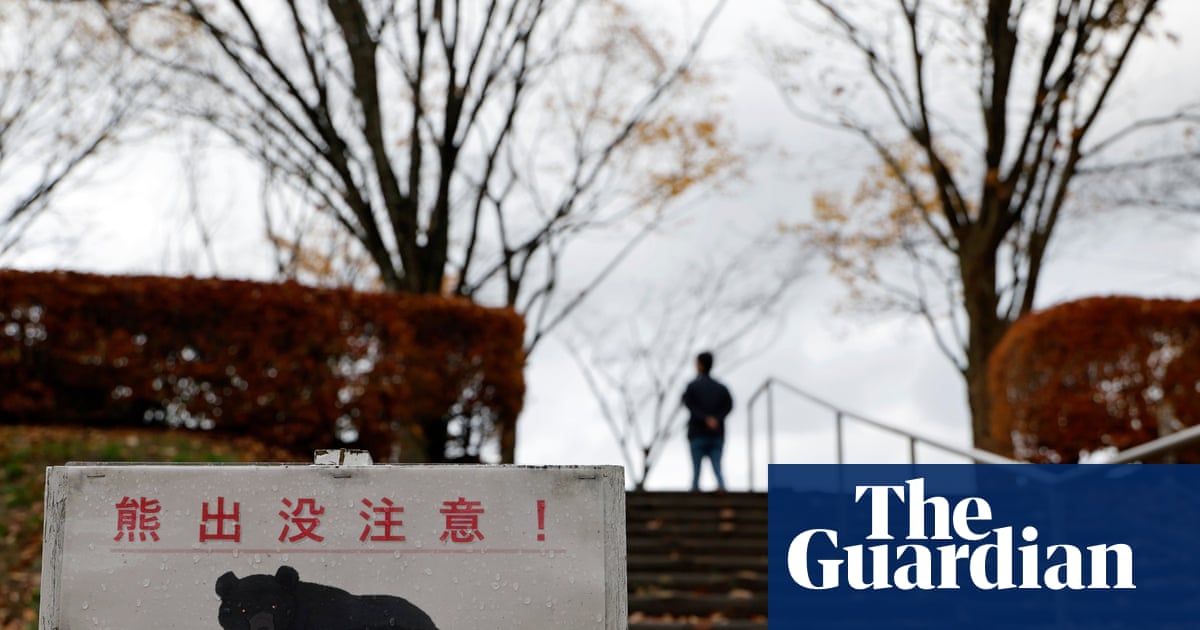
Bears are becoming a growing problem in some of Japan’s urban areas as they are forced to venture further in search of food
It came as no surprise, least of all to the residents of Osaki, that “bear” was selected as Japan’s kanji character of the year earlier this month.
The north-eastern town of 128,000 people is best known for its Naruko Onsen hot springs, autumn foliage and kokeshi – cylindrical dolls carved from a single piece of wood. But this year it has made the headlines as a bear hotspot, as the country reels from a year of record ursine encounters and deaths, with warnings that winter will not bring immediate respite.
“This year has been particularly bad,” says Kazuhide Otomo, an official in the town’s rural environment development division. “There have always been bears in this region, so people got used to them. But this year is different … it’s the biggest topic of conversation.”
In Naruko Onsen, groups of hikers equipped with suzu bells and repellent spray head into the forest to catch the last of the autumn colours, while posters at the local tourism office warn visitors in multiple languages how to protect themselves.