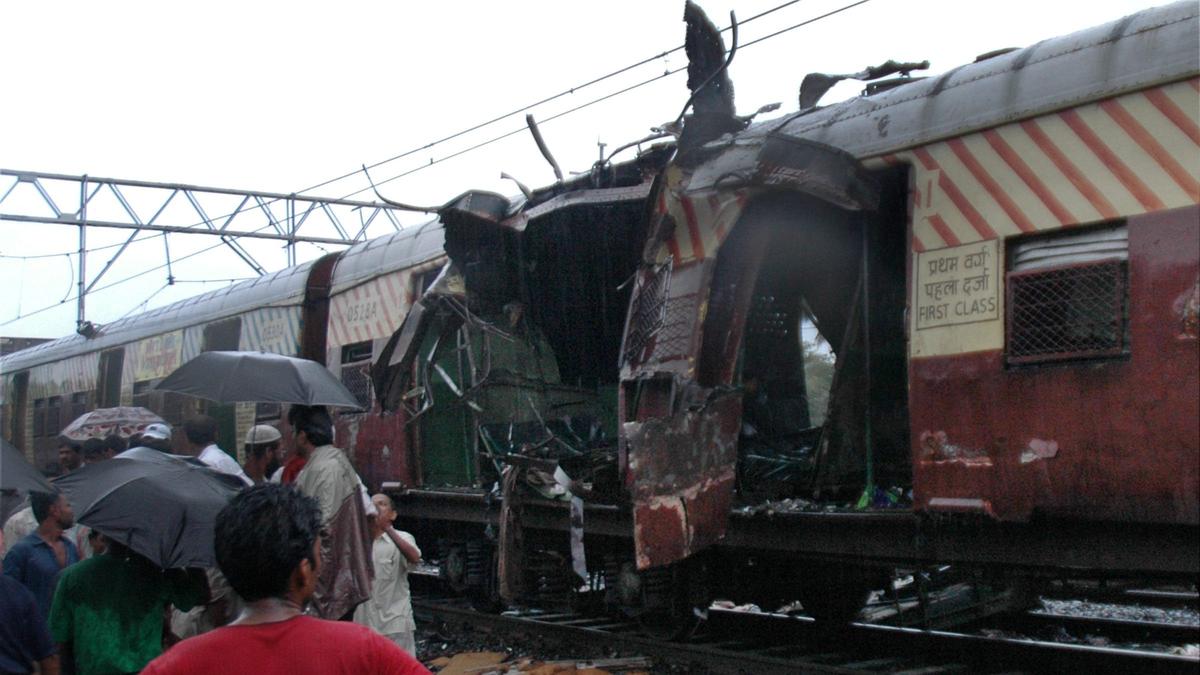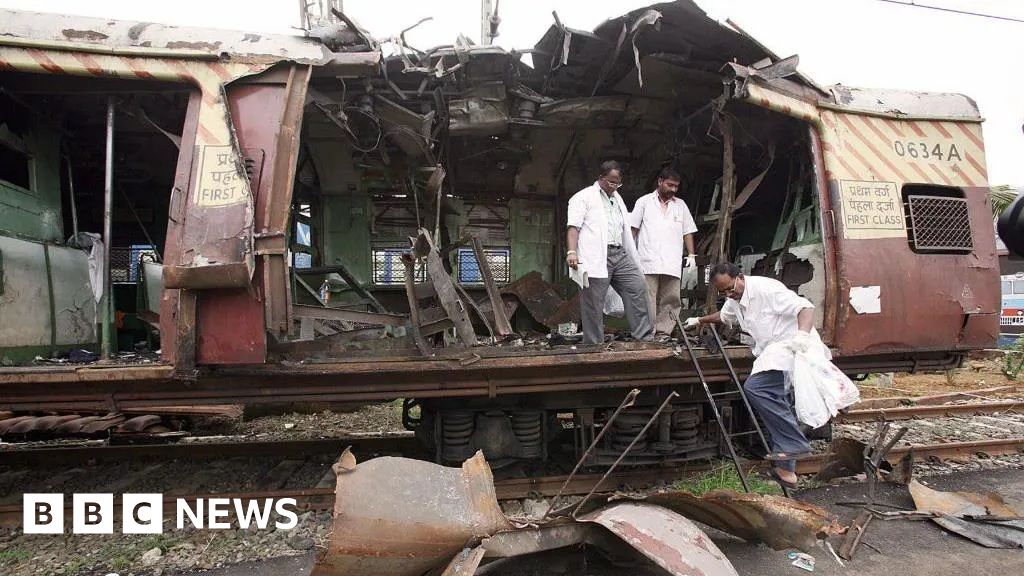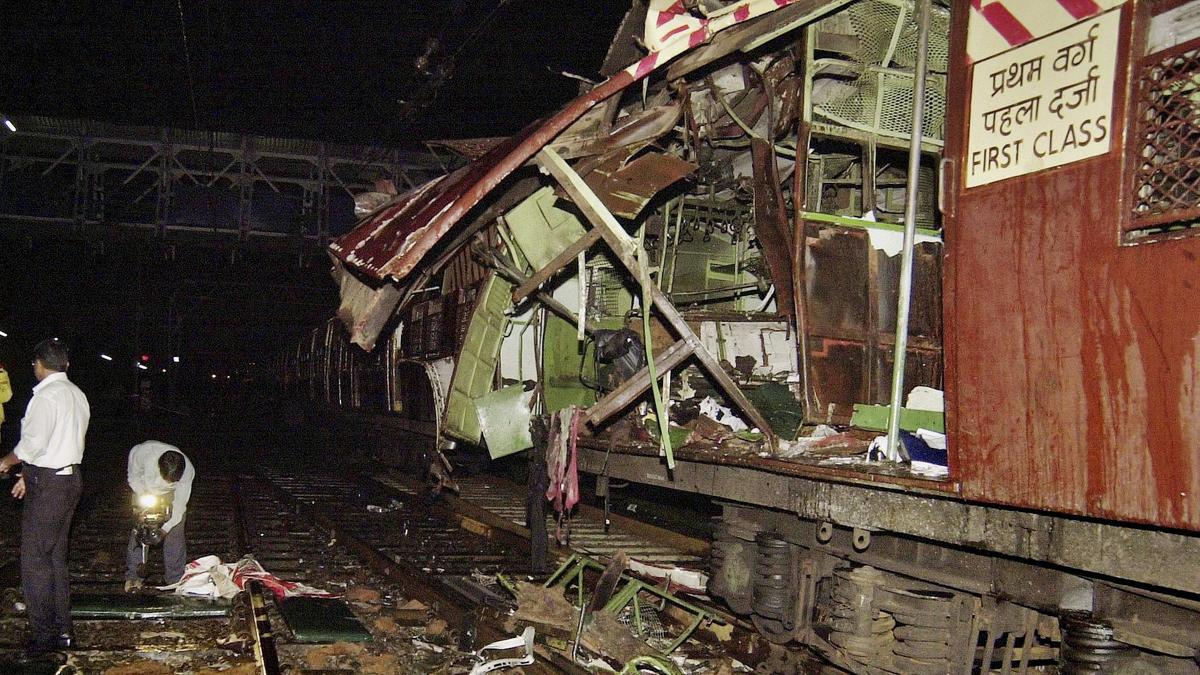
The year 2025 will be remembered as a watershed moment for India’s criminal justice system, as two landmark verdicts tore into the foundations of high-profile terror prosecutions and reignited debate on wrongful incarceration.
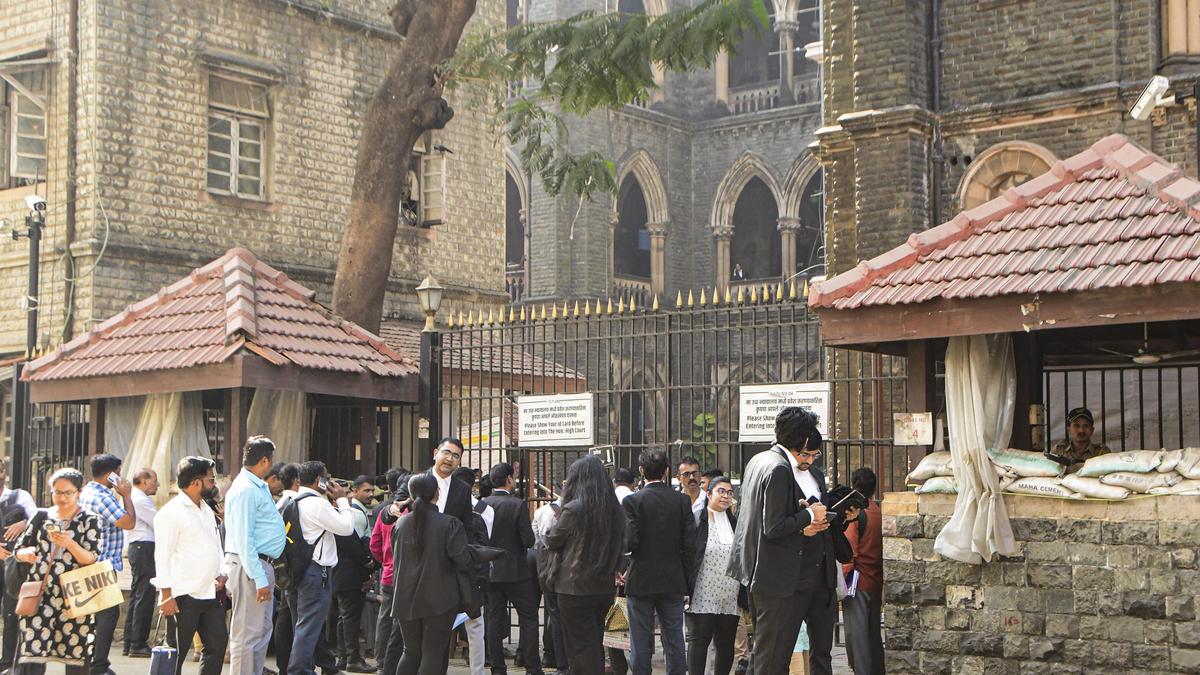
On July 21, a Special Division Bench of the Bombay High Court comprising Justices Anil S. Kilor and Shyam C. Chandak overturned the conviction of 12 men in the 2006 Mumbai train blasts case, which killed 189 people and injured over 800. The men had spent nearly two decades in prison: five under death sentences and seven serving life terms, before the court declared that the prosecution had “utterly failed” to prove its case.
‘Grave error’: Why Bombay HC acquitted all 12 convicted in 2006 Mumbai train blasts
“The prosecution has utterly failed in establishing the case beyond reasonable doubts. It is hard to believe that the accused committed the crime. Hence, their conviction is quashed and set aside,” the Bench observed in its 671-page judgment.
The court found glaring inconsistencies in the prosecution’s three pillars: confessions, recoveries, and eyewitness accounts.