The public is looking for relief from terrorism and violence. But Donald Trump’s words bolster narratives of foreign ‘crusader’ aggression
T
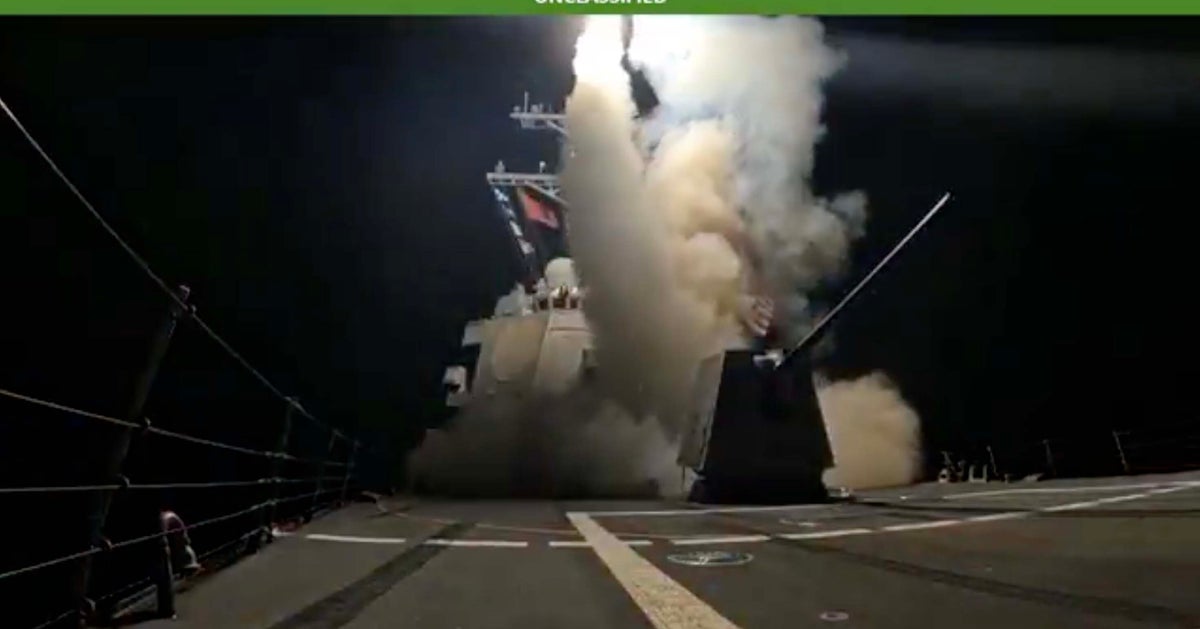
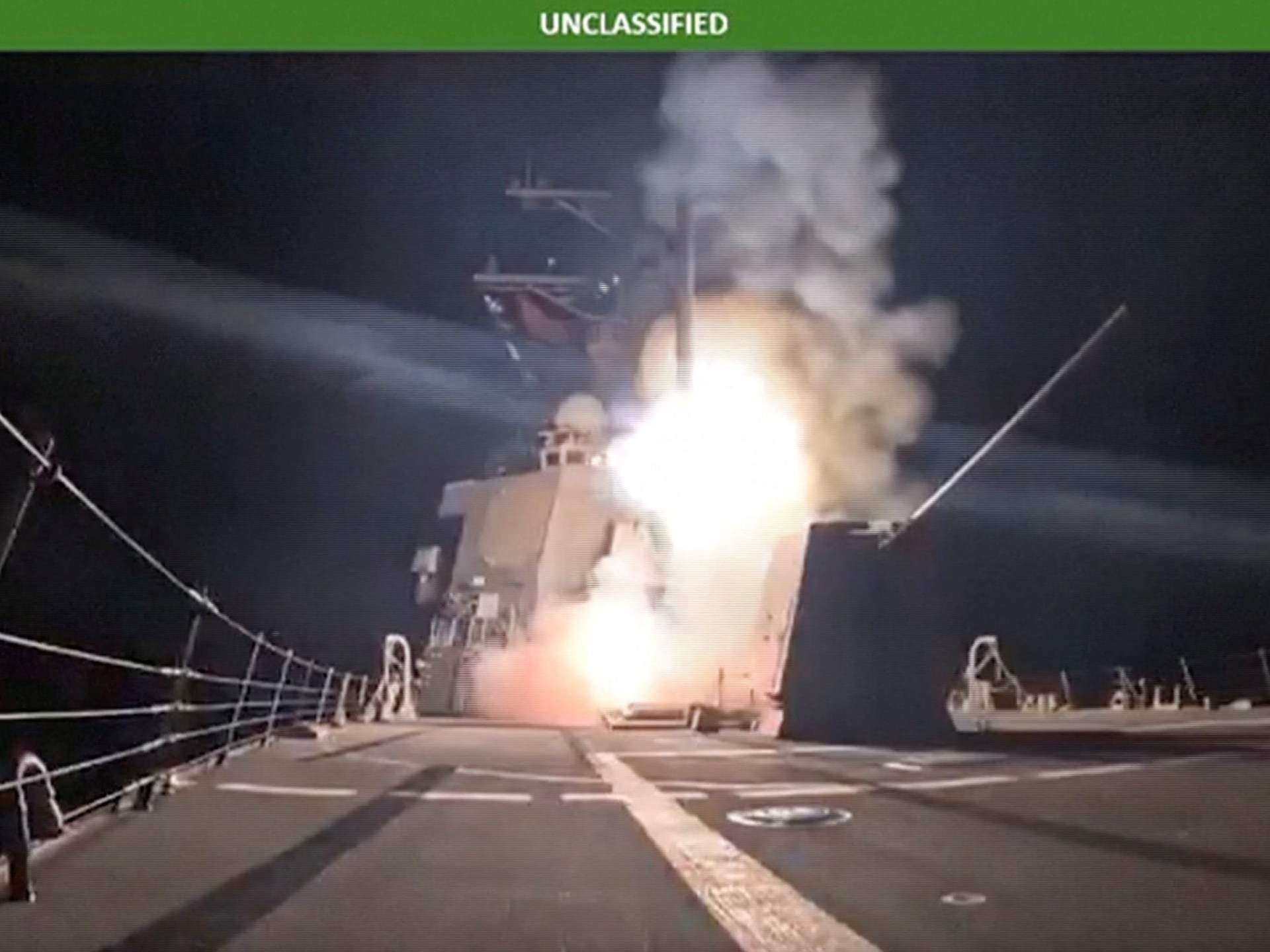
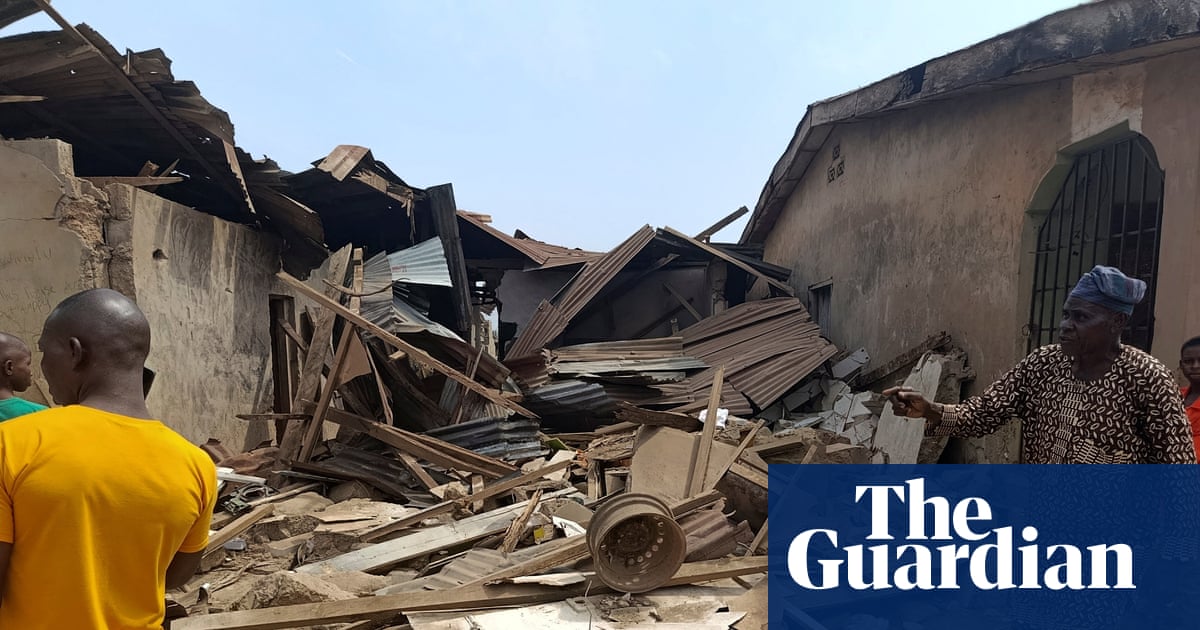
he response of Nigerians to the airstrikes against Islamic State (IS) targets in Sokoto state, north-western Nigeria are complicated. The rationale behind them has been widely opposed, but the strikes themselves have been welcomed.
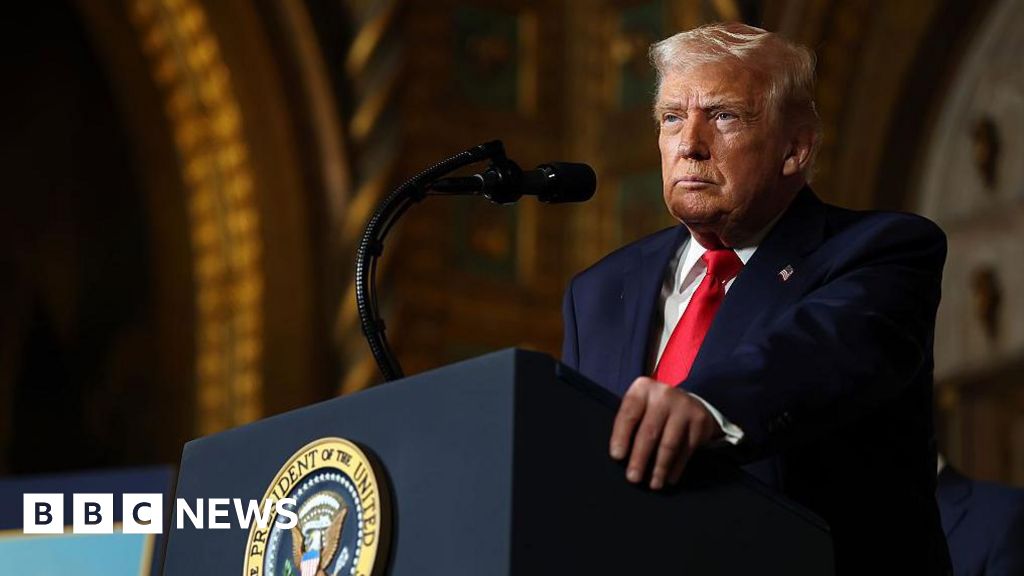
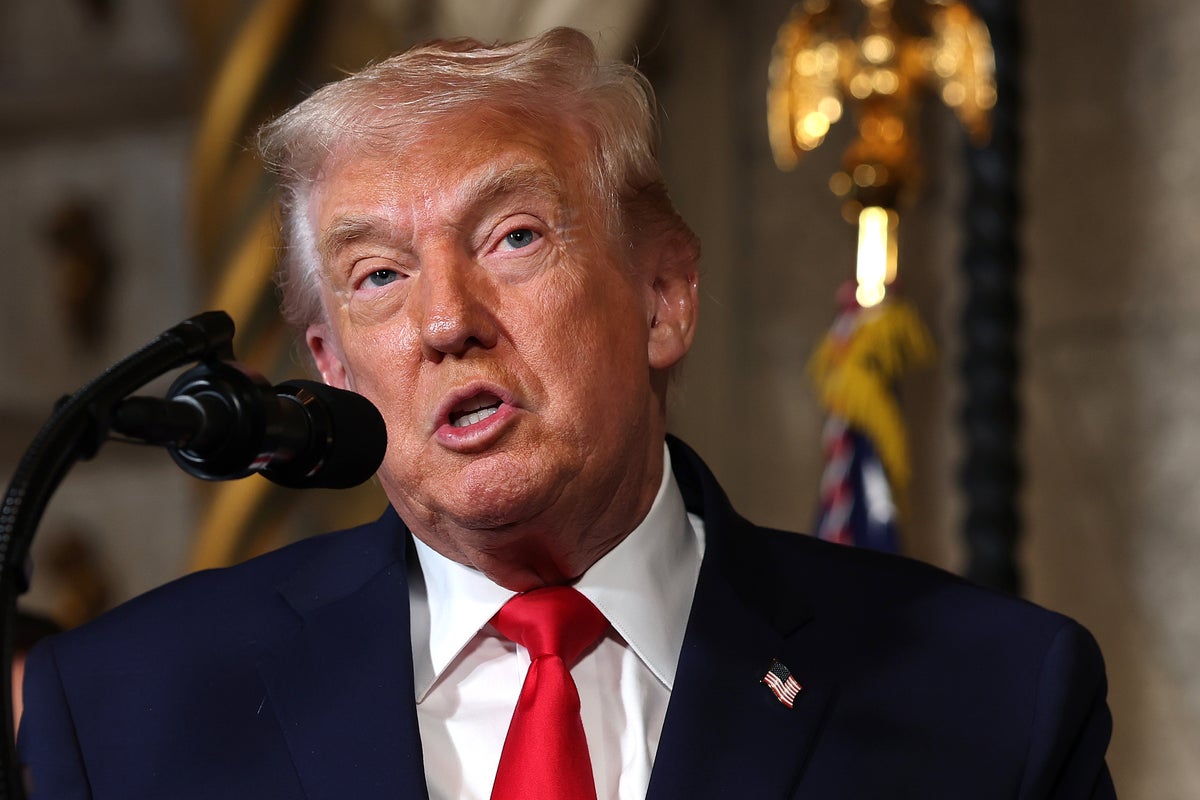
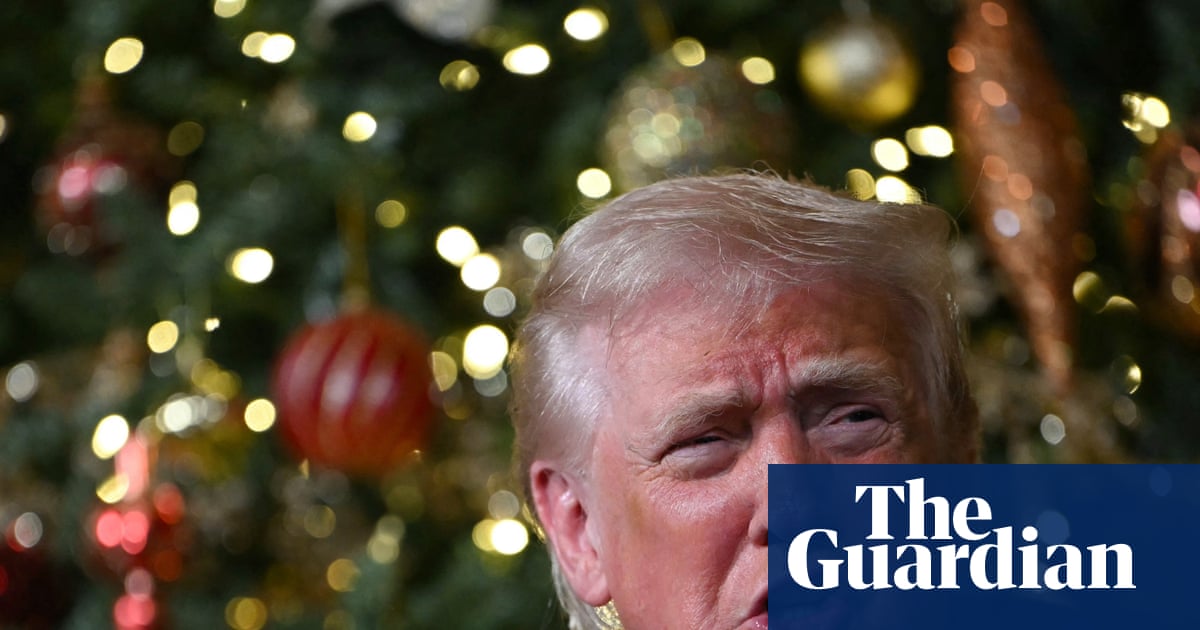
The airstrikes were framed as a response to what have been described as genocidal attacks on Christians in the country. But the Nigerian authorities have consistently rejected this narrative, arguing that armed groups in the country do not discriminate based on religion, and that Christians and Muslims largely coexist peacefully. Ironically, it was Trump’s redesignation of Nigeria as a “country of particular concern” in November that deepened Muslim-Christian tensions. Many northerners, who are predominantly Muslim, blamed southern Nigerians for championing a narrative that ultimately resulted in US sanctions and international stigma.
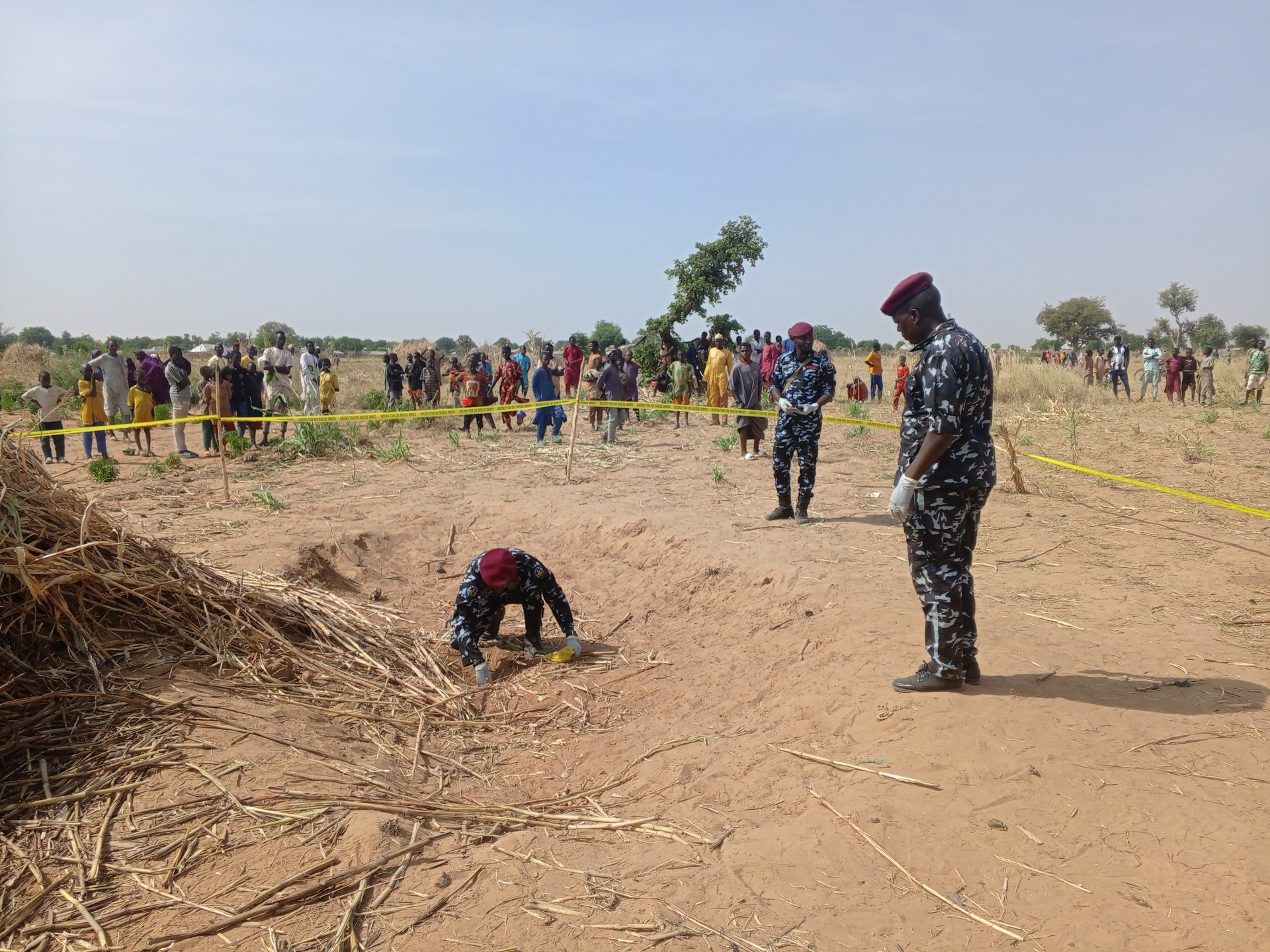
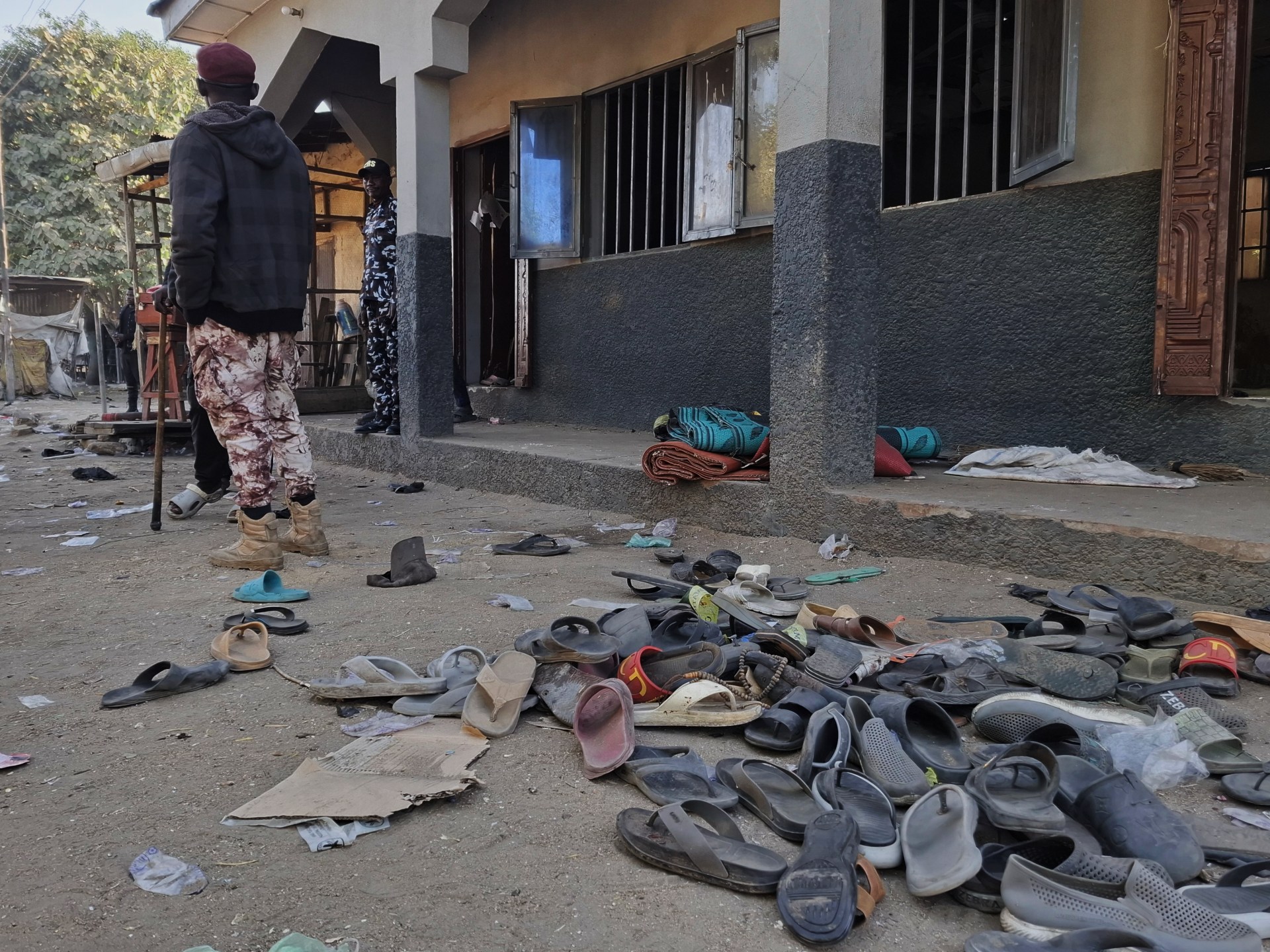
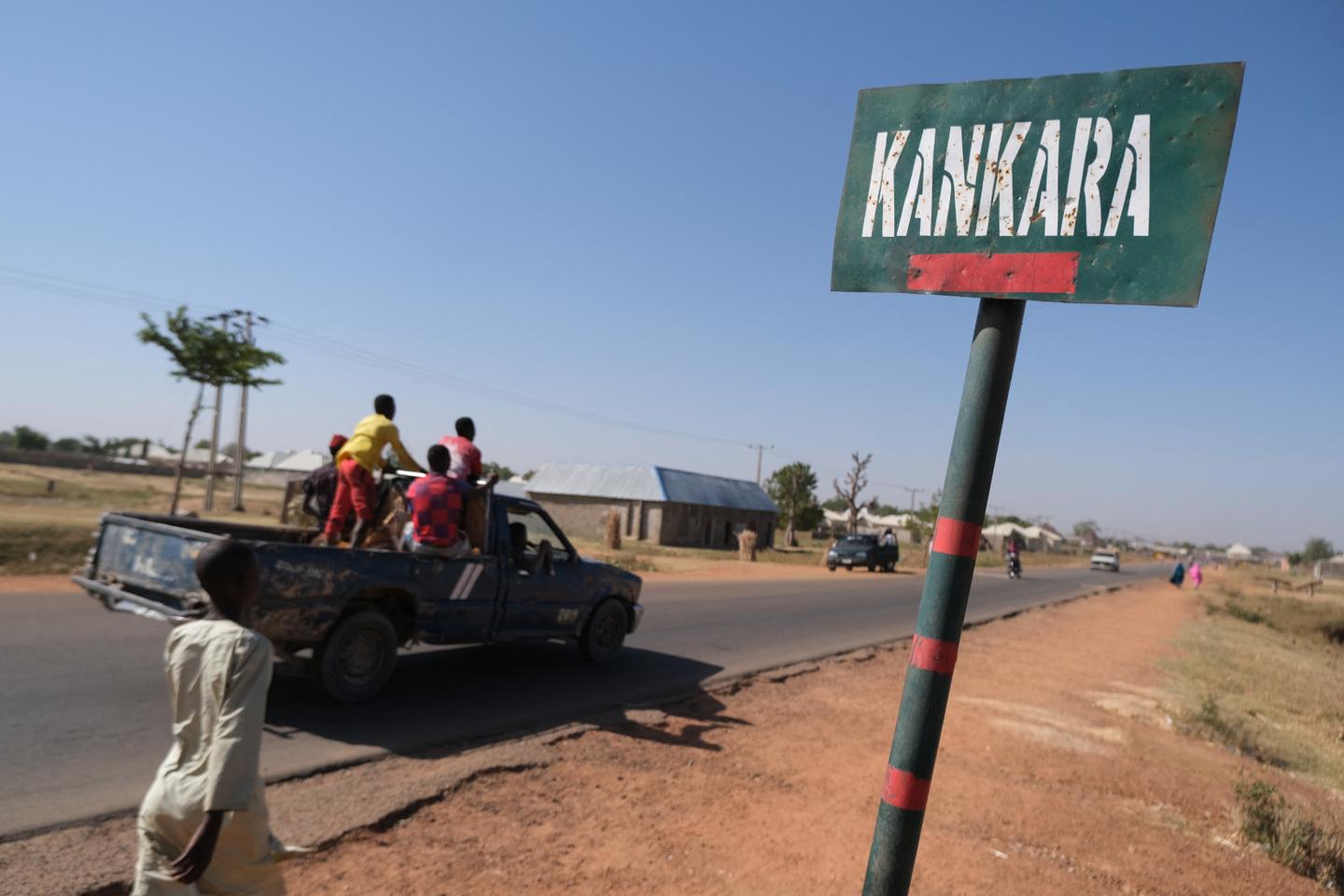
The geographic and operational focus of the strikes has complicated the “Christian genocide” framing. Sokoto is the spiritual heartland of Islam in Nigeria, but armed violence in the area disproportionately affects Muslim communities. By contrast, attacks against Christian farmers are most prevalent in north-central states such as Benue and Plateau, where violence is often linked to armed Fulani herders rather than explicitly jihadist groups. The strikes targeted IS elements, not herder militias. While some reports suggest tactical collaboration between jihadist groups in the north-west and armed herders, the mismatch between the stated justification and the operational target raises questions about whether Washington fully understands the local drivers of violence it has labelled genocidal.