Historically, when organizers have used tactical innovation, movement activity has peaked
F
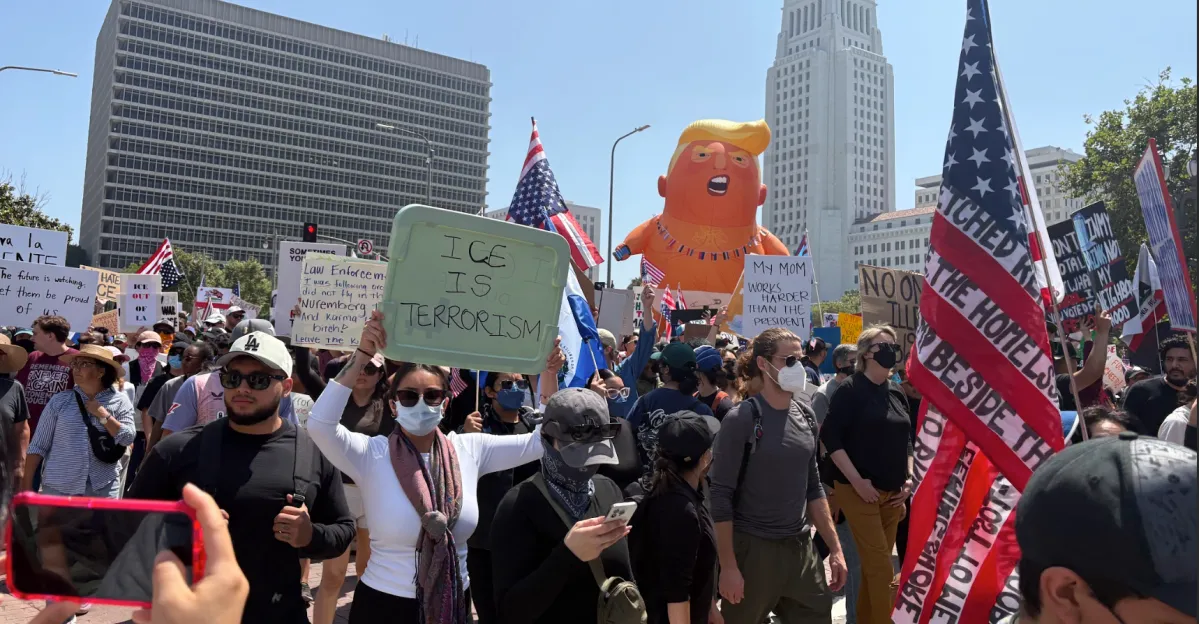
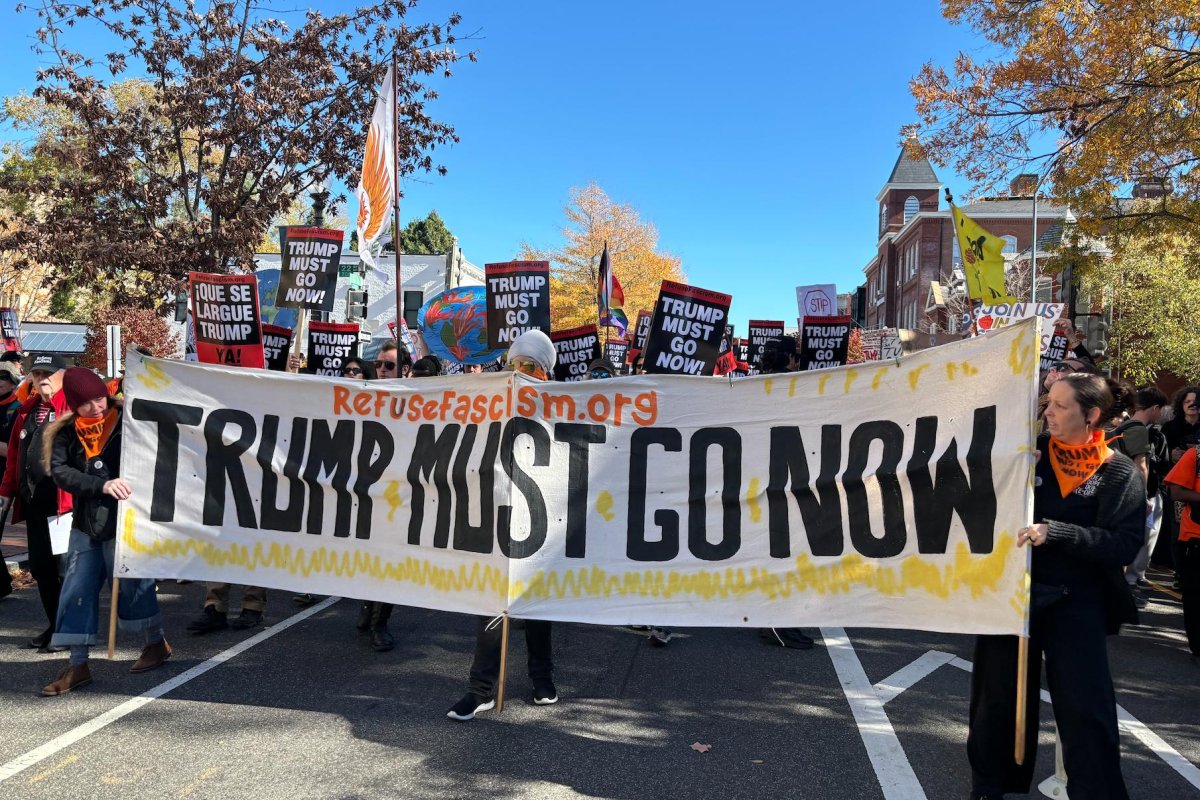
ederal agents in military fatigues carrying assault rifles in major cities. Huge cuts to healthcare, science and the US’s largest anti-hunger program. Immigrants dragged from cars and courthouse hallways. Rising authoritarianism, corruption and anti-democratic behavior. These are just some of the reasons pushback against the Trump administration is growing with each passing day.
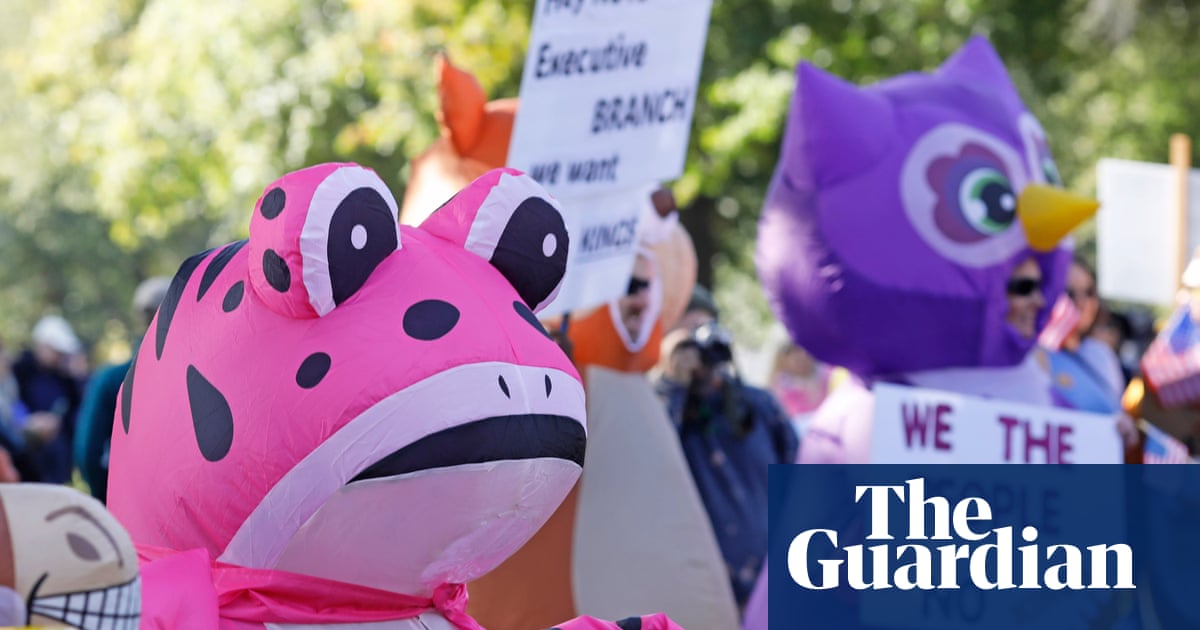
While traditional marches such as the massive No Kings protests are a critical part of any resistance movement, sociologist Doug McAdam has shown how tactical innovation – the introduction of creative or novel protest methods – was a key part of the success of the civil rights movement in the US. Historically, when organizers established new tactics, movement activity peaked.
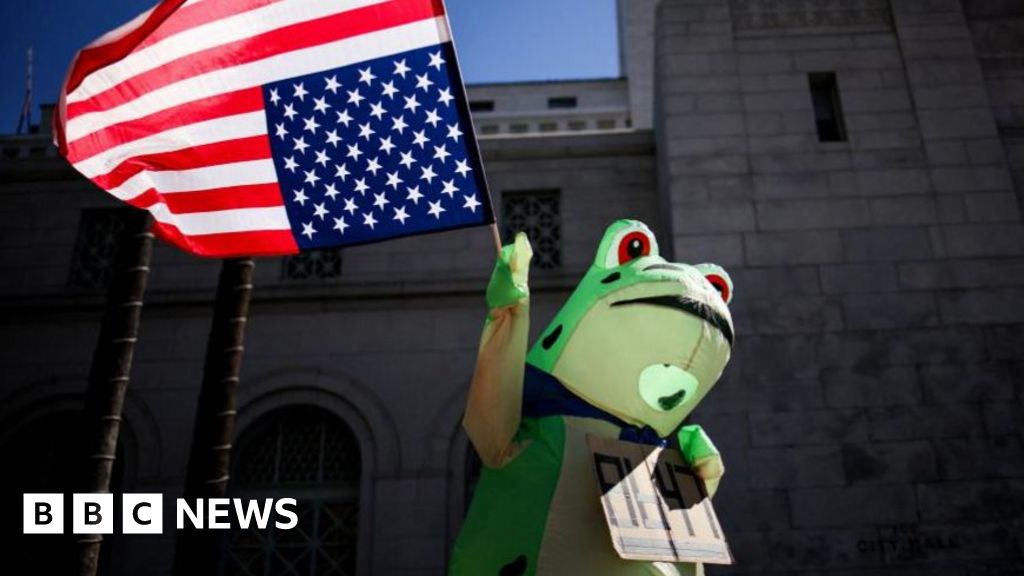
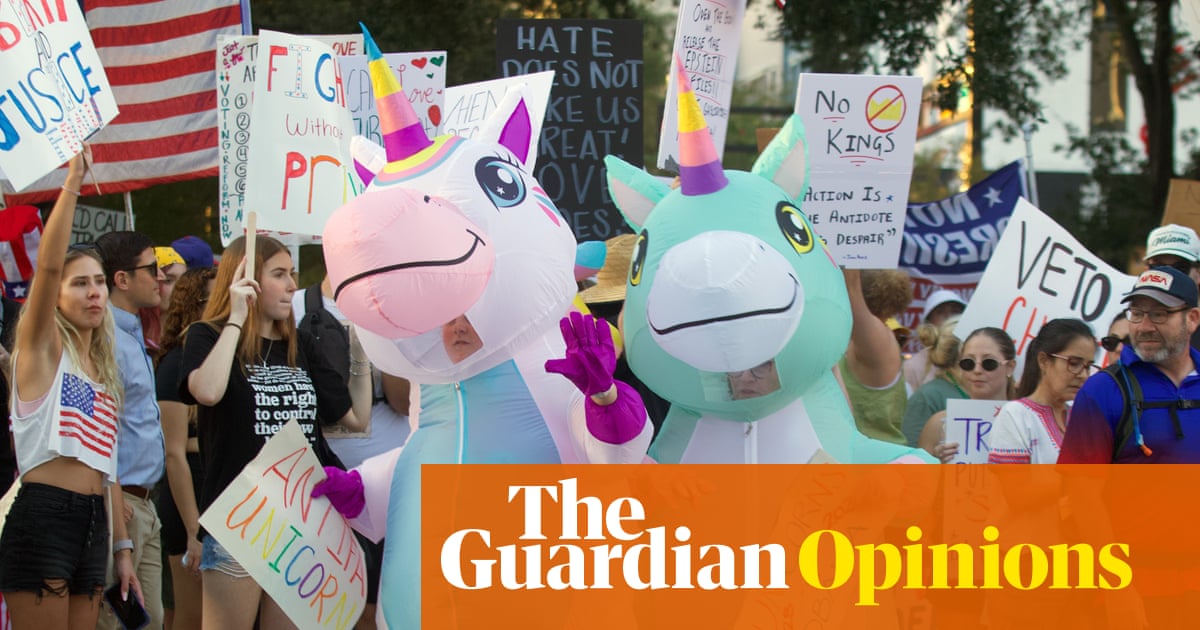
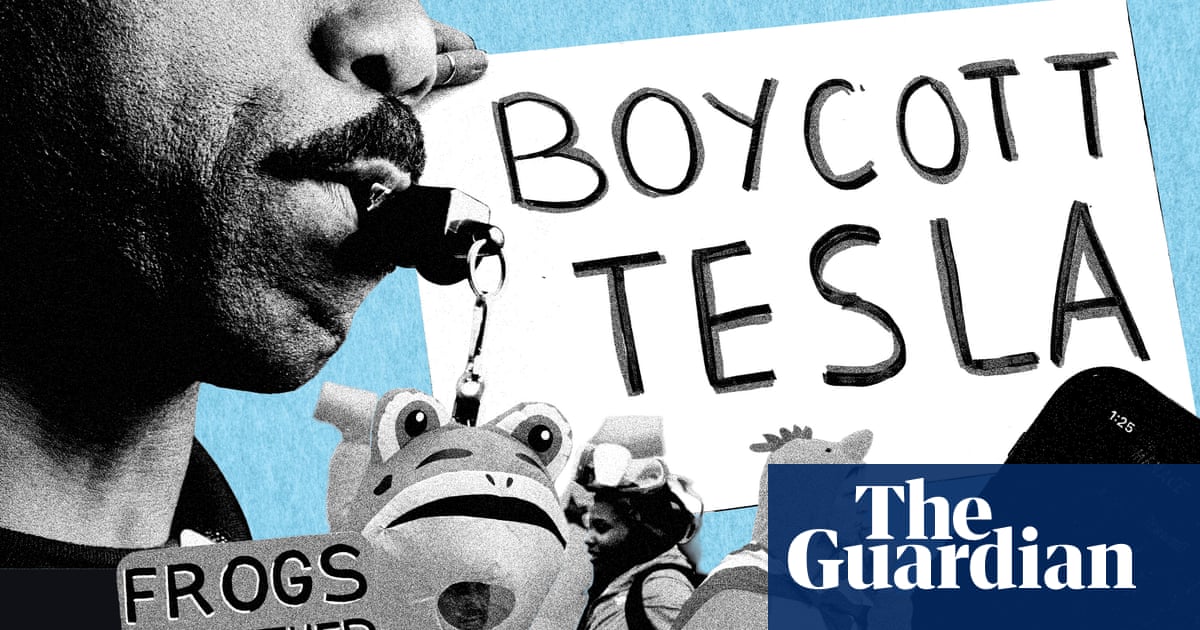
From coordinated boycotts and block parties to noisy disruptions and an ad campaign that encourages non-cooperation from Ice agents, 2025 has seen a torrent of new, innovative and highly effective protest tactics employed against Donald Trump and his administration. These nine forms of non-violent protest – happening in cities such as Los Angeles, Chicago, Portland, Memphis, Washington DC and beyond – have engaged countless everyday Americans to exercise their first amendment rights.