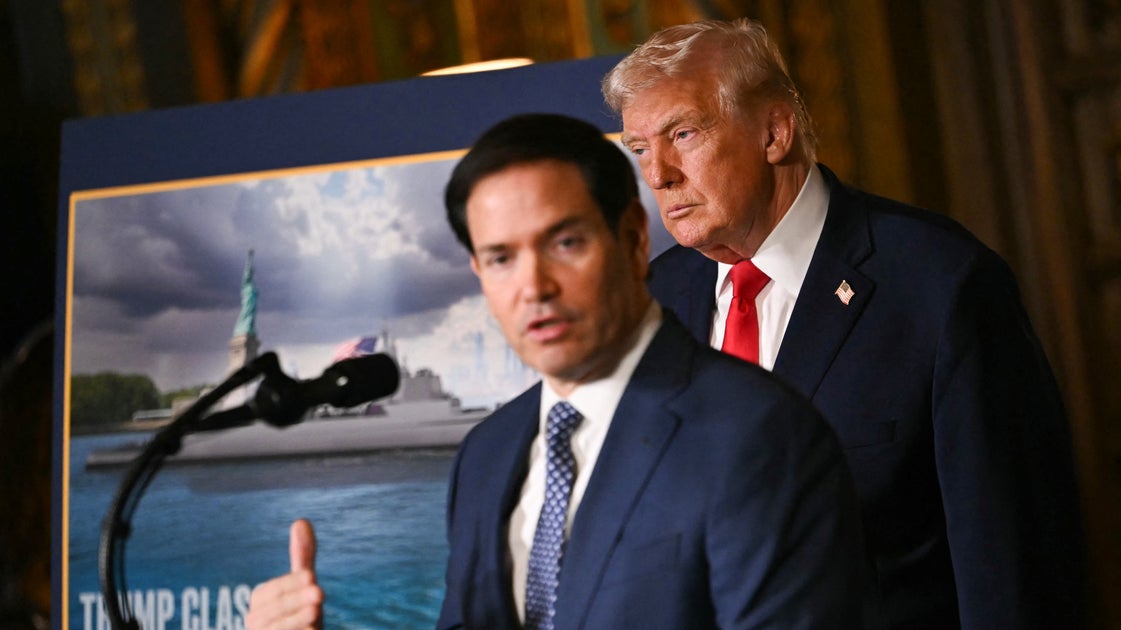
"We must abolish the EU!", "Europe is heading toward oblivion," "Europe censors Americans!" Since Friday, December 5, these kinds of messages, originating from American internet users, have flooded the digital space. What triggered them? The €120 million fine imposed by the European Commission on X for several violations of the Digital Services Act (DSA). A critical observer could easily note that a censorship regime would not allow such critical messages to circulate freely, let alone calls for its own destruction. Nevertheless, the Trump administration and Elon Musk, owner of X, accused Europe of infringing on their freedom of expression.
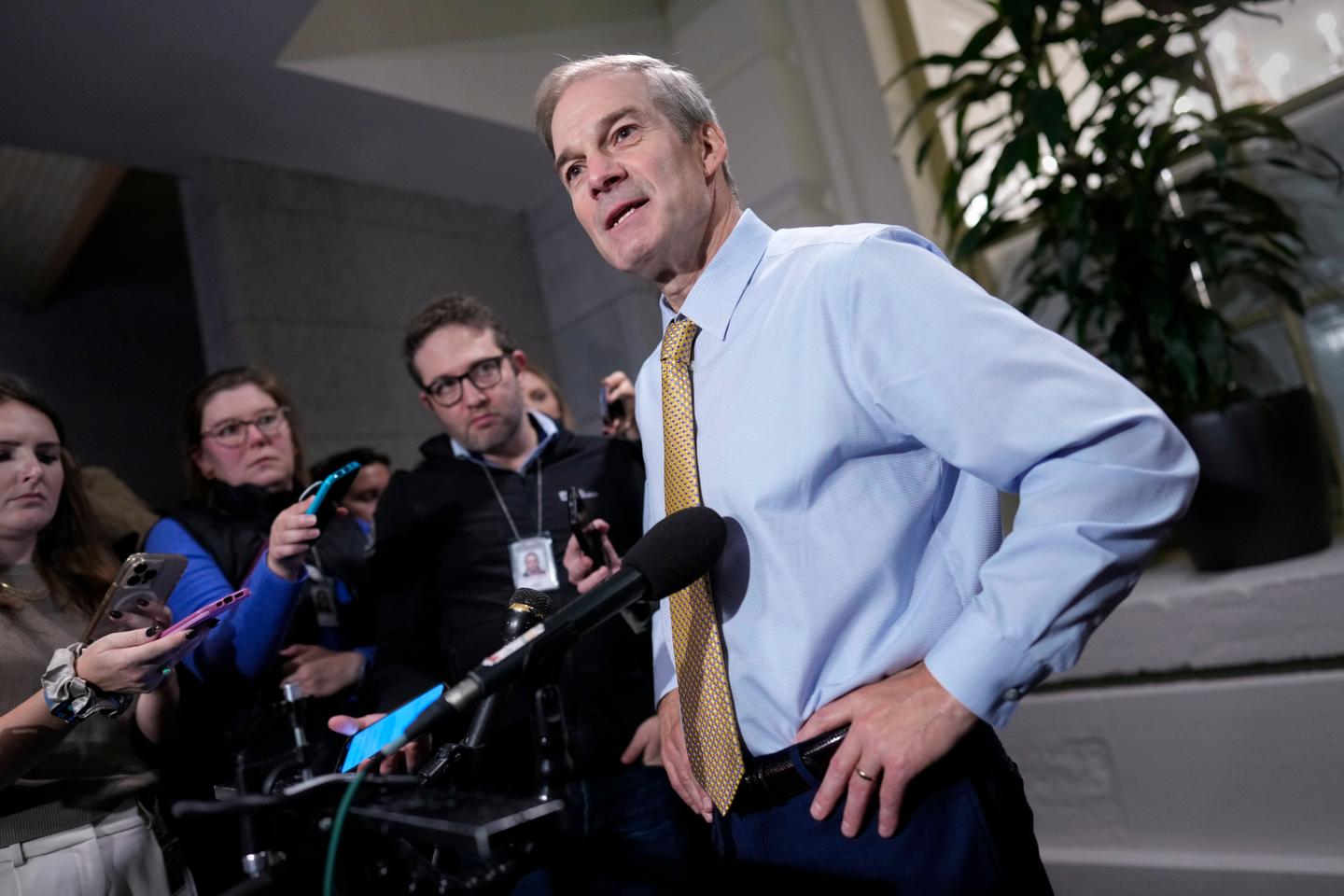
Far from being accidental, these accusations are part of a growing offensive against European digital regulation, which has intensified since Trump returned to the White House. Mark Zuckerberg, for instance, has expressed his willingness to collaborate with the president to counter European regulatory efforts. This summer, the Trump-aligned political sphere maintained this line and continued its accusations, including during a congressional hearing on "Europe's Threat to American Speech and Innovation."
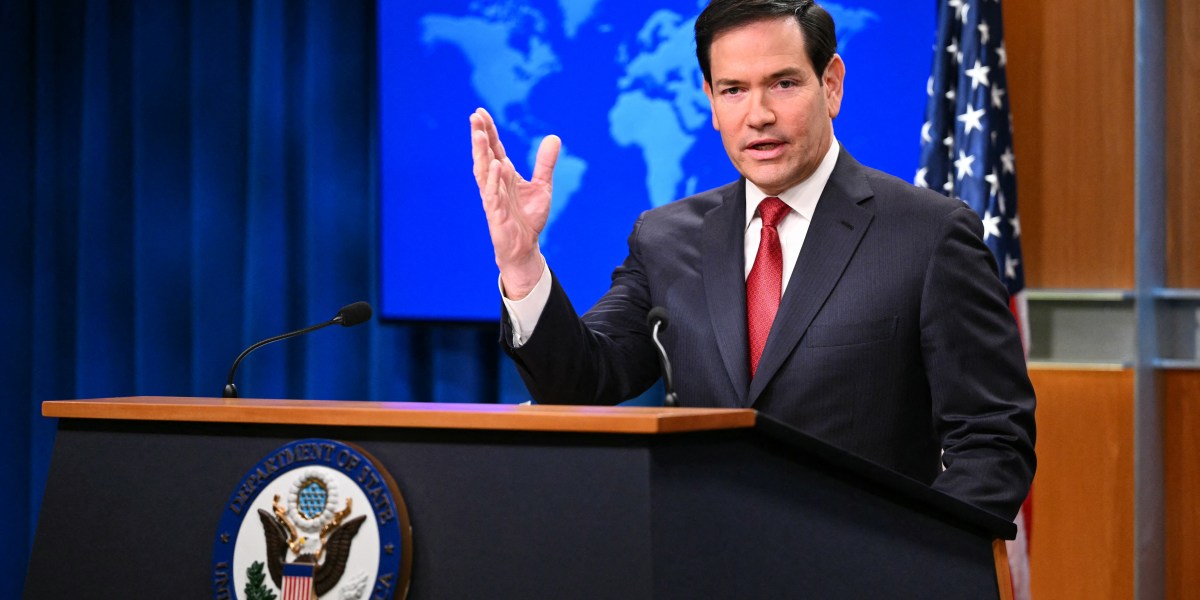
Tariff negotiations were reportedly used as leverage to demand the suspension of investigations into American companies. Raising the stakes further, the Trump administration recently announced it would no longer grant H-1B visas – a non-immigrant visa that enables American employers to hire foreign workers for specialized professions – to individuals working in content moderation, which the White House labeled as "censorship." In retaliation for the fine, X also closed the European Commission's advertising account.