A
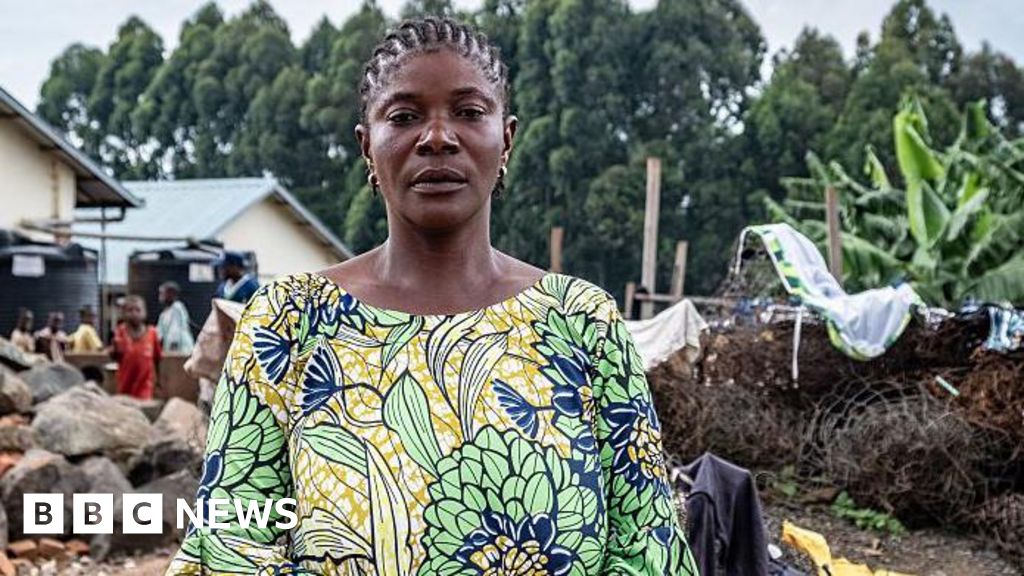
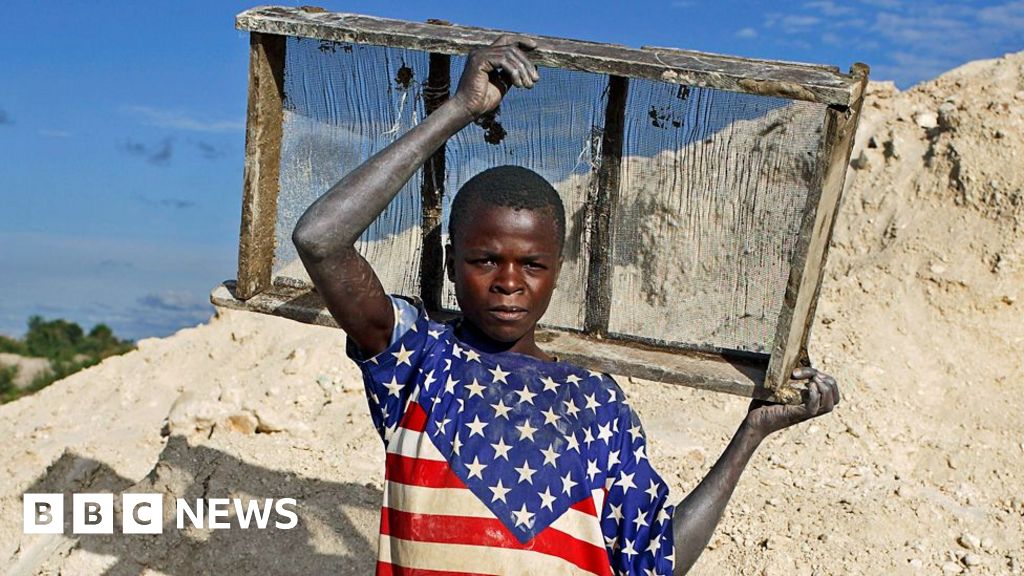
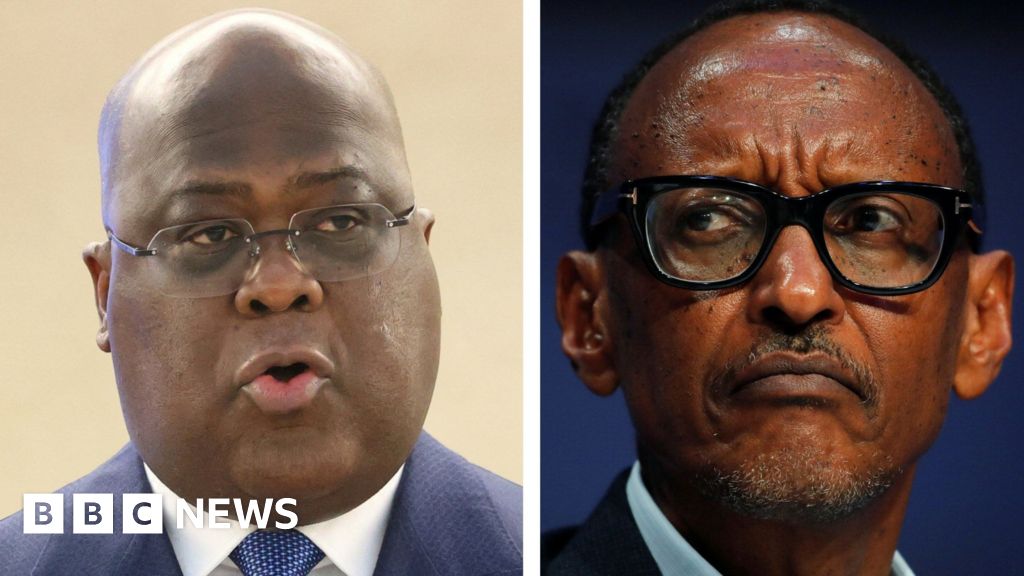
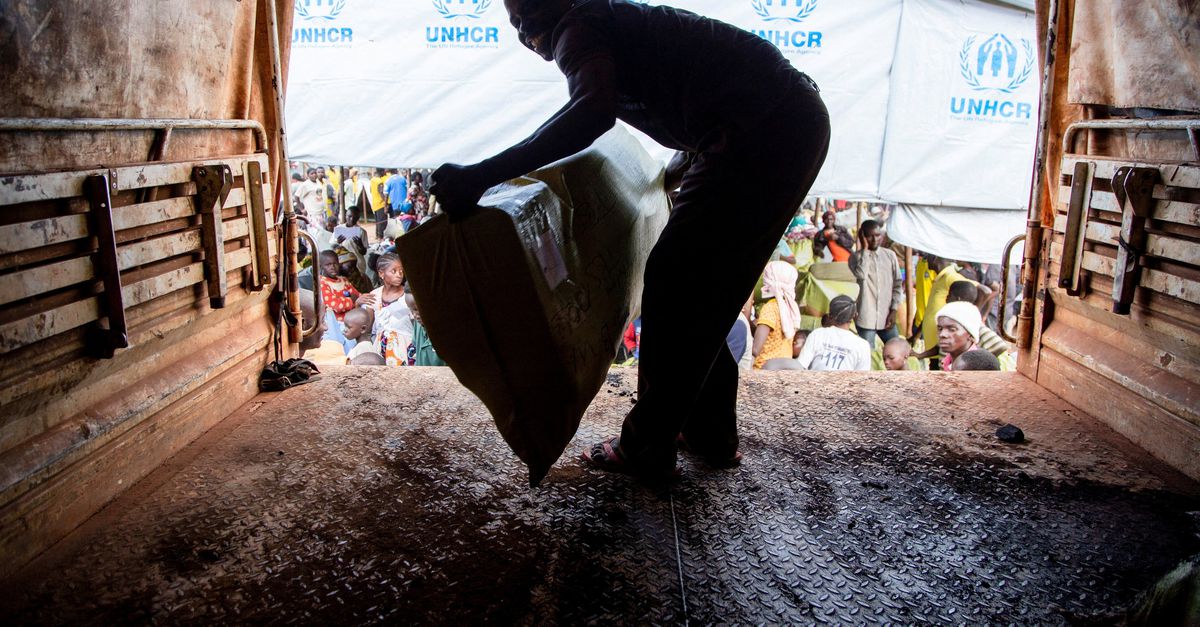
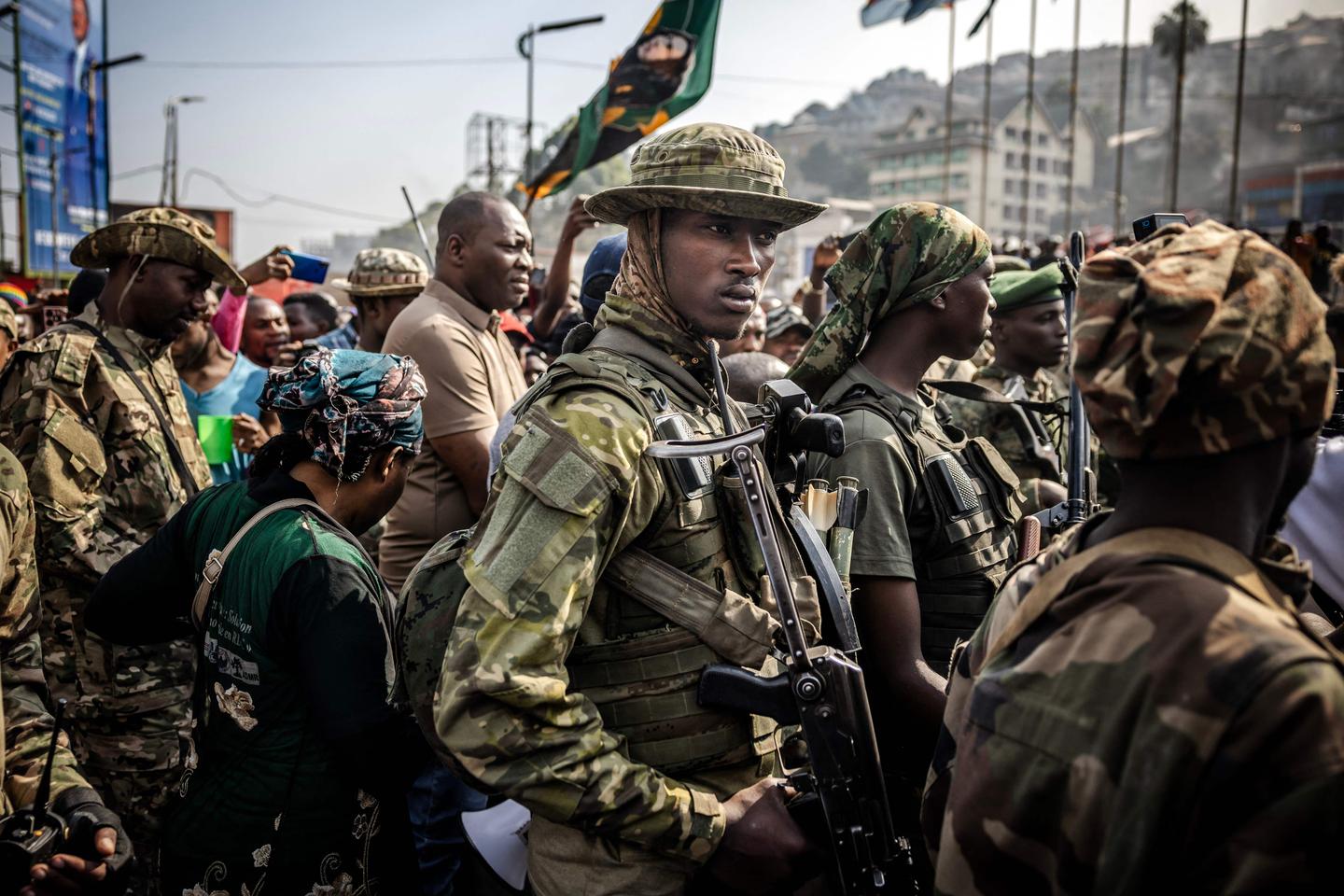
t first glance, the conflict that has bloodied the Great Lakes region of East Africa for three decades may seem tailor-made for the transactional diplomacy championed by Donald Trump. This vast, impoverished part of Kivu is rich in resources highly coveted by the United States: rare earth elements, lithium, tantalum, coltan and more. Washington, meanwhile, has long held considerable leverage over the protagonists in this interminable war. The conflict has pitted Rwanda – a small country hailed for its economic successes but known for its authoritarian and expansionist tendencies – against the Democratic Republic of the Congo (DRC), a sprawling, struggling state almost devoid of infrastructure, whose capital, Kinshasa, is more than 1,500 kilometers from the conflict zone. Rwanda has intervened militarily in its neighbor through the armed group March 23 Movement (M23).
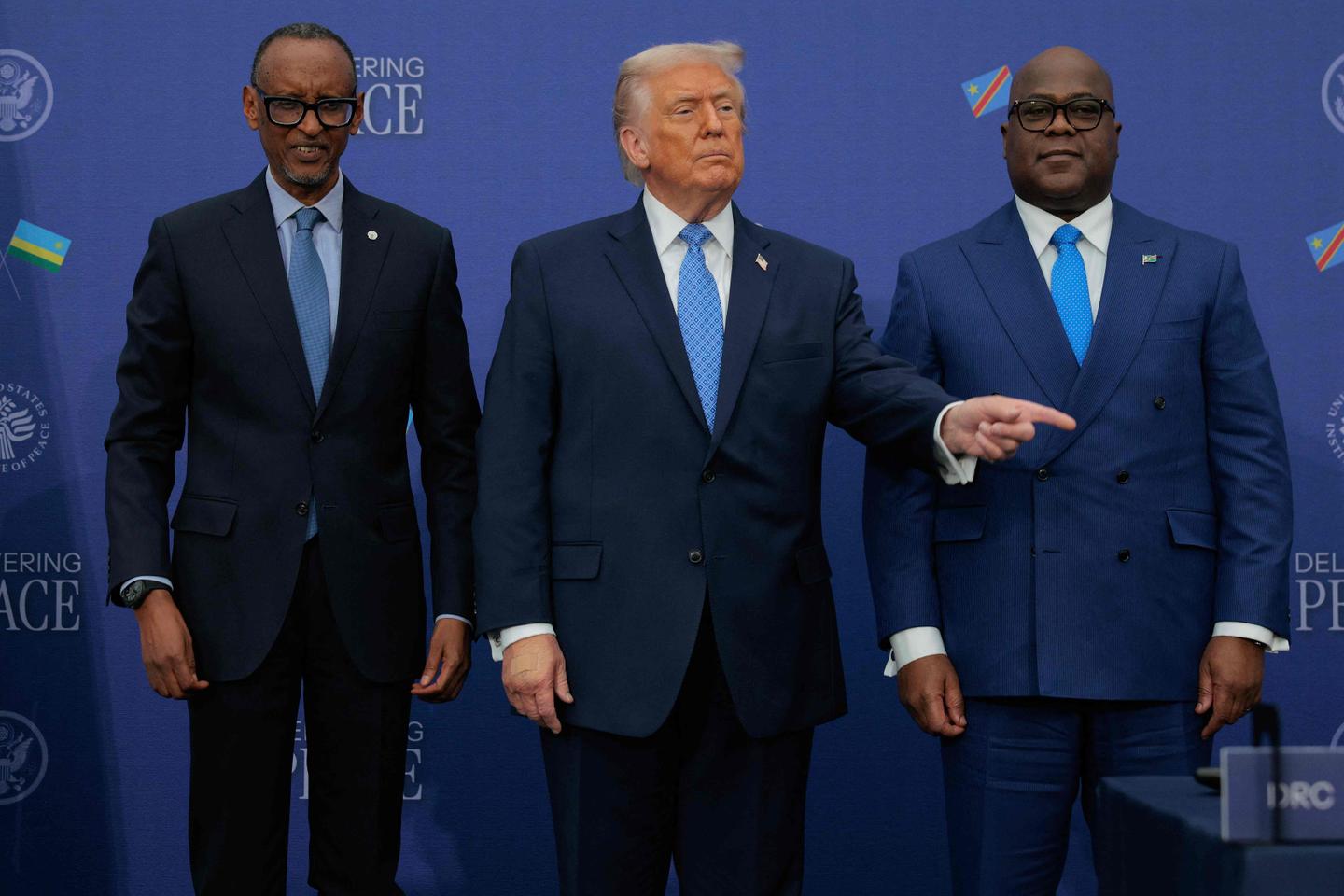
In June, while celebrating in Washington what he described as a historic peace agreement meant to end the conflict, Trump made no secret of his ambition: to secure "a lot of mineral rights" in the DRC. The image the US president has tried to craft as a "peacemaker" barely conceals his designs on extractive industries, which are at the heart of the DRC-Rwanda conflict, as Rwanda seeks to control eastern Congo and capture its resources for itself.