Bootmaker Twisted X — known for its Western footwear — was thrown into chaos overnight when President Donald Trump imposed sweeping tariffs on imports in April.
The company turned a conference room at its Decatur, Texas, headquarters into a “tariff war room” as import costs on its finished work boots surged, shipments were paused mid-transit and invoices fluctuated so wildly that staff found themselves recalculating margins by the hour.
“A lot of other leather companies had to pause shipments because of the chaos and it felt like prices were going all over the place before you could take account,” Twisted X CEO Prasad Reddy told CNBC. “It was a very uncertain time.”
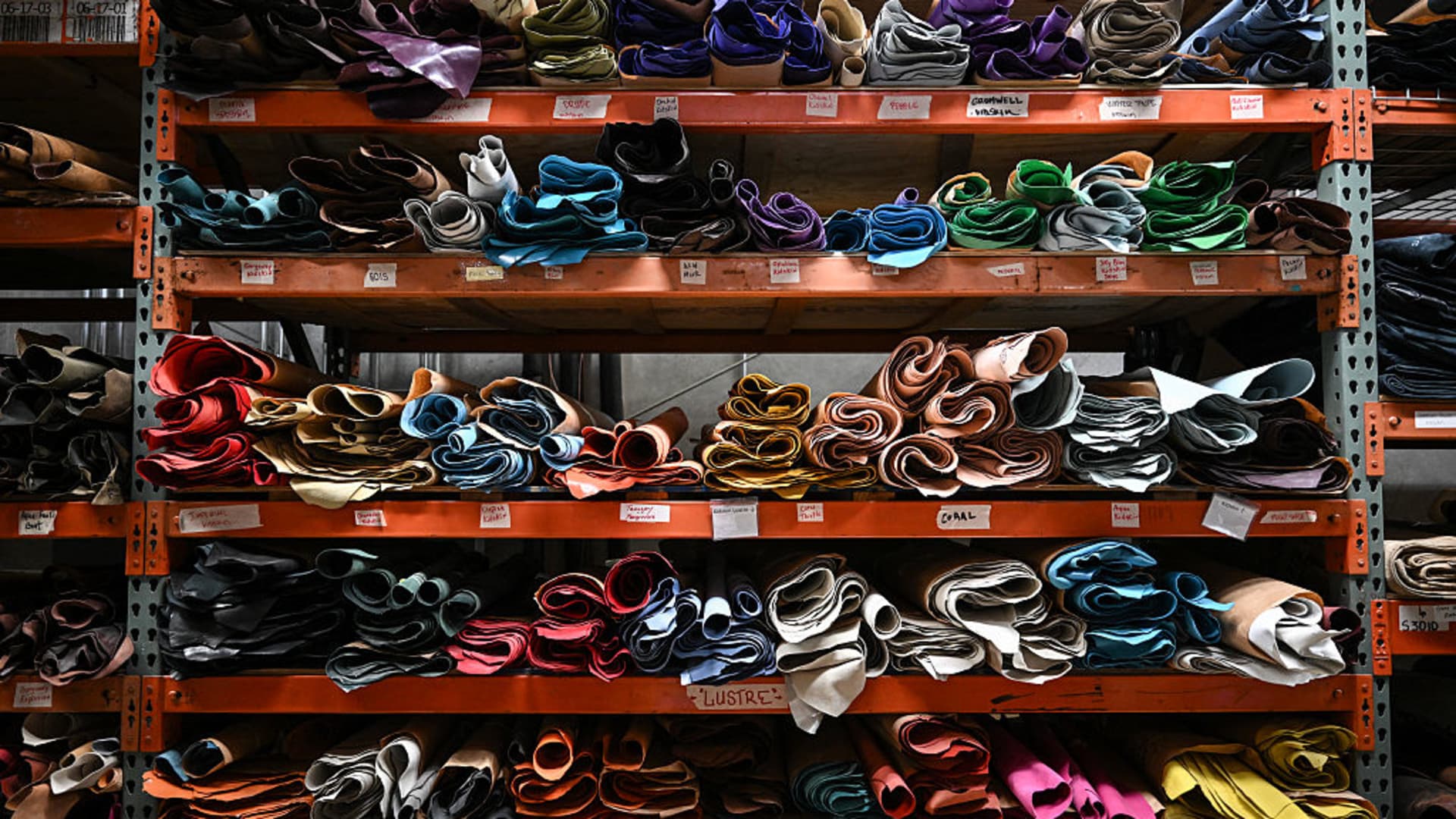
Twisted X wasn’t alone. Leather retailers big and small are facing similar challenges, and the result has been higher prices at the register that are unlikely to come down anytime soon.
Pre-tariff inventory is gone, while replacement orders cost far more. The products hitting shelves now were manufactured with more expensive hides, subjected to pricier foreign processing and shipped with higher freight costs than last year’s merchandise, industry experts said.