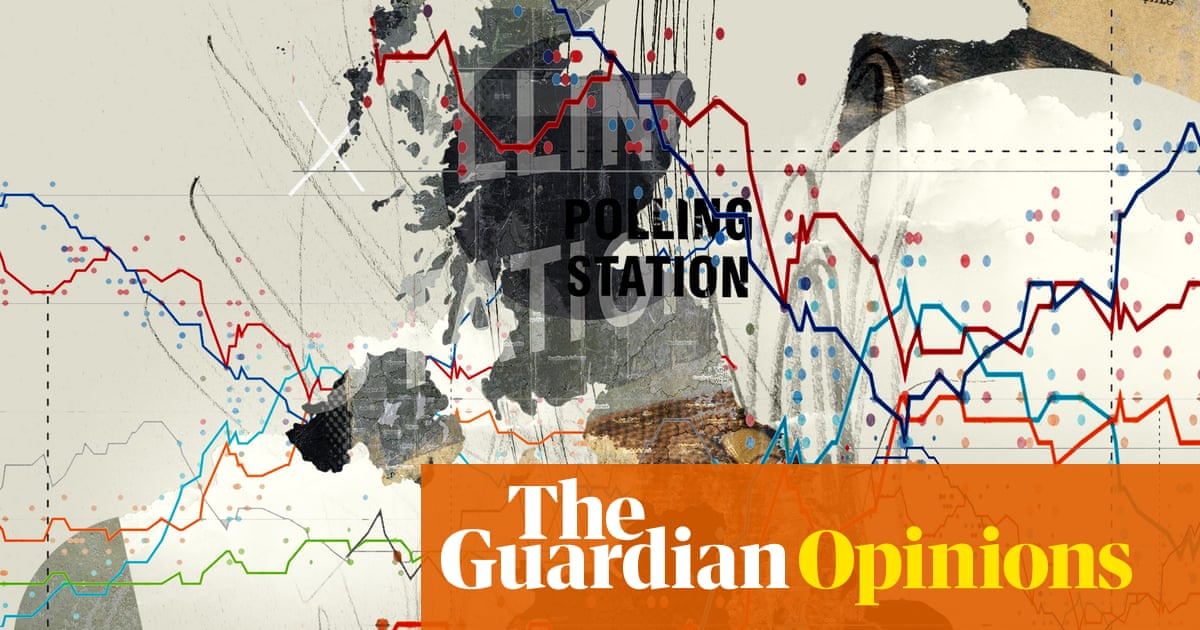
The conventions and rituals that define the way we do politics rapidly eroded this year – setting the UK on a course into the unknown
W
as this the year that British democracy as we have known it began to turn into something else? Politicians, voters and journalists have made this claim before – when their side has been out of power for a long while, or when an elected government has been unusually dictatorial – and their warnings have usually been overstated. But this time the evidence of a fundamental shift away from a century-old status quo seems stronger.
Familiar landmarks have disappeared: Labour and Tory dominance, two-party electoral contests, the decisive power of a big Westminster majority, the patience voters usually show towards a new government, the predictable pendulum swing between right and left, the red lines between mainstream and extreme politics and even the central role of parliament.
Our possible next rulers, Reform UK, barely bother with the Commons, ignoring the convention that that is where future prime ministers make their names. The current government, despite a bland, diligent leader and some decent policies, is despised by most voters with an intensity that may be unprecedented. In the online spaces where political opinions are increasingly formed, debatable facts, rumours, myths, outright fictions and raw emotions surge back and forth, erupt into geysers of outrage – and then subside into stagnant pools of disillusionment.