The S&P 500 closed up 0.46% yesterday to hit a new record of 6,909.79. The index is now up 17.48% for the year. With only the quiet Christmas week left before the end of 2025, it’s likely that investors will mark this down in their spreadsheets as a very good year.
Unless, of course, they have a friend who bought gold at the beginning of 2025.
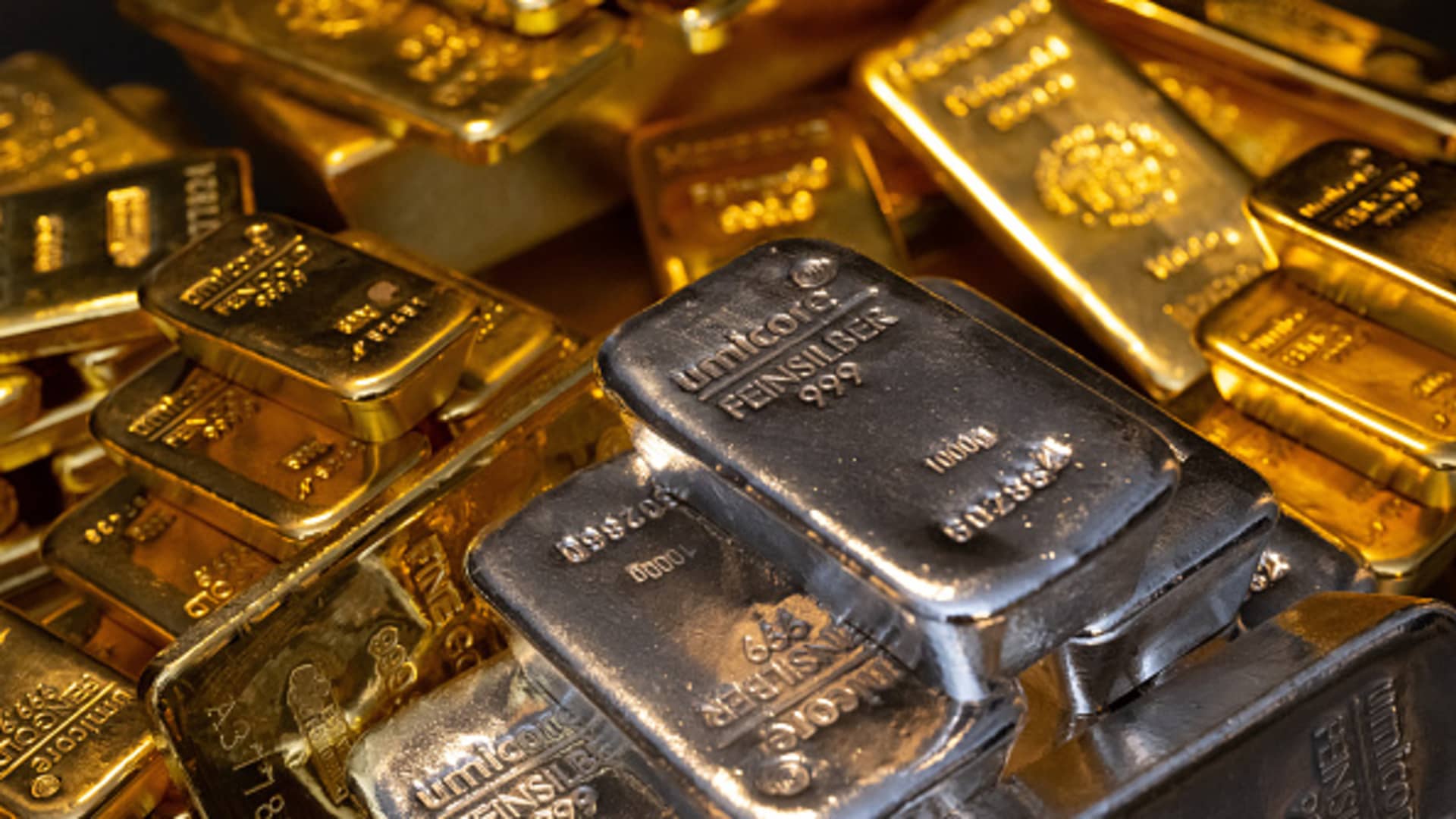
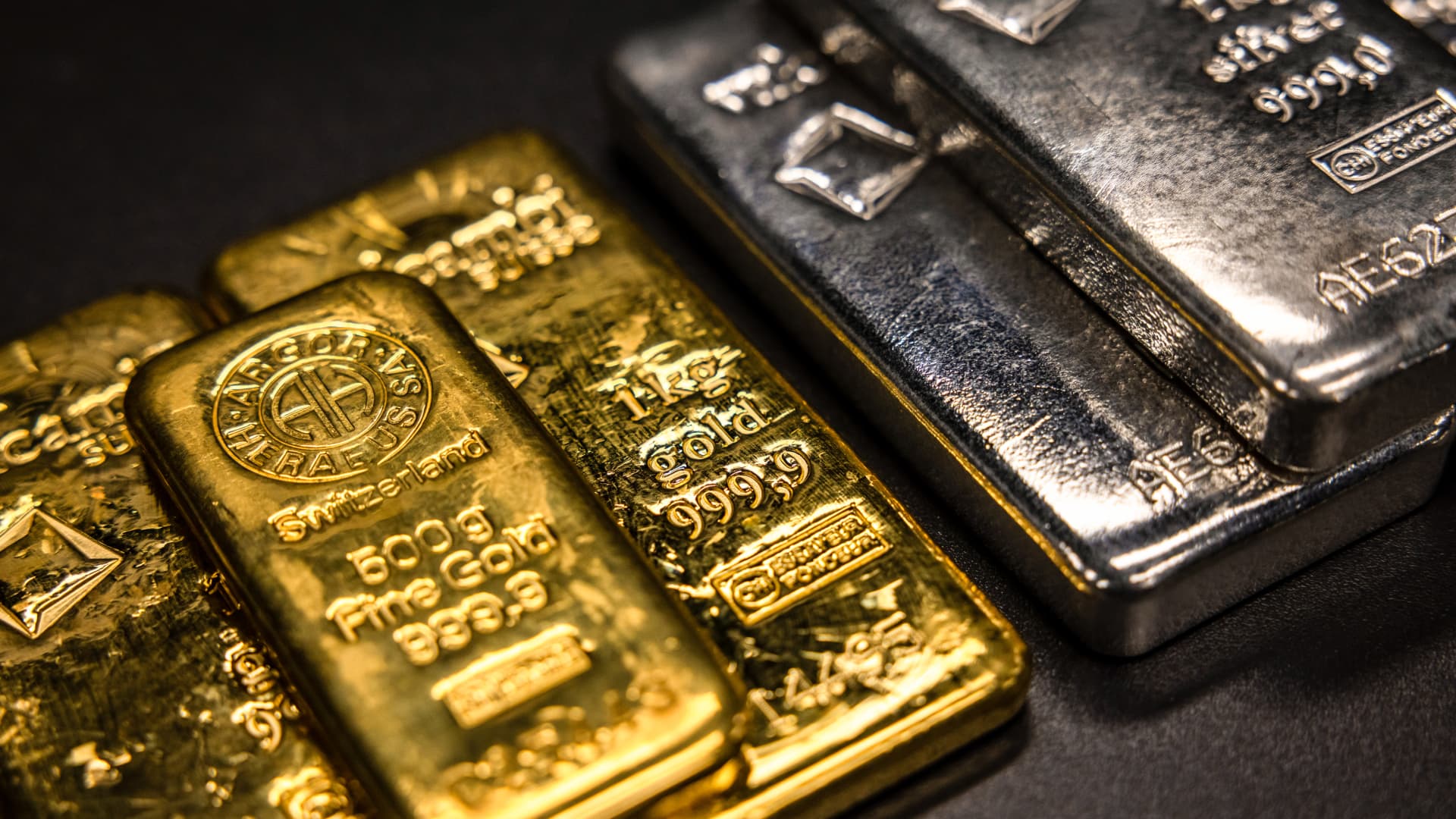
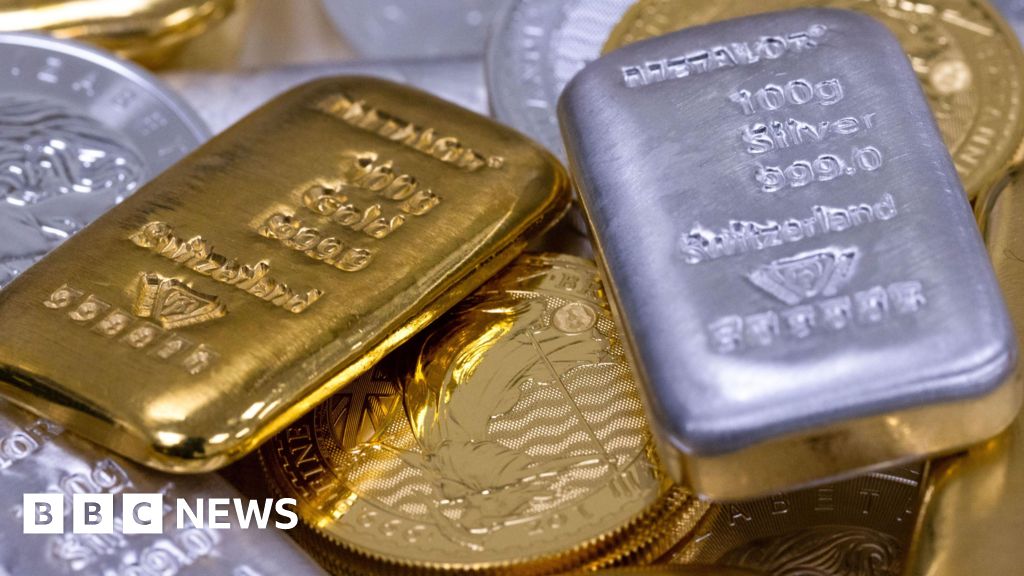
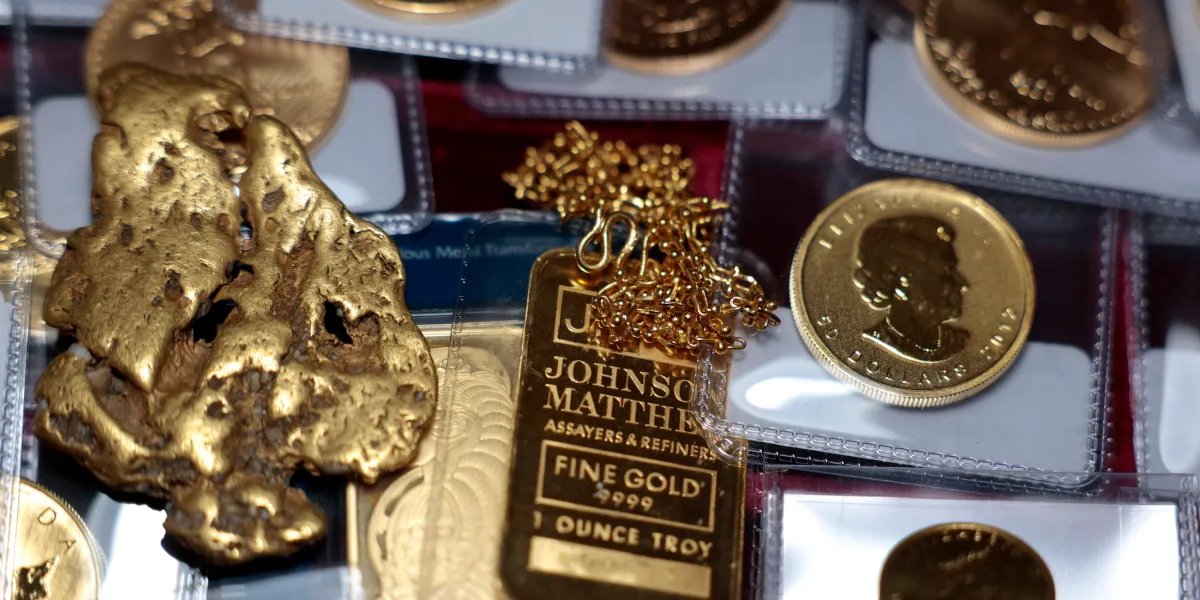
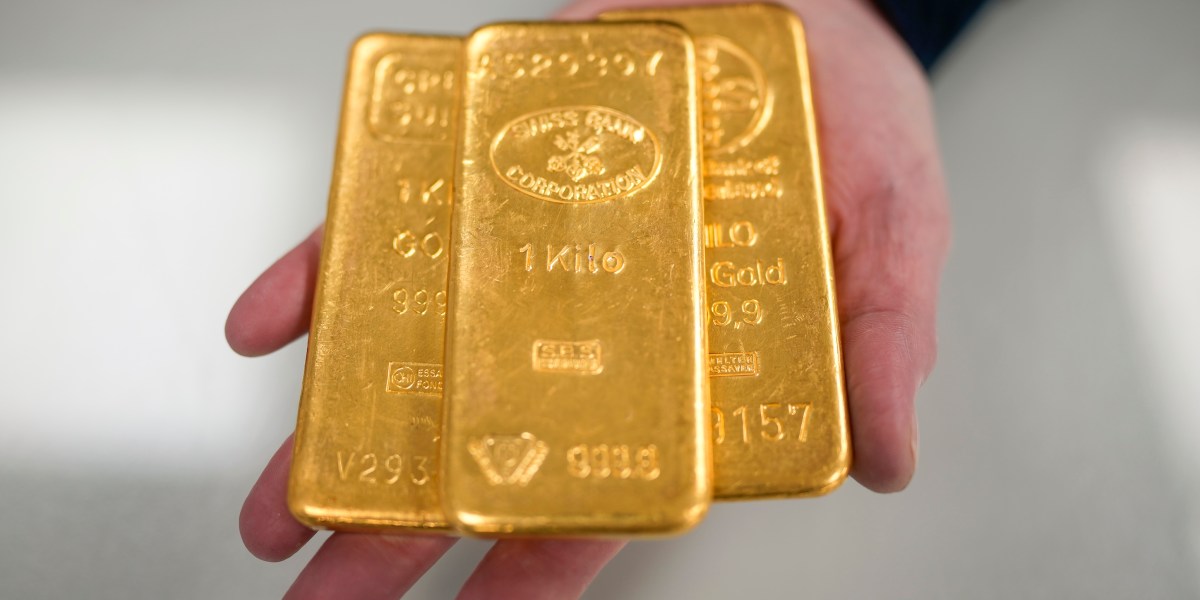
The price of gold is up an astonishing 71% year to date, and is currently hovering around $4,514 per troy ounce. That friend is now laughing at you, foolish stock investor, for wasting your money on trivialities like the Magnificent Seven.
There’s a hackneyed narrative explaining why gold went up: We had a volatile year with President Trump’s tariffs disrupting global trade; Russia’s ongoing invasion of Ukraine; concern about a bubble in AI-related tech stocks; Bitcoin went nowhere this year (it’s down 7%); inflation is trending up; and gold is the safe-haven investment for nervous investors who want a hedge against pretty much all of that.
In fact, that is only partially true, according to newish research from Claude Erb and Campbell Harvey of the Fuqua School of Business at Duke University. The reality, they say, is that the introduction in 2004 of gold exchange-traded funds—which make buying gold as easy as buying stocks—has permanently pushed up the price of gold.