https://arab.news/8qh4t
On Dec. 19, 2025, US President Donald Trump signed the National Defense Authorization Act, which included the permanent repeal of the Caesar Act.
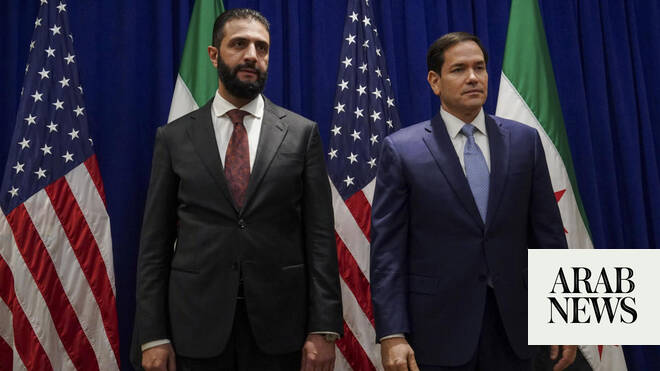
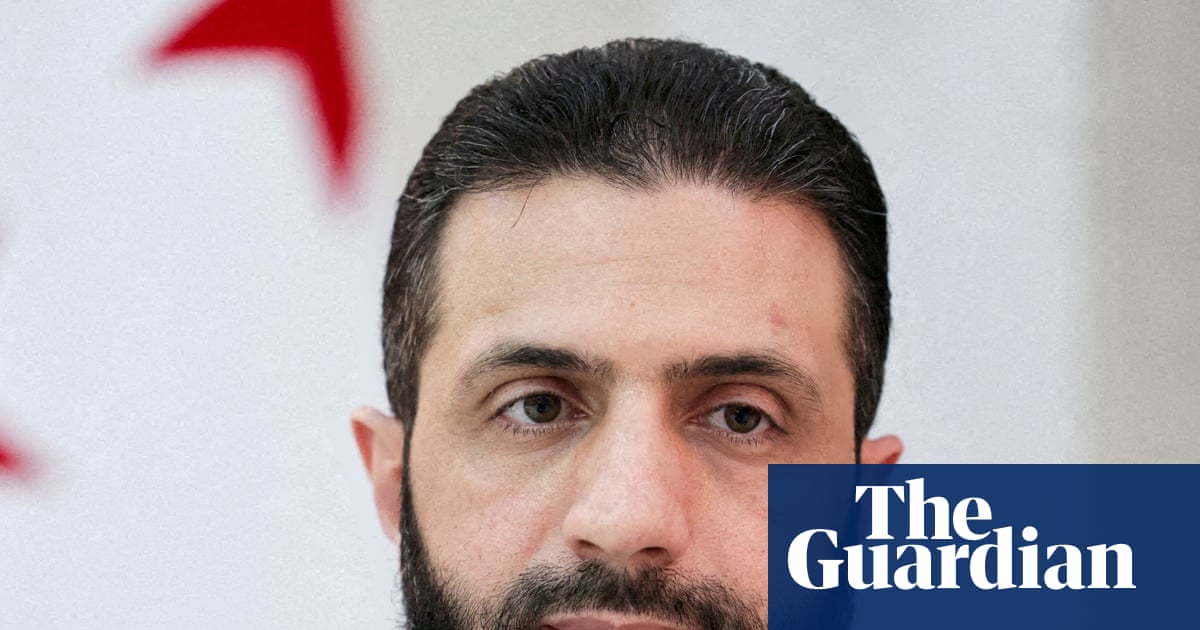
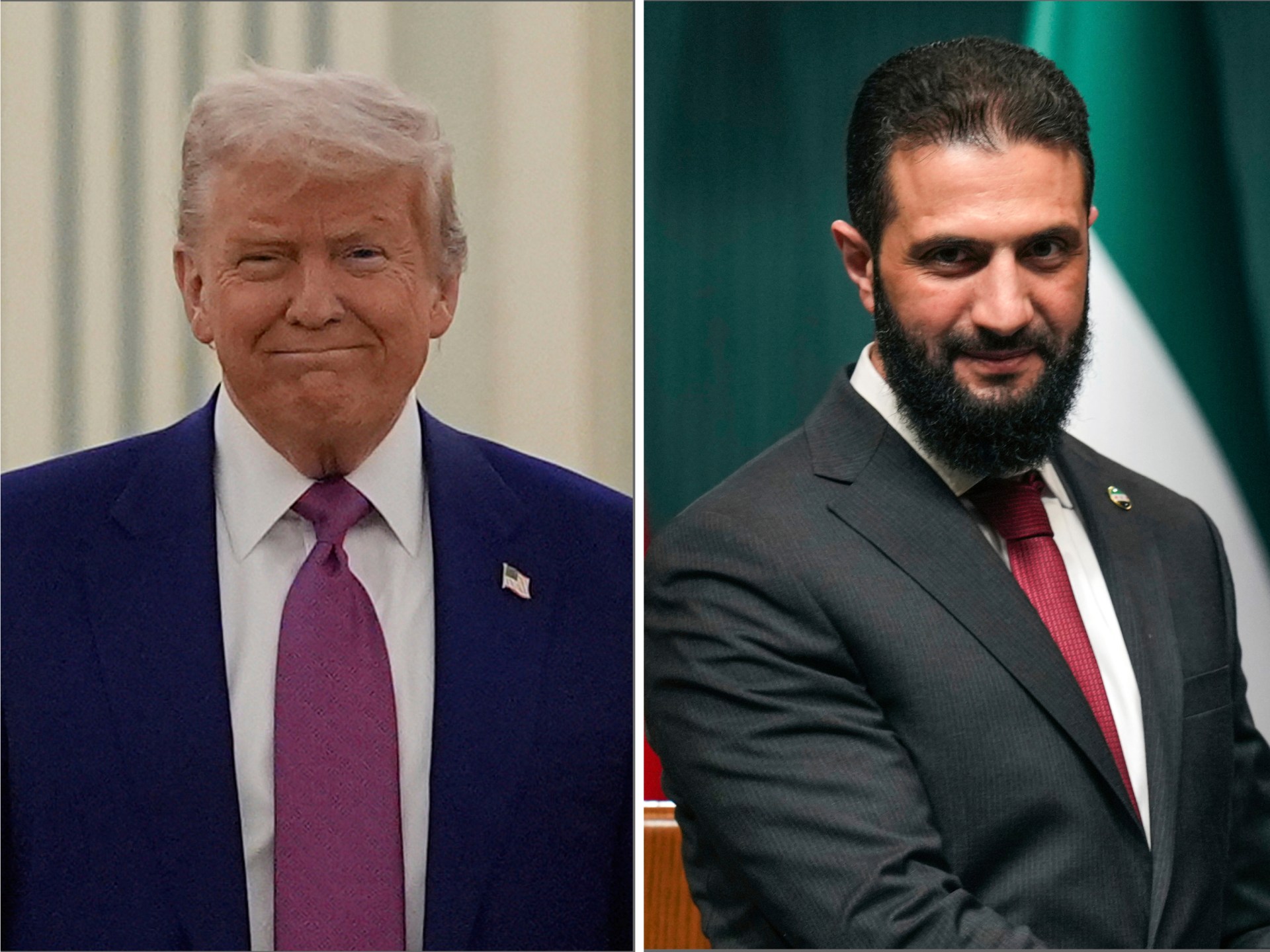
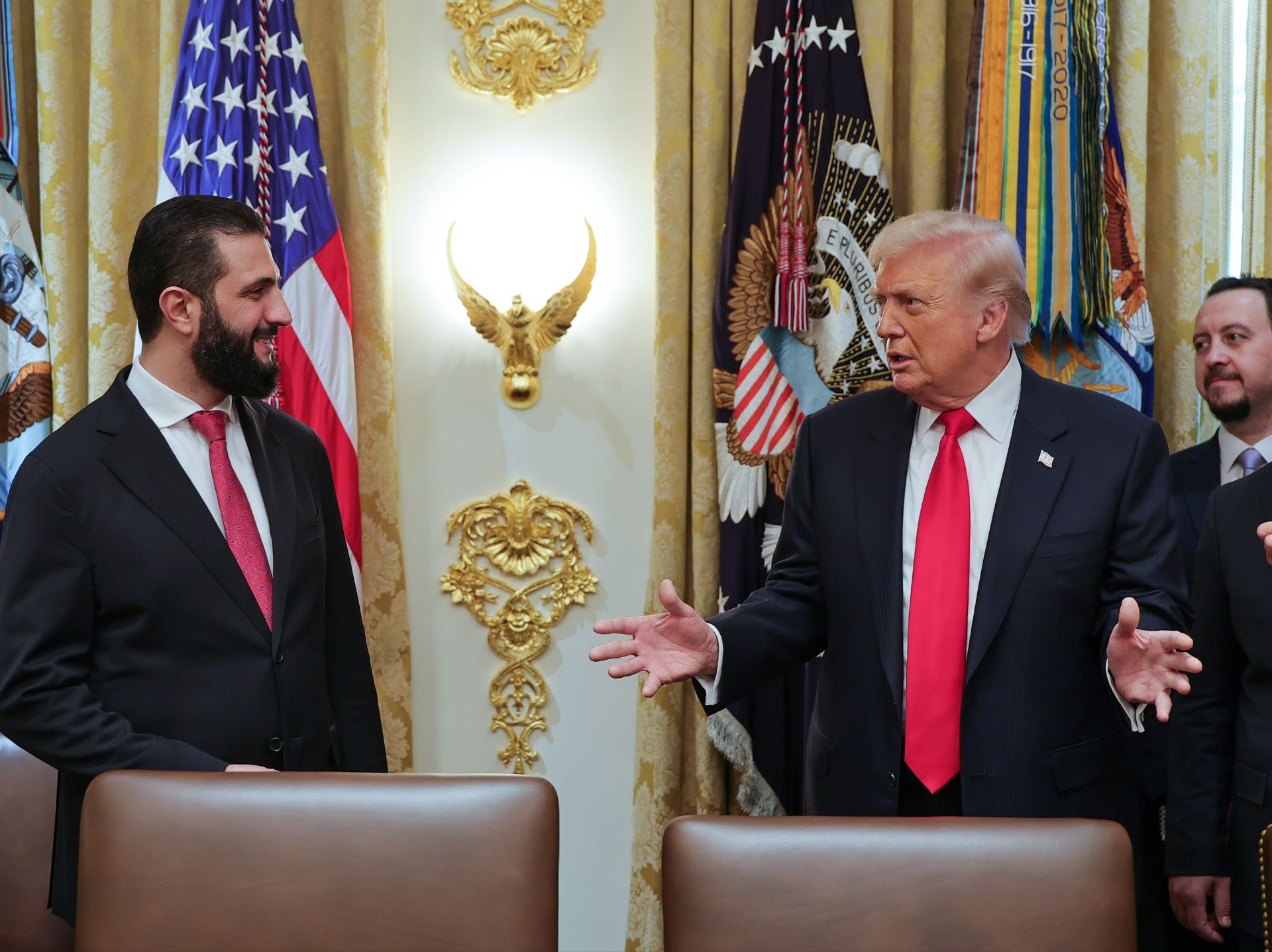
Nearly a month earlier — before this step lifted the crippling sanctions imposed on Damascus under the former regime — Ahmad Al-Sharaa visited the White House, becoming the first Syrian president to do so in the history of relations between the two countries. The visit followed a meeting with Trump in Riyadh, arranged at the initiative of Saudi Crown Prince Mohammad bin Salman.
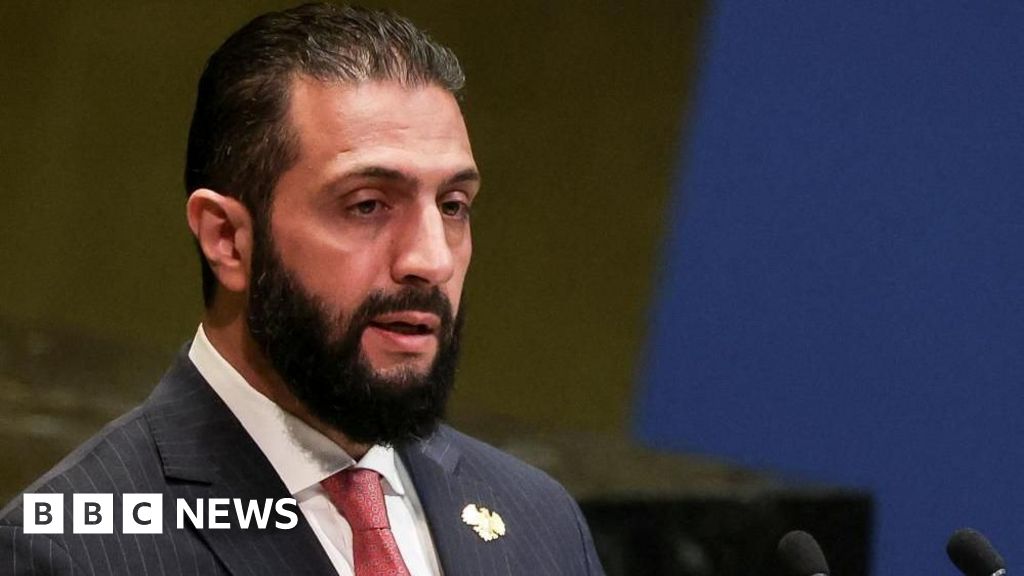
Al-Sharaa’s representatives have since held direct and indirect talks with Israel. He has visited Moscow, is preparing a trip to China, and represented Syria at the UN General Assembly in New York. This diplomatic surge is unfolding within a complex regional equation surrounding Syria, one whose most dangerous element lies in Israel’s heavy objectives, as Tel Aviv appears the external actor most intent on intervening against Damascus.
Beyond its unsuccessful efforts to obstruct the repeal of the Caesar sanctions, the Israeli military has carried out more than 600 operations inside Syrian territory since Dec. 8, 2024 — an average of two strikes a day — often on what critics describe as flimsy pretexts. Yet Israel’s calculations toward Damascus are broader and more intricate and can be distilled into five core pillars.