New protections for hares, and more humane conditions on farms, should be welcomed by all
L
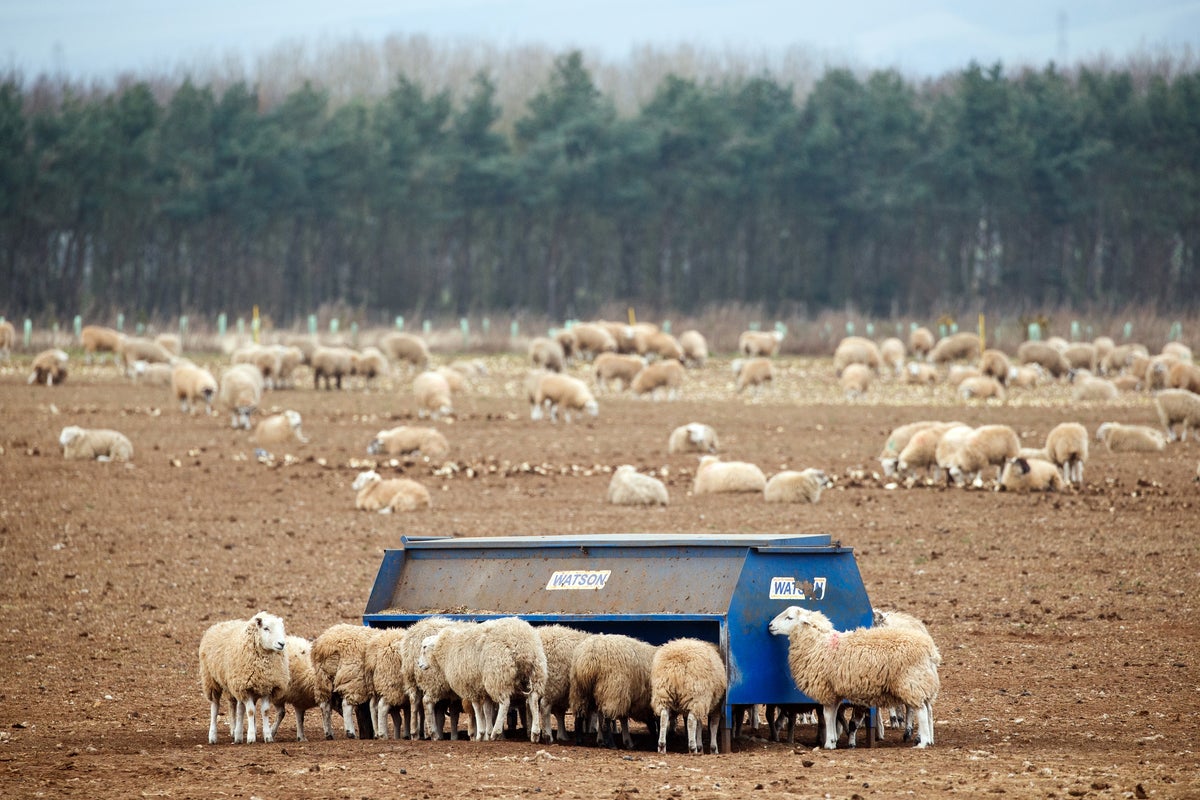
ooking after wildlife and improving the lives of farm animals and pets are the related but distinct aims of the government’s new animal welfare strategy for England. Its launch is timely: more than 1 billion chickens and around 8 million turkeys are reared each year – with many of the latter slaughtered in the run-up to Christmas. Winter is also peak season for pet abandonments, with animal charities particularly fearful this year, given the already high numbers of dogs and cats being dumped.
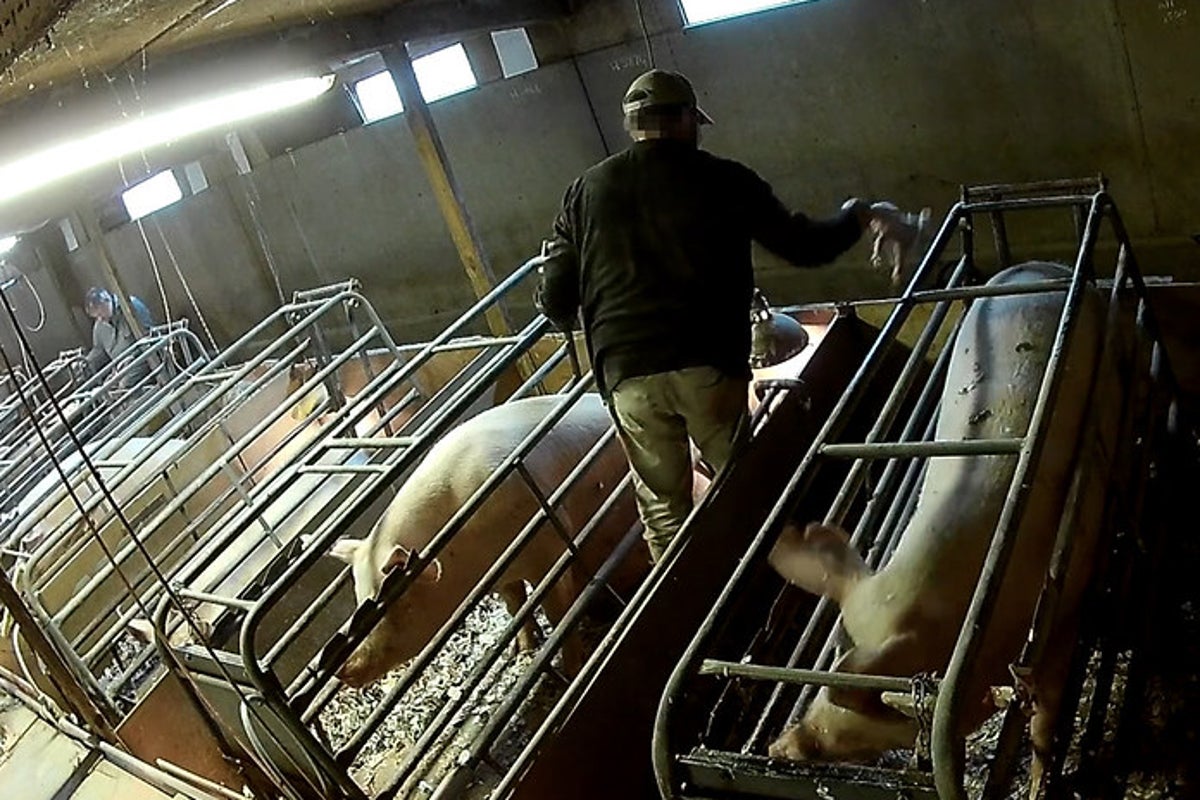
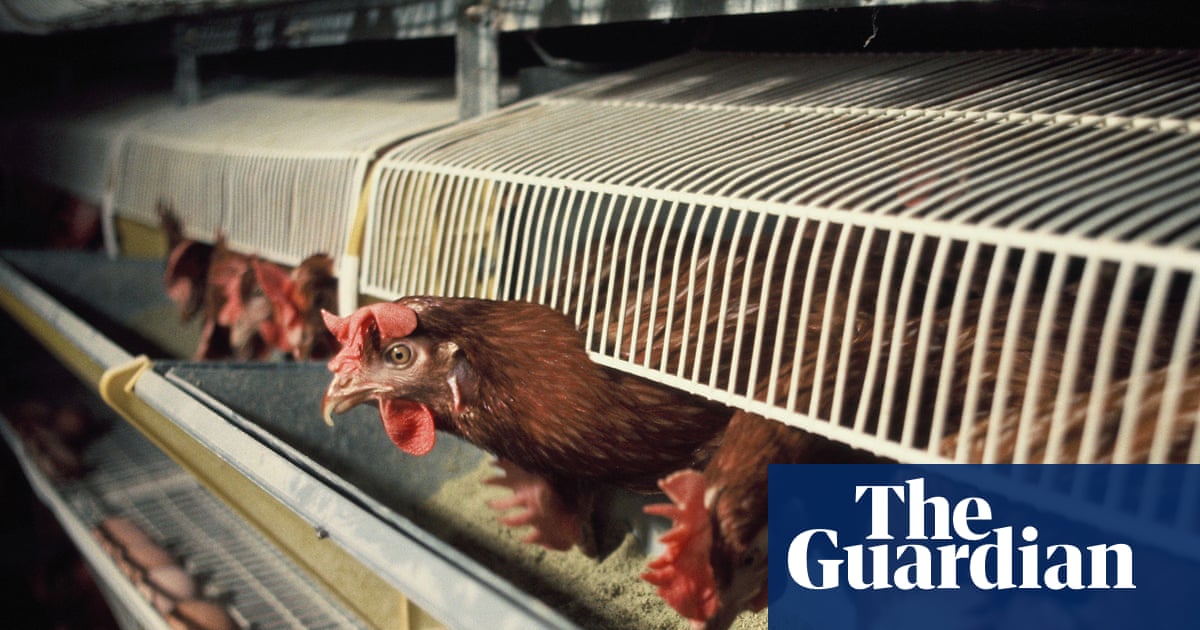
Pledges to end the use of cages for laying hens, and cramped farrowing crates for pigs, will be welcomed by all who object to animal cruelty. So will a proposal to replace the carbon dioxide stunning of pigs with an alternative that is less distressing for them. New rules for farmed fish are also on the way. Until now, fish have been largely excluded from the evolving set of regulations aimed at minimising suffering at the point of slaughter.
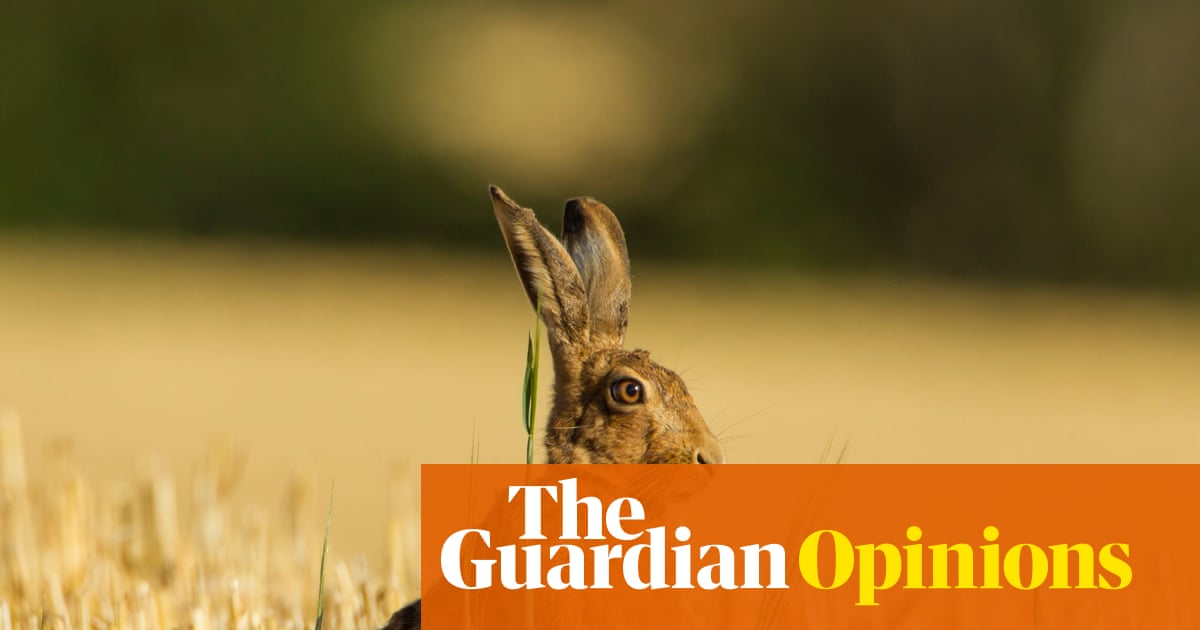
Most European countries already protect breeding hares from hunters by making it illegal to kill these beautiful animals during the months when they rear their young. The announcement of a similar measure for England is overdue. As the Conservative former environment secretary George Eustice told the Guardian, “even the Victorians recognised the need for a close season” when shooting hares is banned.