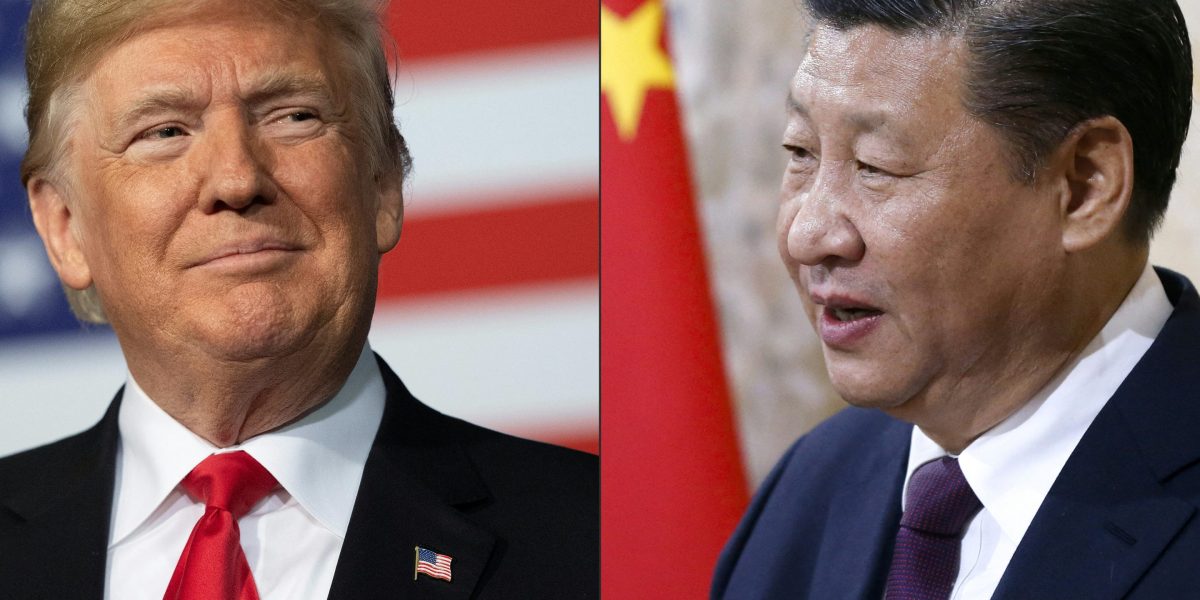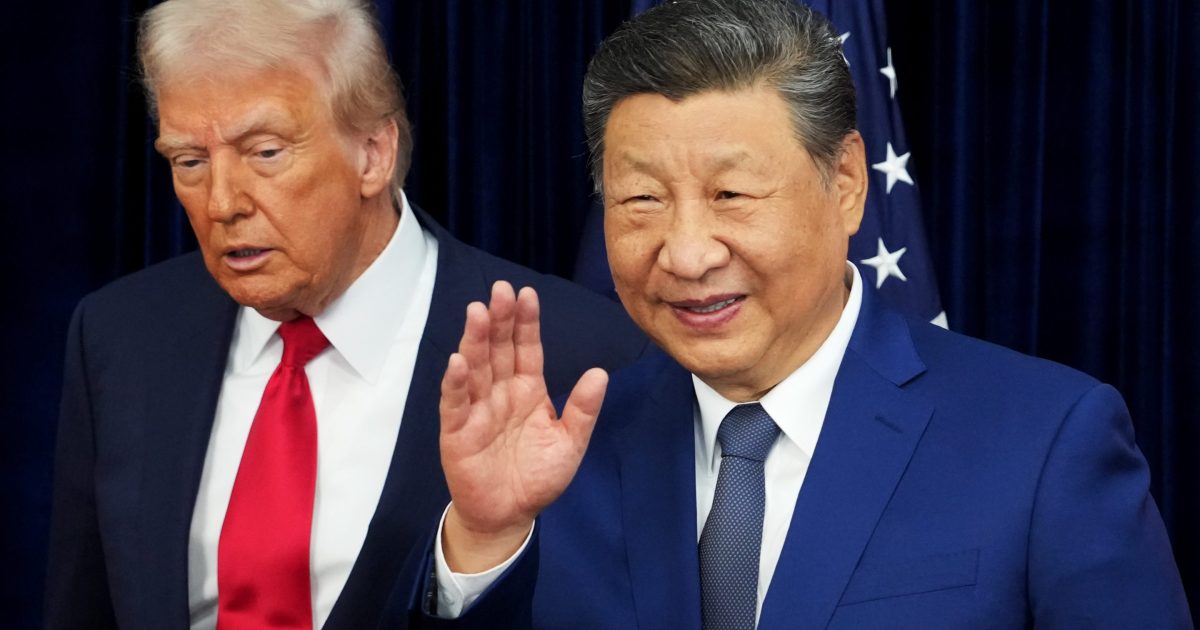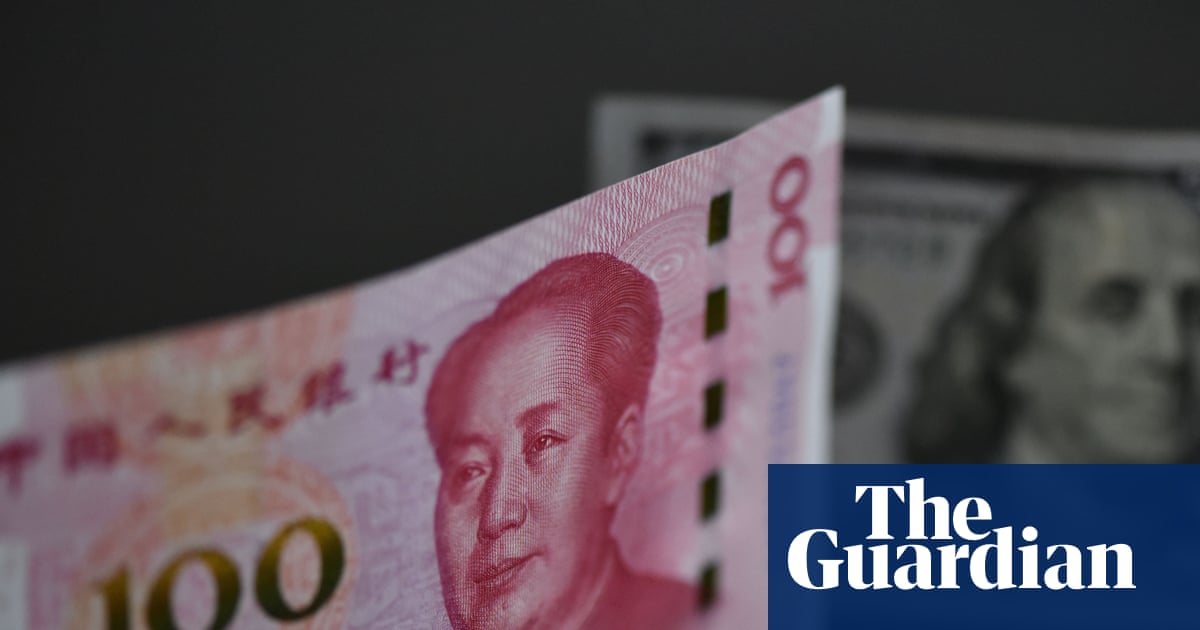
Good morning. It’s easy to assume that China must have been crippled by the U.S. trade battle that reached a temporary truce when President Trump and President Xi met in October. But China’s trade surplus is at a record high of $1.08 trillion in the first 11 months of this year. Some of that is due to China doubling down on other markets: overall exports were up 6% in November over the previous year, even though exports to the U.S. were down 29%.
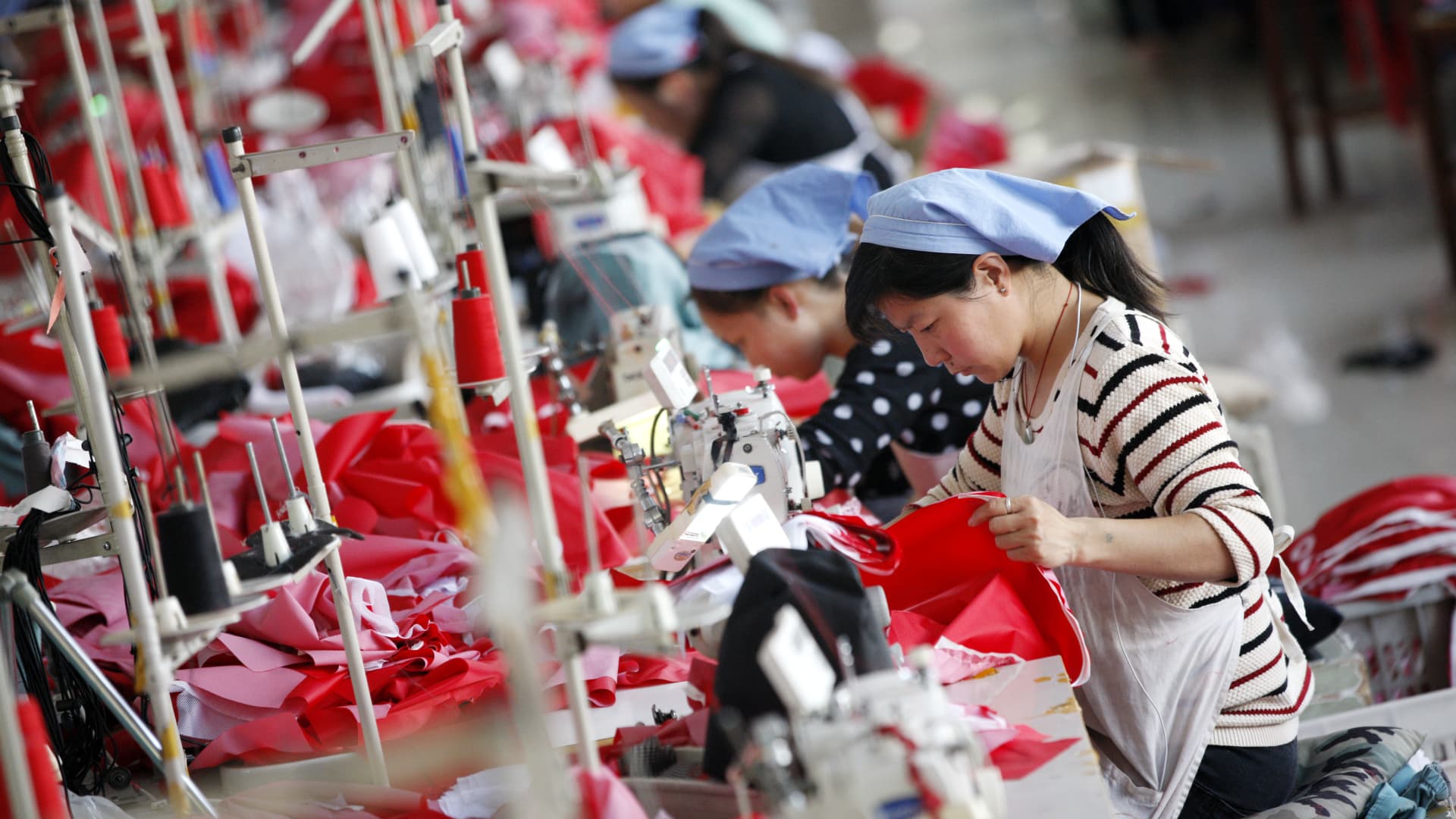
But part of it reflects the fact that U.S. companies didn’t go away. I recently spoke with Stephan Tanda, CEO of AptarGroup, a $3.7 billion-a-year manufacturer of specialized packaging and delivery systems for pharma, beauty, and consumer companies, based in Crystal Lake, Illinois. He points out that China remains a key manufacturing hub with longstanding infrastructure and relationships that are central to the company’s regional supply chain. What’s more, he says the speed to market is an advantage that’s hard to replicate in their other innovation centers around the world.
“The amount of grit and sheer willpower is on a different scale,” said Tanda, noting that he now leverages Chinese talent to help his European plants develop product prototypes in six weeks vs. up to 18 months. “We need the China ecosystem to create the pilot mold. We may still want something made in France for luxury beauty products but a lot of innovation used to be China [producing] for China and now it’s China for the region, China for the world.”