C
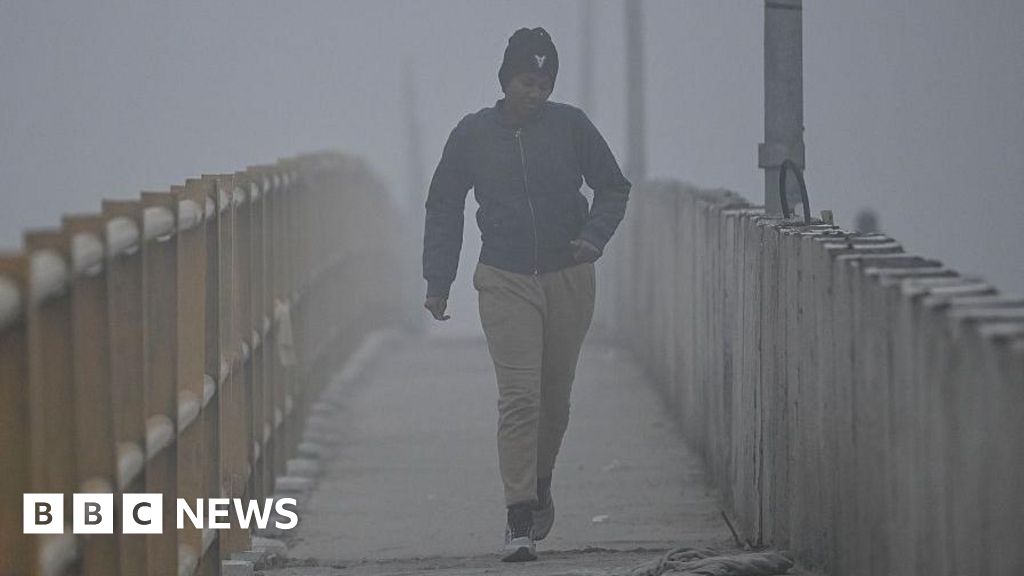
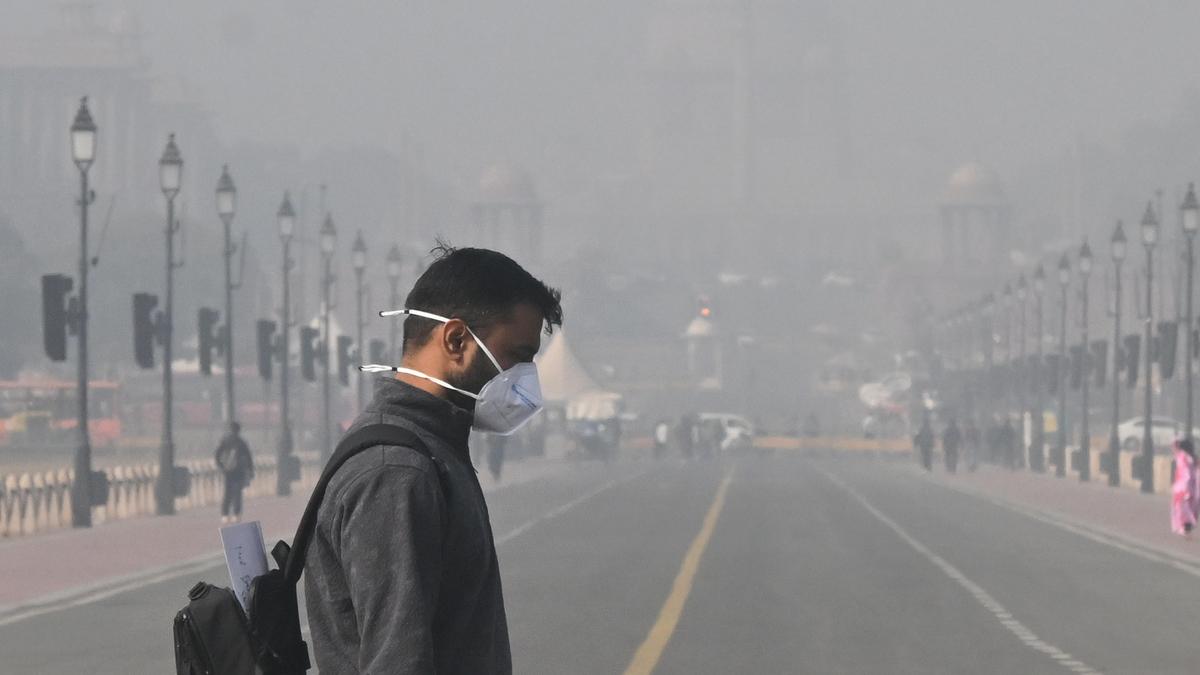
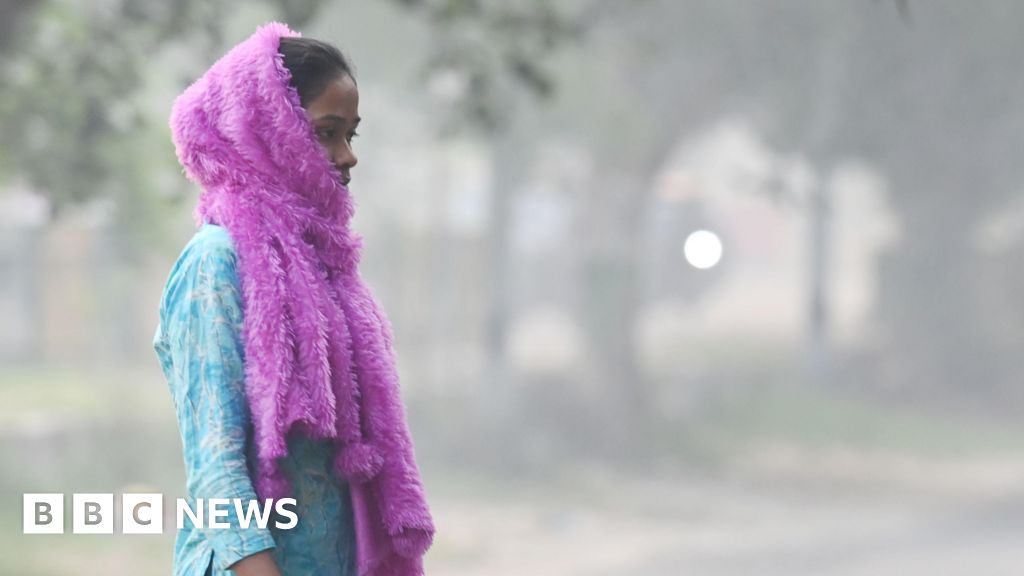
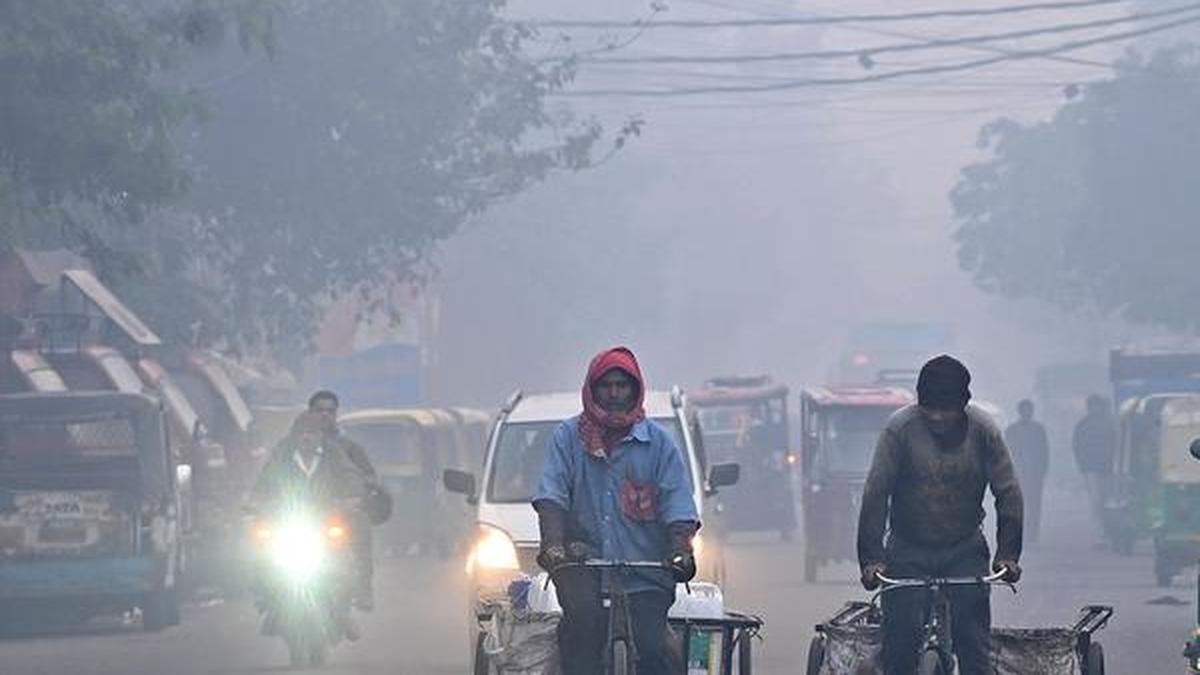
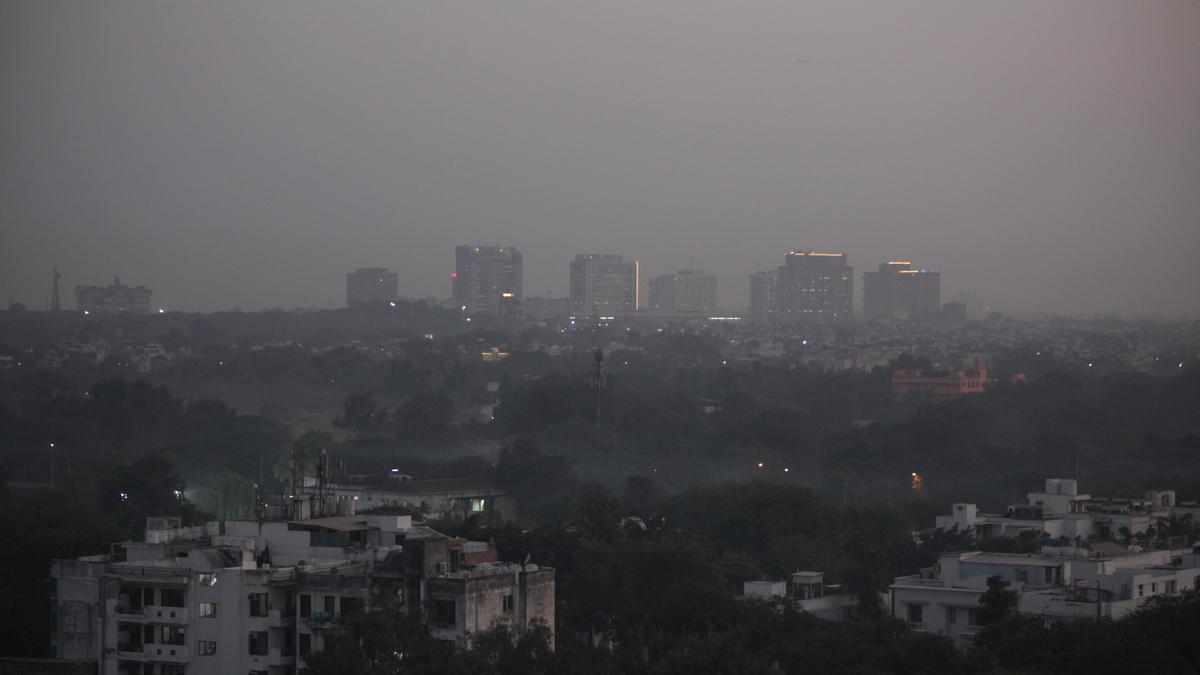
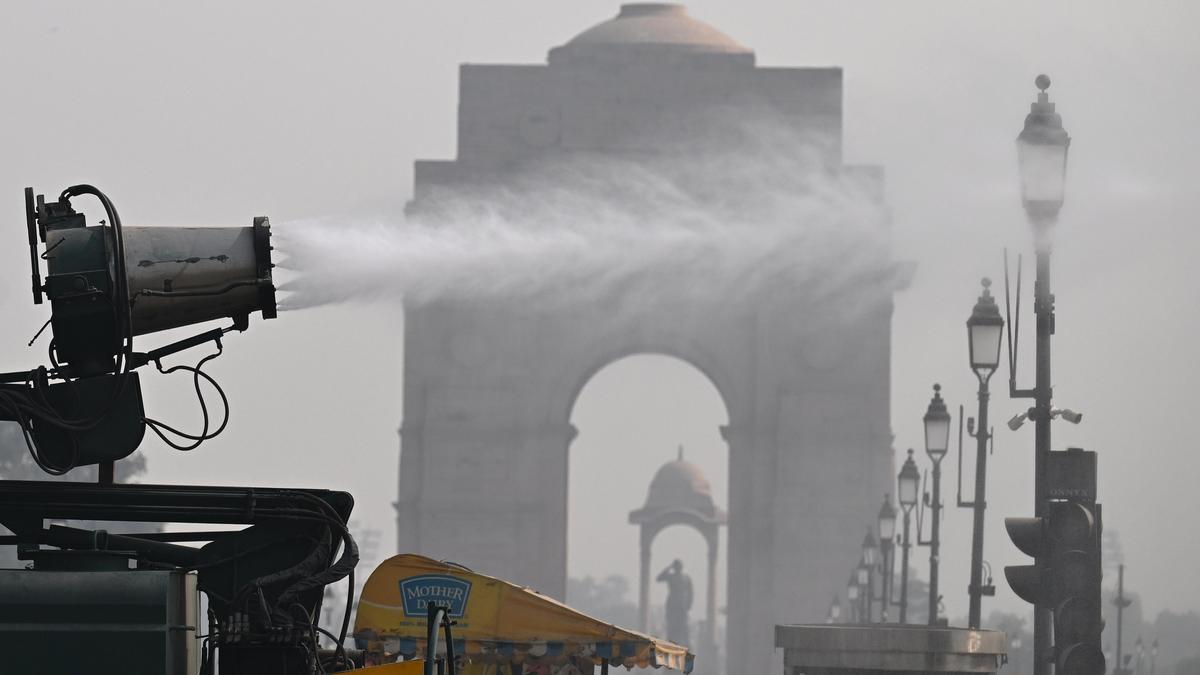
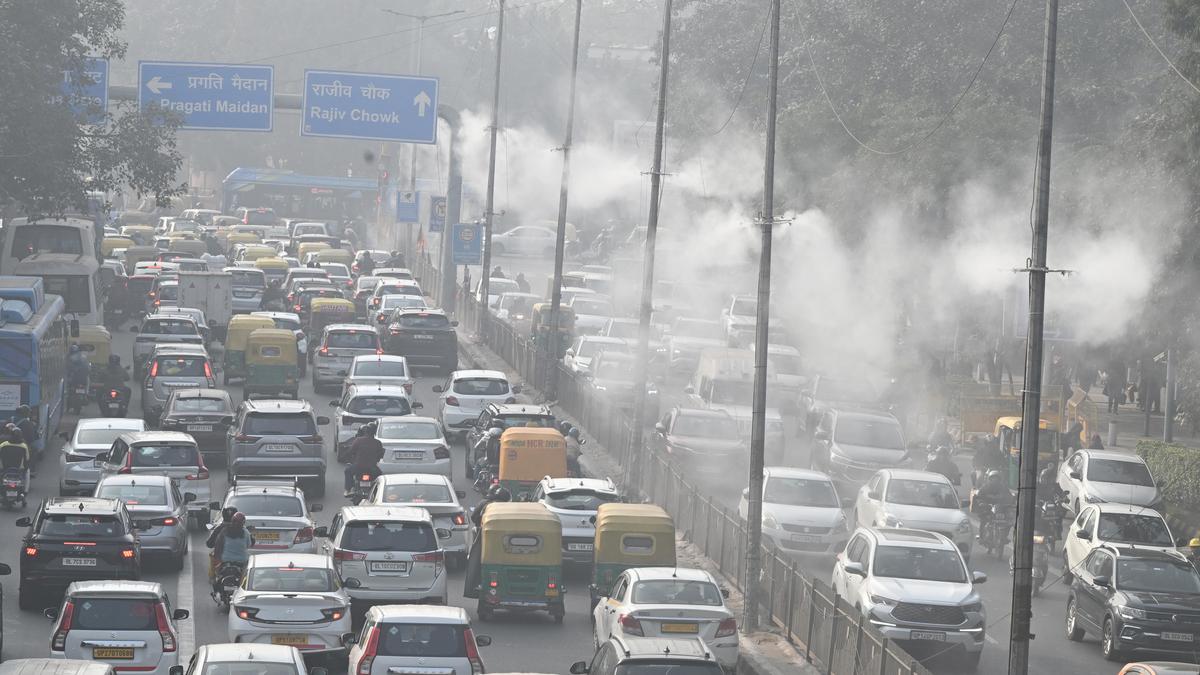
ome winter and the national capital wakes up with thick smog and severely low air quality, which cripples the city and poses serious health challenges. The directions given by the Delhi government and the Directorate of Education to ensure work from home and to run classes in schools in hybrid mode respectively do not bring much succour, as possible health hazards continue to haunt Delhiites and those living in the National Capital Region (NCR) districts.
Some of the major causes of air pollution include the burning of fossil fuels, transport, industrial processes, waste management, demolition and agriculture. However, particulate matter is the most deadly of them all causing major health hazards like stroke, heart and lung diseases which kill large number of people every year.
Severity of particulate matter
Particulate matter is defined for the purpose of quality regulations. Particles having a diameter of 10 microns or less (PM 10) may enter the body through breathing and adversely affect health. On the other hand, fine particulate matter includes particles having a diameter of less than 2.5 microns (PM2.5). Particles emitted from the burning of diesel called DPM (Diesel Particulate Matter) are mostly less than 1 micron in size and constitute a sub-category of PM2.5. These cause severe health hazards, even in children. In this context, the Commission for Air Quality Management (CAQM) has amended the Graded Response Action Plan (GRAP) and made it mandatory to close schools in Delhi and NCR districts under Phases 3 and 4 of the plan. Earlier, the decision to implement these measures was at the discretion of the State government. Moreover, as an additional directive under Phase 3 of the GRAP, State governments will now have to stagger the timings of public offices and municipal bodies in Delhi and NCR districts.