Al-Qaida offshoot has lost 95% of the territory it gained in 2014 but remains a force to be reckoned with online
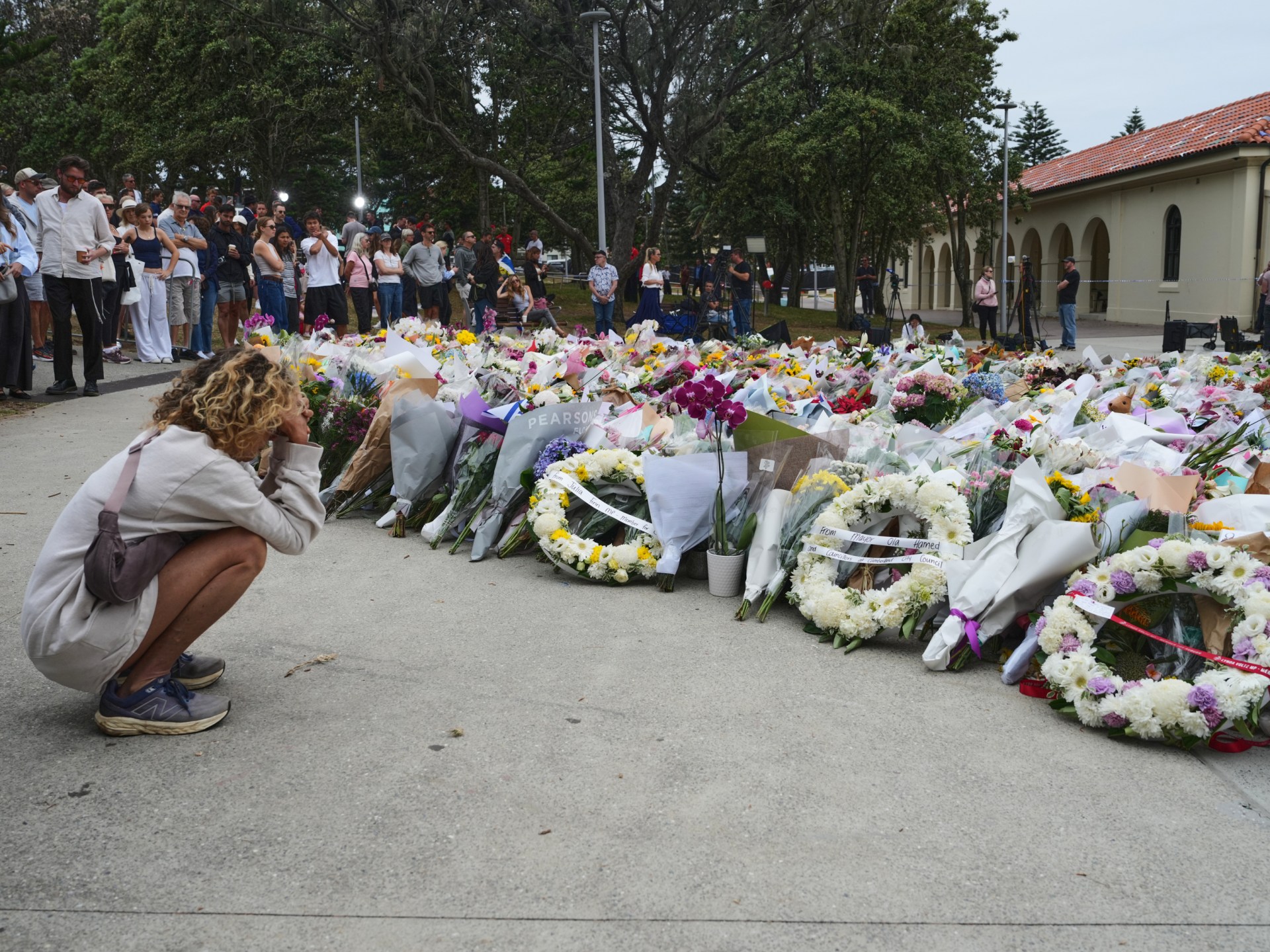
Following police claims that the two men accused of the deadly antisemitic Bondi beach attack, Naveed and Sajid Akram, may have been inspired by Islamic State ideology and had recently visited a Philippine island where an IS affiliate is believed to have operated, what do we know about the group and its aims?
Emerging in Iraq and Syria IS, also known as ISIL and colloquially by its opponents as Daesh, was originally an offshoot of al-Qaida in Iraq and emerged as a serious security threat after taking large amounts of territory in Iraq and Syria in 2014 to establish its short-lived but hugely violent self-styled “caliphate”.
Unusual among jihadist groups with broadly similar backgrounds was its attempt to take and hold territory at a time when it had thousands of followers under arms and several million people living in the band of territory it controlled.
During the time of the IS caliphate it also exported its violent ideology to a number of associated “provinces” and affiliates who carried out attacks in Europe, the US and elsewhere, including the Abu Sayyaf movement in the Philippines.